Feet-Elevated Band-Resisted Pushups build extreme upper-body strength, dense chest muscle, and iron core stability.
This is the bodyweight overload hack. We’re cutting through bench press dogma to break down the physics, muscle activation, and programming that turns a basic pushup into a max-strength builder for size and athletic performance.
Why This Variation Wins: Overload Physics
Feet-elevated band-resisted pushups combine two overload methods: mechanical disadvantage and accommodating resistance for maximal muscle tension. Elevation shifts more bodyweight to your upper body. The band increases resistance at the top—where you’re strongest—forcing peak contraction. This builds brute pressing strength and dense chest, shoulder, and triceps muscle without a barbell. For more foundational strength builders, see our compound exercise hub.
- Increased Load: Elevation increases upper body load by 5-10% per foot of elevation versus flat pushups.
- Accommodating Resistance: Band tension peaks at lockout, overloading the top range most bodyweight exercises miss.
- Core & Shoulder Stability: The unstable, inclined position demands extreme anterior core and scapular control.
- Direct Carryover: Builds raw pressing strength that translates directly to barbell bench press performance.
Setup & Execution: The Precision Protocol
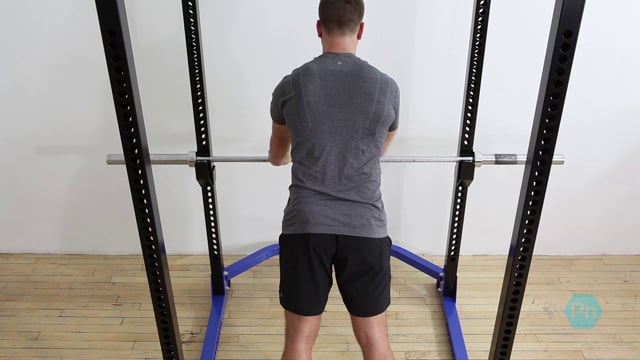
Proper setup is non-negotiable for targeting and safety. A misconfigured band or sloppy elevation wastes the stimulus. Follow this step-by-step protocol. For a complete visual guide, see the instructional video below (embedded via Vimeo).
Step 1: Equipment & Setup
- Band: Use a looped resistance band (medium to heavy). Attach it around your back, under your hands.
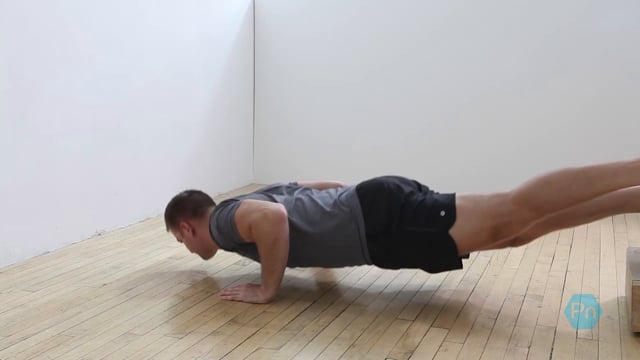
- Elevation: Place feet on a stable bench, box, or step. Height: 12-24 inches. Start lower.
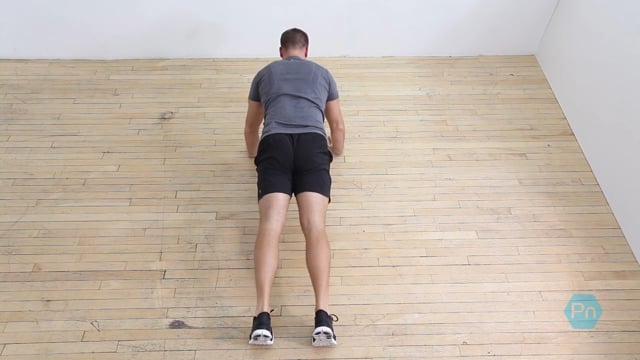
- Hand Placement: Slightly wider than shoulder-width, fingers forward. Create a tripod grip.
Step 2: The Movement Pattern
- Brace: Squeeze glutes, brace core, pull shoulders down and back (scapular retraction).
- Descent: Lower chest to floor with control (3-second count). Keep elbows at a 45-degree angle to your torso.
- Bottom Position: Briefly touch chest to floor. Maintain full-body tension. Do not relax.
- Ascent: Drive through hands explosively, fighting increasing band tension. Full lockout.
Programming for Strength & Hypertrophy
Program this exercise as a primary or accessory pressing movement, not a warm-up. Its intensity demands respect. Use it 1-2 times per week. For a complete strength-building framework, integrate this into your plan.
- For Strength (3-5 Rep Range): 3-4 sets of 3-5 reps. Use a heavy band and maximal elevation. Rest 2-3 minutes.
- For Hypertrophy (8-12 Rep Range): 3-4 sets of 8-12 reps. Use moderate band and elevation. Rest 60-90 seconds.
- For Metabolic Conditioning: 2-3 sets of 15-20 reps with light band. Minimal rest (30s).
- Placement in Routine: After main compound lifts (e.g., bench press) or as first exercise in an upper-body session.
“The band-resisted, feet-elevated pushup is one of the most underrated tools for developing raw pressing power and trunk stability. The accommodating resistance teaches explosive force production through the entire range of motion, directly translating to barbell performance. It’s a bridge between bodyweight mastery and external load.”
— Eugene Thong, CSCS
The Progression Ladder: From Beginner to Advanced
Master this movement continuum. Each step increases load, complexity, or instability. Do not jump to advanced variations without building the prerequisite strength. Explore our full library of bodyweight exercises.
1. Foundational Pushup Variations
- Beginner: Band-Assisted Pushup – Builds baseline strength.
- Intermediate: Standard Band-Resisted Pushup – Introduces accommodating resistance.
- Advanced: Single-Leg Feet-Elevated Band-Resisted Pushup – Extreme core and stability demand.
2. Complementary Strength Movements
- For Lockout Strength: Band Press-Down – Isolates triceps, the limiting factor in pushups.
- For Scapular Stability: Band-Resisted Scapular Pushup – Builds critical shoulder control.
- For Full-Body Power: Split-Stance Dumbbell Push Press – Develops explosive drive from the legs and core.
3 Common Form Mistakes That Kill Gains
These errors turn a high-value exercise into a shoulder injury or wasted session. Film yourself and correct these immediately.
1. Elbow Flare
Mistake: Letting elbows flare out to 90 degrees from the body.
Fix: Maintain a 45-degree angle. Tuck elbows slightly. Protects shoulders and increases chest/triceps activation.
2. Sagging Core & Hips
Mistake: Hips sagging or piking during the movement.
Fix: Brace your core as if preparing for a punch. Squeeze glutes hard throughout the entire set. Your body should form a straight, rigid plank from ankles to head.
3. Incomplete Range of Motion
Mistake: Not touching chest to floor (or mat) and not locking out fully at the top.
Fix: Use a yoga block or towel as a tactile target for your chest. Fight the band to achieve full elbow extension at the top. Full range under tension equals full growth.
The Bottom Line: Overload Mastery
The feet-elevated band-resisted pushup is a legitimate strength builder. It forces progressive overload through physics, not just effort. Master the form, program it with intent, and bridge the gap between bodyweight training and heavy barbell strength.
Integrate Into Your Training System
This exercise is one tool in the larger performance system. For complete programming, explore these related resources:
- Complete Chest Training Guide: Balance pushups with presses and flyes.
- Hypertrophy Programming Principles: How to structure sets, reps, and volume for muscle growth.
- Recovery Protocols: Optimize the repair process between intense pressing sessions.
- Core Stability Training: Strengthen the pillar that transfers force in every pushup.