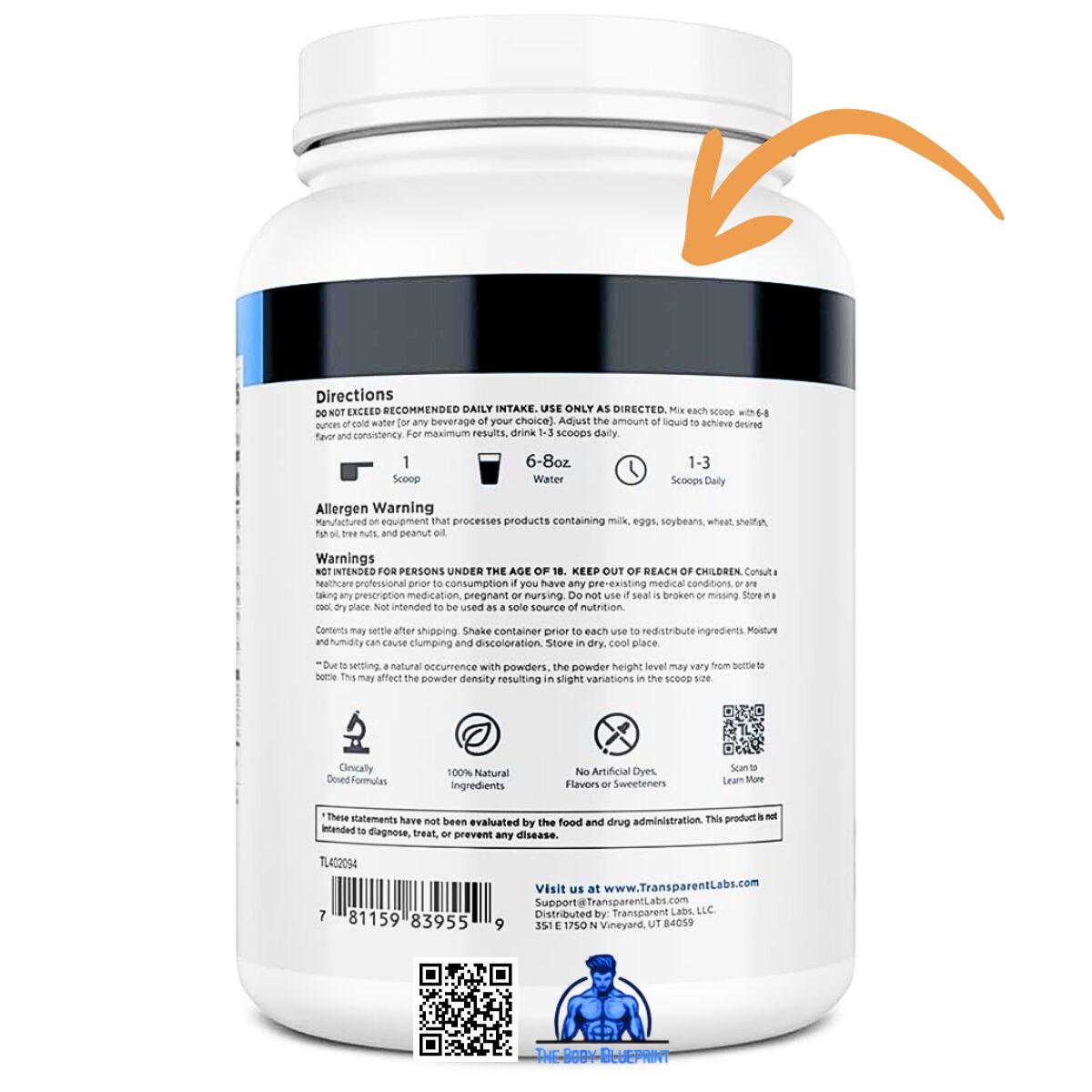
A whey protein isolate tub and a micellar casein tub both list protein on the front. The difference that matters for men over 40 is buried in the supplement facts panel: protein percentage per scoop, leucine grams disclosed on the label, and whether digestive enzymes are added to the formula or left out. Two tubs can both claim 25 grams of protein. One is 78% protein by weight from a concentrate-isolate blend with sucralose and soy lecithin. The other is 85%+ from pure isolate with stevia and zero gums. We audited the labels, the processing methods, the sweetener systems, and the third-party certifications to map which protein products actually earn their spot in a shaker for the aging lifter.
Overview: Protein Labels for Men Over 40
A protein tub for a 25-year-old and a protein tub for a 55-year-old can look identical from the front. The back panel is where the divergence lives. The three specs that matter when you are north of 40 are protein percentage per scoop, whether the leucine content is disclosed on the label, and what sweetener system the brand chose. A concentrate-isolate blend at 78% protein by weight is not a bad product. It is a different product than a pure isolate at 85%+. The label is the only document that tells you which one you are holding. If you are comparing across the full category, our guide on best whey protein for easy digestion maps the landscape. For the clean-label purist angle, see our Transparent Labs Whey Isolate review.
The Two-Tub Analogy
Two men walk into a supplement store. One is 28. One is 52. Both grab a tub that says “Whey Protein” on the front. The 28-year-old’s tub has 20 ingredients, sucralose, a concentrate-isolate blend, and costs roughly $0.90 a serving. The 52-year-old’s tub has 4 ingredients, stevia, pure isolate, and costs roughly $1.90 a serving. Both tubs say “protein.” Only one label is built for a body that has been lifting for three decades. The 28-year-old can get away with the cheaper tub. The 52-year-old is reading labels for a reason. Pick the tub that matches the mileage.
Label Specs: The Three Numbers That Actually Matter
Protein percentage, leucine grams per serving, and ingredient-count total are the three numbers on the back panel that separate a protein tub built for an aging lifter from a tub built for a college budget. Everything else on the front is marketing. These three are the product.
- Protein Percentage Per Scoop: Divide the protein grams by the scoop weight. A 33g scoop delivering 28g of protein is 85% protein by weight. This is isolate territory. A 31g scoop delivering 24g of protein is 77%. This is a concentrate or a blend. The percentage tells you how much of the scoop is actual protein versus fat, lactose, and ash. For the aging lifter, higher percentage means less non-protein material per gram of target amino acids. Transparent Labs Grass-Fed Whey Isolate hits 85% (28g from 33g scoop). Optimum Nutrition Gold Standard hits ~77% (24g from 31g scoop). Both are printed on the label. The math is free.
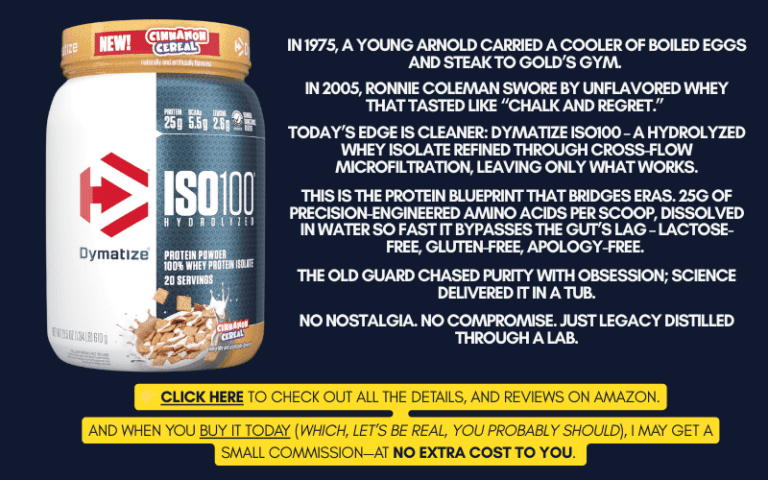
- Leucine Content on the Label: Some brands disclose leucine grams per serving directly on the supplement facts panel. Most do not. Dymatize ISO100 prints 2.7g of leucine per 25g protein serving on its label. This is a label disclosure, not a marketing claim. It tells you the branched-chain amino acid content is verified, not estimated. For men over 40 comparing tubs, a disclosed leucine number is a higher-information purchase than one that hides behind the “total BCAAs” line. See our BCAA vs EAA recovery guide for the full amino breakdown.
- Ingredient-Count Total: Count the lines on the ingredient panel. Transparent Labs lists 4. Optimum Nutrition lists 20+. Orgain Plant Protein lists 15+. Every line after the protein source is a choice the brand made. Gums. Lecithin. Artificial sweeteners. Creamers. Anti-caking agents. For the lifter who wants the shortest possible ingredient panel, the unflavored Isopure Whey Isolate lists 2 ingredients (whey isolate, soy lecithin). The unflavored Transparent Labs lists 1 (whey isolate). These are not small differences. They are the entire product philosophy in a single panel. For the broader story of how formulations evolved, read our bodybuilding nutrition evolution timeline.
Protein Types: Isolate, Casein, Collagen, and Blends
A whey isolate tub, a micellar casein tub, and a collagen peptides tub are three different products with three different label profiles. They are not interchangeable. The protein type printed on the front determines the amino acid content on the back.
- Whey Protein Isolate (85%+ protein by weight): The highest protein percentage per scoop. Cold-processed and microfiltered. Minimal lactose (under 1g per scoop). Fast-mixing. Brands like Transparent Labs, Dymatize ISO100, and Isopure occupy this category. The trade-off is cost: $1.50 to $2.00 per serving. The leucine content is naturally higher per gram of protein because isolate strips away the non-protein fractions. Dymatize ISO100 prints 2.7g leucine on the label per 25g protein serving. For the full whey breakdown, see our Gold Standard Whey review and our whey protein for fat loss guide.
- Micellar Casein (~80% protein by weight): A slow-coagulating dairy protein. The label lists casein, not whey. Protein percentage runs slightly lower than isolate. The selling point is the physical structure of the protein in liquid: it forms a gel in the stomach. This is a product characteristic, not a mechanism claim. Micellar casein tubs typically list fewer added ingredients than flavored whey blends because the protein itself creates the texture. For the full breakdown, see our best micellar casein guide.
- Collagen Peptides (~90% protein by weight, but incomplete amino profile): Collagen tubs list a high protein percentage. The label will also show zero tryptophan and low leucine. Collagen is not a whey replacement. It is a different product with a different amino acid panel printed on the label. If the goal is a complete amino acid profile, collagen alone does not deliver it. For the full comparison, see our best collagen supplements for lifters guide.
- Protein Blends (isolate + concentrate + casein): The label lists multiple protein sources. Protein percentage varies. Often includes gums and lecithin for texture. The selling point is cost per gram. A blend like Optimum Nutrition Gold Standard runs ~$0.90 per serving. The trade-off is a longer ingredient panel and a lower protein percentage per scoop.
- Protein with Added Digestive Enzymes: Some tubs add protease, lactase, or papain to the ingredient panel. These are label additions, not inherent to the protein. Brands like Momentous Whey include a digestive enzyme blend on the label. For men over 40 who notice bloating from standard whey, the enzyme line on the supplement facts panel is a spec worth checking. See our protein powders with digestive enzymes breakdown.
If you take protein supplements and are on medication or have a health condition, talk with a qualified professional about what is appropriate for you.
The Label Trade-off: Clean Isolate vs Value Blend vs Casein
The trade-off is protein percentage and ingredient minimalism versus cost per gram versus digestion speed label claims. No single tub wins every column.
Whey Isolate (Pros)
- Highest Protein Percentage: 85%+ protein by weight. Less non-protein material per scoop.
- Shortest Ingredient Panel: 1-4 ingredients on the cleanest labels.
- Minimal Lactose: Under 1g per scoop on most isolate labels.
- Highest Leucine Density: More leucine per gram of protein than concentrate or casein.
Whey Isolate (Cons)
- $1.50-$2.00 Per Serving: The premium for purity. 2x the cost of blends.
- No Lecithin = Possible Clumping: Clean-label isolates without soy lecithin need a strong shake.
- 30 Servings Per Tub: Smaller container counts than value blends.
Value Blend (Pros)
- $0.90-$1.20 Per Serving: Half the price of isolate.
- Larger Tub Counts: 70+ servings per container.
- Dessert-Like Flavor: Sucralose and ace-K deliver stronger sweetness.
Value Blend (Cons)
- 20+ Ingredients: Gums, lecithin, artificial sweeteners, creamers.
- Lower Protein Percentage: 77-80% protein by weight.
- Concentrate-Isolate Hybrid: Not a pure isolate. Label often obscures the ratio.
Who Each Protein Type Is For (and Not For)
Match the tub to your priority. Protein percentage, ingredient-count tolerance, and cost-per-gram ceiling point different buyers in different directions.
Good Fit for Men Over 40
- Whey Isolate (clean label): Lifters who audit ingredient panels and want 85%+ protein percentage. See Transparent Labs Whey.
- Micellar Casein: Anyone looking for a slow-coagulating dairy protein with a short label. See best micellar casein.
- Isolate + Digestive Enzymes: Men who notice bloating from standard whey. The added enzyme line is a label spec worth testing.
- Unflavored Isolate: Complete sweetener control. One ingredient. Stacks with anything. Bake with it.
- Protein + Creatine Stack: Unflavored isolate mixed with standalone creatine monohydrate. Two ingredients. Zero filler overlap. See our creatine loading guide.
Not the Best Fit
- Cost-per-gram absolutists (blends win every time)
- Buyers who want candy-bar sweetness (clean isolates use stevia/monk fruit, not sucralose)
- Lifters who tolerate any ingredient panel without issue
- Collagen-only users expecting a complete amino acid profile (check the label — tryptophan and leucine are low)
- High-volume users burning two scoops daily on a tight budget
- Anyone comparing plant-based options (see Isopure Plant-Based Protein)
How Protein Tubs Compare for the Aging Lifter (2026)
Each tub has a different balance of protein percentage, ingredient count, leucine disclosure, and cost per serving. No single tub sweeps the board.
| Product | Notable Strength | Main Consideration |
|---|---|---|
| Transparent Labs Grass-Fed Whey Isolate | 4 ingredients, 85% protein, stevia/monk fruit, third-party tested | ~$2.00/serving, mild sweetness, 30 servings/tub |
| Dymatize ISO100 | 2.7g leucine disclosed on label, hydrolyzed isolate, fast-mixing | Sucralose, soy lecithin, ~$1.50/serving |
| Optimum Nutrition Gold Standard | ~$0.90/serving, 70+ servings/tub, dessert-like flavor | 20+ ingredients, 77% protein, isolate-concentrate blend. See full review |
| Isopure Unflavored Whey Isolate | 2 ingredients, 86% protein, zero carbs, zero sweeteners | Soy lecithin included, ~$1.50/serving. See Isopure RTD |
| Momentous Whey Protein Isolate | NSF Certified for Sport, added digestive enzymes on label | ~$1.80/serving, sucralose in flavored variants |
| Micellar Casein (Various Brands) | Slow-coagulating dairy protein, shorter label than blends | Lower leucine than isolate, thicker texture. See best casein guide |
Transparent Labs owns the ingredient-count column. Dymatize ISO100 owns the leucine-disclosure column. Optimum Nutrition owns the cost-per-serving column. Momentous owns the third-party certification column. No single tub wins every category. For the old-school contrast on how lifters built muscle before isolates existed, read our old school vs modern bodybuilding diets comparison.
Sweetener Systems: Sucralose vs Stevia on the Label
Sucralose, acesulfame potassium, stevia leaf extract, and monk fruit extract are the four sweeteners that dominate the protein aisle. The one printed on your label determines sweetness intensity, aftertaste profile, and ingredient-count philosophy. This matters more for the aging lifter who is auditing every line on the panel.
- Sucralose + Ace-K (Standard Mass-Market): The sweetener system on Optimum Nutrition Gold Standard, Dymatize ISO100, and most value blends. High sweetness intensity. Zero calories. Artificial. Two lines added to the ingredient panel.
- Stevia + Monk Fruit (Clean-Label): The sweetener system on Transparent Labs. Plant-derived. Lower sweetness intensity. Some palates detect a mild plant-derived bitterness from stevia. Two lines on the ingredient panel, but from natural sources.
- No Sweeteners (Unflavored): The Isopure Unflavored and Transparent Labs Unflavored approach. Zero sweetener lines on the label. Complete control over taste. Mixes into anything without flavor hijacking.
The Coffee Order Analogy
Sucralose is the gas-station cappuccino machine. Sweet. Reliable. Artificial. Stevia and monk fruit are the pour-over with a single sugar cube. Cleaner. Less sweet. Some people miss the syrup. Unflavored isolate is straight black coffee. No sweetener. No cream. No training wheels. Pick the order that matches your palate and your label standards. Nobody judges. But everyone reads the receipt.
Protein for Aging Men FAQ
- What protein percentage should I look for on the label?
- Divide protein grams by scoop grams. Isolate runs 85%+. Blends run 77-80%. Concentrate runs lower. The percentage tells you how much of the scoop is actual protein. Higher percentage means less fat, lactose, and ash per gram of target amino acids. The math is free. The label prints both numbers.
- Does leucine content on the label matter for men over 40?
- Leucine is the amino acid most brands highlight when they disclose aminos on the panel. Dymatize ISO100 prints 2.7g leucine per serving directly on its label. Most brands do not disclose it. A disclosed leucine number is a higher-information purchase than one that hides behind “total BCAAs.” If the label does not print it, you are estimating.
- Is whey isolate worth 2x the cost of a blend for an older lifter?
- That depends on your priority. Isolate delivers higher protein percentage (85%+ vs 77%), fewer ingredients (1-4 vs 20+), and minimal lactose (under 1g vs 2-3g). If those three specs matter to you, the premium is the price of those line items. If cost-per-gram is your only metric, blends win forever. Read our Gold Standard Whey review for the value play.
- Does micellar casein belong in a protein stack for men over 40?
- Micellar casein is a slow-coagulating dairy protein. The label lists casein, not whey. It forms a gel in liquid — that is a product characteristic, not a mechanism claim. If you want a second protein source with a different physical structure, casein is an option. Check our best micellar casein guide for the full label breakdown.
- Are digestive enzymes on the label worth paying for?
- Some protein tubs add protease, lactase, or papain to the ingredient panel. Momentous Whey includes a digestive enzyme blend on its label. If standard whey causes bloating, an enzyme-fortified tub is a label spec worth testing. If you tolerate standard whey without issue, the enzyme line is an added cost with no added value for you. See our protein powders with digestive enzymes breakdown.
- Should I check with a professional before changing my protein intake?
- Yes. Consult a qualified professional before starting any new supplement or changing your protein intake, particularly if you take medication, have kidney concerns, or have a health condition. A clean label is still a supplement.
Final Verdict
For the label-reading man over 40, a whey protein isolate with 85%+ protein by weight, a disclosed leucine content, and a four-ingredient-or-fewer panel is the highest-information protein purchase on the shelf. The cleanest flavored option is Transparent Labs Grass-Fed Whey Isolate at 4 ingredients and 28g protein per 33g scoop. The highest leucine disclosure is Dymatize ISO100 at 2.7g printed on the label. The most certified is Momentous Whey with NSF Certified for Sport and added digestive enzymes. The best value is Optimum Nutrition Gold Standard at ~$0.90 per serving, with the trade-off of 20+ ingredients and a 77% protein percentage.
The unflavored isolate from Transparent Labs or Isopure is the endpoint of the clean-protein conversation. One or two ingredients. Zero sweeteners. Complete control. Stack it with creatine. Bake with it. Mix it into anything. No flavor system means no sweetener to audit.
This is not about one protein being magic. It is about what the label prints. Protein percentage. Leucine disclosure. Ingredient count. Sweetener system. Third-party certification. Every tub prints the answers on the back panel. The tub with the shortest, highest-information label wins for the aging lifter who audits every line. That is the product conversation. Everything else is a commercial.
Verdict: The Cleanest Label Wins
85%+ protein by weight. Four ingredients or fewer. Disclosed leucine content. Stevia and monk fruit, not sucralose. If you audit supplement facts panels before you buy, pick the tub with the shortest, highest-information label. Follow the label and consult a professional.
Related Protein and Supplement Guides
- Transparent Labs Grass-Fed Whey Isolate Review
- Optimum Nutrition Gold Standard Whey Review
- Best Whey Protein for Easy Digestion
- Best Micellar Casein
- Best Collagen Supplements for Lifters
- Protein Powders with Digestive Enzymes
- Best Protein for Busy Professionals
- Best Protein for a Cutting Phase
- BCAA vs EAA for Recovery
- Whey Protein for Fat Loss Guide
- Creatine Loading Guide and Protocol
- Momentous Creatine Monohydrate Review
- Bodybuilding Nutrition Evolution
- Old School vs Modern Bodybuilding Diets
- Isopure Plant-Based Protein Review
- Isopure Clear Protein RTD Review
- Carlson Fish Oil Review
- Sports Research Omega-3 Review
- Nature Made Multi for Him Review
- Garden of Life Vitamin Code Men Review