Whey protein and muscle growth is a label-reading game. A 25g scoop of whey isolate and a 25g scoop of whey concentrate both print “25g protein” on the panel — but the leucine content, fat grams, lactose load, and ingredient-count are four different conversations. The tub that builds muscle is the one with the right specs for your goals and the fewest ingredients you do not want to swallow. We audited the labels, the processing methods, and the protein-per-scoop math across every major whey category to show you exactly what matters and what is marketing.
Overview: Whey Protein Is a Label Game, Not a Brand Game
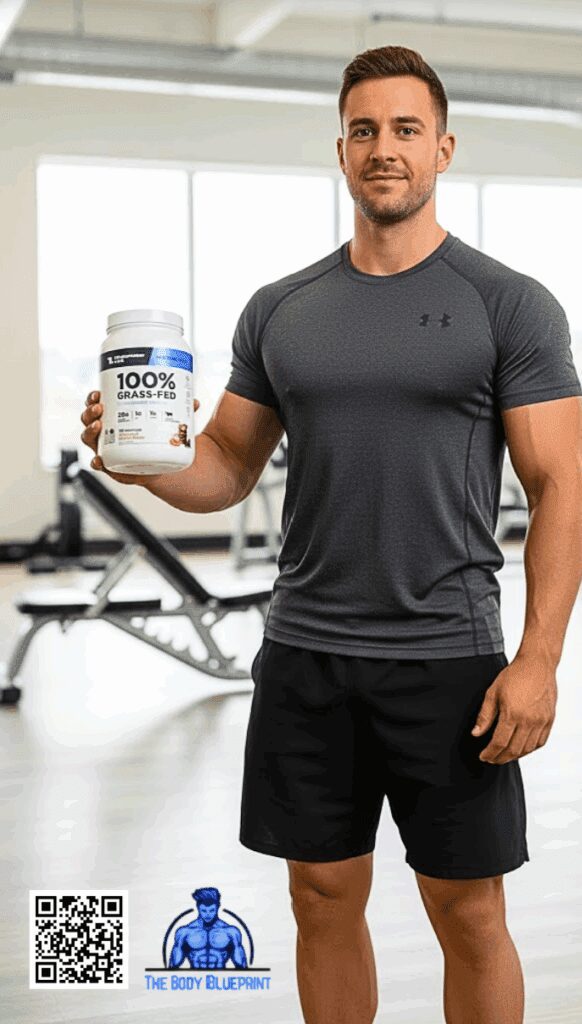
A tub of 100% whey isolate from Transparent Labs prints 28g of protein from four ingredients. A tub of whey blend from a big-box retailer prints 25g of protein from twenty-two ingredients. Both say “whey protein” on the front. The difference is in the supplement facts panel — protein percentage, leucine per serving, lactose content, fat grams, and the ingredient list length. Muscle growth is not brand-loyal. It is label-loyal. The tub that delivers the highest protein purity, the shortest ingredient list, and enough leucine per scoop is the tub you want. For the baseline on how whey compares against other protein sources for muscle support, read our best whey protein for easy digestion guide. For the mass-market benchmark, see our Optimum Nutrition Gold Standard Whey review.
The Bricks-and-Mortar Analogy
Building muscle with bad protein is like building a house with bricks that are 30% sawdust. The wall goes up. It looks fine from the curb. Then the rain comes. A pure whey isolate is a kiln-fired brick. A cheap concentrate blend with gums and fillers is the sawdust brick. Both stack. Only one holds when the weather turns. Pick your brick.
Whey Protein Types: What the Label Actually Tells You
Whey protein concentrate, whey protein isolate, and whey protein hydrolysate are the three forms printed on supplement facts panels, and they are not interchangeable. The differences are protein percentage, lactose content, fat grams, and cost per serving. Every tub prints the answer on the back. You just have to know which numbers matter.
- Whey Protein Concentrate (WPC): The entry-level whey. The label typically shows 70-80% protein by weight. A 30g scoop delivers roughly 21-24g of protein, with 2-3g of fat and 3-4g of carbohydrates, including lactose. Concentrate is the cheapest form to produce and the most common base in blended tubs. The ingredient panel on a pure concentrate is still short — whey concentrate, lecithin, maybe a flavor system. But the protein-per-scoop math is lower than isolate. For lifters stacking multiple scoops daily, concentrate is the cost-effective workhorse. See our old school bulking diets guide for the historical context.
- Whey Protein Isolate (WPI): The filtered-up version. Cross-flow microfiltration strips more lactose, fat, and ash, pushing the label to 85-90% protein by weight. A 30g scoop prints 25-28g of protein, less than 1g of fat, and under 1g of carbohydrates. The ingredient panel is typically shorter — fewer additives are needed because the powder is already purer. Isolate costs roughly 1.5x to 2x concentrate per gram of protein. The trade-off is purity for price. Transparent Labs Grass-Fed Whey Isolate prints 28g per 33g scoop, or 85% protein. Dymatize ISO100 prints 25g per 32g scoop, or 78% protein. The difference is in the processing and the remaining ingredient overhead. For the full breakdown of a top isolate, see our Transparent Labs Bulk pre-workout review — same brand, same ingredient philosophy.
- Whey Protein Hydrolysate (WPH): The pre-digested whey. Enzymes partially break the protein chains before it hits the tub. The label still prints protein grams — typically 25g per scoop — but the manufacturing step adds cost. Hydrolysate is the most expensive whey form per gram. It is positioned for speed of absorption, but the label does not quantify that speed. What it does quantify is the bitter taste profile that comes with the hydrolysis process. Many hydrolysate tubs add more sweeteners and flavoring agents to mask that bitterness. Dymatize ISO100 is the most visible hydrolysate on the market, though it blends hydrolyzed and non-hydrolyzed whey. See how it stacks against the category standard in our C4 vs Gold Standard comparison.
| Whey Type | Protein % (Label) | Lactose (Per Scoop) | Fat (Per Scoop) | Cost Per Gram |
|---|---|---|---|---|
| Concentrate (WPC-80) | 70-80% | 2-4g | 2-3g | Lowest |
| Isolate (WPI) | 85-90% | <1g | <1g | 1.5-2x concentrate |
| Hydrolysate (WPH) | 75-85% | <1g | <1g | Highest |
For lifters comparing whey against plant-based options for muscle support, see our Isopure Plant-Based Protein review. The label math shifts entirely when you leave dairy.
The Label Audit: Five Numbers That Actually Matter
Protein grams per scoop is the headline, but leucine content, ingredient count, protein percentage, BCAA grams on the panel, and third-party testing logos are the five numbers that separate a muscle-building whey from a marketing expense. Every tub prints them. Most buyers skip them.
- 1. Protein Percentage (Protein ÷ Scoop Weight): Divide protein grams by the total scoop weight in grams. A tub printing 25g of protein in a 32g scoop is 78% protein. A tub printing 28g in a 33g scoop is 85% protein. The other 15-22% is fat, carbohydrate, ash, moisture, and flavoring. Higher protein percentage means less filler per scoop. Isolates run 85-90%. Concentrates run 70-80%. The math exposes blends that pad the scoop with cheap ingredients. See our nutrient partitioning guide for how protein quality interacts with your overall nutrition.
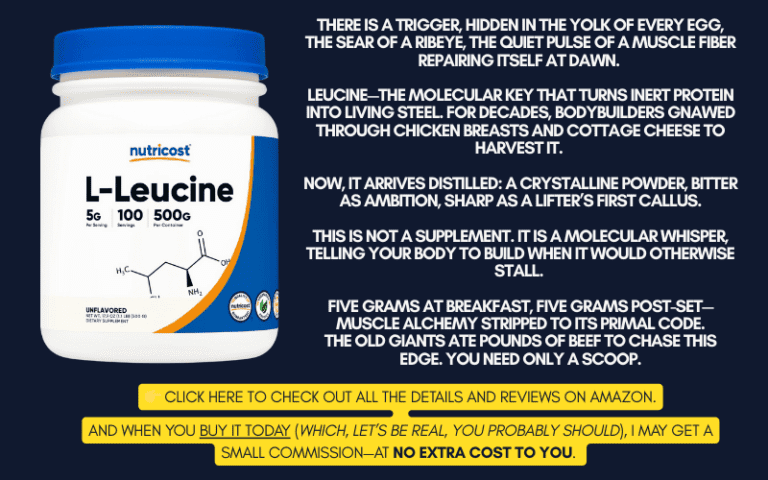
- 2. Leucine Per Serving: Whey is the richest dietary source of leucine by percentage. A 25g scoop of quality whey isolate delivers roughly 2.5-3g of leucine, depending on the whey fraction. The label does not always print leucine separately — it prints BCAAs. A 25g scoop of isolate typically shows 5.5-6g of total BCAAs on the panel. Leucine is roughly half of that BCAA total. Some brands, like Transparent Labs, publish the full amino acid profile. Most mass-market tubs do not. For a creatine stacking strategy that pairs with a leucine-rich whey, see our creatine beta-alanine stack guide.
- 3. Ingredient Count (Not Just the Protein): Count the lines. Transparent Labs Whey prints four ingredients: isolate, natural flavors, stevia, monk fruit. Optimum Nutrition Gold Standard prints twenty-plus: protein blend, cocoa, lecithin, artificial flavors, sucralose, ace-K, and a stabilizer suite. Every ingredient beyond the protein source is a trade-off. Gums and lecithin improve mixability. Artificial sweeteners improve taste. You decide whether those trade-offs are worth it. For a deep dive on how enzymes interact with these ingredient panels, see protein powders with digestive enzymes.
- 4. Third-Party Testing Marks: Look for an actual certification logo — NSF, Informed Sport, or a published batch-level COA. A tub that prints “third-party tested” without a logo or batch code is making a claim you cannot verify. Transparent Labs publishes batch-level results. Optimum Nutrition carries the Informed Choice logo on certain SKUs. Sports Research uses NSF Certified for Sport on select products. If the logo is missing, the testing claim is marketing.
- 5. Lactose and Fat Content: Isolate labels print less than 1g of lactose and less than 1g of fat per scoop. Concentrate labels print 2-4g of carbohydrates and 2-3g of fat. For lactose-sensitive lifters, the difference between a concentrate tub and an isolate tub is the difference between a clean post-workout shake and gastrointestinal regret. The label tells you before your stomach does.
The Nutrition Facts Autopsy
Reading a supplement facts panel is an autopsy of the company that made it. A four-line ingredient panel says “we trust our protein.” A twenty-two-line panel says “we needed twenty-two things to make this work.” Neither is lying. Only one is telling the whole truth in the first sentence. Perform the autopsy before you swallow the body.
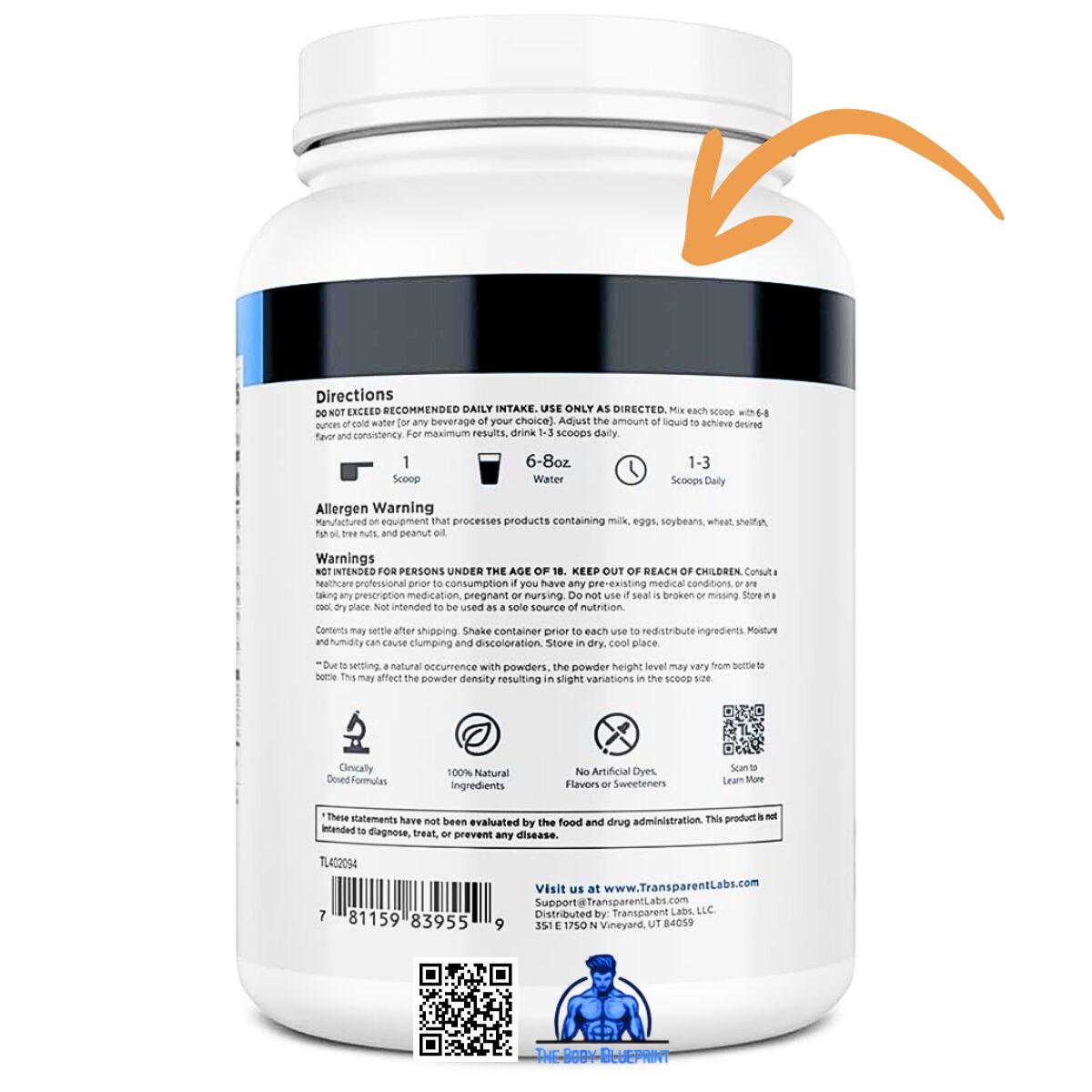
Whey Isolate vs Concentrate vs Hydrolysate: Pros and Cons for Muscle Building
The trade-off is protein purity and lactose load against cost per gram and taste intensity. No single whey type wins every column for every lifter.
Whey Isolate (The Purity Play)
- 85-90% Protein Per Scoop: The highest protein density of any whey form. More protein per gram of powder.
- Under 1g Lactose: Tolerable for most lactose-sensitive lifters. No dairy bloat.
- Shortest Ingredient Panels: High-purity isolates need fewer masking agents. Often four to six ingredients total.
- Higher Cost: Roughly $1.50-$2.00 per serving. You pay for the filtration.
- Example: Transparent Labs Grass-Fed Whey Isolate — 28g protein, 4 ingredients, ~$2.00/serving.
Whey Concentrate (The Value Play)
- 70-80% Protein Per Scoop: Lower density, but the cost-per-gram math favors concentrate heavily.
- 2-4g Lactose: Enough to upset lactose-sensitive stomachs. Not an issue for those who tolerate dairy.
- Cheapest Per Gram: Roughly $0.70-$1.10 per serving. The budget workhorse for high-volume lifters.
- Often Blended in Mass-Market Tubs: Many “whey protein” labels are mostly concentrate with a sprinkle of isolate. Read the blend order.
Whey Hydrolysate (The Speed Play)
- Enzymatically Pre-Digested: The manufacturing step adds cost. The label does not quantify absorption speed.
- Most Expensive Per Gram: Hydrolysate runs higher than isolate. The processing premium is real.
- Bitter Taste: Hydrolysis produces bitter peptides. Tubs often add more sweeteners and flavors to compensate, inflating the ingredient list.
Whey Blend (The Middle Ground)
- Isolate + Concentrate Mix: The most common mass-market format. Optimum Nutrition Gold Standard runs on this hybrid.
- Label Order Matters: If concentrate is listed first, the blend skews budget. If isolate leads, purity is higher.
- Compromise on Every Metric: Not the cheapest. Not the purest. Not the lowest lactose. The jack-of-all-trades option.
Who Each Whey Type Is For (and Not For)
Match the whey type to your protein-purity tolerance, lactose sensitivity, budget ceiling, and ingredient-label standards. The wrong match is an expensive mistake the label warned you about.
Choose Whey Isolate If…
- You want the highest protein percentage per scoop (85%+)
- You are lactose-sensitive and need less than 1g per serving
- You audit ingredient labels and want four to six lines maximum
- You are cutting and need protein without the fat and carb overhead (see best protein for cutting)
- You are willing to pay ~$2.00 per serving for purity
- You stack with other supplements and want zero ingredient overlap
Choose Whey Concentrate If…
- You tolerate dairy and lactose with zero issues
- Cost per gram is your primary metric
- You go through two to four scoops daily and the price difference compounds
- You are bulking and the extra few grams of fat and carbs are irrelevant (see old school bulking diets)
Choose Hydrolysate If…
- You have a specific preference for enzymatically pre-processed whey
- Cost is not a constraint
- You accept the bitter taste and the extra flavoring agents that come with it
Skip Whey Entirely If…
- You are vegan (see plant-based protein options)
- You have a dairy allergy, not just lactose sensitivity
- You prefer slow-digesting proteins like micellar casein for overnight recovery
- You are not training consistently enough to justify the supplement spend
Top Whey Proteins for Muscle Building: By the Numbers (2026)
Each tub has a different balance of protein percentage, leucine per serving, ingredient count, lactose load, and cost per gram. No single tub sweeps every category.
| Product | Whey Type | Protein/Scoop | Protein % | Ingredients | Cost/Serving |
|---|---|---|---|---|---|
| Transparent Labs Grass-Fed Whey | Isolate | 28g / 33g | 85% | 4 | ~$2.00 |
| Optimum Nutrition Gold Standard | Isolate + Concentrate Blend | 24g / 31g | 77% | 20+ | ~$1.00 |
| Dymatize ISO100 | Hydrolyzed Isolate | 25g / 32g | 78% | 10-15 | ~$1.50 |
| Isopure Unflavored | Isolate | 25g / 29g | 86% | 2 | ~$1.50 |
| Sports Research Whey Isolate | Isolate | 25g / 30g | 83% | 6-8 | ~$1.20 |
Transparent Labs leads the ingredient-count column at four lines. Isopure Unflavored is close with two — but one is soy lecithin. Optimum Nutrition leads on cost. Dymatize leads on hydrolysis. For the full history of how whey became the category king, read our bodybuilding nutrition evolution timeline. For the contrast between modern whey and the pre-supplement era, see old school physiques built without supplements.
How to Stack Whey with Creatine, Pre-Workout, and Carbs
Whey protein isolate stacks cleanly with creatine monohydrate and a stimulant pre-workout because a pure isolate adds no competing gums, sweeteners, or fillers to the shaker. The stacking math is simple: count the total ingredients, not just the protein. A four-ingredient whey plus a single-ingredient creatine equals five ingredients total in the post-workout shaker. A twenty-ingredient whey plus a ten-ingredient pre-workout equals thirty. More ingredients means more overlap and more unnecessary filler.
- Whey + Creatine Monohydrate: The foundational stack. Five grams of micronized creatine monohydrate stirred into a whey isolate shake. Two products. Five ingredients total if you use an unflavored isolate. No redundant sweeteners. No competing gums. For the full creatine timing and dosing breakdown, see our creatine beta-alanine stack guide and how long creatine takes to work.
- Whey + Pre-Workout: Separate these. Pre-workout goes pre. Whey goes post. Mixing them in the same shaker adds ingredient overlap — most pre-workouts already carry their own sweetener systems, and adding whey on top doubles the sweetener load. Keep them in separate shakers, separate timing windows. For the pre-workout side, see Transparent Labs Bulk or our stimulant pre-workout guide.
- Whey + Carbohydrate Powder: For post-workout, some lifters add dextrose, maltodextrin, or cluster dextrin to the whey shaker. If you are bulking and want the calorie overhead, this is a valid stack. The whey type matters less here — concentrate and isolate both mix fine with carb powders. See our nutrient partitioning guide for the broader carbohydrate timing context.
- Whey + Casein: Some lifters blend whey isolate with micellar casein for a mixed-release protein. This is a niche stack for pre-bed or prolonged gaps between meals. For the casein breakdown, see best micellar casein.
Whey Protein and Muscle Growth FAQ
- How much whey protein per scoop actually supports muscle building?
- A scoop delivering 20-30g of whey protein is the standard across every major brand. The more important number is protein percentage — divide protein grams by scoop weight. A 25g protein scoop from a 31g total serving (81% protein) is not the same as a 25g scoop from a 36g serving (69% protein). Higher protein percentage means less filler in the scoop. Look for 80%+ on the label.
- Is whey isolate better than whey concentrate for muscle growth?
- On the supplement facts panel, isolate delivers higher protein percentage (85-90% vs 70-80%), less lactose (<1g vs 2-4g), and less fat (<1g vs 2-3g). Both deliver a full amino acid profile. Isolate is better if lactose sensitivity, ingredient minimalism, or purity-per-scoop is your priority. Concentrate is better if cost per gram is your only metric. The label tells you which trade-off you are making.
- How much leucine should a whey protein scoop deliver?
- A quality 25g scoop of whey isolate prints roughly 5.5-6g of total BCAAs on the panel. Leucine is roughly half of that, or 2.5-3g per scoop. If the brand publishes a full amino acid profile, you can verify the leucine number directly. If the brand only prints total BCAAs, estimate leucine at roughly 50% of the BCAA total.
- How does whey compare to plant protein for building muscle?
- On the label, whey isolate delivers 85-90% protein by weight with a complete amino acid profile. Plant proteins (pea, brown rice, hemp) typically deliver 70-78% protein by weight and often require blending multiple sources to complete the amino acid profile. Plant tubs also frequently add gums and emulsifiers for texture. For the full breakdown, see our Isopure Plant-Based Protein review.
- How many scoops of whey per day is reasonable?
- The label serves one scoop as a standard serving. One to two scoops daily is the practical range for most lifters. More than three scoops daily means you are likely replacing whole-food meals with powder, which is a nutrition strategy question, not a label question. For busy professionals replacing meals strategically, see our best protein for busy professionals guide.
- What should I look for on a whey protein label for muscle building?
- Five things. Protein percentage (80%+). Ingredient count (shorter is purer). Third-party testing logos (not just text claims). Sweetener type (stevia/monk fruit vs sucralose/ace-K — your call). Lactose content (under 1g for isolate, 2-4g for concentrate). That is the entire audit. Everything else on the front label is marketing.
Final Verdict
Whey protein and muscle growth is a label-reading game, and the only document that matters is the supplement facts panel. A whey isolate printing 85%+ protein from four ingredients is the cleanest tool for the job. A whey concentrate printing 75% protein from eight ingredients is the budget workhorse. A hydrolyzed whey printing 78% protein from fifteen ingredients is the premium speed play. All three deliver the same core amino acid profile. The difference is purity, lactose load, ingredient count, and cost per gram.
For the lifter who audits every panel, Transparent Labs Grass-Fed Whey Isolate wins on ingredient minimalism. Four lines. 28g of protein. 85% purity. Stevia and monk fruit. No gums and no lecithin. For the lifter who counts cost first, Optimum Nutrition Gold Standard wins on value at roughly half the price per serving, with twenty-plus ingredients as the trade-off. For the lifter who wants the enzymatic edge, Dymatize ISO100 delivers at a mid-range price point with a longer ingredient panel.
Pick the tub that matches your label standards and your budget. The protein inside every quality whey tub will support your training. The difference is what rides along in the scoop and what you pay for it. Read the panel. Do the math. Buy the tub you can afford to take daily. Consistency over brand. Panel over marketing.
Verdict: Read the Panel, Not the Front Label
Whey isolate delivers 85%+ protein from the shortest ingredient panels. Whey concentrate delivers value at 70-80% purity. Hydrolysate is the premium speed option. Match the specs to your goals. Pick a tub, take it daily, and train hard.
Related Whey and Muscle Building Guides
- Optimum Nutrition Gold Standard Whey Review
- Best Whey Protein for Easy Digestion
- Protein Powders with Digestive Enzymes
- Best Protein for Busy Professionals
- Best Protein for a Cutting Phase
- Best Micellar Casein for Slow-Digesting Protein
- Best Collagen Supplements for Lifters
- Isopure Plant-Based Protein Review
- Creatine Beta-Alanine Stack Guide
- BCAA vs EAA for Recovery
- Nutrient Partitioning Guide
- Bodybuilding Nutrition Evolution
- Old School Bulking Diets for Muscle Mass
- Old School Physiques Built Without Supplements
- How Long Does Creatine Take to Work