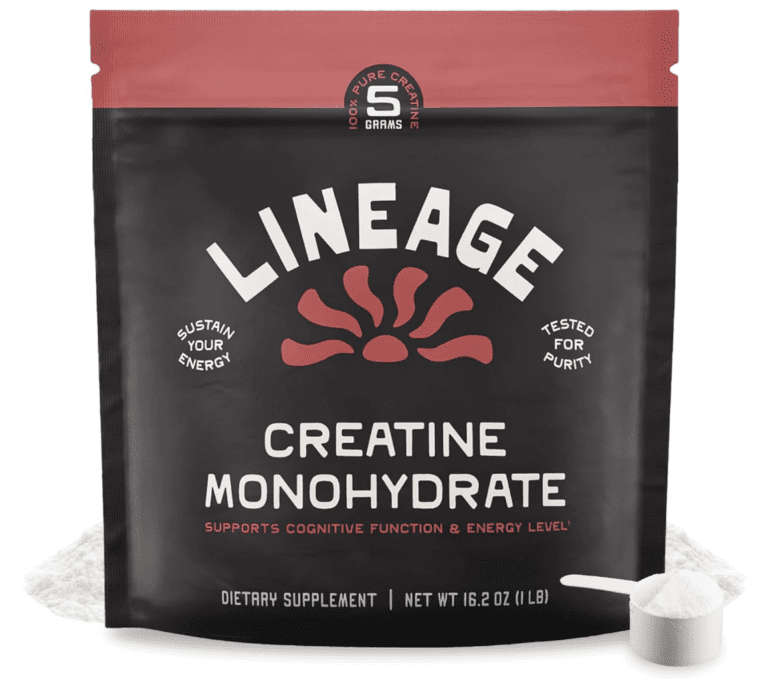
Creatine and beta-alanine are two of the most research-backed performance supplements, and they target different jobs: creatine fuels short, powerful efforts, while beta-alanine raises muscle carnosine to buffer the acid that builds up in longer sets. They are not the same tool, which is exactly why people run them together. We compare and analyze what the research actually supports, what the honest dosing looks like, and whether stacking them earns its place in your routine.
What Each One Actually Does
Creatine tops up the fast-energy system for short, intense bursts; beta-alanine raises carnosine, which buffers the acid that makes longer high-intensity sets burn. Different mechanisms, different jobs. Lumping them together as generic “muscle stuff” misses the point of running both. Here is the clean split.
| Supplement | Main Role | How It Works |
|---|---|---|
| Creatine | Power and strength on short, hard efforts | Refills phosphocreatine, the fast fuel that regenerates ATP between bursts |
| Beta-Alanine | Fatigue resistance on longer high-intensity sets | Raises muscle carnosine, which buffers the hydrogen ions that drive that late-set burn |
The short version: creatine is the one with the deepest evidence base in all of sports nutrition, and beta-alanine is the one that makes your skin tingle and your fifth set hurt a little less. They overlap less than the marketing implies, which is the actual argument for owning both.
“Creatine and beta-alanine work on different clocks. Creatine matters most in the first few seconds of a heavy effort. Beta-alanine matters most a minute or two in, when the acid starts piling up. You are not buying the same benefit twice. You are covering two different points on the fatigue curve.”
— Eugene Thong, CSCS
Why People Stack Them
The case for running both is coverage, not magic: creatine handles the explosive end of effort and beta-alanine handles the fatigue end, so together they span more of a hard training session than either alone. This is a coverage argument, and a reasonable one. It is not the “unstoppable force” the supplement aisle sells, and we will be honest about that in the science section.
- Creatine for the Heavy, Short Stuff: Low-rep strength work, jumps, sprints, the first few seconds of maximal effort. This is creatine’s home turf, and the evidence here is about as solid as supplement science gets.
- Beta-Alanine for the Grind: Sets in the roughly one-to-several-minute range, intervals, repeated hard efforts. This is where carnosine buffering has the clearest rationale.
- Together for the Whole Session: Most real training has both. You squat heavy and you do the brutal rep-out set. One tool each.
What the Science Actually Says (No Inflation)
Both supplements are individually well-supported; the evidence that stacking them produces a true synergy is promising but softer than the marketing claims. Here is the honest read, because overselling this is how a credible stack gets a reputation it does not deserve.
- Creatine, Individually: One of the most studied and reliably effective supplements for strength, power, and high-intensity output. The case here is not in dispute.
- Beta-Alanine, Individually: Roughly 4 weeks at 4-6g daily raises muscle carnosine and, per the ISSN position stand, attenuates neuromuscular fatigue, especially in older trainees and during high-intensity interval work. Strength findings on their own are mixed.
- The Combination: Some studies show added benefits to submaximal endurance markers when both are run together, and one resistance-training study reported both independent and potentially synergistic benefits. But reviews are clear that more research is needed to confirm a true additive effect, and beta-alanine has not consistently moved raw force output.
Translation: you are stacking two things that each work, in the hope that the overlap helps a little more. That is a sound bet. It is not a guarantee of a result neither delivers alone, and anyone telling you it is has not read the reviews.
“I like this stack, but I am honest about why. Creatine earns its spot on the strength of the evidence. Beta-alanine earns its spot for the fatigue buffering. The synergy between them is a maybe, not a headline. Two good tools that each pull their own weight is already a good enough reason to own both. You do not need to invent a third claim.”
— Charles Damiano, B.S. Clinical Nutrition
Dosing and Timing: The Reported Norms
The research commonly uses 3-5g of creatine a day and 4-6g of beta-alanine a day, both taken consistently over weeks, since both work by building up in muscle rather than by acute effect. Neither is a pre-workout stimulant you feel in fifteen minutes. They are saturation plays. Talk to a professional about what fits you, but here is what the literature typically describes.
| Supplement | Commonly Used Daily Amount | Typical Approach |
|---|---|---|
| Creatine | 3-5g | Any time of day, consistency matters more than timing |
| Beta-Alanine | 4-6g | Often split into smaller doses to reduce the tingle |
About That Tingle
Beta-alanine causes a harmless skin-tingling sensation called paresthesia. It is not an allergic reaction, it is not the supplement “working,” and it fades as your body adjusts. Splitting the dose into smaller amounts through the day blunts it. If the pins-and-needles feeling bothers you, that is the fix. If you secretly enjoy it, no judgment, carry on.
- Both Build Up Over Weeks: Creatine saturates in days to a few weeks; beta-alanine’s carnosine build takes around 4 weeks or more. Patience is the active ingredient.
- No Cycling Needed: Neither requires cycling. Both are typically taken continuously.
- Stay Hydrated: Creatine pulls water into muscle, so keep fluids up. Standard advice, still true.
Creatine and Beta-Alanine FAQ
- Can I take creatine and beta-alanine together?
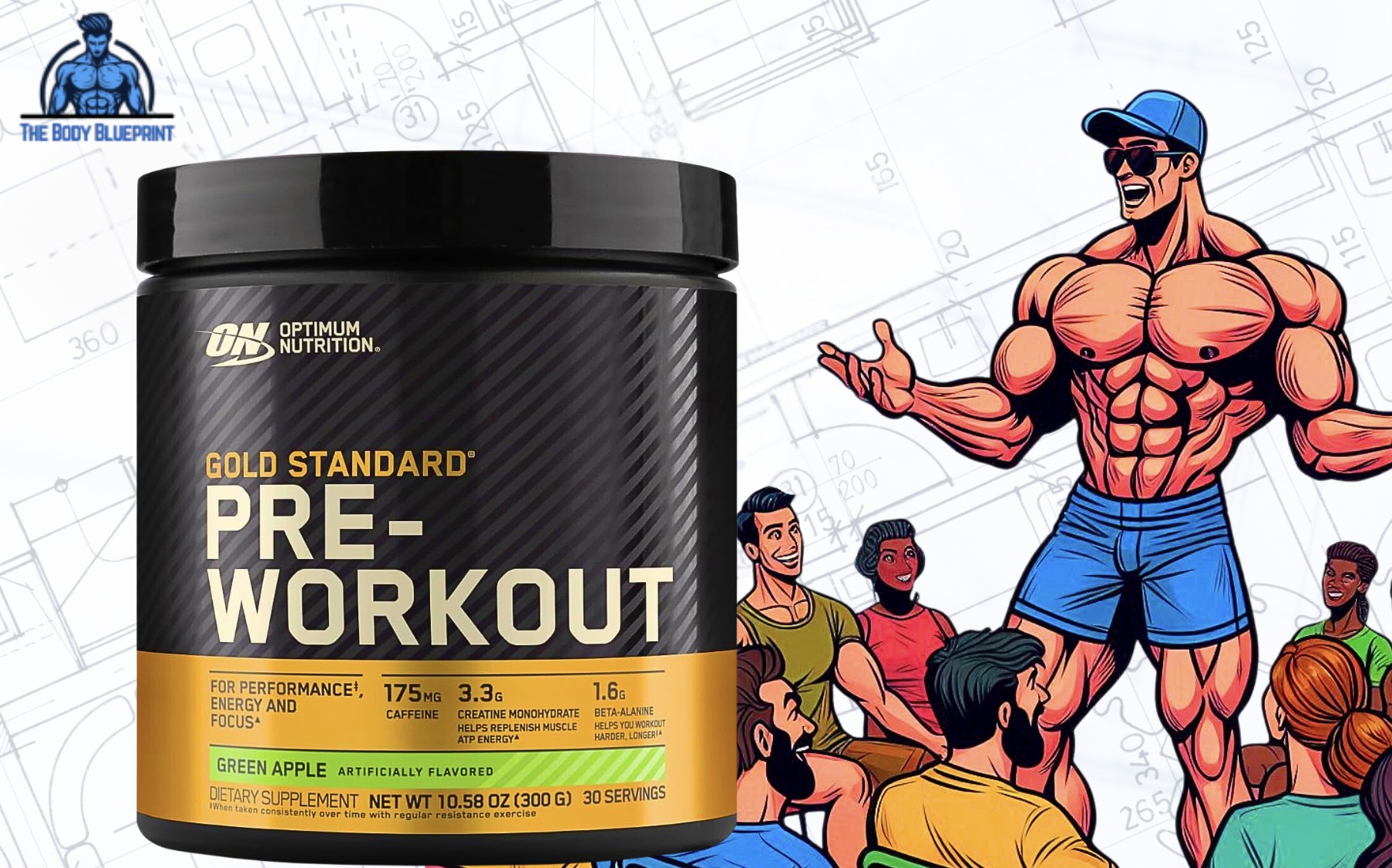
- Yes. They work through different mechanisms and are commonly taken together. Many pre-workouts already combine them. There is no known interaction problem between the two.
- Do I need to cycle them?
- No. Both creatine and beta-alanine are typically taken continuously. There is no established need to cycle off either one.
- Is this stack good for weight loss?
- Not directly. Neither burns fat. They support training quality and help you hold onto muscle while you run a calorie deficit, but the fat loss comes from the deficit and the training, not the powders. Treat any body-composition benefit as indirect.
- Does beta-alanine cause water-weight gain like creatine?
- No. The early scale bump people see is from creatine drawing water into muscle, which is normal and not fat. Beta-alanine does not cause that water shift.
- How long until I notice anything?
- Creatine’s effect tends to show within one to a few weeks as muscle saturates. Beta-alanine takes longer, generally around four weeks or more, since carnosine builds up slowly. The tingle, however, you may notice on day one.
The Bottom Line: A Sound Stack, Honestly Framed
Creatine and beta-alanine are two individually proven supplements that cover different points on the fatigue curve, which is a solid reason to run both even if the “synergy” is more maybe than miracle. Creatine brings elite-tier evidence for strength and power. Beta-alanine brings real fatigue buffering for longer high-intensity work, plus a tingle you will learn to ignore. Stack them because each pulls its own weight, take them consistently for a few weeks, and skip anyone selling it as an overnight transformation. Two good tools beat one. That was always enough of a pitch.
Two Proven Tools, Two Different Jobs.
Creatine for power, beta-alanine for fatigue resistance. Run both, stay consistent, ignore the hype and the tingle.
*Prices and formulas subject to change. Verify on the live listing. General information only, not medical advice.
New to creatine? Our creatine timeline guide covers saturation and loading in depth. Pairing it with a shake? See our post-workout whey breakdown.
The Iron Lexicon: Stack Edition
- Phosphocreatine (PCr)
- The fast-access fuel creatine tops up. It regenerates ATP during short, intense efforts, which is why creatine helps the heaviest, briefest work.
- Carnosine
- The muscle compound beta-alanine raises. It buffers hydrogen ions during hard exercise, delaying the acidic burn that ends a long set.
- Paresthesia
- The harmless skin-tingling from beta-alanine. Not an allergy, not a sign it is working, and reducible by splitting the dose.
- Saturation
- Both supplements work by building up in muscle over time rather than acting acutely. Consistency over weeks is what produces the effect.
- Ergogenic
- Performance-enhancing. Both creatine and beta-alanine are considered ergogenic aids, though the strength of evidence differs between them.