Creatine monohydrate works by raising phosphocreatine stores inside skeletal muscle until the tissue reaches full saturation, and that saturation runs on a fixed timeline, not on how you feel in the gym. Two routes reach the same endpoint: a fast loading protocol or a steady daily dose. This 2026 brief lays out the actual saturation timeline, the loading-versus-maintenance math, and how to tell it is working without watching the scale.
The chemistry comes before the cart. If you want the mechanism and the research base before the buying guide, read our deep dive on creatine benefits, mechanism, and research.
How Long Does Creatine Take to Work? The Saturation Timeline
Phosphocreatine builds up in muscle on a predictable schedule set by your daily dose, not by your motivation. The muscle does not respond to how the workout felt. It responds to how full the tank is. Here is what the research describes happening inside the tissue, stage by stage.
- A short loading protocol raises muscle creatine stores by roughly twenty to forty percent within about seven days. This is the fast route to a full tank. The first thing most people notice is more left in reserve on the final hard reps of a set.
- Muscle reaches full steady-state saturation within about twenty-eight days on a standard daily dose. Cell hydration rises as the tissue fills. Recovery between heavy sets tends to tighten as the reserve tops off.
- Once saturated, creatine supports training that drives adaptation over longer blocks. Early scale movement is mostly fluid volume. Any lasting change in muscle comes from the training the saturation supports, not from the powder alone.
Full saturation is the goal, and both routes arrive at the same place. A loading protocol gets you there in five to seven days. A flat maintenance dose gets you there in about twenty-eight. After one month, the muscle endpoint is identical. The only real variable is how fast you want to fill the tank, and how your stomach handles the speed.
As Charles Damiano, B.S. Clinical Nutrition, notes: “People expect creatine to hit like caffeine. It does not. It is more like bolting a surge tank onto an air line. There is no buzz to feel. You just notice the muscle not choking out on the last rep the way it used to.”
— Charles Damiano, B.S. Clinical Nutrition
The Loading Phase: Faster Saturation or Stomach Ache?
A loading protocol means taking about twenty grams of creatine a day, split into four smaller doses, for five straight days, then dropping to a three-to-five-gram daily maintenance dose. It is purely a speed play. It fills the tank sooner, and that is the entire reason to do it.
The Case For Loading
Loading reaches full saturation in about a week instead of a month. You skip the roughly four-week wait. For anyone who wants the performance change sooner rather than later, that head start is the appeal.
The Case Against Loading
Large single doses can pull water into the gut and cause cramping or loose stools in some people. The fast fill also brings a quicker two-to-five-pound water-weight bump. If scale movement rattles you, the slow route avoids the spike.
Stomach tolerance and patience decide which route fits you. Loading suits the person who wants immediate feedback. Maintenance suits the person who would rather avoid the GI risk and does not mind waiting. The thirty-day endpoint is the same either way. For the full protocol, see our complete guide to creatine loading.
Signs Your Creatine Is Working (Beyond the Scale)
The honest way to judge creatine is by performance markers, not by how you feel, because there is nothing to feel. No jitter, no rush. Here are four objective signs to watch during hard training once the tissue is saturating.
- More in the tank on the final reps. Phosphocreatine regenerates the immediate energy those last reps draw on. You reach reps where you would normally have stalled.
- Faster recovery between sets. The reserve refills quicker, so the rest you need shrinks. Heart rate settles sooner and the next set comes around faster.
- A fuller look to the muscle. Saturation draws water into the fibers. Many people notice a tighter, fuller appearance within the first few weeks.
- Steadier output across repeat efforts. Power holds across multiple sprints or sets instead of dropping off a cliff. The reserve resists the usual late-workout fade.
Saturation reduces fatigue without any stimulant effect at all. It is silent and it is gradual. The markers above are the signal, not a sensation.
As Eugene Thong, CSCS, notes: “The clearest read on whether it is working comes at the back end of a brutal session. The pressure does not drop when you fire off repeated heavy sets. You hold volume with noticeably less perceived effort on the reps that used to break you.”
— Eugene Thong, CSCS
Four Factors That Speed Up or Slow Down Results
Your starting creatine level and your training largely set how fast you saturate. No two people fill the tank at exactly the same rate. Four variables move the timeline.
- Training intensity. Creatine supports hard work; it does not replace it. If the training tension is low, the saturated tissue has nothing to act on. No powder substitutes for effort.
- Taking it with carbs. Co-ingesting creatine with carbohydrates can modestly improve muscle uptake via an insulin response. It is a minor optimization, not a make-or-break. See our creatine timing guide.
- Body size and diet. Larger frames need more total creatine to stay saturated. Vegetarians often see the biggest shift, since a meat-light diet means a lower starting level.
- Powder purity. A clean monohydrate with no filler mixes and dissolves better. Clean sourcing is the spec to check. Brands like Transparent Labs lean on third-party-tested purity.
Top Creatine Picks: Spec Comparison
Every quality monohydrate reaches the same saturation endpoint, so the real differences are purity certification, mixability, and stomach comfort. Time-to-effect is essentially the same across monohydrate powders. We compare and analyze the published specs below.
| Product | Key Spec | Best For | Time to Effect |
|---|---|---|---|
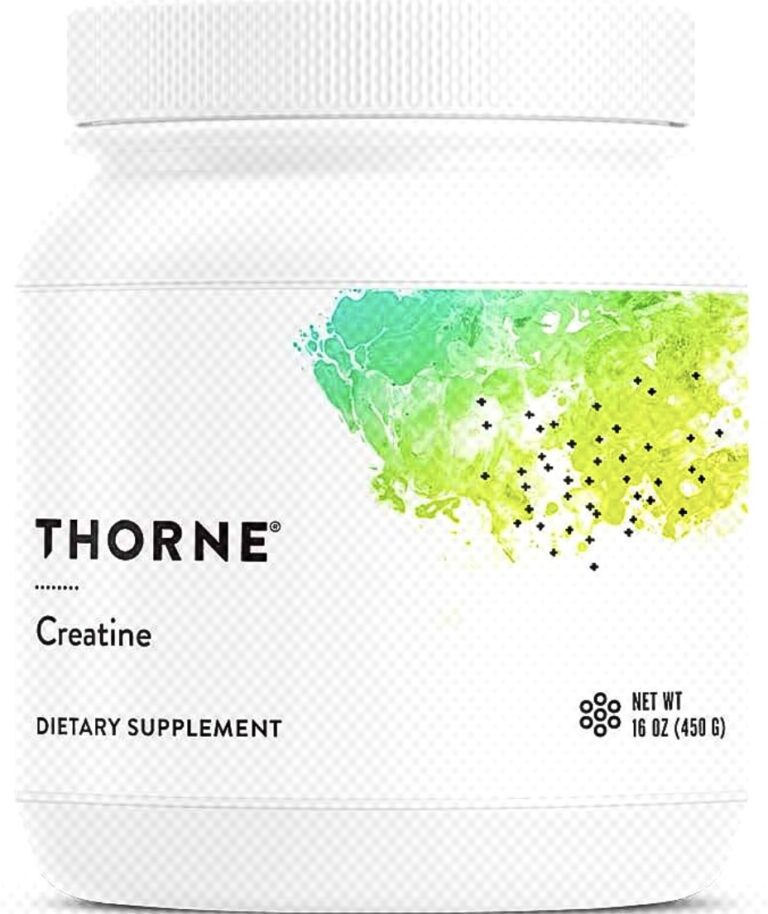
| Thorne Research | Ultra-pure monohydrate, NSF Certified for Sport | Purists and sensitive stomachs | Standard |
| Optimum Nutrition | Fine micronized powder, mixes easily | Reliable value and mixability | Standard |
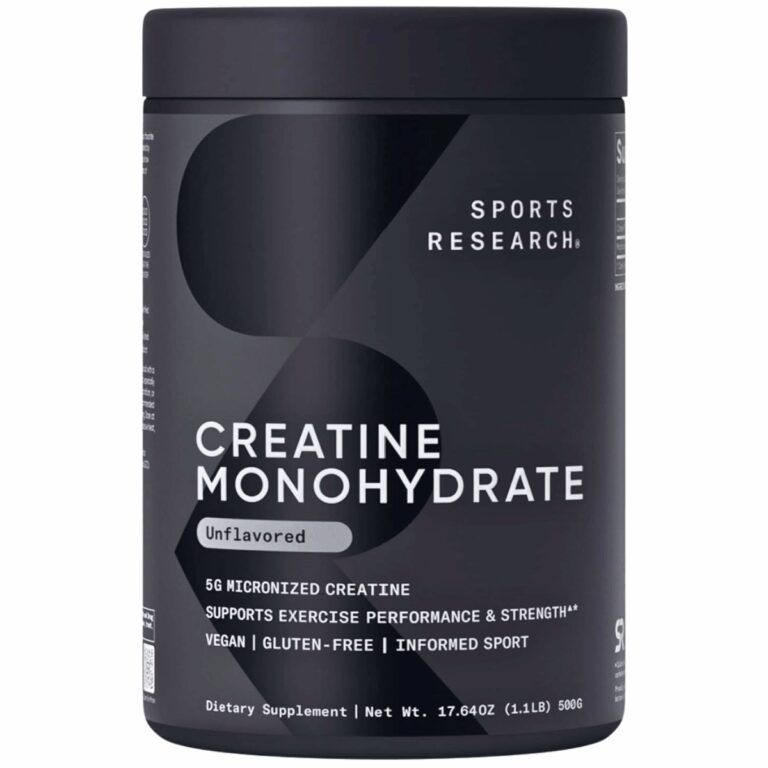
| Sports Research | Certified vegan, Creapure | Vegetarians and label-conscious buyers | Standard |
| MuscleTech Platinum | Widely available, low price per serving | First-time users | Standard |
| Kaged Creatine HCL | Creatine HCL, higher solubility | Those who bloat on monohydrate | Similar despite faster dissolving |
Buy on the data sheet, not the lifestyle branding. For the full field, read our top 5 creatine supplements breakdown or our Optimum Nutrition vs. MuscleTech comparison.
As Charles Damiano, B.S. Clinical Nutrition, notes: “Paying triple for an exotic creatine form is like buying a gold-plated HDMI cable and expecting a sharper picture. Plain monohydrate fills the tank perfectly well. The premium is going to marketing, not to results.”
— Charles Damiano, B.S. Clinical Nutrition
Creatine Timeline FAQ
- How long until creatine actually works?
- Full muscle saturation takes about 28 days on a standard three-to-five-gram daily dose, or about five to seven days with a loading protocol. After a month, both routes reach the same point.
- Do I have to do a loading phase?
- No. Loading only saturates faster. A flat daily dose reaches the identical endpoint in roughly four weeks, and it sidesteps the GI discomfort and water-weight spike that loading can cause.
- Why did I gain weight in the first week?
- That early bump is mostly water drawn into muscle, typically two to five pounds, not fat. It is a normal sign of saturation, not a problem.
- Is an expensive creatine form worth it over monohydrate?
- For most people, no. Creatine monohydrate is the most researched and cost-effective form. Other forms may dissolve faster or sit easier for people who bloat, but the saturation timeline is essentially the same.
- How do I know it is working if I feel nothing?
- You will not feel a stimulant effect. Watch performance instead: more reps before failure, faster recovery between sets, and steadier output late in a workout.
Related Creatine Guides
- Best Creatine for Men: A 2026 Evidence-Based Guide
- Creatine Timing Guide: When to Take It
- Creatine Loading Phase: A Step-by-Step Protocol
- Optimum Nutrition vs. MuscleTech Creatine
- Transparent Labs Creatine HMB Review
The Iron Lexicon: Creatine Edition
- Creatine Saturation
- The point at which muscle phosphocreatine stores are full. This is the prerequisite for the performance and cell-volume effects, and it takes a few weeks to reach.
- Loading Phase
- A high-dose protocol, around twenty grams a day in split doses, used to reach saturation in about a week instead of a month.
- Intracellular Water Retention
- The fluid shift that pulls water into muscle fibers as creatine saturates, expanding cell volume and causing the early scale change without adding fat.
- ATP-PCr System
- The energy pathway that powers short, intense efforts. Phosphocreatine is the fast fuel that regenerates ATP between bursts, which is what creatine tops up.
- Creapure
- A trademarked German-made micronized monohydrate certified to a high purity standard, used by several brands as a clean-sourcing spec.
- Micronized Creatine
- Monohydrate milled into finer particles for better mixing and easier digestion. Same compound, smaller grind.
- Creatine Hydrochloride (HCL)
- Creatine bound to a hydrochloride group for higher solubility. It needs a smaller dose volume to dissolve, but the saturation timeline matches monohydrate.