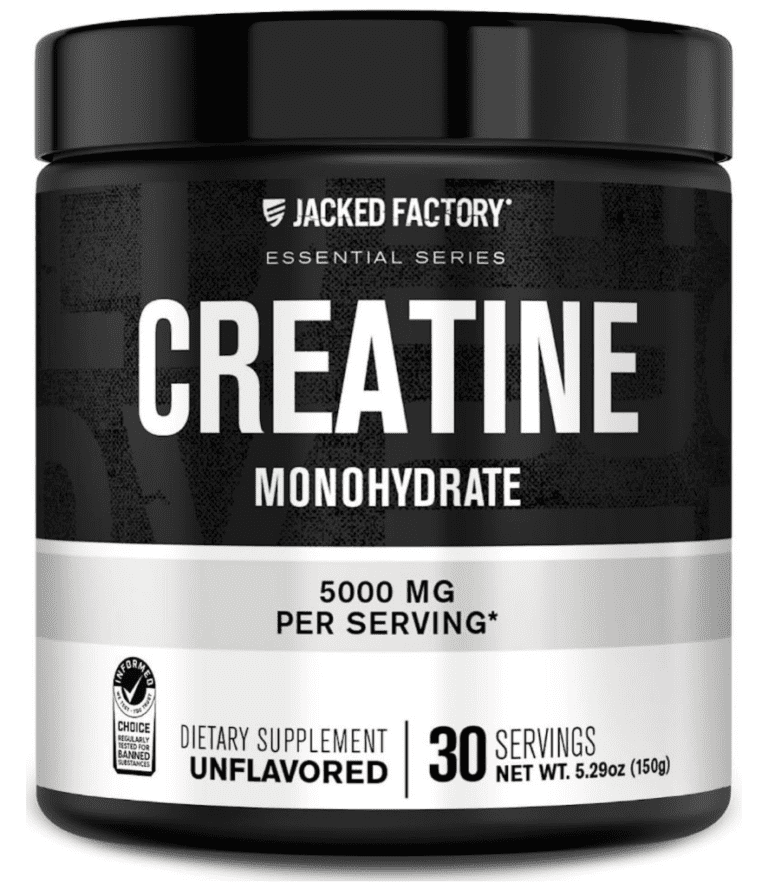
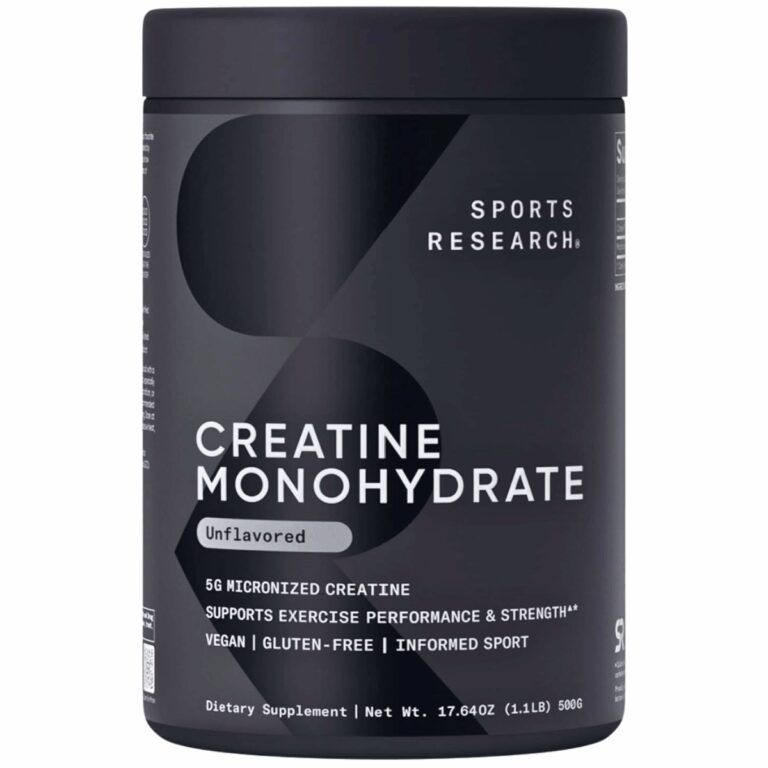
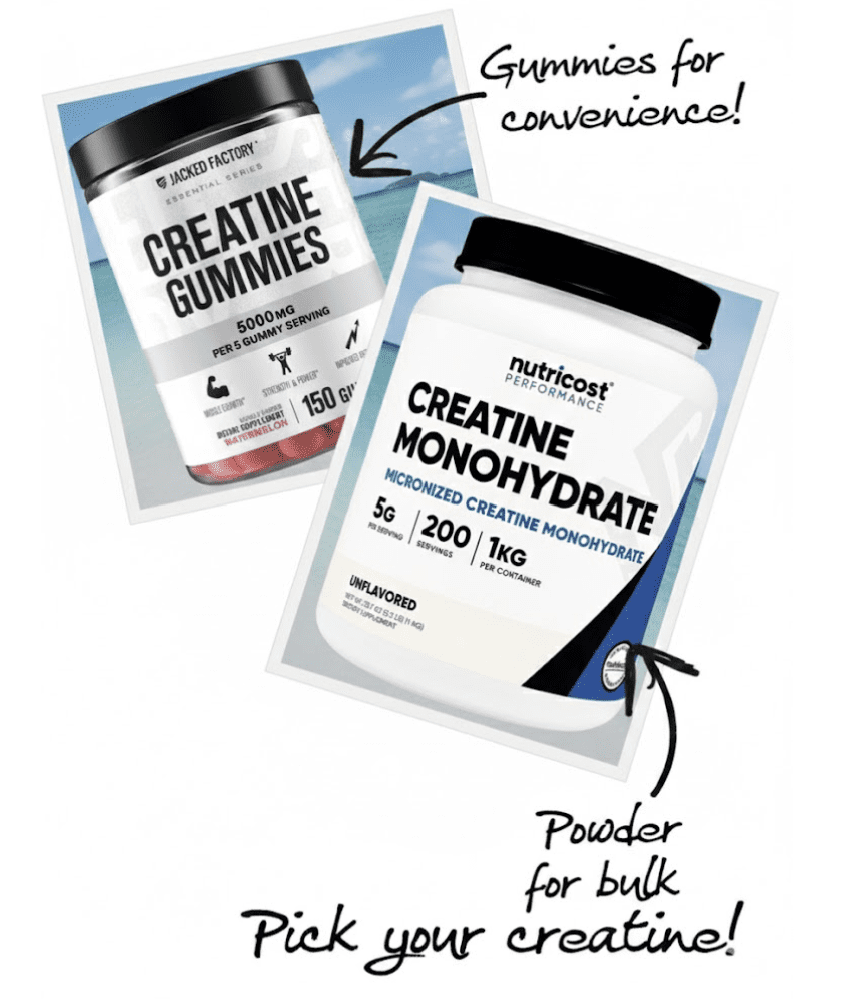
Creatine Gummies and Creatine Powder both deliver creatine monohydrate, the same well-studied form used in most research. The choice is not about which format works. It is cost-per-gram, dosing friction, and whether convenience is worth a large price premium. We compared format, price, and daily practicality to see which one fits different lifters.
Want the basics first? For a primer on creatine and how it is commonly used, read our guide: Creatine: Benefits, Dosage, and Safety.
Form and Dosing: What Actually Differs
Creatine monohydrate is the same ingredient whether it is set in a gummy or stirred into water. The format changes how you take it, not what the ingredient is. Two practical factors decide whether a gummy earns its place in your routine: the form on the label and the dose per serving.
- Form Used: Reputable gummies (Force Factor, Jacked Factory) use creatine monohydrate, the same widely used form found in most powders. Read the label carefully on products using other forms or proprietary blends. We cover the differences in our creatine HMB review.
- Dose Per Serving: This is the first thing to check. A powder scoop is typically 5g. Many gummies need 2 to 4 pieces to reach a comparable serving. Always confirm the per-serving amount on the label.
“For most people the practical question is not chewable versus mixable. It is whether you take a consistent daily serving of creatine monohydrate at all. The format is a convenience decision more than anything else.”
— Editorial commentary, The Body Blueprint
Cost-Per-Serving: The Math
Convenience carries a price, and with creatine the gap between formats is wide. Powder is the value option by a clear margin. Prices below are approximate and change often, so verify current pricing before you buy.
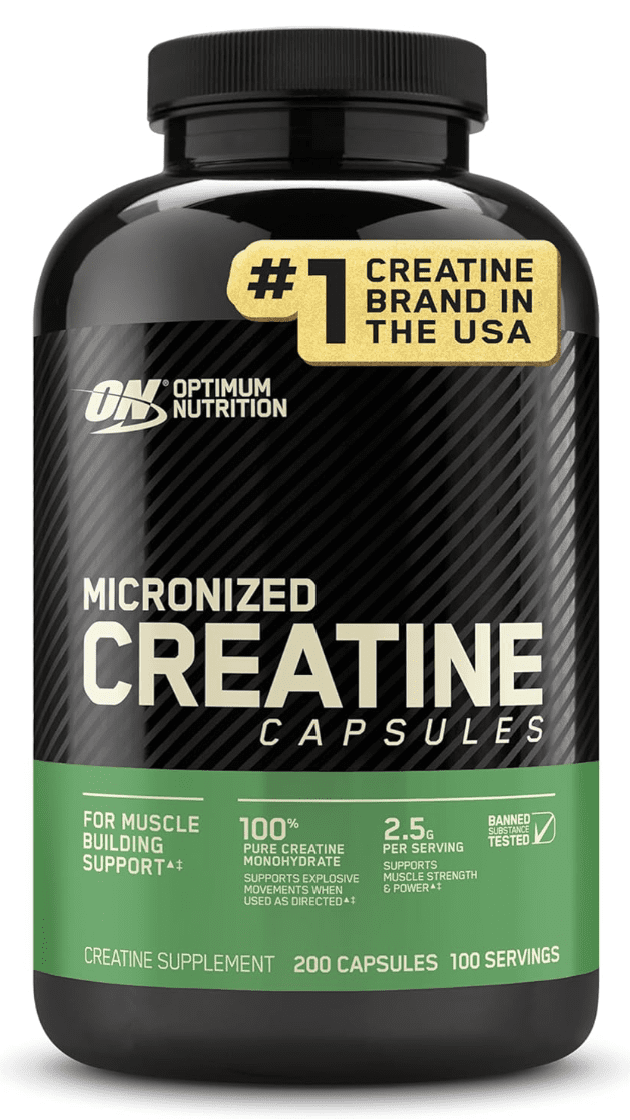
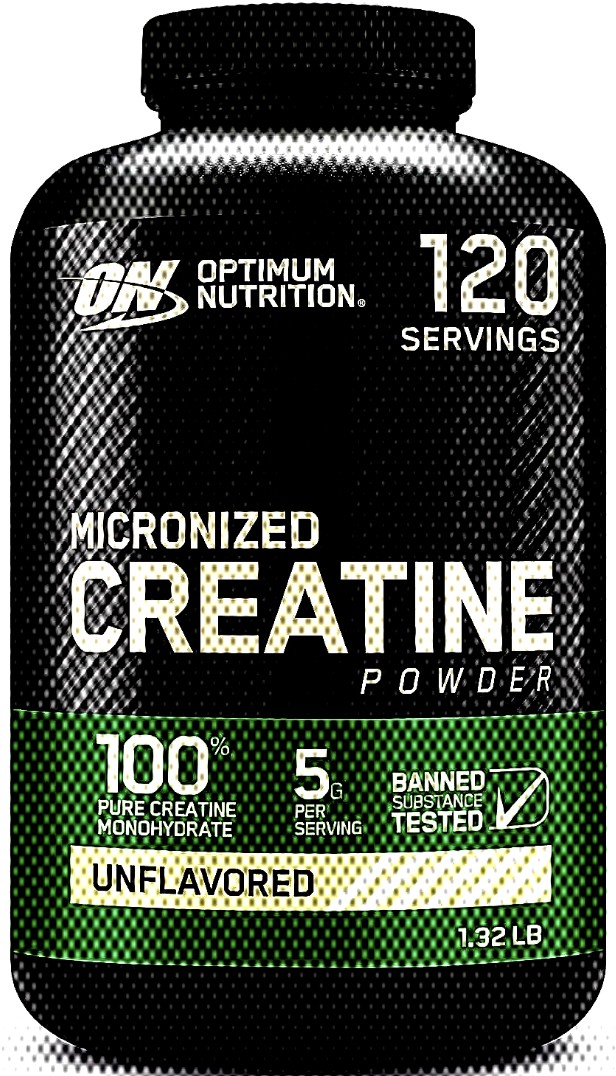
- Powder (Optimum Nutrition Micronized, 120 servings of 5g): roughly $0.08 to $0.12 per 5g serving. No flavor system or per-piece packaging to fund.
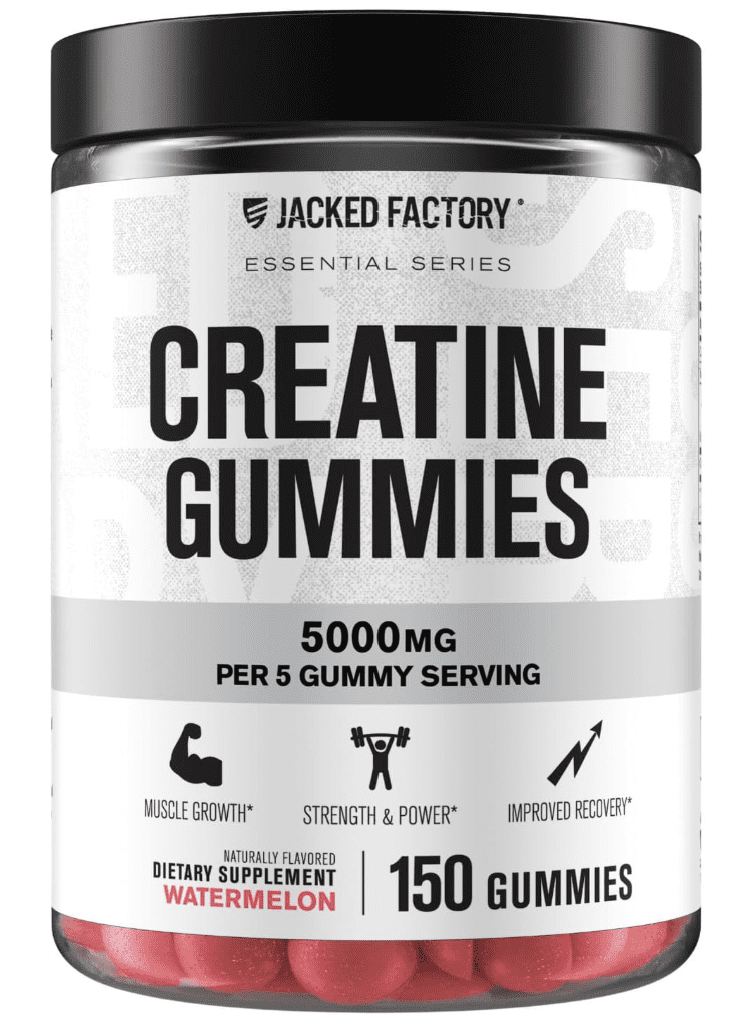
- Gummies (Jacked Factory, 30 servings): roughly $0.50 to $1.00+ per comparable serving. Flavoring, pectin, and packaging cost more to produce.
That works out to a large premium per gram of creatine, often several times the powder cost. If your priority is the most cost-effective way to take creatine, powder is the stronger pick. For a fuller value breakdown, see Top 5 Creatine Supplements for Muscle Gain.
Convenience, Taste and the Friction Factor
Gummies win on friction: no shaker, no clumping, no gritty aftertaste. That is the entire pitch, and it is a real benefit for the right buyer. Powder answers back with flexibility and lower cost.
Gummy Edge
- Zero Prep: No mixing, no water. Take them anywhere.
- Consistent Taste: Avoids the gritty texture some unflavored powders have.
- Travel-Friendly: Spill-proof and easy to pack.
Powder Edge
- Dosing Flexibility: Adjust your serving or combine it with other powders. See our loading phase guide.
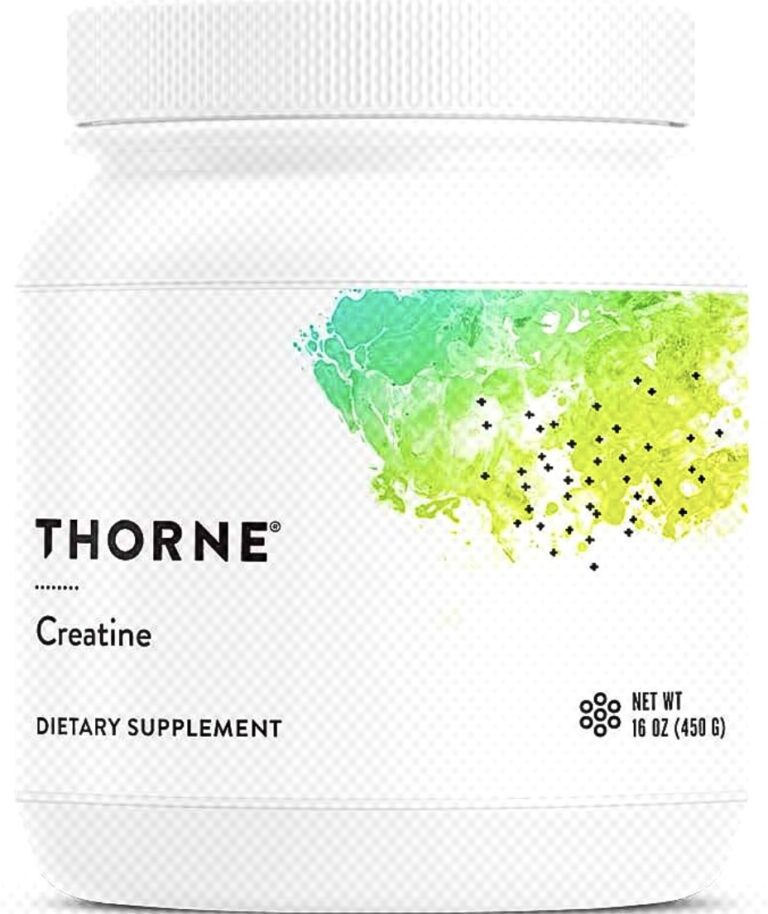
- Flavor Control: Mix into a drink of your choice. A quality micronized creatine like Thorne or Sports Research tends to mix with minimal grit.
“The most useful supplement is the one you actually take on a regular basis. If mixing a powder is the reason you skip days, a gummy’s higher cost may be worth the easier habit. Others prefer the routine of the shaker. Pick what you will stick with.”
— Editorial commentary, The Body Blueprint
Selection Matrix: Gummies or Powder?
Match the format to your priority. One is not right for every lifter.
- The Frequent Traveler: Consider gummies. Spill-proof and easy to pack, if you are willing to pay the premium.
- The Taste-Averse User: Consider gummies. If unflavored powder is a barrier to taking it consistently, palatability may matter more than price.
- The New or Younger Lifter: Consider gummies. Easier to adopt for someone new to supplements, where ease of use supports the habit.
- The Value Optimizer: Consider powder. The most servings per dollar, and a 30-second mix is a minor step.
- The Dose Adjuster: Consider powder. Easier to change serving size or combine with other powders.
- The Simple-Label User: Consider powder. Often just creatine plus an anti-caking agent, without added sugar or flavoring.
Gummies vs Powder: The Honest Trade-off
Neither format is flawless. Gummies sell easier use. Powder sells value and flexibility.
Creatine Gummies (Pros)
- Low Friction: No shaker, no water, no clumps.
- Easy Habit: Palatable format can support consistency.
- Travel-Ready: Spill-proof and portable.
Creatine Gummies (Cons)
- Higher Cost: A notable premium per gram.
- Dose Varies: Often 2 to 4 pieces per serving. Label-dependent.
- Added Ingredients: May include sugar, pectin, and flavoring.
Creatine Powder (Pros)
- Lower Cost: Typically the best price per serving.
- Flexible: Adjust and combine servings easily.
- Simple Label: Often creatine plus an anti-caking agent.
Creatine Powder (Cons)
- Prep Step: Needs water and brief mixing.
- Texture Varies: Cheaper powders can be gritty.
- Spill Risk: Less travel-friendly.
Market Contrast: Top Gummies vs Powders (2026)
Convenience and cost pull in opposite directions. No single product wins every category. Costs are approximate and change frequently.
| Product | Form | Dose/Serving | Core Edge | Est. Cost/Serving |
|---|---|---|---|---|
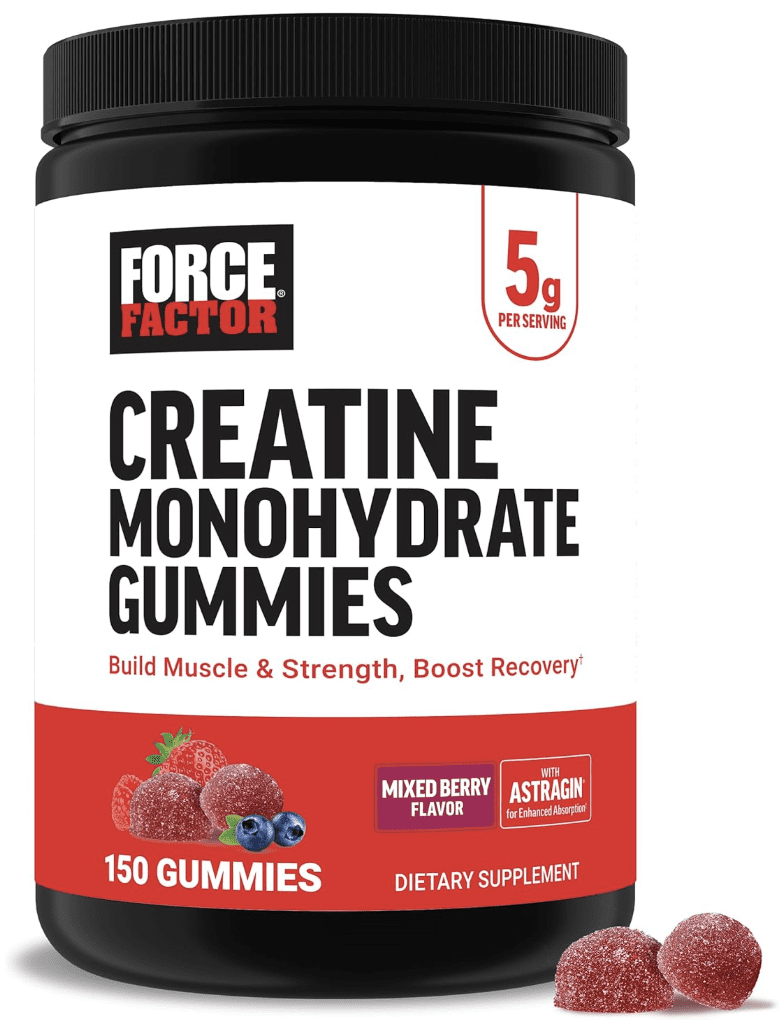
| Force Factor Creatine Gummies | Gummy | Check label | Convenient serving, flavored | ~$0.80 to $1.00 |
| Jacked Factory Creatine Gummies | Gummy | Varies (check label) | Portability, mixed fruit flavors | ~$0.50 to $0.75 |
| Thorne Research Creatine | Powder | 5g Monohydrate | Purity and micronized mixability | ~$0.25 to $0.35 |
| Optimum Nutrition Micronized | Powder | 5g Monohydrate | Value, widely available | ~$0.08 to $0.12 |
| Sports Research Micronized | Powder | 5g Monohydrate | Mixability, third-party tested | ~$0.15 to $0.20 |
For a powder head-to-head, see our Optimum Nutrition vs MuscleTech comparison.
Creatine Gummies vs Powder FAQ
- Do creatine gummies contain the same creatine as powder?
- Reputable gummies use the same creatine monohydrate found in most powders. The main things to check are the form on the label and how many pieces make up a full serving.
- Why are gummies more expensive?
- Flavoring, pectin, and per-piece packaging cost more to produce than a scoopable powder, so gummies typically carry a meaningful premium per gram.
- How many gummies equal one scoop of powder?
- It depends on the brand. Some deliver a full serving in one piece, others need 2 to 4 gummies. Always check the label.
- Which is better for a loading phase?
- Powder is usually more practical for a loading phase because larger daily amounts get costly and cumbersome with gummies. Follow label directions and consult a professional.
The Final Verdict
For most lifters, creatine powder is the more economical and flexible choice. It usually costs far less per serving and lets you adjust or combine servings. Gummies still have a real niche. Frequent travel, a strong dislike of powder, or being new to supplements are all cases where an easier format may be worth the premium. Whichever you pick, choose a reputable brand, confirm the serving on the label, and follow directions. Consistency matters more than format. See more on what to expect and general creatine information.
Verdict: Powder for Value, Gummies for Convenience
Powder tends to win on cost and flexibility. Gummies win on ease of use. Pick your priority and take it consistently.
Related Creatine and Supplement Guides
- Creatine Timing Guide: When to Take It
- Creatine Loading Phase: Is It Necessary in 2026?
- Top 5 Creatine Supplements for Muscle Gain (Ranked)
- Transparent Labs Creatine HMB Review