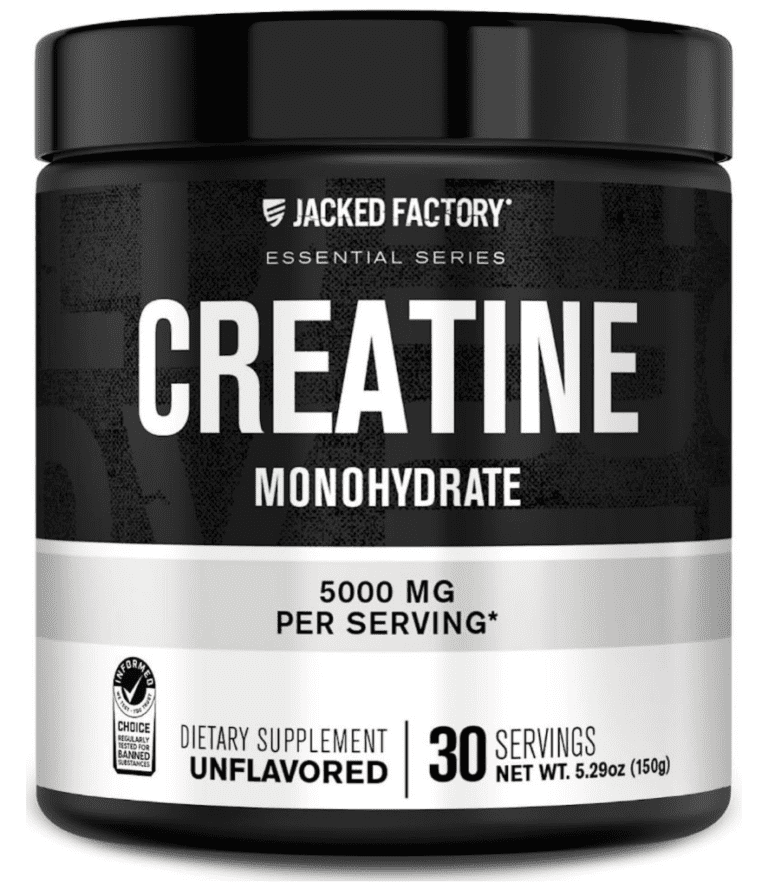
Thorne Creatine delivers 5g of micronized creatine monohydrate per serving, NSF Certified for Sport against 290 banned substances, across a clean 90-serving container with zero fillers, zero artificial additives, and zero proprietary blend concealment. It is the same molecule every creatine product contains. What Thorne adds is the verification infrastructure that generic powders cannot offer. This is our 2026 breakdown of what NSF certification actually means, whether the purity premium is justified, and who should be running this over a budget monohydrate.
The Price: What the Purity Premium Actually Costs
Thorne Creatine typically retails between roughly $36 and roughly $44 for 90 servings, delivering a daily 5g dose at roughly $0.40 to $0.49 per serving. That is two to three times the cost of generic creatine monohydrate powders at equivalent serving counts. The molecule is identical. The verification is not.
Generic monohydrate powders at $15 to $20 for 90 servings are not paying for NSF Certified for Sport testing, four rounds of internal quality testing, or the manufacturing oversight that 100-plus professional sports teams and US national team programs have independently vetted. You are making a decision about what you are willing to trust, not just what you are willing to spend. That is the entire price conversation.
Ingredient Breakdown: One Ingredient, Zero Noise
The entire formula is a single compound: 5g of micronized creatine monohydrate per serving, unflavored, with no fillers, no anti-caking agents, no artificial sweeteners, and no excipients. Vegan. Gluten-free. Keto-compatible. The label says exactly what is in the container. Nothing more.
Micronization reduces creatine particle size to approximately 20 times smaller than standard granular monohydrate. The result is complete dissolution in cold water, elimination of the gritty residue that plagues standard powders, and faster gastric transit to the small intestine where absorption occurs. The underlying phosphocreatine saturation mechanism is identical to any other monohydrate. What micronization changes is the user experience and GI tolerance. Both directly affect daily compliance.
Creatine monohydrate’s mechanism is among the most validated in sports nutrition research. It saturates intramuscular phosphocreatine stores, accelerating ATP resynthesis during high-intensity, anaerobic effort. More available phosphocreatine means more power output sustained across successive sets, faster recovery between explosive efforts, and reduced reliance on glycolysis during the critical first 10 seconds of maximal exertion.
The cognitive dimension is real and often underreported. The brain accounts for roughly 20% of total daily energy demand and maintains its own phosphocreatine pool. Research on creatine supplementation consistently shows support for cognitive processing speed and mental fatigue resistance, particularly in populations under sleep deprivation or high cognitive load. Thorne explicitly positions this product for both muscle and cognitive function support, which the research base justifies.
Purity is the most overlooked variable in creatine supplementation. Most people chase the lowest price-per-serving while ignoring what they cannot see on the label. Thorne’s micronized monohydrate dissolves completely, absorbs cleanly, and carries a certification that actually means something. The molecule is the same. The confidence in what surrounds it is not. — Charles Damiano, B.S. Clinical Nutrition
NSF Certified for Sport: What the Certification Actually Means
NSF Certified for Sport is the most rigorous independent certification available for dietary supplements in competitive athletic contexts. It is the standard trusted by the NFL, NBA, MLB, PGA Tour, and US Olympic and Paralympic programs. It is not a self-declaration. It is not a manufacturer’s claim. It is an independent audit with documented consequences for failure.
Here is what NSF certification actually verifies:
- Banned substance screening against 290 compounds: Every batch is tested against the current WADA and USADA prohibited lists, plus additional substances banned by major sports organizations. This is not a one-time approval. It requires ongoing batch-level testing to maintain the mark.
- Label accuracy verification: The amount of creatine on the label matches what is in the container. Third-party potency testing confirms this independently of the manufacturer’s own quality control.
- Toxicological review of all ingredients: Every component, including inactive excipients, is reviewed for safety at the doses present in the product.
- Manufacturing facility audit: The production facility is inspected for GMP compliance and cross-contamination risk. Facility audits are conducted independently of the manufacturer.
I see athletes spending heavily on pre-workouts while buying the cheapest creatine available. That is a fundamental sequencing error. Creatine is the baseline substrate for phosphocreatine resynthesis. If it is contaminated or underdosed, everything built on top of it is compromised. NSF certification is not a luxury feature. For competitive athletes, it is the minimum acceptable standard. — Eugene Thong, CSCS
Is It Worth It? The Calculation
Thorne Creatine is the correct choice when label accuracy, banned substance clearance, and manufacturing verification are non-negotiable constraints. It is not the correct choice when budget is the primary variable and no competitive drug-testing requirement exists.
Buy It If
- You are a competitive athlete subject to drug testing. NSF Certified for Sport is the minimum acceptable certification standard for any supplement taken during a competitive season. A contaminated generic creatine can end a career. Thorne drops that risk category as close to zero as humanly possible.
- You want verified label accuracy and four rounds of internal quality testing on the product you are taking every single day. The phosphocreatine saturation protocol requires 90 consecutive days of 5g daily dosing to reach and maintain peak muscle stores. Consistency on a verified product compounds differently than consistency on an unverified one.
- You are stacking creatine alongside other precision supplements including micronized fenugreek, KSM-66 ashwagandha, or a clinical-grade multivitamin. Thorne’s purity standard ensures no cross-contamination events disrupt the broader stack.
Skip It If
- You are not subject to drug testing and budget is the limiting factor. Nutricost or similar GMP-manufactured generic micronized monohydrates deliver the identical phosphocreatine saturation outcome at a fraction of the cost. The molecule does not know the brand.
- You are in an early experimentation phase and have not yet confirmed daily creatine compliance over a 12-week period. Establish the habit first on a budget option. Upgrade to Thorne when compliance is locked in and verification becomes the relevant variable.
Thorne Creatine vs. The Field
| Product | Form | Certification | Servings | 2026 Verdict |
|---|---|---|---|---|
| Thorne Creatine | Micronized Monohydrate | NSF Certified for Sport | 90 | The verification standard. Best choice for competitive athletes and precision stackers. |
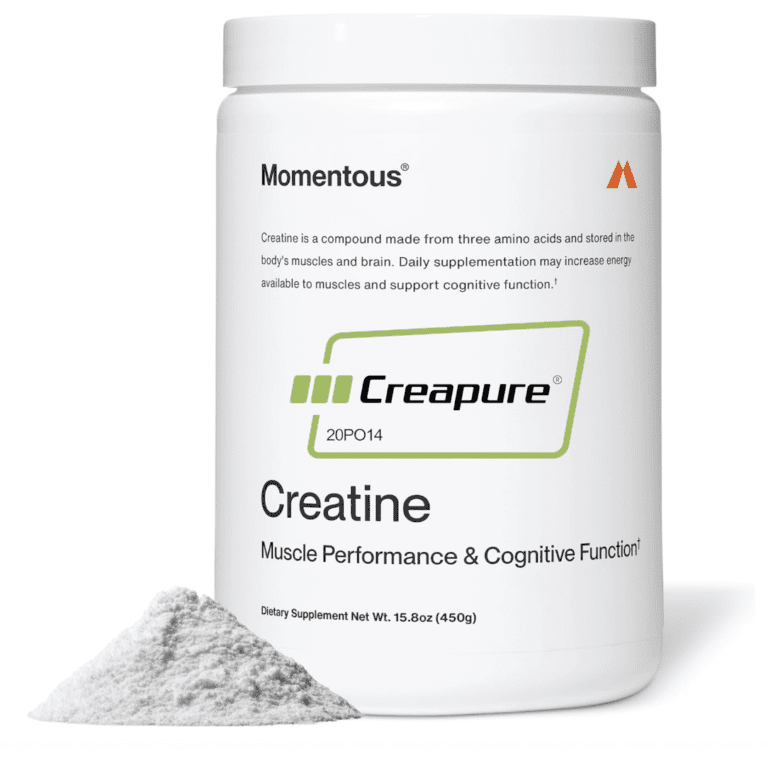
| Momentous Creatine | Micronized Monohydrate | NSF Certified for Sport | 90 | Identical certification tier. Comparable quality. Higher price per serving. Direct competitor. |
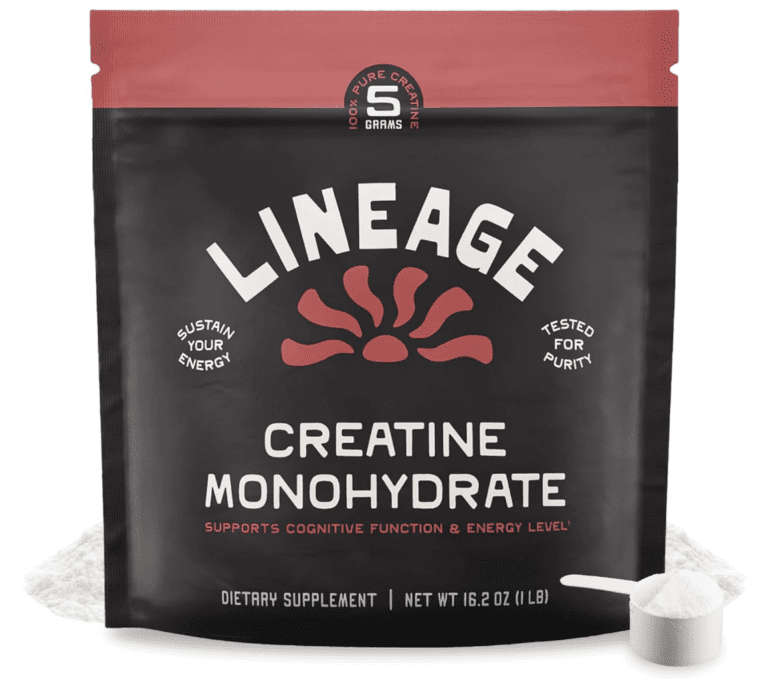
| Nutricost Creatine | Micronized Monohydrate | GMP, independently lab tested per batch | 100+ | Best cost-per-serving. Identical molecule. No NSF sport certification. Right choice for non-tested athletes. |
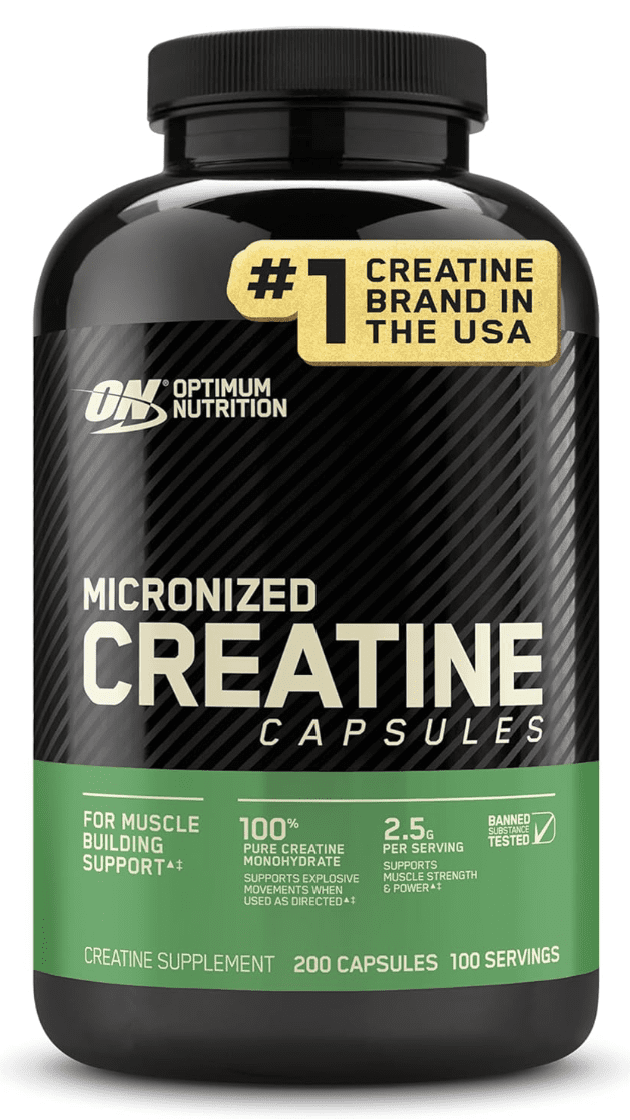
| Generic Standard Monohydrate | Granular Monohydrate | Self-declared | Varies | Lowest cost. No verification. Gritty texture. Adequate for general use if contamination risk is acceptable. |
Creatine monohydrate is a commodity compound. What you are buying with Thorne is not a better molecule. You are buying a paper trail. Four rounds of testing, NSF batch certification, and a manufacturer trusted by US national team programs. For the recreational lifter, that paper trail is optional. For the competitive athlete, it is the only thing standing between a clean result and a career-ending positive test. — Eugene Thong, CSCS
The Bottom Line
Thorne Creatine is not a better creatine molecule than what you find in a generic powder at a fraction of the price. It is the same 5g of micronized creatine monohydrate, verified four times over, certified by NSF against 290 banned substances, and trusted by the most scrutinized athletes on earth. The molecule is a commodity. The verification is not.
If you are a competitive athlete subject to drug testing, the NSF Certified for Sport standard is the minimum acceptable bar for anything you put in your body. Thorne clears it cleanly. If you are a recreational lifter with no testing requirement and a limited supplement budget, a verified GMP-manufactured generic delivers the identical phosphocreatine saturation outcome at significantly lower cost. Neither answer is wrong. They serve different risk profiles.
Know your risk profile. Choose accordingly.
Verdict: Same Molecule. Verified Four Times. Zero Compromise.
5g micronized creatine monohydrate. NSF Certified for Sport. 90 servings. Zero fillers. The standard for competitive athletes who cannot afford to guess.
*Prices subject to change. Verified 2026 clinical review.