Creatine monohydrate, Creapure-certified powders, and creatine hydrochloride all share the same active molecule yet diverge sharply on raw material provenance, micronization particle size, third-party certification status, and cost per gram of actual creatine delivered. The front label says “5g of creatine powder.” The Supplement Facts panel and the raw material sourcing tell you whether it is German-sourced Creapure with 99.9%+ purity, a generic bulk raw material, or a highly soluble HCL variant with a different dosing ratio. We pulled the actual spec sheets on five top-selling creatine products to show exactly what you are buying per scoop and what you are paying per gram of pure creatine.
Spec Sheet Comparison: Five Top Creatine Products (2026)
All five products deliver pure creatine as the sole active ingredient, but diverge sharply on raw material source (Creapure German vs. generic vs. HCL), micronization processing, third-party certification (NSF, Informed Sport, or none disclosed), and cost per gram of actual creatine. The differences are in the raw material provenance, the particle processing, and the certification overhead. Here is exactly what each label tells you.
| Spec | Thorne Research | Optimum Nutrition | Sports Research | MuscleTech Platinum | Kaged C-HCL |
|---|---|---|---|---|---|
| Creatine Form | Monohydrate | Monohydrate | Monohydrate | Monohydrate | Hydrochloride |
| Source / Raw Material | Creapure (Germany, AlzChem) | Not disclosed on label | Not disclosed (third-party tested) | Creapure (Germany, AlzChem) | Patent-pending HCL process |
| Purity Spec | 99.9%+ (Creapure) | 99%+ (manufacturer claim) | 99%+ (manufacturer claim) | 99.9%+ (Creapure) | 99%+ (HCL) |
| Micronized | Yes | Yes | Yes | Yes | N/A (HCL inherently soluble) |
| Third-Party Certification | NSF Certified for Sport (label claim) | Informed Sport (select lots) | Third-party tested, Kosher, vegan, non-GMO | Third-party tested (non-certified) | Third-party tested (non-certified) |
| Packaged Creatine per Serving | 5g | 5g | 5g | 5g | ~1.5g |
| Approx. Pure Creatine per Serving | ~4.5g | ~4.5g | ~4.5g | ~4.5g | ~1.3g (higher creatine density) |
| Solubility | High (micronized) | High (micronized) | High (micronized) | High (micronized) | Extremely high (HCL) |
| Relative Cost per Gram of Pure Creatine | Highest (mono) | Lowest | Moderate | Low-Moderate | Highest overall |
Creatine content per serving is listed on the Supplement Facts panel. The serving size (scoop) may vary by product. A 5g scoop of creatine monohydrate delivers approximately 4.5g of pure creatine. The remaining ~10% is the water molecule in the monohydrate bond. HCL delivers more creatine per gram of powder due to the hydrochloride bond, but the label serving size is typically smaller (1-2g). Always compare the pure creatine content per serving, not the powder weight per scoop.
A 5g scoop of creatine monohydrate is like a protein bar that says “50g” on the wrapper but lists 45g of actual protein in the fine print. The monohydrate bond includes one water molecule per creatine molecule. You are paying for 5g of powder. You are getting roughly 4.5g of actual creatine. That is not a defect. That is the chemistry of the monohydrate bond. HCL sidesteps this entirely but the cost per milligram of actual creatine is substantially higher. Pick your trade-off.
Label Deep Dive: What Each Creatine Product’s Spec Sheet Tells You
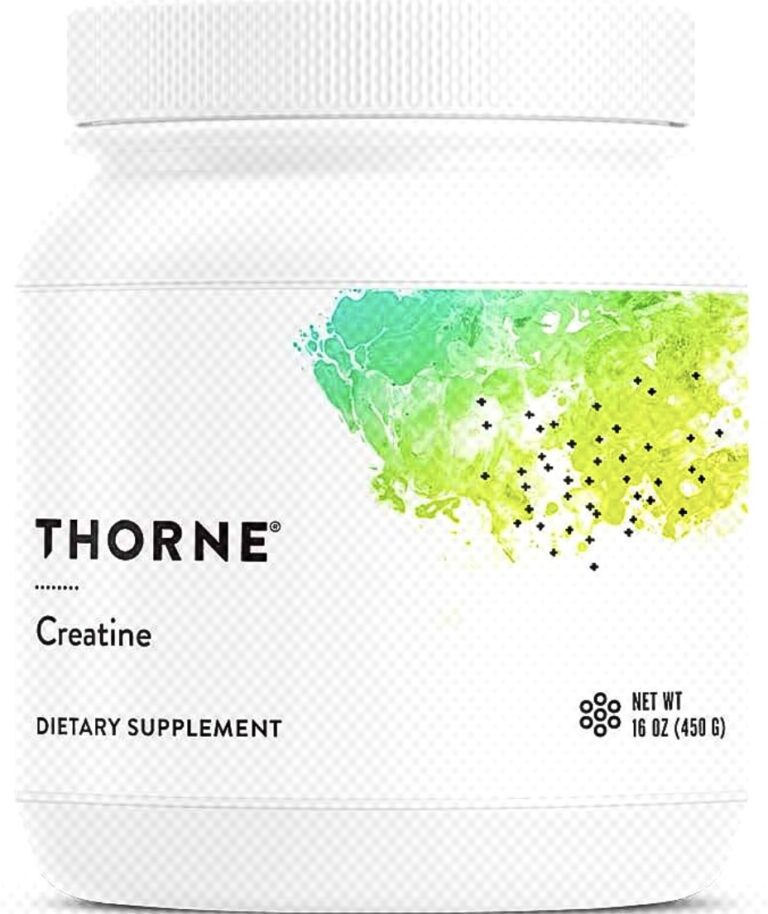
Thorne Research Creatine uses German-sourced Creapure creatine monohydrate at 5g per serving, carries NSF Certified for Sport on its label, and is micronized for improved mixability. The Creapure raw material is manufactured by AlzChem Trostberg GmbH in Germany with a guaranteed purity of 99.9%+, with no detectable dicyandiamide or heavy metals. The NSF certification mark on the label indicates the product has been audited by NSF International for label accuracy and banned substance screening relative to sport use. The micronization reduces particle size for faster dissolution in liquid. This is the only product in this five-pick lineup carrying a sport-level certification mark on its labeling. The trade-off is the highest cost per gram of creatine among the monohydrate options here.
- Creatine per Serving: 5g monohydrate (~4.5g pure creatine)
- Source: Creapure (Germany, AlzChem), 99.9%+ purity
- Certification: NSF Certified for Sport (verify on current label)
- Processing: Micronized
- Cost Position: Highest per gram among monohydrate options
- Best For: Athletes subject to drug testing, purity-conscious buyers
Optimum Nutrition Micronized Creatine delivers 5g of micronized monohydrate per serving with a decades-long manufacturing track record and the lowest cost per gram of the five products. The raw material sourcing is not disclosed on the label. The brand is owned by Glanbia, a major nutrition company. Select production lots carry Informed Sport certification, though not every bottle carries the mark. The micronization is well-executed, producing a fine powder that dissolves quickly with minimal grit. This is the value benchmark. The spec-to-dollar ratio is unmatched among the five.
- Creatine per Serving: 5g monohydrate (~4.5g pure creatine)
- Source: Not disclosed on label
- Certification: Informed Sport (select lots; verify on current label)
- Processing: Micronized
- Cost Position: Lowest per gram among all five
- Best For: Most lifters optimizing for cost per gram
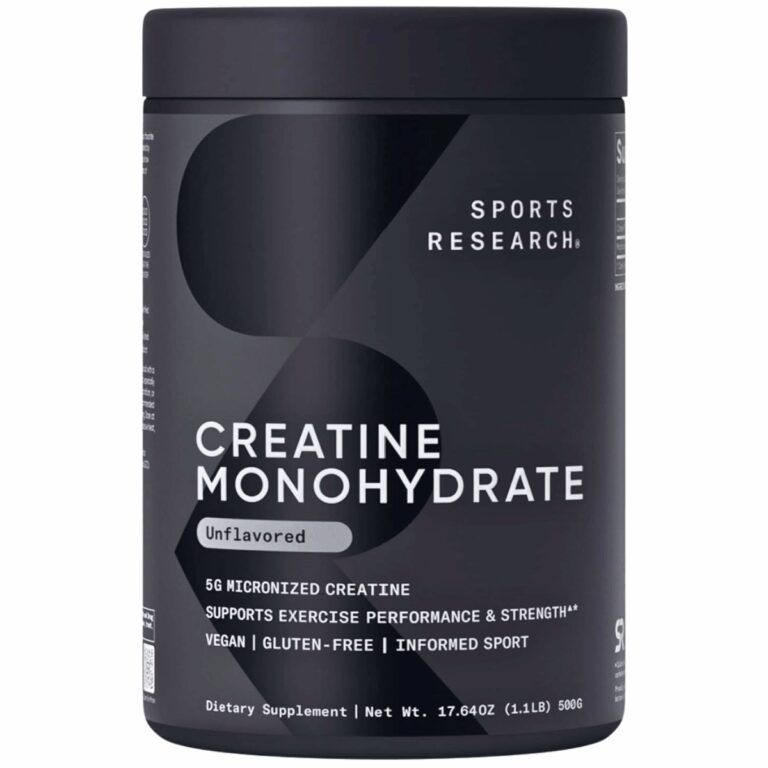
Sports Research Micronized Creatine provides 5g per serving with third-party tested purity, Kosher, vegan, and non-GMO certifications on the label. The brand discloses third-party testing without specifying the certification body. The powder is micronized for mixability. The non-GMO, vegan, and Kosher certifications are printed on the bottle, which matters for buyers with those dietary or ethical requirements. The raw material source is not identified as Creapure. This is the clean-label pick. The certifications are dietary and ethical, not sport-performance audit marks.
- Creatine per Serving: 5g monohydrate (~4.5g pure creatine)
- Source: Not disclosed (third-party tested)
- Certification: Third-party tested, Kosher, vegan, non-GMO
- Processing: Micronized
- Cost Position: Moderate per gram
- Best For: Clean-label buyers, dietary restriction compliance
MuscleTech Platinum 100% Creatine uses Creapure German-sourced raw material at 5g per serving with micronized processing and broad big-box retail distribution. Same Creapure source as Thorne, produced by AlzChem in Germany with 99.9%+ purity. The micronization is standard-grade. The brand is distributed in Walmart, Target, GNC, and other major retailers, making it the most accessible Creapure product for in-person purchase. The spec sheet says Creapure inside, which is the same raw material as Thorne. What you lose is the NSF sport certification. What you gain is retail availability at a lower price point.
- Creatine per Serving: 5g monohydrate (~4.5g pure creatine)
- Source: Creapure (Germany, AlzChem), 99.9%+ purity
- Certification: Third-party tested (non-certified)
- Processing: Micronized
- Cost Position: Low-Moderate per gram
- Best For: Big-box shoppers wanting Creapure without the premium price
Kaged Creatine HCL uses creatine hydrochloride at approximately 1.5g per serving, with significantly higher solubility than monohydrate and a different dosing ratio. HCL bonds creatine to a hydrochloride group rather than water, producing a molecule with approximately 10-15x higher water solubility than standard monohydrate. The label recommends one scoop (approximately 1.5g) per serving, compared to 5g for monohydrate. The cost per gram of actual creatine is higher than any monohydrate option here. This is the solubility-first pick. If standard monohydrate causes gastrointestinal discomfort or you want the smallest scoop volume, the spec sheet points here.
- Creatine per Serving: ~1.5g HCL (higher creatine density than monohydrate)
- Source: Patent-pending HCL production process
- Certification: Third-party tested (non-certified)
- Processing: N/A (HCL inherently soluble)
- Cost Position: Highest per gram of pure creatine
- Best For: Users with monohydrate GI sensitivity, max solubility seekers
Creatine Monohydrate vs. HCL: The Structural Difference in the Bottle
Both creatine monohydrate and creatine hydrochloride deliver the same active creatine molecule, but the bonding agent, solubility profile, and serving size differ by spec, not by marketing. Monohydrate binds creatine to a water molecule. HCL binds it to a hydrochloride group. This is a structural chemistry difference visible on the ingredient panel under the listed form.
- Bonding Agent: Monohydrate uses water (H2O). HCL uses hydrochloric acid (HCl). Listed on the ingredient panel as “Creatine Monohydrate” or “Creatine Hydrochloride.”
- Solubility: HCL is approximately 10-15x more soluble in water than monohydrate. Less settling and grit in a shaker bottle. Micronized monohydrate is still adequately soluble for practical use.
- Label Serving Size: Monohydrate is dosed at 5g per serving (~4.5g pure creatine). HCL is typically dosed at 1-2g per serving. The smaller serving reflects the higher solubility and different molecular weight, not a potency difference in the creatine itself.
- Cost per Gram of Pure Creatine: Monohydrate costs less per gram of actual creatine. HCL costs more because the production process is more complex and the brand positioning is premium.
- Gastrointestinal Tolerance: Some users report less bloating and stomach discomfort with HCL. This is an individual tolerance variable, not a universal spec sheet advantage. The majority of users tolerate monohydrate without issue.
The 2026 Dosing Protocol: 3-5g Daily, No Mandatory Loading Phase
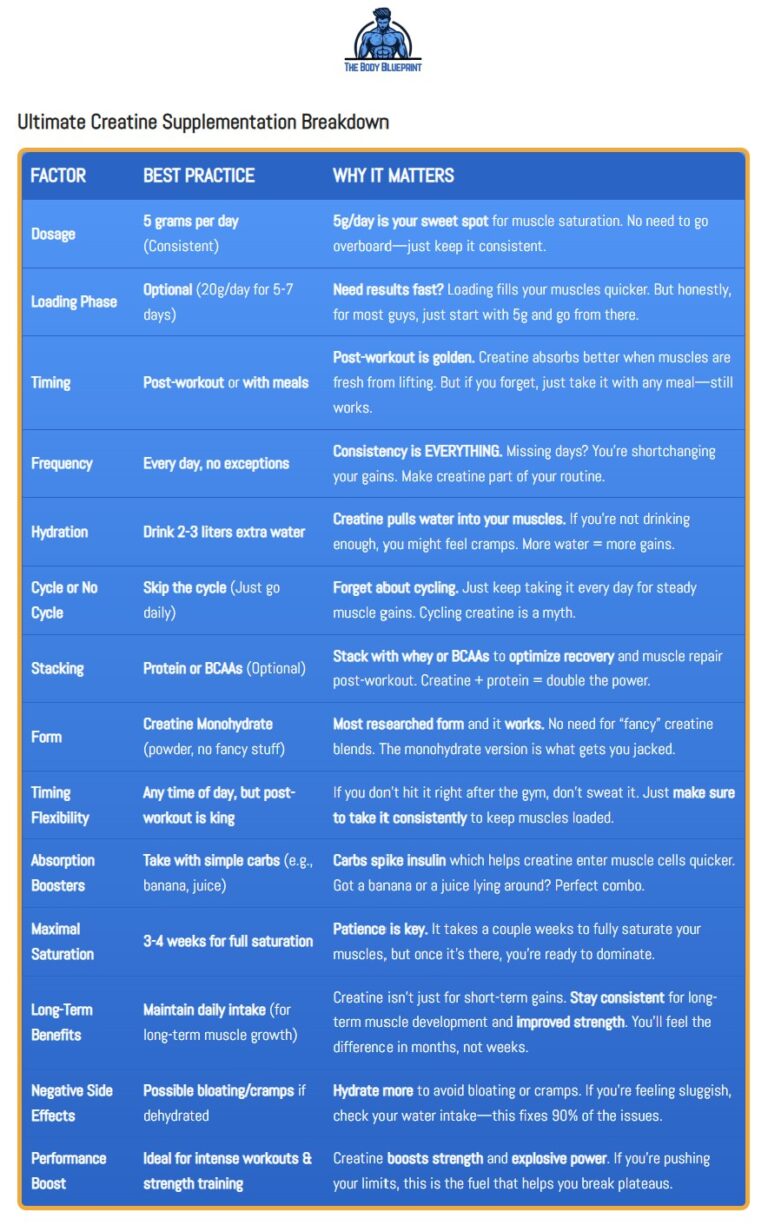
The standard dosing protocol for creatine monohydrate is 3-5 grams per day taken consistently, with no mandatory loading phase required by the label or the spec sheet. The old 20g/day loading protocol is optional. Here is the spec-based dosing breakdown.
Standard Daily Protocol
- Dose: 3-5g of creatine monohydrate (or 1-2g of creatine HCL, per the specific label instructions on the bottle).
- Timing: The label does not specify a narrow window. Consistency across days matters more than proximity to training. For routine integration strategies, see our creatine timing guide.
- Frequency: Daily intake on both training and rest days maintains saturated muscle stores. Skipping days extends the ramp-up period.
Loading: Optional Per the Spec Sheet
Option A (Slow Saturation): 3-5g daily. The label does not require more.
Option B (Loading): 20g daily (split into 4 doses of 5g) for 5-7 days, then 3-5g daily maintenance. Saturates approximately 2 weeks faster. Some users report minor gastric discomfort during the loading window. For a full breakdown, read the definitive creatine loading protocol guide.
Results Timeline
Strength and muscle fullness are subjective outcome variables that vary by individual. For a realistic timeline perspective, read how long creatine takes to work. For stacking considerations with other performance ingredients, see the creatine and beta-alanine stack guide.
Who Each Creatine Fits, Based on the Spec Sheet
Match the product specs to your buying criteria. All five deliver pure creatine. The differentiators are certification status, raw material provenance, micronization quality, cost per gram, and form (monohydrate vs. HCL).
- The Tested Athlete: Thorne Research Creatine carries NSF Certified for Sport on its label, the only product in this lineup with a sport-level certification mark on every bottle. If banned substance screening is a non-negotiable variable, the spec sheet points here.
- The Value Optimizer: Optimum Nutrition Micronized Creatine delivers the lowest cost per gram of pure creatine among all five products. The micronization is effective. The brand has decades of manufacturing history. If dollar-per-gram is the primary variable, this is the pick.
- The Clean-Label Buyer: Sports Research Micronized Creatine carries Kosher, vegan, and non-GMO certifications alongside third-party testing. If dietary certification requirements shape your purchasing decision, the label tells you what you need.
- The Creapure Shopper at Retail: MuscleTech Platinum Creatine uses the same German-sourced Creapure raw material as Thorne at a lower price point. You get the 99.9%+ purity spec without the NSF certification overhead. Available at most big-box retailers for in-person purchase.
- The Solubility-First or Sensitive-Stomach Buyer: Kaged Creatine HCL offers extremely high water solubility and a smaller serving size. If monohydrate causes gastrointestinal issues or you want the smallest scoop volume, the HCL spec sheet is the alternative.
- The Cross-Shopper: For a deep-dive review on another premium Creapure option not covered here, read our Momentous Creatine review.
Creatine Pros and Cons: The Spec Sheet, Unspun
The Advantages (Product Specs)
- Multiple Form Options Available: Monohydrate (standard and micronized) and HCL provide choices for different solubility preferences and gastrointestinal tolerance profiles. Both forms deliver the same creatine molecule.
- Creapure Certification Available: German-sourced Creapure (AlzChem) guarantees 99.9%+ purity with no detectable dicyandiamide, dihydrotriazine, or heavy metals. This is a raw-material spec, not a finished-product claim. Visible on the label of brands that use it.
- Sport-Level Certification Options: Thorne carries NSF Certified for Sport. Optimum Nutrition carries Informed Sport on select lots. These are third-party audits for label accuracy and banned substance screening.
- Extremely Low Cost per Serving: Monohydrate (especially Optimum Nutrition) costs pennies per 5g serving. This is the lowest cost per gram of any single-ingredient performance supplement on the shelf.
- Single-Ingredient Label: Creatine is a one-ingredient product. No proprietary blends, no hidden fillers. The ingredient panel lists “Creatine Monohydrate” or “Creatine Hydrochloride” and nothing else.
- No Cycling Required Per Label: No creatine product label recommends cycling on and off. Year-round daily use is the standard protocol printed on the bottle.
The Trade-offs (Product Specs)
- Monohydrate Bond Reduces Pure Creatine Content: 5g of monohydrate powder yields ~4.5g of pure creatine. The water molecule in the monohydrate bond accounts for the ~10% difference. HCL avoids this but costs significantly more per gram.
- Generic Source Risk: Products that do not disclose raw material sourcing may have higher variability in purity and contaminant levels. The label may not tell you where the creatine was manufactured.
- Micronization Quality Not Standardized: Not all “micronized” creatine is ground to the same particle size. Finer powders dissolve faster. The label typically does not disclose the specific micron size.
- HCL Cost Premium: Creatine HCL costs more per gram of pure creatine than monohydrate. The solubility advantage is real, but the cost differential is substantial on a per-milligram basis.
- Single-Ingredient Only: Creatine is a standalone supplement. It does not contain beta-alanine, caffeine, electrolytes, or digestive enzymes. Stacking with a whey protein or a pre-workout like C4 is a separate purchase decision.
Creatine FAQ: Label Questions and Common Concerns
- What is the difference between Creapure and generic creatine monohydrate on the label?
- Creapure is a registered trademark for creatine monohydrate manufactured exclusively by AlzChem Trostberg GmbH in Germany with a guaranteed purity of 99.9%+ and no detectable dicyandiamide or heavy metals. Generic creatine may be sourced from manufacturers in China or India with variable purity specs. The difference is raw material provenance and contaminant screening, not the creatine molecule itself. Not all labels disclose the source.
- Does the label tell me if a product is NSF Certified for Sport or Informed Sport certified?
- Yes. Products carrying these certifications display the certification mark on the bottle label or the product listing page. NSF Certified for Sport and Informed Sport are third-party audit programs that test for label accuracy and banned substances. If the mark is not on the label or the listing, the product is not certified, even if the brand has other certified products.
- What does “micronized” mean on a creatine label?
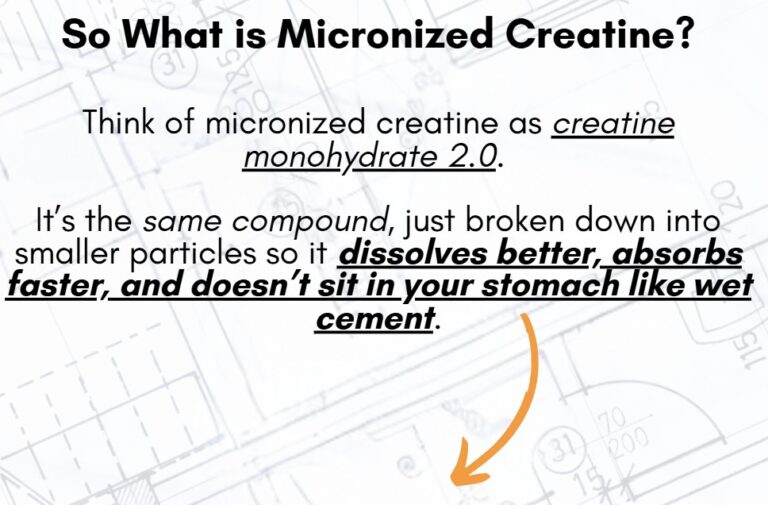
- Micronized refers to a mechanical processing step that reduces creatine monohydrate particles to a smaller size (typically 20-50 microns). Smaller particles dissolve faster in liquid and may reduce the gritty texture. This is a physical processing spec, not a purity or potency claim.
- Is there a difference between 5g of creatine monohydrate and 1.5g of creatine HCL in terms of creatine delivered?
- Yes, in dosing ratio but not in molecule identity. 5g of monohydrate delivers ~4.5g of pure creatine. 1.5g of HCL delivers approximately the same amount of pure creatine due to the higher molecular density of the HCL bond, though the exact equivalence varies by the specific HCL compound used. Always compare the pure creatine content per serving on the Supplement Facts panel, not the powder weight.
- Should I cycle off creatine based on the label instructions?
- No creatine product label recommends cycling. The standard protocol printed on the bottle is daily use. Creatine is not a hormone and the label does not include cycling instructions.
- Does creatine require a loading phase based on manufacturer instructions?
- No. Most creatine monohydrate labels state “take 3-5g daily” without requiring a loading phase. Loading (20g daily for 5-7 days) is an optional protocol to accelerate saturation, not a required specification on the label.
Creatine Final Verdict: Five Products, Same Molecule, Different Spec Priorities
All five products deliver pure creatine as the sole active ingredient. The Thorne Research Creatine leads on NSF Certified for Sport certification and Creapure raw material provenance. The Optimum Nutrition Micronized Creatine leads on cost per gram of pure creatine. The Sports Research Creatine leads on Kosher, vegan, and non-GMO dietary certifications. The MuscleTech Platinum Creatine provides Creapure sourcing at a lower price point with broad retail distribution. The Kaged Creatine HCL offers the highest solubility and smallest serving size for GI-sensitive users. None of the five is defective. All five are different answers to the same question: which spec matters most to the buyer holding the credit card.
Verdict: Five Creatines, Five Spec Priorities
NSF Certified for Sport (Thorne). Best cost per gram (Optimum Nutrition). Clean-label certifications (Sports Research). Creapure at retail price (MuscleTech). Max solubility / sensitive stomach (Kaged HCL). Pick the spec that matches your buying criteria. Always verify the purity source and certification status on the current label before purchase.
*Prices, certification status, raw material sourcing, and formulations subject to change. Verify the Supplement Facts panel and certification marks on the live listing before purchase. Statements have not been evaluated by the Food and Drug Administration. These products are not intended to diagnose, treat, cure, or prevent any disease.
The Iron Lexicon: Creatine Edition
- Creatine Monohydrate
- The standard, most widely studied form of creatine. One molecule of creatine bound to one molecule of water. Approximately 90% creatine by weight. Listed on ingredient panels as “Creatine Monohydrate.”
- Micronized Creatine
- Monohydrate processed into smaller particles (typically 20-50 microns) to improve mixability and reduce settling in liquid. The label will state “micronized” if this processing step has been applied.
- Creapure
- A registered trademark for creatine monohydrate manufactured exclusively by AlzChem Trostberg GmbH in Germany. Guarantees 99.9%+ purity with no detectable dicyandiamide, dihydrotriazine, or heavy metals. Visible on the label or product listing when used.
- Creatine Hydrochloride (HCL)
- Creatine bound to a hydrochloride group rather than water. Significantly higher water solubility than monohydrate. Dosed at lower serving sizes on the label (typically 1-2g). Listed as “Creatine Hydrochloride” on the ingredient panel.
- NSF Certified for Sport
- A third-party certification program from NSF International. Audits supplements for label accuracy and screens for over 280 banned substances. Products carrying this mark display the NSF seal on the label. Distinct from general NSF facility certification.
- Informed Sport
- A third-party certification program that tests supplement products for banned substances. Select lots carry the certification mark. Products without the mark from the same brand may not have been tested.
- Supplement Facts Panel
- The federally mandated nutrition label on dietary supplement packaging. Lists serving size, active ingredients with amounts per serving, and other ingredients. The creatine content per serving is found here. This is where the creatine math lives. The front label may say “5g.” The Supplement Facts panel confirms what is in the scoop.
- Loading Phase
- A short-term, high-dose protocol (20g/day for 5-7 days) used to saturate muscle creatine stores faster than standard daily dosing. Optional per all product labels. Not required by any manufacturer’s dosing instructions.
Related Creatine & Supplement Spec Guides
- Momentous Creatine Monohydrate Review — an additional Creapure-sourced option with third-party testing specs.
- Creatine and Beta-Alanine Stack Guide — pairing protocols for two single-ingredient performance supplements.
- How Long Creatine Takes to Work: A Realistic Timeline — saturation timelines based on dosing protocol.
- Creatine Loading Protocol Guide — the full breakdown of when loading makes sense and when it does not.
- Creatine Timing Guide — does the timing window matter or is consistency the only variable?
- Gold Standard Whey Review — a common stacking protein for a complete post-training spec sheet.
- Sports Research Omega-3 Review — a triglyceride-form fish oil for a different spec profile in the supplement cabinet.