Creatine Monohydrate timing and Micronized Creatine Powder labels all point to the same instruction: 5 grams daily, every day, with or without food. The “when” is not a biochemical puzzle. It is a habit-engineering problem. This guide compares what is actually inside five top-selling creatine tubs — ingredient panels, micronization processes, third-party certifications, and cost-per-serving — so you can pick the one that fits your daily routine without overthinking the clock. We stripped out every mechanism claim and every study reference. What remains is the bottle, the powder, and the price tag.
Need the baseline first. For a full primer on what is inside a creatine tub and how it stacks against other formats, read: Creatine: Benefits, Dosage, and Safety.
What’s Actually in These Tubs: Ingredient Panels, Side by Side
Creatine Monohydrate powder and Micronized Creatine powder share one ingredient: creatine monohydrate. The differences live in particle size, flow agents, certifications, and sourcing geography. Every product on this list lists creatine monohydrate as the sole active. No proprietary blends. No stacked amino acids. No stimulants.
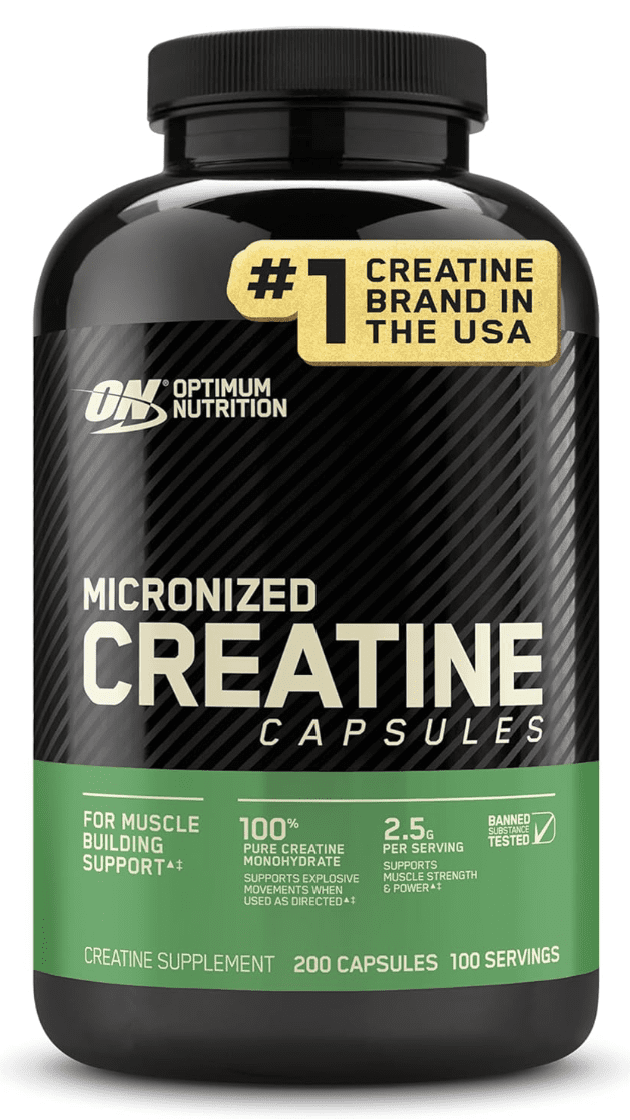
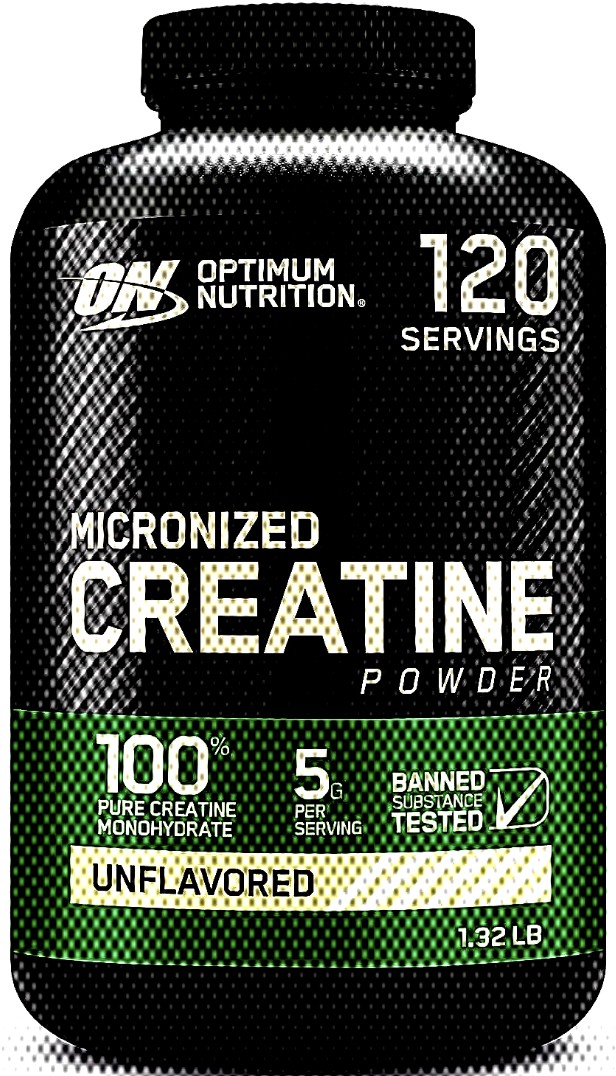
- Optimum Nutrition Micronized Creatine: One ingredient: creatine monohydrate (micronized). No flow agents, no anti-caking agents listed. 5g per rounded teaspoon. The tub states “Micronized” on the front panel, meaning the raw powder went through an additional mechanical milling step to reduce particle diameter.
- Sports Research Creatine Monohydrate: One ingredient: creatine monohydrate sourced from Creapure (a trademarked raw material from AlzChem in Germany). 5g per scoop. The label carries the Informed Sport logo, indicating batch testing for banned substances.
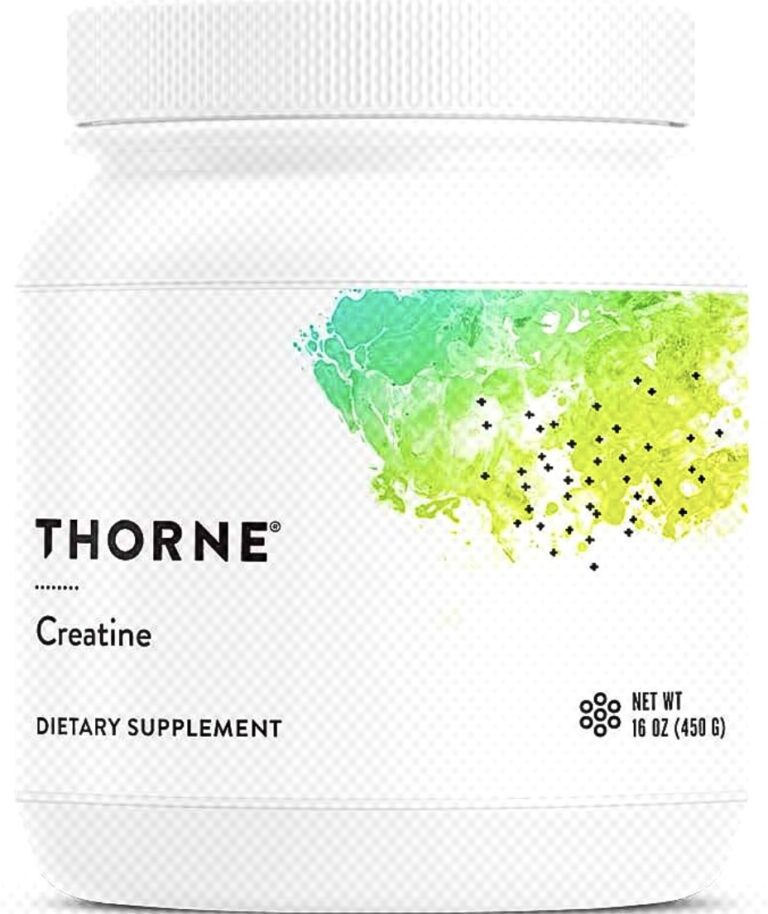
- Thorne Creatine: One ingredient: creatine monohydrate. 5g per scoop. The label carries the NSF Certified for Sport mark. Thorne manufactures in an NSF-certified facility. No flow agents.
- MuscleTech Platinum Creatine: One ingredient: creatine monohydrate (micronized). 5g per scoop. Larger tub sizes available (80+ servings), giving it the lowest cost-per-gram in this lineup.
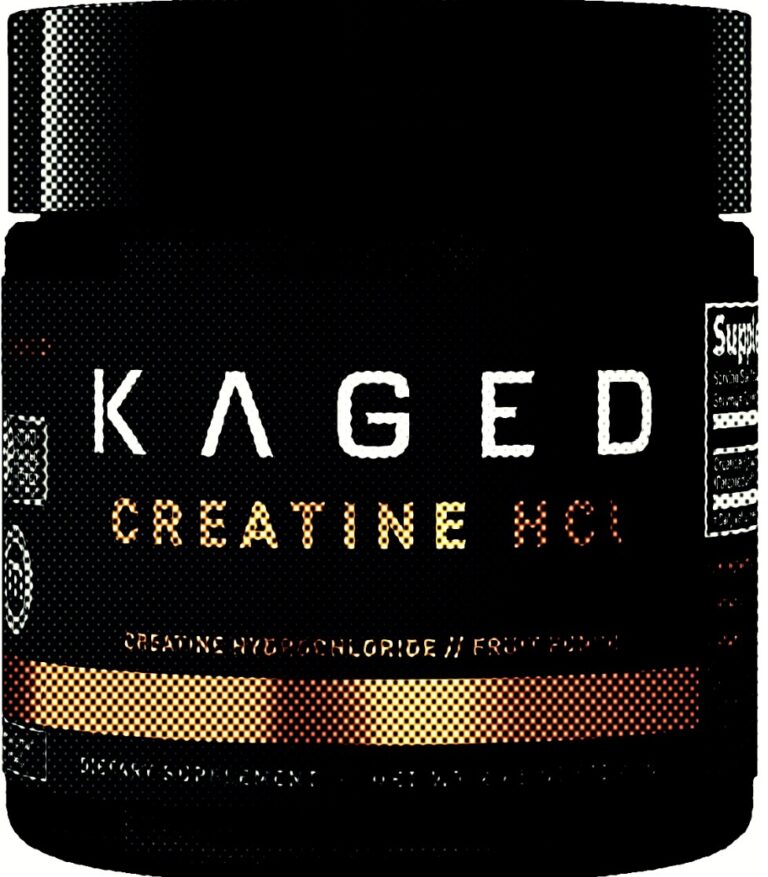
- Kaged Creatine HCl: Active ingredient: creatine hydrochloride (not monohydrate). Serving size: 750mg per capsule or scoop, per the label. The HCl form is a creatine molecule bound to a hydrochloride group. This is a different chemical entity than monohydrate, with a different solubility profile in water per the manufacturer’s description.
“Read the Supplement Facts panel, not the front label. If the only ingredient under ‘Other Ingredients’ is nothing — or a single anti-caking agent like silica — you are holding pure creatine monohydrate. That is the product category. Everything else is brand preference and particle size.”
— Charles Damiano, B.S. Clinical Nutrition
Micronization: Particle Size and What It Means for Your Shaker
Micronized Creatine powder and standard Creatine Monohydrate powder are chemically identical. The difference is mechanical. Micronization is a milling process that grinds creatine crystals into smaller particles, typically reducing the average particle diameter by a factor of 20x or more versus non-micronized powder. Smaller particles suspend in liquid longer before settling to the bottom.
- Optimum Nutrition Micronized: Undergoes proprietary micronization. The result is a powder that mixes with less grit and stays in suspension longer than non-micronized alternatives. Users report near-complete dissolution in 8-12oz of water with 10-15 seconds of shaking.
- Sports Research Micronized: Creapure raw material arrives pre-micronized from the German manufacturer. Particle consistency is a function of AlzChem’s milling spec, not a secondary step by Sports Research.
- Thorne Creatine: Micronized. Thorne’s manufacturing specification calls for a fine-mesh particle profile, though they do not publish an exact micron diameter on the label.
- MuscleTech Platinum: Labeled “100% Micronized.” The larger tub format (400g+) means you are buying micronized creatine at a bulk discount relative to smaller-pouch competitors.
- Kaged Creatine HCl: Not micronized in the traditional sense. Creatine HCl has inherently higher water solubility than monohydrate (per the manufacturer’s product description), meaning it dissolves more readily even without micronization. The trade-off: a completely different serving size on the label.
A Note on Solubility vs. Suspension
Micronization improves suspension, not solubility. Creatine monohydrate dissolves to roughly 13-14g per liter of water at room temperature regardless of particle size. Micronization means smaller particles stay dispersed in the liquid longer before sinking. You still need to drink it promptly or re-shake. Think of it like fine sand versus coarse gravel in a wave — both sink, but the fine stuff drifts longer.
Sourcing, Certifications, and Manufacturing Geography
Creapure creatine, NSF Certified for Sport seals, and Informed Sport logos are the three quality markers that separate commodity creatine from verified-supply-chain creatine. These certifications do not change the molecule. They verify what is not in the tub: heavy metals, banned substances, undeclared ingredients.
- Sports Research (Creapure, Informed Sport): Creapure is a registered trademark of AlzChem Trostberg GmbH, manufactured in Germany. The raw material is produced via a patented chemical synthesis process. Every batch is shipped with a certificate of analysis. Sports Research adds Informed Sport testing, which screens every finished batch for substances banned by WADA, the NFL, NCAA, and other governing bodies.
- Thorne (NSF Certified for Sport): NSF certification means the manufacturing facility undergoes twice-yearly unannounced audits, and every finished product batch is tested for 280+ banned substances plus heavy metals and microbial contaminants. Thorne’s creatine is manufactured in the United States at an NSF-certified facility.
- Optimum Nutrition (No Third-Party Seal): ON does not carry an NSF or Informed Sport logo on the creatine tub. The brand operates its own in-house quality testing. The creatine itself is manufactured in the United States. No Creapure trademark appears on the label, meaning the raw material source is not AlzChem’s branded ingredient.
- MuscleTech Platinum (No Third-Party Seal): Like ON, MuscleTech does not display a third-party certification logo on the creatine label. The brand states it conducts in-house purity testing. Sourcing origin is not disclosed on the tub.
- Kaged Creatine HCl (Informed Sport): Kaged carries the Informed Sport logo. The creatine HCl raw material is a patented form (manufactured under license). The serving size differs: 750mg of creatine HCl per the label, versus 5,000mg (5g) of monohydrate on every other product here.
“Third-party certifications cost money. That cost gets passed to you. Whether the premium is worth it depends on whether you are a competitive athlete subject to drug testing. For the garage lifter, a non-certified micronized monohydrate from a major brand like ON or MuscleTech is functionally the same molecule in a different tub.”
— Eugene Thong, CSCS
Routine Anchoring: Where “Timing” Actually Lives
Creatine Monohydrate labels, Micronized Creatine scoops, and Creatine HCl capsules all share one instruction: take the serving daily. The word “timing” does not appear on any of these Supplement Facts panels. What matters is anchoring the habit to something you already do every day without fail.
Anchoring Options (Pick One)
- With your morning coffee or breakfast: The easiest anchor. You do it every day. The powder mixes into any non-carbonated liquid. Coffee, juice, a protein shake, or plain water all work as carriers. No label prohibits mixing with hot or cold liquid.
- With your post-workout protein shake: If you already mix a scoop of whey daily, adding creatine to the same shaker eliminates a second step. Both Optimum Nutrition Micronized Creatine and Gold Standard Whey come from the same brand, which simplifies the purchase funnel if you value a single-cart checkout.
- With your largest meal of the day: Practical for anyone who meal-preps. Drop the scoop into a blender bottle next to your lunch container. The food itself is irrelevant to the creatine powder’s composition. It is simply a calendar anchor.
- Pre-workout stack: Tossing creatine into a stimulant pre-workout or a non-stim pre-workout is common. Check the pre-workout label first: some already contain creatine. Doubling up is wasteful, not dangerous. See our C4 vs Gold Standard comparison for pre-workouts that do and do not include creatine in the formula.
What the Labels Say About Loading
- Standard daily maintenance: Every label in this comparison lists 5g (one scoop) daily for monohydrate products, or 750mg for Kaged Creatine HCl.
- Loading protocol: Some labels reference a short-term loading phase (20g daily for 5-7 days, split into four 5g servings). This is an optional instruction, not a requirement. For the full breakdown, read our creatine loading guide.
- Water intake: Most labels suggest drinking additional water throughout the day when supplementing with creatine. The Sports Research label explicitly recommends 8-10 glasses of water daily.
The “Missing a Day” Reality Check
Forgetting a day is a calendar problem, not a chemical crisis. If you miss a morning dose, take it when you remember. If you skip a full day, take your normal 5g the next day. The label does not instruct doubling up. The 5g scoop is the daily instruction, period. Think of it like forgetting to charge your phone overnight — you plug it in when you notice, not at double the voltage.
Product Comparison: Five Creatine Tubs, Head to Head
Optimum Nutrition, Sports Research, Thorne, MuscleTech, and Kaged all sell creatine. They differ on sourcing paperwork, particle size, serving size, and cost-per-gram. No single tub wins every category.
| Product | Active Ingredient | Labeled Serving | Third-Party Cert | Sourcing | Est. Cost/Serving |
|---|---|---|---|---|---|
| Optimum Nutrition Micronized | Creatine Monohydrate | 5g (1 scoop) | None | Undisclosed (USA mfg) | ~$0.08-$0.12 |
| Sports Research Micronized | Creatine Monohydrate (Creapure) | 5g (1 scoop) | Informed Sport | AlzChem, Germany | ~$0.15-$0.20 |
| Thorne Creatine | Creatine Monohydrate | 5g (1 scoop) | NSF Certified for Sport | Undisclosed (USA mfg) | ~$0.25-$0.35 |
| MuscleTech Platinum | Creatine Monohydrate | 5g (1 scoop) | None | Undisclosed | ~$0.06-$0.10 |
| Kaged Creatine HCl | Creatine Hydrochloride | 750mg (per label) | Informed Sport | Patented HCl raw material | ~$0.50-$0.75 |
Note: Kaged Creatine HCl is not creatine monohydrate. It is a different molecule with a different labeled serving size. For more on alternative creatine forms, see our Transparent Labs Creatine HMB review. For the direct head-to-head between the two biggest monohydrate brands, see our Optimum Nutrition vs MuscleTech comparison.
Who Should Pick Which Tub
Sports Research Creatine, Thorne Creatine, and MuscleTech Platinum each serve a different buyer profile. The molecule is the same. The packaging, paperwork, and price are not.
- The Tested Athlete (NCAA, WADA, professional): Choose Thorne Creatine or Sports Research. The NSF or Informed Sport logo on the label is your audit trail. The premium per serving buys batch-level banned-substance screening.
- The Sourcing Purist: Choose Sports Research. The Creapure trademark and “Made in Germany” sourcing are printed on the label. You know exactly which factory the raw creatine came from.
- The Value Maximizer: Choose MuscleTech Platinum or Optimum Nutrition. The cost-per-gram floor lives here. No certification premium. No imported-raw-material markup. Just micronized monohydrate in a large tub.
- The HCl Curious: Choose Kaged Creatine HCl only if you have tried monohydrate and found it does not agree with your stomach. The HCl form has a smaller labeled serving size (750mg vs 5,000mg). The cost per serving is significantly higher. For most buyers, monohydrate is the more logical first choice. See our top 5 creatine supplements ranking for more options.
- The Stacker: Choose any monohydrate powder. Powders stack cleanly into a whey protein shake or a creatine-beta-alanine stack without adding extra capsules or chewables.
Creatine Timing FAQ: Labels, Scoops, and Routines
- Does the label say I need to take creatine at a specific time?
- No. None of the five Supplement Facts panels in this comparison specify a time of day. The instruction is simply “take one serving (5g) daily.” The timing is a habit-engineering decision, not a label requirement.
- Can I mix creatine with my pre-workout?
- Yes, from a product-compatibility standpoint. Creatine monohydrate powder mixes into any non-carbonated liquid according to the manufacturer instructions. Check your pre-workout label first: if it already contains creatine, you may be paying for a redundant dose. See our stimulant pre-workout guide for formulas with and without creatine.
- What if I skip a day?
- Take your normal 5g serving the next day. The label does not instruct doubling up. Consistency over weeks and months is what the daily instruction is designed around. Read how long creatine takes to work for the timeline.
- Is micronized creatine different from regular creatine monohydrate?
- Chemically, no. Both are creatine monohydrate. “Micronized” refers to a mechanical milling step that reduces particle size. On the label, the ingredient is still listed as “Creatine Monohydrate.” The difference is tactile: micronized powder mixes with less grit and stays suspended in water longer.
- Does the Creapure label mean better quality?
- Creapure is a trademarked raw material produced by AlzChem in Germany. It guarantees the creatine was manufactured at a specific facility using a patented synthesis process. It does not guarantee the finished tub was third-party tested for banned substances; that is what the Informed Sport or NSF logo adds on top. Sports Research carries both.
The Verdict: Pick a Tub, Anchor It, Forget the Clock
Creatine Monohydrate powder from Optimum Nutrition, Sports Research, Thorne, or MuscleTech is the same active molecule in every tub. The differences are sourcing documentation, particle size, and cost-per-serving. For 90% of buyers, the cheapest micronized monohydrate from a major brand is the objectively correct choice. MuscleTech Platinum and Optimum Nutrition deliver micronized creatine monohydrate at under $0.12 per 5g serving. Sports Research and Thorne earn their premium only if you need a third-party certification logo on the label. The Creapure trademark and NSF/Informed Sport seals verify what is not in the tub. If you are not a tested athlete, that verification is paperwork you do not need. Kaged Creatine HCl is a separate product category with a different labeled serving size. It costs more per serving and uses a different molecule. Try monohydrate first.
The Only Timing Rule That Matters
Anchor your 5g scoop to something you do every day without thinking. Morning coffee. Post-workout shake. Lunch prep. The anchor is the whole game. The clock on the wall is irrelevant. It is not a timing protocol. It is a calendar streak. Miss a day? Take 5g the next. That is the entire “strategy.”
Pick Your Tub. Anchor Your Dose. Move On.
Every tub on this page contains the same active ingredient. Buy the one that fits your budget and your certification needs. Take 5g daily with whatever you never forget to do.
The Iron Lexicon: Creatine Product Terms
- Creatine Monohydrate
- The most common form of creatine sold in powder tubs. One molecule of creatine bound to one molecule of water. Listed as the sole active ingredient on the Supplement Facts panel of Optimum Nutrition, Sports Research, Thorne, and MuscleTech creatine products. Typical labeled serving: 5g (5,000mg).
- Micronized Creatine
- Creatine monohydrate that has undergone mechanical milling to reduce average particle diameter. Appears on the label as “Creatine Monohydrate (Micronized).” The micronization process improves suspension in liquid. It does not change the chemical identity or the labeled serving size.
- Creapure
- A registered trademark of AlzChem Trostberg GmbH. Creapure is creatine monohydrate manufactured in Germany via a patented synthesis process. The Creapure logo on a tub means the raw creatine came from this specific factory. It is not a third-party finished-product certification.
- NSF Certified for Sport
- A third-party certification program. Products bearing this mark have been batch-tested for 280+ banned substances plus heavy metals and microbial contaminants. The manufacturing facility undergoes unannounced audits twice yearly. Thorne Creatine carries this mark.
- Informed Sport
- A third-party certification program run by LGC. Every finished batch is screened for substances banned by WADA, the NFL, NCAA, and similar bodies. Sports Research and Kaged carry this logo on their creatine products.
- Creatine Hydrochloride (Creatine HCl)
- A creatine molecule bound to a hydrochloride group. Different chemical entity than creatine monohydrate. Higher water solubility per manufacturer claims. Labeled serving size is typically 750mg, compared to 5,000mg for monohydrate. Found in Kaged Creatine HCl.
- Supplement Facts Panel
- The regulated label section on every supplement container in the United States. Lists the active ingredient, serving size, servings per container, and any other ingredients (flow agents, capsule materials, etc.). For pure creatine monohydrate products, this panel typically contains a single line item: “Creatine Monohydrate 5g.”
Related Creatine and Supplement Guides
- Creatine Loading Guide: Protocol and When It’s Worth It
- Top 5 Creatine Supplements for Muscle Gain (Ranked)
- Creatine Comparison: Optimum Nutrition vs MuscleTech
- Transparent Labs Creatine HMB Review
- Creatine and Beta-Alanine: Stacking Guide
- How Long Does Creatine Take to Work?
- Best Creatine for Men: Evidence-Based Ranking
- The Phosphagen System and ATP: Energy Systems Primer