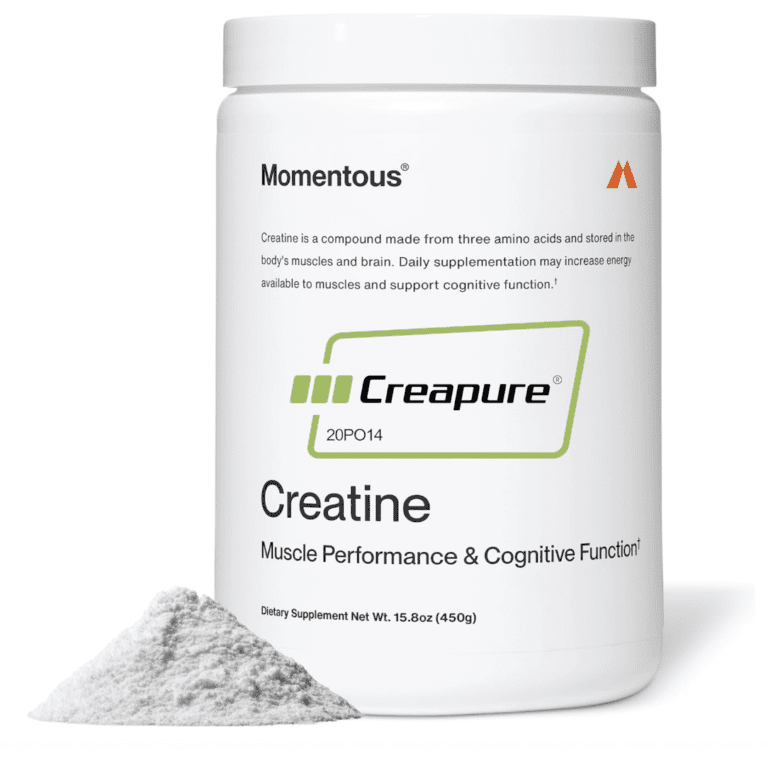
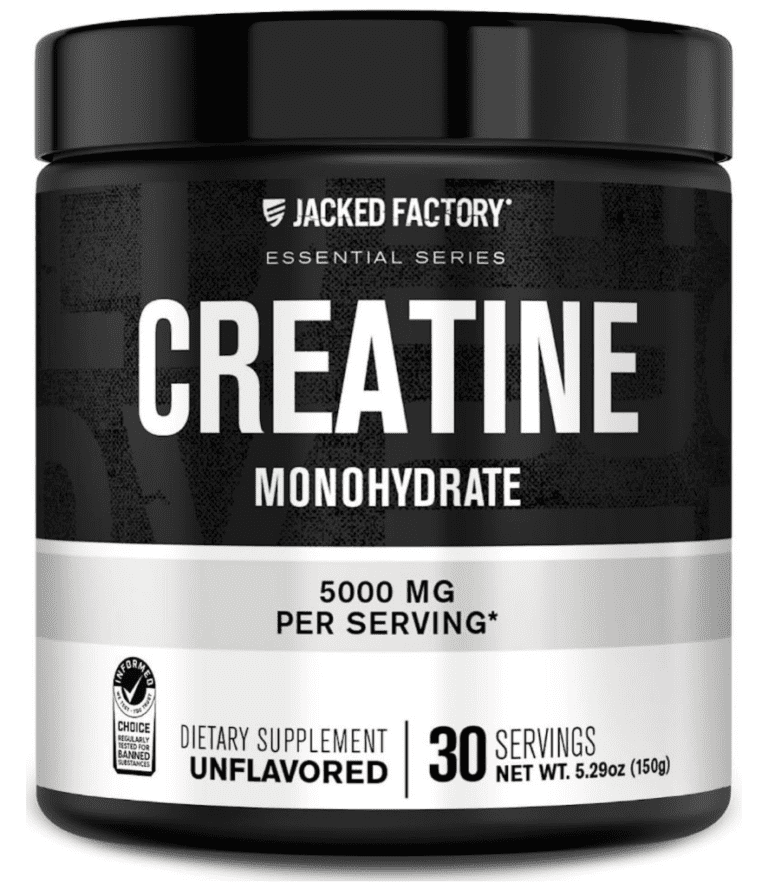
Creatine monohydrate is a white, odorless, crystalline powder sold in tubs ranging from 100g to 1kg, typically micronized for mixability, and priced between roughly $0.08 and roughly $0.35 per 5g serving depending on brand and testing. The molecule is identical across every tub on the shelf. What changes is particle size, third-party certification, sourcing origin, and what else rides along in the powder.
What Creatine Monohydrate Actually Is: The Powder in the Tub
Creatine monohydrate is a single-ingredient white crystalline powder sold in unflavored bulk tubs, capsule bottles, and chewable gummy formats by dozens of supplement brands. The powder itself is creatine bound to a single water molecule. That is the “monohydrate” part. It is odorless. It is nearly tasteless. It does not dissolve completely in water at room temperature, which is why micronized versions with smaller particle sizes exist. For a comparison of how creatine stacks against other pre-workout ingredients, see best pre-workout categories. For the gummy versus powder format breakdown, see our creatine beta-alanine stack guide.
- Label Name: Creatine Monohydrate. Sometimes listed as “Micronized Creatine Monohydrate” when the powder has been mechanically ground to a finer particle size.
- Appearance: White, fine powder. Micronized versions are visibly finer and settle more slowly in water.
- Taste and Smell: Odorless. Nearly tasteless. Unflavored creatine adds no flavor to a shake or water. Flavored versions exist but are rare.
- Serving Size: The standard labeled serving across nearly all brands is 5 grams, which is roughly one rounded teaspoon or the included scoop.
- Shelf Life: Dry creatine monohydrate powder is stable at room temperature for years when kept sealed and dry. No preservatives required.
The Flour Analogy
Every bag of all-purpose flour on the grocery shelf is wheat flour. But King Arthur and a generic store brand are not the same product. One is milled finer. One is tested for protein content. One sources from a single region. Creatine monohydrate is the flour. Optimum Nutrition, Thorne, Sports Research, and MuscleTech all sell the same molecule. The difference is the milling, the sourcing, the third-party testing, and the price printed on the tub. Pick the brand that matches your priorities.
Dosing: What the Labels Say
The standard labeled dose across every creatine monohydrate tub on the market is 5 grams per day, taken once daily with water or any beverage, at any time of day. Some brands print a “loading phase” protocol on the label: 20 grams daily split into four 5-gram doses for 5-7 days, followed by a 3-5 gram maintenance dose. This is printed on the label. It is not a requirement. The standard 5-gram daily dose is printed as an alternative on most tubs. For the full loading-phase breakdown, see our creatine loading guide.
- Standard Daily Dose: 5 grams (one scoop or one rounded teaspoon). Printed on every major brand label.
- Loading Phase (Optional): 20 grams daily for 5-7 days, per some product labels. Not required. The standard 5-gram daily dose saturates muscle creatine stores over approximately 3-4 weeks, per manufacturer information.
- Timing: The label does not specify a time of day. Brands typically print “take with water or your favorite beverage.” Some users take it pre-workout. Some post-workout. Some with dinner. The label is agnostic.
- Hydration Note: Many product labels include a note recommending adequate water intake throughout the day.
Formats: Powder, Capsules, and Gummies
Creatine monohydrate is sold in three primary formats: bulk powder (the most common), capsules, and gummies. The molecule is identical across all three. The difference is cost per gram and dosing convenience.
- Bulk Powder (Tub): 100g to 1kg tubs. Cost per 5g serving ranges from roughly $0.08 to $0.35 depending on brand, testing, and sourcing. The most economical format. Mixes into water, juice, protein shakes, or any cold beverage. Micronized versions mix more smoothly. Unflavored versions add zero taste. This is the format used by Optimum Nutrition, Sports Research, Thorne, MuscleTech, Nutricost, and nearly every major brand.
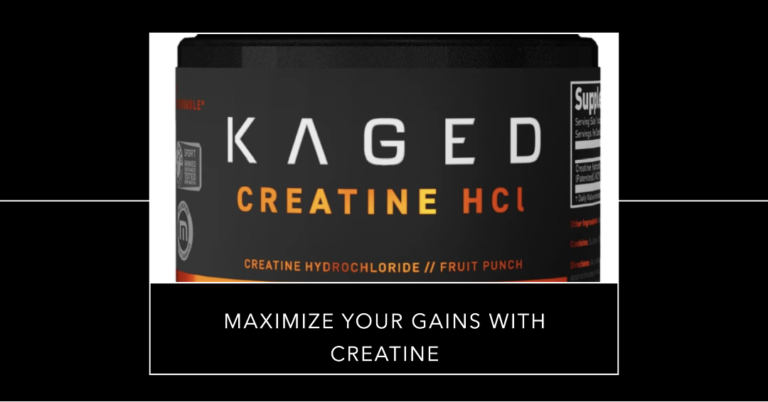
- Capsules: Typically 750mg to 1g per capsule. Requires 5-7 capsules to reach a 5g dose. More convenient to carry. More expensive per gram. Less common. Kaged Muscle C-HCl uses this format for their hydrochloride version.
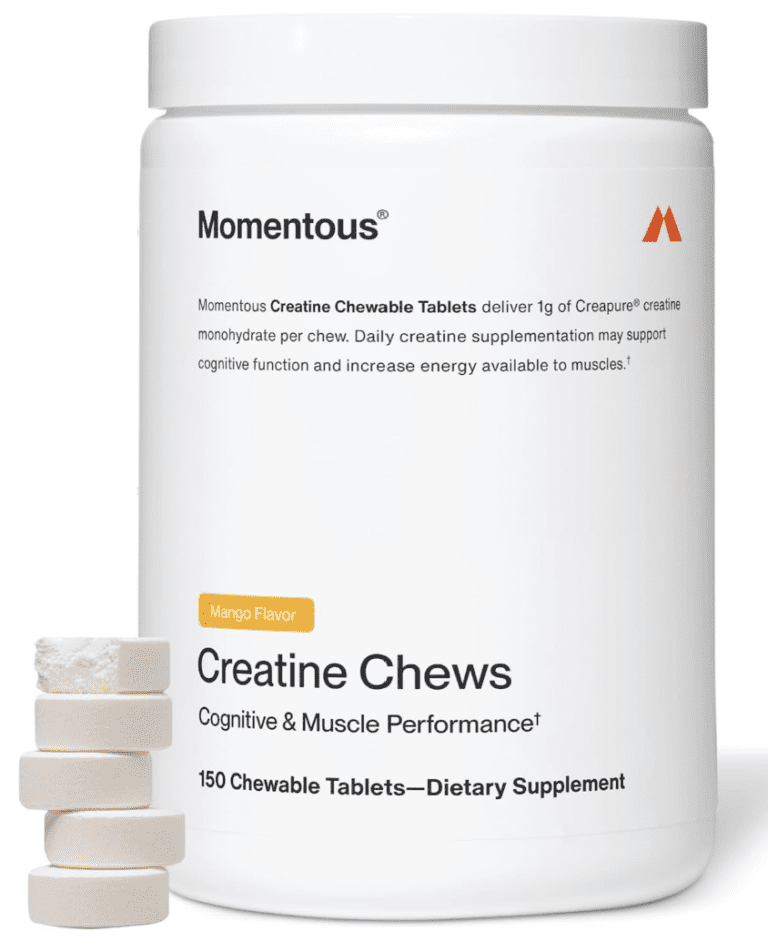
- Gummies: Chewable format. Typically 1-1.5g per gummy. Requires 3-5 gummies to reach a 5g dose. The most expensive per gram by a factor of 5x to 10x. Adds sugar, pectin, and flavoring. Force Factor and Jacked Factory are the main players. For a full cost comparison, see our creatine gummies versus powder breakdown linked in the comparison section.
How Creatine Monohydrate Is Made: Sourcing and Micronization
Creatine monohydrate is produced through chemical synthesis from sarcosine and cyanamide, two raw chemical compounds. This is not a food extract. It is not pressed from a plant. It is a synthesized molecule, identical in structure to the creatine found in meat and fish. The synthesis happens in large-scale chemical manufacturing facilities, most of which are located in Germany (Creapure) and China.
- Creapure (Germany): A patented, trademarked creatine monohydrate produced by AlzChem in Germany. Creapure is a specific brand of raw creatine, not a different form. Brands that use Creapure pay a licensing fee and print the Creapure logo on their tub. It is produced under GMP (Good Manufacturing Practice) standards and is tested for purity and contaminants. Sports Research and Thorne both use Creapure creatine in their products.
- Non-Creapure (Various Sources): Most other brands source creatine monohydrate from manufacturers in China or other regions. The molecule is identical. The testing and purity standards vary by manufacturer and brand. Optimum Nutrition and MuscleTech use non-Creapure creatine but apply their own third-party testing protocols.
- Micronization: A mechanical grinding process that reduces creatine particle size from roughly 200-400 microns to under 100 microns. This is physical milling, not a chemical process. It improves mixability in cold water. It does not change the creatine molecule. It is the supplement equivalent of sifting flour. Optimum Nutrition, Sports Research, Thorne, and MuscleTech all sell micronized versions.
- What’s Not in the Tub: Most unflavored creatine monohydrate powders contain exactly one ingredient: creatine monohydrate. No fillers. No flow agents. No anti-caking agents. Some brands add a small amount of silicon dioxide as an anti-caking agent, but this is rare in unflavored powders. Flavored creatine blends add sweeteners, flavors, and sometimes other ingredients like beta-alanine or electrolytes. Read the label.
Brand Rankings: Top Creatine Monohydrate Products in 2026
#1: Optimum Nutrition Micronized Creatine — Best Value Per Gram
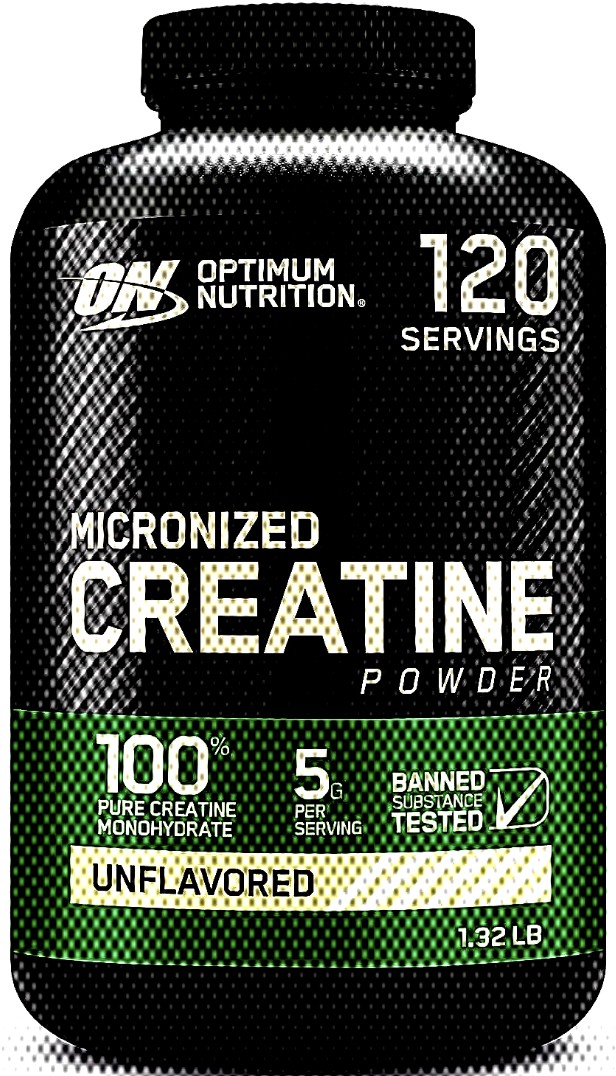
Optimum Nutrition Micronized Creatine Monohydrate is a single-ingredient unflavored powder sold in tubs of 120 servings (600g total) with a labeled dose of 5g per serving. The powder is micronized for mixability. The tub includes a dosing scoop. The ingredient label lists one item: creatine monohydrate. No fillers. No flow agents. At roughly $0.08 to $0.10 per serving, it is the cost-per-gram leader among nationally recognized brands. ON applies internal quality testing. It is not Creapure-sourced. It is not NSF Certified for Sport. For lifters who want the lowest cost per gram from a trusted brand, ON is the category benchmark.
| Serving Size | 5g |
| Servings/Tub | 120 |
| Ingredients | Creatine Monohydrate (1 ingredient) |
| Cost/Serving | ~$0.08-$0.10 |
#2: Thorne Research Creatine — Best for Third-Party Testing
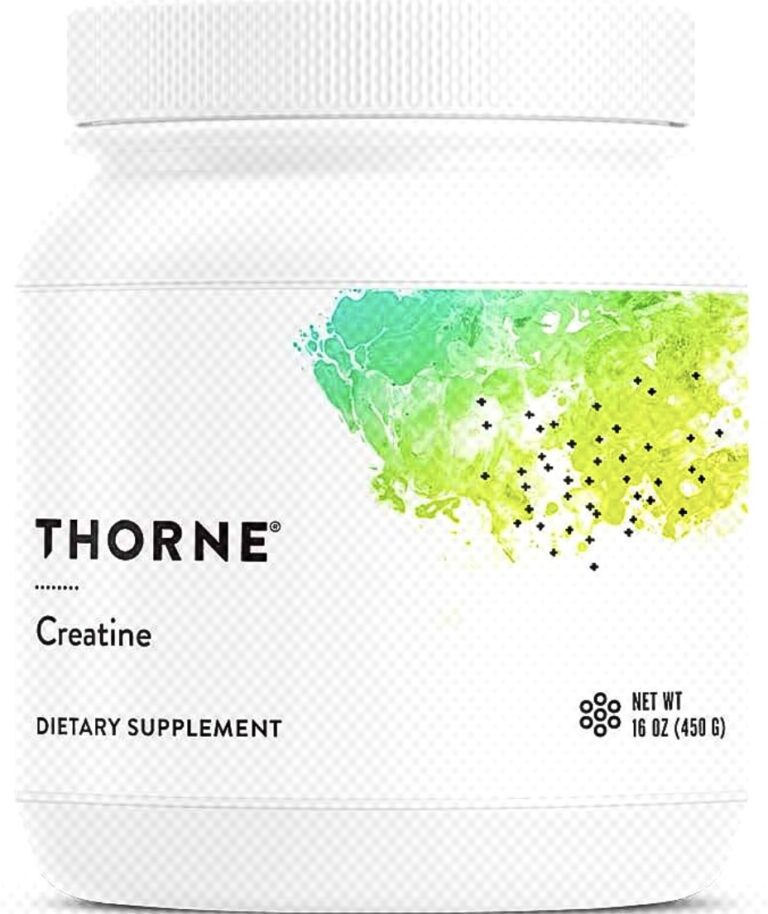
Thorne Research Creatine is a Creapure-sourced micronized creatine monohydrate sold in tubs of 90 servings with a labeled dose of 5g per serving. The ingredient label lists one item: creatine monohydrate. It is NSF Certified for Sport, which means every batch is tested for purity and banned substances. This is the key differentiator from Optimum Nutrition. Thorne uses Creapure, the German-sourced trademarked creatine, and applies the NSF Certified for Sport badge. The cost per serving is roughly $0.25 to $0.35. For competitive athletes subject to drug testing, this certification is the deciding factor. For everyone else, it is a purity premium over ON’s value pricing.
| Serving Size | 5g |
| Servings/Tub | 90 |
| Ingredients | Creatine Monohydrate (1 ingredient, Creapure) |
| Certification | NSF Certified for Sport |
| Cost/Serving | ~$0.25-$0.35 |
#3: Sports Research Micronized Creatine — Best Creapure Value
Sports Research Micronized Creatine is a Creapure-sourced, non-GMO verified creatine monohydrate sold in tubs with a labeled dose of 5g per serving. The ingredient label lists one item: creatine monohydrate (as Creapure). It is non-GMO verified. Sourced from Germany. The cost per serving lands around $0.15 to $0.20, splitting the difference between ON’s value pricing and Thorne’s certified premium. Sports Research applies third-party testing but does not carry the NSF Certified for Sport badge. For the ingredient-conscious lifter who wants Creapure sourcing without the Thorne price tag, this is the sweet spot. For a deeper brand breakdown, see our top 5 creatine supplements for muscle gain.
| Serving Size | 5g |
| Source | Creapure (Germany) |
| Ingredients | Creatine Monohydrate (1 ingredient) |
| Cost/Serving | ~$0.15-$0.20 |
#4: MuscleTech Platinum Creatine — Best for Beginners
MuscleTech Platinum 100% Creatine is a micronized creatine monohydrate sold in tubs with a labeled dose of 5g per serving and an included dosing scoop. The ingredient label lists one item: creatine monohydrate. The powder is unflavored. The tub includes a clearly marked scoop, which makes dosing straightforward for beginners who do not own a food scale. MuscleTech applies internal quality testing. It is not Creapure-sourced. It is not third-party certified. The cost per serving is roughly $0.12 to $0.18. For the first-time creatine buyer who wants a straightforward tub with a scoop and a recognizable brand, MuscleTech fills that slot. For a comparison against ON, see our C4 vs Gold Standard brand head-to-head.
| Serving Size | 5g |
| Ingredients | Creatine Monohydrate (1 ingredient) |
| Included | Dosing scoop |
| Cost/Serving | ~$0.12-$0.18 |
#5: Kaged Muscle C-HCl — Creatine Hydrochloride Alternative
Kaged Muscle C-HCl is a creatine hydrochloride powder, not creatine monohydrate, sold with a labeled dose of 750mg per serving. Creatine HCl is creatine bound to a hydrochloride molecule. The label claims higher solubility in water and smaller serving sizes. The powder is sold in smaller tubs than monohydrate. The cost per gram is significantly higher than monohydrate. The ingredient label lists creatine hydrochloride as the sole ingredient. This product exists for individuals who report GI sensitivity to standard creatine monohydrate. It is not a performance upgrade. It is a tolerability alternative. For most users, monohydrate is the more cost-effective choice. For more on other supplement categories, see our pre-workout categories guide.
| Serving Size | 750mg (creatine HCl) |
| Form | Creatine Hydrochloride |
| Key Difference | Smaller dose, higher solubility, higher cost per gram |
Brand Comparison Table: Creatine Monohydrate at a Glance (2026)
Each creatine monohydrate tub on the shelf contains the same molecule. The difference is sourcing, particle size, third-party testing, and cost per serving.
| Brand | Form | Sourcing | Key Differentiator | Cost/Serving |
|---|---|---|---|---|
| Optimum Nutrition | Micronized Monohydrate | Non-Creapure | Best cost per gram, 120 servings, trusted brand | ~$0.08-$0.10 |
| Thorne Research | Micronized Monohydrate | Creapure (Germany) | NSF Certified for Sport, batch-tested for banned substances | ~$0.25-$0.35 |
| Sports Research | Micronized Monohydrate | Creapure (Germany) | Creapure at a mid-range price, non-GMO verified | ~$0.15-$0.20 |
| MuscleTech Platinum | Micronized Monohydrate | Non-Creapure | Includes dosing scoop, beginner-friendly | ~$0.12-$0.18 |
| Kaged Muscle C-HCl | Hydrochloride | N/A (HCl form) | Smaller labeled dose (750mg), alternative for GI sensitivity | ~$0.50-$0.75 |
For more brand head-to-heads, see our top 5 creatine supplements for muscle gain and Momentous Creatine Monohydrate review. For how creatine stacks with other supplements, see creatine beta-alanine stack guide.
Who Creatine Monohydrate Is For
Creatine monohydrate is a single-ingredient unflavored powder with a labeled dose of 5g daily. It is targeted at individuals who want to add it to an existing nutrition and training regimen. The product label does not specify a gender, age range, or sport. It is sold as a general dietary supplement.
Commonly Used By
- Individuals engaged in resistance training who track daily supplement intake
- Athletes in sprint and power-based sports
- People who want a single-ingredient, unflavored powder to add to shakes
- Competitive athletes who require NSF Certified for Sport products (Thorne)
- Budget-conscious buyers who want the lowest cost per gram (Optimum Nutrition)
May Not Be Appropriate For
- Individuals with pre-existing kidney conditions (consult a healthcare professional)
- People who cannot commit to adequate daily water intake
- Those with known GI sensitivity to creatine monohydrate (creatine HCl may be an alternative to discuss with a professional)
- Individuals taking medications that affect kidney function (consult a healthcare professional)
Common Questions About Creatine Monohydrate Labels and Usage
Creatine monohydrate product labels are short. Most list one ingredient. The questions buyers have are almost always about what is not on the label and what the label does not claim.
- “Does creatine cause hair loss?” This claim does not appear on any creatine monohydrate product label. It is not listed as a side effect by any major manufacturer. It is not addressed in the product labeling. Individual concerns should be discussed with a healthcare professional.
- “Does creatine cause water retention?” Many product labels note that creatine draws water into muscle cells. This is listed on some labels as part of the product description. It refers to intracellular water, not subcutaneous water. Individual responses vary.
- “Is a loading phase required?” Most labels print both a loading protocol (20g daily for 5-7 days) and a standard protocol (5g daily). Both are on the label. Neither is mandatory. The loading phase saturates muscle creatine stores faster per the manufacturer’s printed information. The standard dose achieves the same saturation over a longer period.
- “Do I need to cycle off creatine?” No major creatine monohydrate product label recommends cycling. The label does not include a cycling protocol. Manufacturers print daily use instructions without a break period.
Creatine Monohydrate FAQ
- What is the labeled dose of creatine monohydrate?
- The standard labeled dose across all major brands is 5 grams per day, taken once daily with water or any beverage. This is printed on Optimum Nutrition, Thorne, Sports Research, and MuscleTech product labels. Some brands also print an optional loading phase of 20 grams daily for 5-7 days.
- What is the difference between micronized and regular creatine monohydrate?
- Particle size. Micronized creatine has been mechanically ground to a finer particle size, typically under 100 microns. This improves mixability in cold water. The creatine molecule is identical. Non-micronized creatine has larger particles and may settle more quickly in a shaker. Most major brands now sell micronized versions.
- What is Creapure?
- Creapure is a trademarked brand of creatine monohydrate produced by AlzChem in Germany. It is not a different form of creatine. It is a specific manufacturer’s creatine monohydrate produced under GMP standards with batch-level purity testing. Brands that use Creapure include Thorne Research and Sports Research. The Creapure logo appears on the tub. Optimum Nutrition and MuscleTech do not use Creapure.
- How much does creatine monohydrate cost per serving?
- Roughly $0.08 to $0.35 per 5g serving depending on the brand, sourcing, and certifications. Optimum Nutrition is the cost leader at roughly $0.08-$0.10 per serving. Thorne Research is the premium option at roughly $0.25-$0.35 per serving with NSF Certified for Sport testing. Sports Research splits the middle at roughly $0.15-$0.20.
- Is one brand of creatine monohydrate better than another?
- The molecule is identical. The differences are sourcing origin (Creapure vs non-Creapure), particle size (micronized vs standard), third-party testing (NSF Certified for Sport vs internal testing), and cost per serving. Competitive athletes subject to drug testing may prefer NSF Certified for Sport products like Thorne. Budget-conscious buyers may prefer Optimum Nutrition. Ingredient-label minimalists may prefer Sports Research for Creapure at a mid-range price. The right brand depends on which column the buyer weights most heavily.
- Should I consult a professional before taking creatine monohydrate?
- Yes. Consult a qualified healthcare professional before starting any new supplement, particularly if you have a pre-existing kidney condition, take medication, or have any health concern. Even a single-ingredient supplement label is still a supplement.
The Verdict
Creatine monohydrate is a single-ingredient white powder sold in tubs ranging from $0.08 to $0.35 per 5g serving with identical molecule structure across every brand. The decision between brands is a decision about sourcing origin, third-party testing, particle size, and price. Optimum Nutrition wins on cost per gram. Thorne wins on certification. Sports Research wins on Creapure value. MuscleTech wins on beginner accessibility. Kaged C-HCl is the alternative for individuals with monohydrate GI sensitivity.
Pick the brand that matches your priorities. Take the labeled dose consistently. Drink enough water. Consult a healthcare professional if you have any health condition or take medication. The molecule is the same in every tub. The rest is sourcing, testing, and price.
Verdict: ON for Value, Thorne for Testing, Sports Research for Both
Same molecule. Different sourcing, testing, and price. Optimum Nutrition for best cost per gram. Thorne for NSF Certified for Sport. Sports Research for Creapure at a mid-range price. Take 5g daily. Drink water. Stay consistent. Consult a professional.
Related Creatine and Supplement Guides
- Top 5 Creatine Supplements for Muscle Gain
- Creatine Loading Guide: Protocol and Timing
- Creatine Beta-Alanine Stack Guide
- Momentous Creatine Monohydrate Review
- How Long Does Creatine Take to Work
- Best Pre-Workout Categories
- C4 vs Gold Standard Pre-Workout Comparison
- Optimum Nutrition Gold Standard Whey Review
- Best Protein Powders for Muscle Growth
- Phosphagen System and ATP: Energy Systems Guide
- Bodybuilding Nutrition Evolution
Keep Building
Momentous Creatine Review: Creapure, Informed-Sport, Worth
Momentous Creatine Monohydrate is a premium-priced Creapure powder backed by Informed-Sport and NSF Certified for Sport certifications for athletes who need guaranteed purity. Creatine is creatine at the molecular level. But the testing, sourcing, and certifications vary wildly. Momentous charges 3 to 4 times the standard price. We broke down the purity metrics, the certification…
Creatine Gummies vs Powder: Which Format Is Worth It for Lifters
Creatine Gummies and Creatine Powder both deliver creatine monohydrate, the same well-studied form used in most research. The choice is not about which format works. It is cost-per-gram, dosing friction, and whether convenience is worth a large price premium. We compared format, price, and daily practicality to see which one fits different lifters. Form &…
Best Creatine for Your Needs: A Guide
When it comes to boosting strength, enhancing muscle mass, and improving exercise performance, creatine stands out as one of the most well-researched and effective supplements. But with so many options available, how do you choose the best creatine for your goals? In this guide, we’ll cover the top creatine types, benefits, recommendations, and everything else…
Creatine Loading Guide: How to Saturate Muscle Stores in 7 Days
Creatine loading uses a short-term high-dose protocol of 20 to 25 grams daily to saturate muscle phosphocreatine stores in 5 to 7 days instead of 3 to 4 weeks. The science is sound. The execution is where most people fail. We broke down the protocol, the best creatine forms for loading, and the common mistakes…
Momentous Creatine Chews Review: Creapure NSF Label
Momentous Creatine Chews print Creapure creatine monohydrate and NSF Certified for Sport on a chewable tablet label at 3g per two-tablet serving. No scoop. No shaker. No powder. This is a label built on two certification marks and a chewable format at a premium cost-per-serving. We compared the Supplement Facts panel, certification documentation, and per-gram…
Jacked Factory Creatine Monohydrate: Is This 5g Label Worth It?
Jacked Factory Creatine Monohydrate prints 5g per scoop on a single-ingredient Supplement Facts panel with a third-party tested label claim at mid-tier pricing. One ingredient. Zero fillers. Three tub sizes. We compared the printed specs against Nutricost, Momentous, and ON Micronized Creatine labels. Here is how the panels stack. Supplement Facts Testing & Facility Physical…