Whey protein for fat loss works through three mechanisms: satiety control, muscle preservation, and the thermic effect of food. You cut calories. You stay hungry. Your body burns muscle for fuel. Whey fixes all three. We broke down how to use whey protein in a calorie deficit, which type to buy, and the common mistakes that sabotage your results.
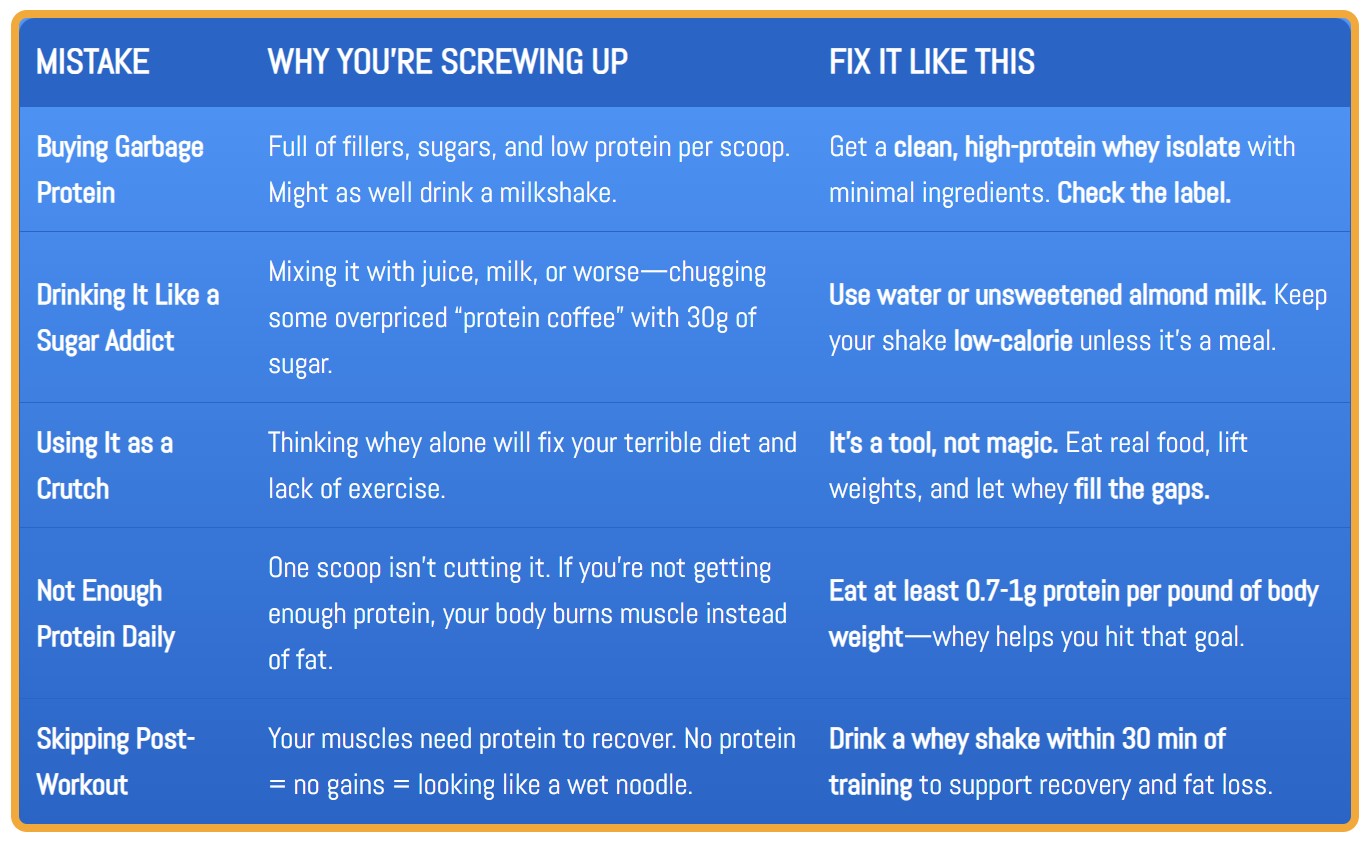
1. Whey Protein Keeps You Full
Fat loss is simple: eat less than your body burns. The problem is hunger. Hunger makes people weak. You see a cookie, and your clean eating plan disappears.
Whey protein solves this. It is high in protein, which takes longer to digest than carbs or fat. It is minimal in unnecessary fillers when you buy the right kind. It is potent in amino acids that support satiety and stabilize blood sugar.
The result? You eat less without trying. A scoop of whey in a smoothie or shake means you stop reaching for snacks, bars, or granola thirty minutes later.
Practical Tip: Start your day with 20g of whey protein. It keeps you satisfied longer. It reduces mindless snack cravings that derail your deficit.
2. Whey Protein Preserves Muscle in a Deficit
Losing weight should not mean looking like a deflated balloon. The real goal is dropping fat while keeping lean muscle mass.
In a calorie deficit, your body looks for fuel. Without adequate protein, it burns muscle. Whey protein provides all nine essential amino acids — a complete protein source. It delivers 20+ grams of protein per scoop with minimal carbs and fats.
A high-protein intake signals your body to burn fat instead of muscle when calories are low. Lose fat. Keep muscle. Simple math.
Quick Math: You need 0.7 to 1g of protein per pound of body weight to maintain lean mass in a deficit. Get that from meats, eggs, beans, and whey protein shakes.
3. Whey Protein Boosts Metabolism
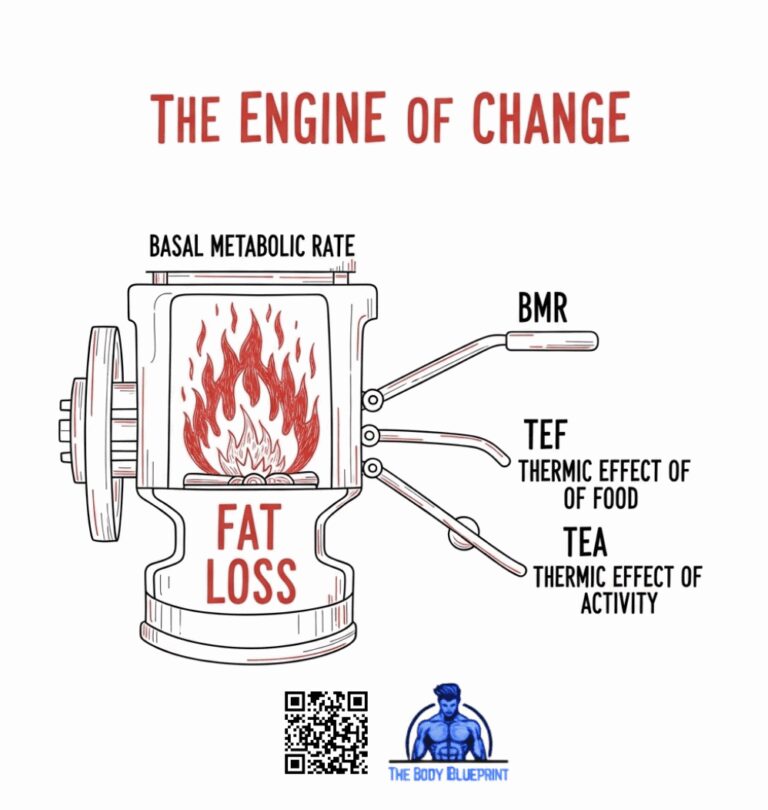
Protein has a high thermic effect. Your body burns calories digesting it. Up to 30% of the calories from protein are burned during digestion.
Carbs and fats burn only 5 to 10% of their calories during digestion. Protein costs energy to process. That means every gram of whey protein you eat nets fewer calories than the label suggests.
- More fat burned at rest: The thermic effect operates 24/7.
- Better metabolism function: Your deficit actually works instead of stalling.
- Higher fat loss over time: Without starving yourself or losing muscle.
“Whey protein in a deficit is not a supplement. It is a shield. It protects your muscle, kills your hunger, and costs calories to digest. Three wins from one scoop.”
— Charles Damiano, B.S. Clinical Nutrition
4. Best Whey Protein Types for Fat Loss
Not all whey is equal. For fat loss, you want high protein per calorie and minimal additives. Whey isolate wins here. Concentrate is acceptable if you tolerate lactose.
| Brand | Protein / Serving | Type | Best For |
|---|---|---|---|
| Isopure Zero Carb | 25g | Isolate | Keto, low-carb, zero fillers |
| Transparent Labs Whey Isolate | 28g | Isolate | Highest protein per scoop, zero additives |
| Optimum Nutrition Gold Standard | 24g | Blend (Isolate + Concentrate) | General fat loss, budget-friendly |
| Dymatize ISO100 | 25g | Hydrolyzed Isolate | Fast digestion, low bloat |
Practical Tip: Look for whey isolate for cleaner ingredients and higher protein content per scoop. Avoid powders with added sugar, maltodextrin, or fillers. They sabotage your deficit. See our best whey for fat loss guide for more depth.
5. How to Use Whey Protein for Fat Loss
Buying whey is step one. Using it correctly is step two. Here is the protocol.
- Morning: Start the day with a protein shake. 20g whey plus water or almond milk. Kills morning hunger. Stabilizes blood sugar.
- Pre-Workout: One scoop 30 to 45 minutes before training. Provides amino acids for the session. Prevents muscle breakdown.
- Post-Workout: One scoop within 60 minutes after training. Supports recovery. Preserves lean mass in the deficit window.
- Meal Replacement: Too busy to cook? A whey shake beats skipping a meal or eating garbage. Use once per day max. Whole food provides micronutrients that shakes lack.
Important: Do not drink whey and expect fat to disappear on its own. Eat real food. Train with intensity. Sleep adequately. Whey supports your goals. It does not replace the fundamentals.
Whey for Fat Loss: Pros and Cons
The Advantage (Pros)
- Satiety Control: Protein digests slowly. Keeps you full between meals. Reduces snack cravings.
- Muscle Preservation: High leucine content signals your body to spare muscle in a deficit.
- High Thermic Effect: Up to 30% of whey calories are burned during digestion. You net fewer calories.
- Low Calorie Density: 100 to 120 calories for 25g of protein. Efficient nutrition per calorie.
- Convenient: One scoop, water, shake. Done. No cooking required.
The Trade-off (Cons)
- Not a Meal Replacement: Whey lacks fiber, micronutrients, and the satiety of whole food. Use to supplement, not replace.
- Lactose Sensitivity: Concentrate contains lactose. Some users experience bloating. Choose isolate if sensitive.
- Quality Variance: Cheap brands add fillers, sugar, or amino spiking. Stick to tested brands.
- Calories Still Count: Whey is not free food. A 120-calorie shake still counts toward your deficit.
- Not for Everyone: If you tolerate dairy poorly, plant protein or beef isolate may be better options.
FAQ: Whey Protein for Fat Loss
- Is whey protein good for fat loss or bulking?
- Both. Whey is a tool. In a calorie deficit, it preserves muscle and controls hunger. In a surplus, it supports growth. The context determines the outcome.
- Should I use whey isolate or concentrate for fat loss?
- Isolate. It has higher protein per calorie, lower lactose, and fewer fillers. Concentrate works if you tolerate lactose and want a lower price point.
- How much whey should I take per day for fat loss?
- One to two scoops per day (20 to 50g total). The rest of your protein should come from whole foods. Total daily target: 0.7 to 1g per pound of body weight.
- Will whey protein break my fast?
- Yes. Whey triggers an insulin response and contains calories. It breaks a fast. If you practice intermittent fasting, consume whey within your eating window.
- Can I lose fat with whey alone and no exercise?
- You can lose weight with a calorie deficit regardless of exercise. Whey helps control hunger and preserve muscle. But exercise improves body composition and health outcomes.
- Does whey cause bloating during a cut?
- It can if you are lactose intolerant. Choose whey isolate or hydrolyzed whey for minimal GI stress. Muscle Feast adds digestive enzymes for sensitive users.
Final Verdict: Whey Is a Smart Fat-Loss Tool
Whey protein supports fat loss through three mechanisms: satiety control, muscle preservation, and the thermic effect of food. It is not magic. It is not a meal replacement. It is a tool that makes a calorie deficit easier to sustain. Choose a high-quality isolate. Use one to two scoops per day. Prioritize whole food for the rest of your nutrition. Train with intensity. Sleep adequately. Whey supports the process. It does not replace the fundamentals.
For more on fat loss nutrition, see our best whey for fat loss guide, post-workout nutrition guide, and protein hub.
The Bottom Line: Whey Makes the Deficit Easier
You have the facts. Whey controls hunger. Whey preserves muscle. Whey burns calories during digestion. Pick a clean isolate, use it strategically, and let it support your fat loss.
The Supplement Lexicon: Fat Loss Edition
- Thermic Effect of Food (TEF)
- Calories burned during digestion. Protein has the highest TEF at 20 to 30%. You net fewer calories from protein than from carbs or fat.
- Whey Isolate
- Whey protein processed to remove most fat and lactose. 90%+ protein by weight. Lowest calorie per gram. Ideal for fat loss.
- Muscle Sparing
- The body’s ability to maintain lean mass during a calorie deficit when protein intake and resistance training are adequate.
- Satiety
- The feeling of fullness after eating. Protein is the most satiating macronutrient, which helps control hunger during cutting.
- Calorie Deficit
- Consuming fewer calories than your body burns. Required for fat loss. Whey protein makes this easier by controlling hunger and preserving muscle.
- Leucine Threshold
- The minimum amount of leucine (roughly 2.5g) needed to maximally stimulate muscle protein synthesis. Whey is naturally high in leucine.
For more on fat loss and nutrition, check our Nutrition Hub, Best Whey for Fat Loss, Post-Workout Nutrition Guide, and Fat Loss Hub.