This post-workout nutrition guide compares hydrolyzed whey isolate Supplement Facts panels, cyclic dextrin technical spec sheets, and electrolyte blend milligram entries across the shelf so you buy by the label, never the marketing. Three categories. Fourteen columns of printed specifications. We compared the published specs side by side and let the Supplement Facts panels do the talking.
Health & Safety: Statements have not been evaluated by the FDA. These products are not intended to diagnose, treat, cure, or prevent any disease. Always consult a professional before starting any new supplement regimen. Price Disclaimer: Prices shown are approximate and may vary. Check current pricing and availability on Amazon.
Hydrolyzed Whey Isolate Labels: The Protein Column
Every post-workout nutrition guide begins with the hydrolyzed whey isolate section of the shelf. The Supplement Facts panel here lists protein grams, added amino acid line items, and other ingredients. Hydrolyzed whey isolate is a manufacturing classification. Whey protein treated with enzymes during production. The peptide chains are shorter. That is the only label claim. Every brand starts with this identical process. What changes from tub to tub is everything else printed beneath it.
| Product | Protein Per Scoop | Added Amino Acids | Flavor Count | Other Listed Ingredients | Cost Per Serving |
|---|---|---|---|---|---|
| Dymatize ISO100 | 25g | None added. All inherent. | 12+ (Cinnamon Cereal, Fruity Pebbles, Chocolate, Vanilla, etc.) | Natural & artificial flavors, sucralose, soy lecithin | ~$1.60 |
| Labrada HYDRO | 30g | 6g BCAAs + glutamine added | 3 (Chocolate, Vanilla, Strawberry) | Natural & artificial flavors, sucralose, sunflower lecithin (soy-free) | ~$1.30 |
| ON Platinum Hydrowhey | 30g | 8.8g BCAAs + glutamine added | 4 (Chocolate, Vanilla, Strawberry, etc.) | Natural & artificial flavors, sucralose, soy lecithin | ~$2.00 |
| BulkSupplements Hydrolyzed Whey | 25g | None added. All inherent. | 1 (Unflavored) | Single ingredient: hydrolyzed whey isolate | ~$0.85 |
Three label columns split these four tubs into wildly different purchase decisions. First, grams per scoop. Labrada HYDRO and ON Platinum Hydrowhey list 30g. Dymatize ISO100 and BulkSupplements list 25g. A five-gram gap. Second, added amino acid line items. Labrada HYDRO prints 6g of added BCAAs plus glutamine. ON Platinum prints 8.8g of added BCAAs plus glutamine. Dymatize ISO100 and BulkSupplements print zero added aminos. Every BCAAs on those labels comes from the whey raw material itself. Third, other ingredients column length. BulkSupplements lists exactly one ingredient. Dymatize ISO100 adds flavoring agents and soy lecithin. Labrada HYDRO swaps in sunflower lecithin. ON Platinum Hydrowhey adds flavoring agents, soy lecithin, and the highest cost per serving in the category.
“Buying hydrolyzed whey for your post-workout stack is like buying coffee beans. The raw material is the same species. BulkSupplements is the bulk bag of whole beans. One ingredient. Lowest cost. Dymatize ISO100 is the flavored latte from the specialty shop. You pay for the experience. Labrada HYDRO is the bag of beans with a free espresso shot thrown in. The added BCAAs and glutamine are line items on the label you didn’t buy in a separate bottle.”
— Charles Damiano, B.S. Clinical Nutrition
Carbohydrate Powder Labels: HBCD vs. Dextrose vs. Maltodextrin
Any post-workout nutrition guide that ignores the carbohydrate powder aisle misses three distinct molecular entries on Supplement Facts panels. HBCD. Dextrose. Maltodextrin. Three carbohydrate raw materials. Three different technical specification sheets. Same macro category on the label. Radically different molecular weights and manufacturing costs.
| Carb Source | Label Entry | Molecular Weight | Osmolality | Cost / 50g |
|---|---|---|---|---|
| HBCD (Cluster Dextrin) | Highly Branched Cyclic Dextrin | ~160,000 Da | Low (<50 mOsm declared) | ~$2.00 |
| Dextrose (Glucose) | Dextrose Monohydrate | ~180 Da | High (not declared) | ~$0.15 |
| Maltodextrin | Maltodextrin (DE batch-variable) | ~1,000-10,000 Da | Moderate (DE-dependent) | ~$0.10 |
The HBCD label lists a molecular weight approximately 900 times that of dextrose. That is a manufacturing specification. The size of the carbohydrate molecule as built in the production facility. HBCD is manufactured through enzymatic branching applied to amylopectin starch. Dextrose is simple glucose monohydrate. Maltodextrin sits between them. A middle-weight on the molecular ladder. Each lists “Carbohydrate” grams on the Supplement Facts panel. The price spread is manufacturing cost, not a ranking. Dextrose and maltodextrin are commodity ingredients. HBCD is a patented enzymatic product sold under the Cluster Dextrin brand name. For how these spec sheets compare to protein labels in the same shelf section, see our Gold Standard Whey Supplement Facts breakdown.
“Comparing HBCD to dextrose on a carb powder label is like comparing a cargo ship to a rowboat. Both transport goods. One holds 160,000 Daltons of molecular structure. The other holds 180. The spec sheet tells you which one is in the tub. The price tells you which manufacturing process built it. That is the entire comparison.”
— Charles Damiano, B.S. Clinical Nutrition
Electrolyte Blend Labels: Sodium, Potassium, Magnesium by the Milligram
No post-workout nutrition guide is complete without the electrolyte powder shelf. Here, sodium, potassium, and magnesium are printed as milligram entries on Supplement Facts panels. Three brands dominate the category. The sodium milligram gap between LMNT and the rest of the shelf is the headline label difference.
| Product | Sodium | Potassium | Magnesium | Sweetener | Total Ingredients |
|---|---|---|---|---|---|
| LMNT Drink Mix | 1,000mg | 200mg | 60mg | None (unflavored) or stevia | 3-4 |
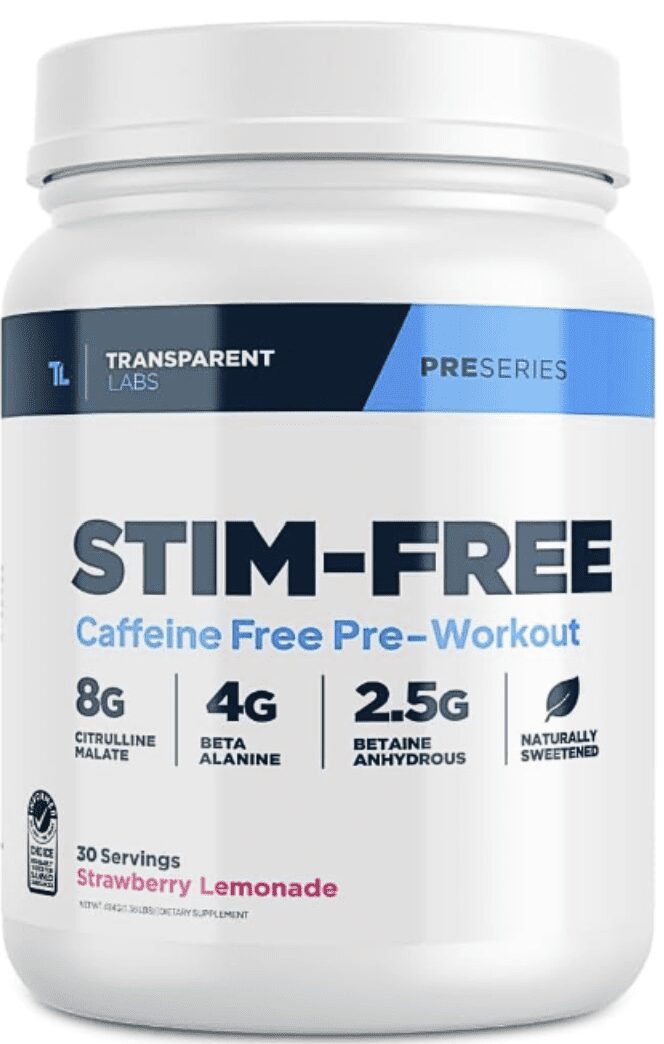
| Transparent Labs Hydrate | 500mg | 250mg | 50mg | Stevia (no artificial) | Minimal. No dyes listed. |
| Liquid I.V. Hydration Multiplier | 500mg | 380mg | Not listed | Cane sugar (11g sugar) | Added Vitamin C, B3, B5, B6, B12 |
The sodium entry is the widest gap in the electrolyte category. LMNT lists 1,000mg sodium per serving. Transparent Labs Hydrate and Liquid I.V. both list 500mg. Double the sodium. Half the sodium. That is a formulation choice by each manufacturer. A milligram entry. Not a ranking. Liquid I.V. lists the highest potassium at 380mg and includes 11g of cane sugar plus a five-vitamin B complex on the panel. Transparent Labs Hydrate prints stevia and lists zero artificial sweeteners or dyes. LMNT unflavored prints three ingredients: sodium chloride, potassium citrate, magnesium malate. Plus citric acid. The shortest ingredient list in the entire post-workout supplement shelf. For more label comparisons, see our creatine-beta-alanine Supplement Facts breakdown.
Post-Workout Nutrition Guide FAQ: Labels, Specs, Certifications
- What does “hydrolyzed” mean on a Supplement Facts panel?
- Hydrolyzed is a manufacturing process classification. The whey protein was treated with enzymes during production. Longer protein chains became shorter peptide fragments. This happens at the manufacturing facility before packaging. It is printed on the label as “Hydrolyzed Whey Protein Isolate.” It is not a potency claim. It describes how the raw material was processed.
- Why does Labrada HYDRO list BCAAs separately when whey already has them?
- The Labrada HYDRO label prints 6g of added BCAAs and added glutamine as separate line items. These are supplemental additions beyond the amino acid content inherent to the whey raw material. Dymatize ISO100 does not print added BCAAs. All amino acids on its label come from the whey protein itself. Two different Supplement Facts panel strategies. For a fuller breakdown, see our BCAA vs. EAA label comparison.
- What separates HBCD from dextrose on a Supplement Facts panel?
- HBCD (highly branched cyclic dextrin) prints a molecular weight of ~160,000 Daltons on technical specification sheets. Dextrose prints ~180 Daltons. A 900x difference in molecular size. HBCD is produced through enzymatic branching of amylopectin starch. Dextrose is simple glucose monohydrate. Both list carbohydrate grams on the panel. The molecules are structurally different raw materials.
- Why does LMNT print 1,000mg sodium versus 500mg on other labels?
- The LMNT label prints 1,000mg sodium per serving. Transparent Labs Hydrate and Liquid I.V. print 500mg. This is a formulation choice by each manufacturer. A milligram entry on the Supplement Facts panel. Not a ranking. The buyer who wants 1,000mg on the label selects LMNT. The buyer who wants 500mg selects another option.
- Is the whey raw material identical in flavored and unflavored tubs?
- The hydrolyzed whey isolate raw material is the same manufacturing classification. The difference appears in the other ingredients section. BulkSupplements unflavored prints one ingredient: hydrolyzed whey isolate. Dymatize ISO100 prints hydrolyzed whey isolate plus flavors, a sweetener (sucralose), and an emulsifier (soy lecithin). Same base raw material. Longer ingredient list.
- Which labels display Informed Sport or Informed Choice logos?
- Dymatize ISO100 prints the Informed Choice logo on select flavors. ON Platinum Hydrowhey prints the Informed Sport logo. Labrada HYDRO does not currently display a third-party athletic certification logo. BulkSupplements references third-party lab testing but does not display NSF or Informed Sport. Certifications apply to specific flavors and production lots. Verify the bottle in your hand.
Post-Workout Nutrition Guide Verdict: The Label Decides
This post-workout nutrition guide compared three Supplement Facts panel categories: hydrolyzed whey isolate (25g to 30g protein), carbohydrate powders (180 to 160,000 Da molecular weight), and electrolyte blends (500mg to 1,000mg sodium). No single product leads every column. The right label depends entirely on which column you check first.
The Ingredient-Minimalist Buyer
BulkSupplements Hydrolyzed Whey prints one ingredient. LMNT unflavored prints three ingredients. Dextrose prints one ingredient. If the shortest ingredient panel wins your checklist, these are your labels. Lowest cost. Fewest line items. Zero additives.
This Is Not For The Certification-Free Shopper
If third-party athletic certifications are optional on your checklist, BulkSupplements and Labrada HYDRO do not display them. If you require an Informed Sport or Informed Choice logo, your pool shrinks to Dymatize ISO100 and ON Platinum Hydrowhey. Know which column you are buying.
Protein label priority. If the fewest ingredients at the lowest cost per gram is your column, BulkSupplements Hydrolyzed Whey prints one ingredient at $0.85 per serving. If flavor variety and third-party certification are the columns you check first, Dymatize ISO100 prints 12+ flavors and the Informed Choice logo at $1.60 per serving. If added amino acid line items and more protein grams matter, Labrada HYDRO prints 30g protein plus 6g added BCAAs and glutamine at roughly $1.30. If maximum added BCAAs (8.8g) plus an Informed Sport logo are both required, ON Platinum Hydrowhey prints both at $2.00 per serving.
Carb powder label priority. If molecular weight and declared osmolality are entries you track on a technical specification sheet, HBCD (Cluster Dextrin) prints ~160,000 Da at a premium $2.00 per 50g. If cost per gram of carbohydrate is the only column, dextrose at $0.15 or maltodextrin at roughly $0.10 print single-ingredient panels at commodity pricing.
Electrolyte label priority. If sodium milligrams per serving is the lead column, LMNT prints 1,000mg with a three-ingredient unflavored panel. If potassium and added vitamins dominate your checklist, Liquid I.V. prints 380mg potassium, 11g cane sugar, and a five-vitamin B complex. If a no-artificial-ingredient panel with moderate sodium is the filter, Transparent Labs Hydrate prints stevia, no dyes, and 500mg sodium.
The post-workout nutrition shelf rewards label literacy. Know which columns you are buying from. For more Supplement Facts panel comparisons, see our hydrolyzed whey protein guide, easy-digestion whey breakdown, and full supplement catalog.
Verdict: The Label Is Your Post-Workout Nutrition Checklist
You have the Supplement Facts panels. 25g to 30g hydrolyzed whey isolate. 180 Da to 160,000 Da carb powders. 500mg to 1,000mg sodium electrolyte blends. Check the columns that matter. Ignore the rest.
The Post-Workout Supplement Lexicon: Manufacturing Terms and Label Entries
- Hydrolyzed Whey Isolate
- A manufacturing classification on protein Supplement Facts panels. Whey protein enzymatically treated during production. The peptide chains are shorter. Listed as “Hydrolyzed Whey Protein Isolate” on the ingredient panel. The hydrolysis step occurs at the manufacturing facility before packaging. It is a process descriptor, not a potency claim.
- Highly Branched Cyclic Dextrin (HBCD)
- A carbohydrate raw material manufactured through enzymatic branching of amylopectin starch. Prints a molecular weight of ~160,000 Daltons on technical sheets. Marketed under the brand name Cluster Dextrin. Appears as “Highly Branched Cyclic Dextrin” or “Cluster Dextrin” on labels.
- Osmolality
- A physical property measurement on carbohydrate powder specification sheets. Counts dissolved particles per kilogram of solution. Expressed in milliosmoles (mOsm). A technical entry. Not a performance claim. Lower osmolality = fewer dissolved particles per unit of water.
- BCAAs (Added vs. Inherent on Label)
- Branched-chain amino acids (leucine, isoleucine, valine). Appear on Supplement Facts panels either as part of the protein raw material or as separately added line items. A distinct line item = supplemental addition beyond what occurs naturally in the protein source.
- Informed Choice / Informed Sport Logo
- Third-party manufacturing audit certifications. Printed as logos on supplement labels. Verify that the product has been tested for substances prohibited in sport. Informed Sport includes additional pre-market batch testing. Label logos, not formulation claims. Apply to specific flavors and production lots.
More Post-Workout Supplement Label Comparisons
- Best Hydrolyzed Whey Protein: Full Post-Workout Label Breakdown
- Dymatize ISO100: Hydrolyzed Whey Supplement Facts Panel
- Labrada HYDRO: 30g Protein + Added BCAAs Label Analysis
- ON Platinum Hydrowhey: 8.8g BCAAs + Informed Sport Label
- Transparent Labs Hydrate: Electrolyte Panel Breakdown
- LMNT Electrolytes: 1,000mg Sodium Label Specs
- BCAA vs. EAA: Supplement Facts Panel Differences
- Creatine + Beta-Alanine: Post-Workout Stack Label Breakdown
- Gold Standard Whey: Post-Workout Protein Label Specs
- Best Whey Protein for Easy Digestion: Label Comparison