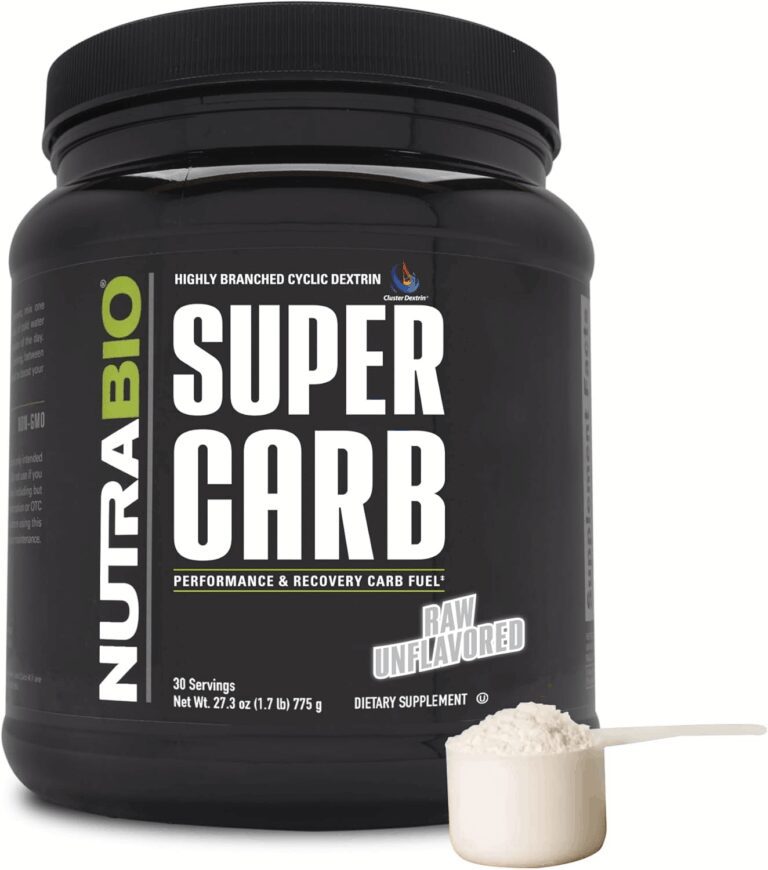
Highly Branched Cyclic Dextrin (HBCD), sold under the trademark Cluster Dextrin, is a high-molecular-weight carbohydrate powder (~160,000-400,000 Daltons) with an osmolality of roughly 15-25 mOsm/kg at standard mixing concentrations, a spec that sits at the opposite end of the scale from dextrose (~280 mOsm/kg) and maltodextrin (~100-150 mOsm/kg). Three carbohydrate powders. Three radically different molecular structures on the spec sheet. This hub compares the published physical specifications of HBCD against standard workout carbohydrates and breaks down the ingredient label on True Nutrition’s pure Cluster Dextrin powder.
What Is Highly Branched Cyclic Dextrin? The Spec Sheet Definition
Highly Branched Cyclic Dextrin (HBCD) is a carbohydrate powder manufactured through enzymatic branching of amylopectin, typically sourced from waxy maize or similar starch inputs, producing a molecule with a molecular weight range of approximately 160,000-400,000 Daltons and a measured osmolality of roughly 15-25 mOsm/kg at a 5% solution concentration. The trademarked version, Cluster Dextrin®, is produced by Glico Nutrition in Japan. Generic HBCD powders are also available from multiple manufacturers. The defining physical specifications are the molecular weight and the osmolality reading. Those two numbers are what separate HBCD from every other carbohydrate powder on the shelf.
- Molecular Weight: ~160,000-400,000 Daltons. Listed on manufacturer spec sheets. Roughly 800-2,000 times heavier than a dextrose molecule (~180 Daltons).
- Osmolality: ~15-25 mOsm/kg at 5% solution. Listed on manufacturer data sheets. Roughly one-tenth the osmolality of dextrose at equivalent concentration.
- Source Material: Amylopectin from waxy maize starch or similar starch inputs. Enzymatically restructured into a highly branched cyclic molecular arrangement.
- Trademark: Cluster Dextrin® is the registered trademark of Glico Nutrition (Japan). Not all HBCD powders carry the Cluster Dextrin trademark. The trademark indicates the Glico-manufactured version specifically.
- Format: Fine white powder. Typically sold unflavored or in flavored formulations. Dissolves in water to form a clear to slightly cloudy solution depending on concentration and brand.
Comparing dextrose to HBCD on molecular weight is like comparing a golf ball to a tractor tire. Both are round. Both roll. One is 180 Daltons. The other is 400,000 Daltons. The osmolality numbers follow the same gap: dextrose at roughly 280 mOsm/kg. HBCD at roughly 20 mOsm/kg. Same product category. Radically different physical specs printed on the data sheet.
HBCD vs. Dextrose vs. Maltodextrin: Physical Spec Comparison
All three products — Highly Branched Cyclic Dextrin, dextrose, and maltodextrin — are carbohydrate powders listed on Supplement Facts panels with a calorie density of approximately 4 calories per gram, yet diverge sharply on molecular weight, osmolality, source material, and ingredient complexity. The differences are physical and structural. They are measurable on a spec sheet. They are visible in the ingredient panel.
| Physical Spec | HBCD (Cluster Dextrin) | Maltodextrin | Dextrose |
|---|---|---|---|
| Molecular Weight | ~160,000-400,000 Da | ~1,000-10,000 Da (variable) | ~180 Da |
| Osmolality (5% solution) | ~15-25 mOsm/kg | ~100-150 mOsm/kg | ~280 mOsm/kg |
| Molecular Structure | Highly branched cyclic dextrin (enzymatically restructured amylopectin) | Linear polysaccharide (partially hydrolyzed starch) | Monosaccharide (single glucose molecule) |
| Source Material | Waxy maize starch (enzymatically restructured) | Corn, wheat, potato, or rice starch (acid/enzyme hydrolyzed) | Corn starch (fully hydrolyzed to glucose) |
| Sweetness (Relative) | Very low (neutral) | Low to moderate | High (roughly 70-80% of sucrose sweetness) |
| Trademark | Cluster Dextrin® (Glico Nutrition) | No trademark; generic commodity ingredient | No trademark; generic commodity ingredient |
| Typical Cost per Gram | Highest | Low | Lowest |
Osmolality is the spec that separates these three products the widest. HBCD at roughly 20 mOsm/kg registers at a fraction of dextrose at roughly 280 mOsm/kg. Maltodextrin sits in the middle at roughly 100-150 mOsm/kg. These are numbers taken from manufacturer data sheets, not marketing copy. The osmolality gap between HBCD and dextrose is approximately 14:1 at standard mixing concentrations.
Dextrose, maltodextrin, and HBCD sitting next to each other on a spec sheet is like three vehicles parked side by side: a motorcycle, a sedan, and a semi-truck. All three have engines. All three burn fuel. One weighs 180 kilos. Another weighs 1,800. The third weighs 40,000. Same fuel category. Radically different engineering. The spec sheet tells you which one you are buying before you turn the key.
True Nutrition Highly Branched Cyclic Dextrin: The Ingredient Label
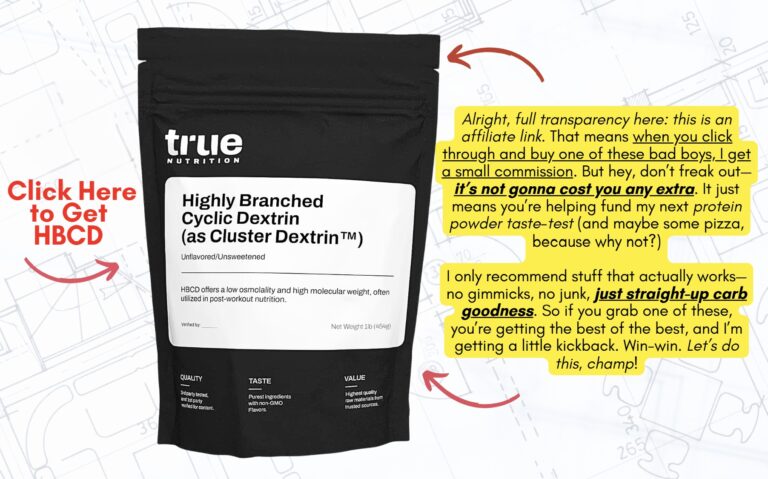
True Nutrition Highly Branched Cyclic Dextrin lists a single ingredient on its Supplement Facts panel: Cluster Dextrin (Highly Branched Cyclic Dextrin), with no fillers, no sweeteners, no artificial colors, and no preservatives listed in the unflavored version. The product is sold as a pure carbohydrate powder in a bulk bag format with multiple size options. The ingredient label is one line long. That is the product. One ingredient. Zero additions. The Supplement Facts panel tells the entire story in a single row.
| Label Spec | True Nutrition HBCD |
|---|---|
| Active Ingredient | Highly Branched Cyclic Dextrin (Cluster Dextrin) |
| Ingredient Count (Unflavored) | 1 — pure HBCD, no additives |
| Flavor Options | Unflavored, plus flavored options available |
| Sweeteners | None listed (unflavored); varies by flavored SKU |
| Fillers / Flow Agents | None listed |
| Format | Bulk powder (multiple bag sizes) |
| Trademark Status | Uses Cluster Dextrin® (Glico Nutrition trademark) |
The unflavored version is the pure-play option. One ingredient. No sweetener. No flavoring agent. No anti-caking additive. A scoop of unflavored True Nutrition HBCD contains exactly what the label says: Highly Branched Cyclic Dextrin and nothing else. The flavored versions add sweeteners and flavoring agents to the ingredient panel. Flavored SKU labels should be checked individually for specific additive lists.
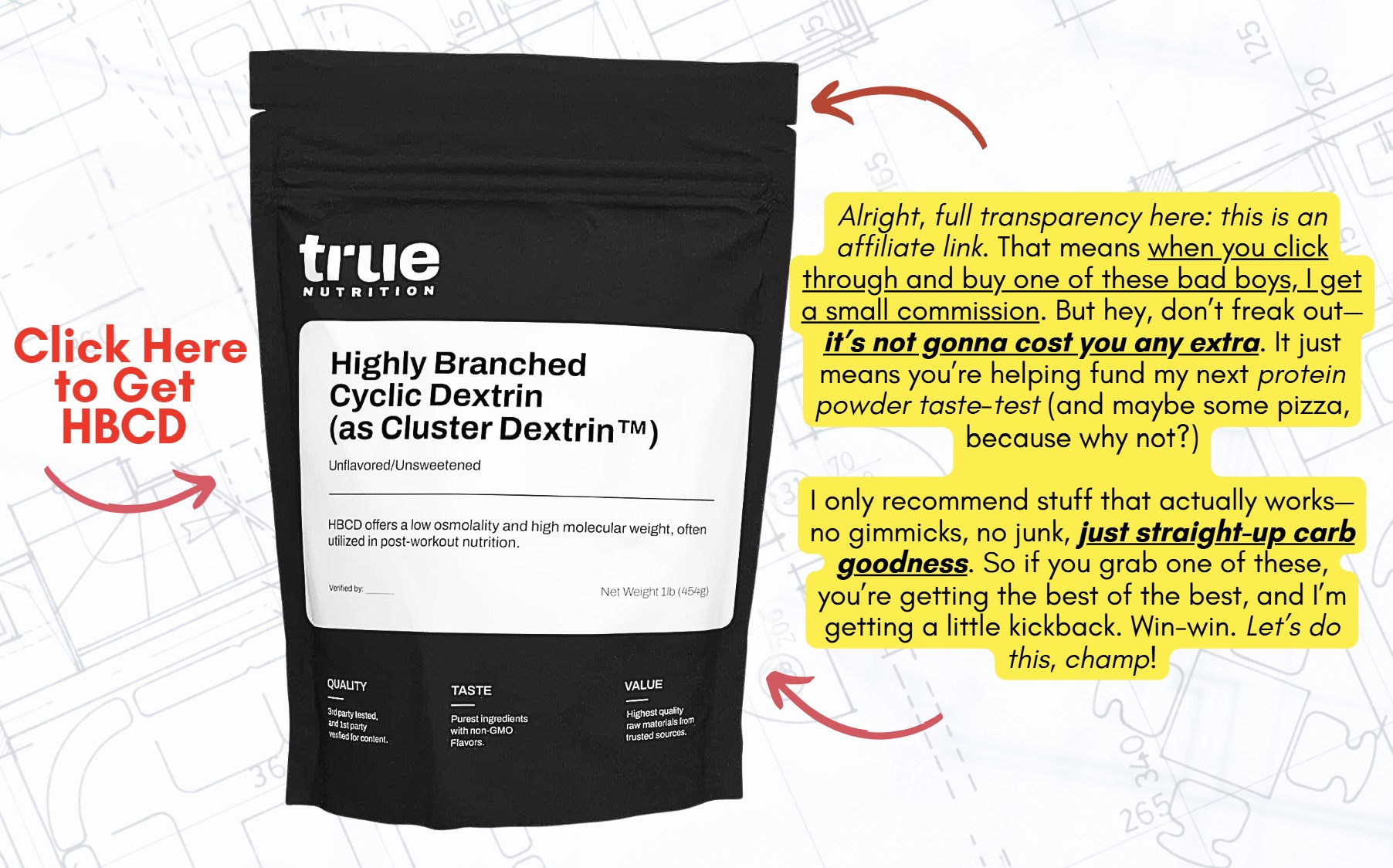
For the full ingredient panel breakdown and spec analysis: True Nutrition HBCD Review.
Who HBCD Powder Is For, Based on the Spec Sheet
The molecular weight (~160,000-400,000 Da) and osmolality (~15-25 mOsm/kg) specifications on the manufacturer data sheet differentiate HBCD from commodity carbohydrate powders like dextrose and maltodextrin. Whether those physical specifications justify the higher cost per gram is a buyer decision tied to what you are solving for in your carbohydrate supplement choice.
- The Osmolality-First Buyer: HBCD registers roughly 15-25 mOsm/kg on manufacturer spec sheets compared to dextrose at roughly 280 mOsm/kg. If osmolality is a buying criterion, the spec sheet points to HBCD by a wide margin. Maltodextrin sits in the middle at roughly 100-150 mOsm/kg.
- The Single-Ingredient Buyer: True Nutrition HBCD (unflavored) lists one ingredient on its Supplement Facts panel. No fillers. No sweeteners. No anti-caking agents. One line item. For the buyer who wants a pure carbohydrate powder with nothing added, the unflavored SKU is the spec sheet match.
- The Stacking Buyer: HBCD powder is a single-ingredient carbohydrate. It contains no added amino acids, no electrolytes, no creatine, and no stimulants. It is a blank carbohydrate canvas. For a buyer who wants to combine carbohydrates with creatine or beta-alanine in a single shaker without overlapping ingredients, a pure HBCD powder creates no formulation conflicts.
- The Budget Buyer: Dextrose and maltodextrin are commodity ingredients priced significantly lower per gram than HBCD. If the molecular weight and osmolality specs do not matter to your buying decision, dextrose or maltodextrin deliver the same 4 calories per gram at a fraction of the cost. See nutrient partitioning for context on how carbohydrate choices fit into broader nutrition strategy.
- The Flavor-Averse Buyer: Unflavored HBCD has a neutral taste profile compared to the pronounced sweetness of dextrose (roughly 70-80% of sucrose sweetness). If you want a carbohydrate powder that does not sweeten your drink, HBCD’s spec sheet lists very low sweetness relative to dextrose.
HBCD Powder FAQ: Specs, Ingredients, and Label Comparisons
- What is the difference between HBCD and Cluster Dextrin on a label?
- Highly Branched Cyclic Dextrin (HBCD) is the generic ingredient name. Cluster Dextrin is the registered trademark of Glico Nutrition (Japan) for their specific HBCD product. A label that says “Cluster Dextrin” indicates the product uses Glico-manufactured HBCD specifically. A label that says “Highly Branched Cyclic Dextrin” without the Cluster Dextrin trademark may use HBCD from a different manufacturer. The molecular structure is similar across manufacturers. The trademark is a sourcing designation.
- How does HBCD compare to dextrose on the spec sheet?
- HBCD has a molecular weight of roughly 160,000-400,000 Daltons versus dextrose at roughly 180 Daltons. HBCD registers an osmolality of roughly 15-25 mOsm/kg at 5% solution versus dextrose at roughly 280 mOsm/kg. HBCD is a tasteless fine white powder versus dextrose which is sweet (roughly 70-80% of sucrose sweetness). Two carbohydrate powders. Same calorie density (4 kcal/g). Radically different physical specifications printed on the manufacturer data sheet.
- What is in the unflavored True Nutrition HBCD ingredient panel?
- One ingredient: Highly Branched Cyclic Dextrin (Cluster Dextrin). No fillers. No flow agents. No sweeteners. No flavors. No anti-caking additives. The Supplement Facts panel lists a single line item under ingredients. Flavored versions add sweeteners and natural or artificial flavoring agents. Check the specific flavored SKU label for its additive list.
- Why is HBCD more expensive than dextrose or maltodextrin per gram?
- The price difference is driven by manufacturing complexity and the trademark licensing associated with Cluster Dextrin. Dextrose and maltodextrin are commodity ingredients produced through straightforward hydrolysis of corn starch. HBCD requires enzymatic restructuring of amylopectin into a highly branched cyclic molecular arrangement. The ingredient panel is simpler on HBCD (one ingredient). The manufacturing process behind that ingredient is more complex and more expensive.
- Does HBCD contain any allergens or restricted ingredients?
- HBCD is typically derived from waxy maize starch. It does not contain wheat, soy, dairy, eggs, fish, shellfish, tree nuts, or peanuts based on standard manufacturer disclosures. Always verify the allergen statement on the specific product label before purchase. Manufacturing facilities vary by brand.
HBCD Guide Hub: Full Breakdowns and Product Reviews
This hub connects you with every HBCD article on the site, from the structural breakdown of the molecule to the best carbohydrate powders compared head to head by published specification.
- What Is Highly Branched Cyclic Dextrin? — the full structural breakdown of the HBCD molecule, including molecular weight ranges, osmolality data, enzymatic manufacturing process, and the Cluster Dextrin trademark history.
- Best Workout Carbohydrates Compared by Spec — how HBCD, dextrose, maltodextrin, waxy maize, and cyclic dextrin stack against each other on published physical specifications and ingredient panel transparency.
- True Nutrition HBCD Full Review — the complete Supplement Facts panel breakdown, bag size options, cost per gram math, and ingredient label analysis of True Nutrition’s pure Cluster Dextrin powder.
- HBCD and Carbohydrate Supplement Timing — how single-ingredient carbohydrate powders fit into a broader supplement schedule alongside pre-workout, intra-workout, and post-workout products.
The HBCD Lexicon: Terms on the Spec Sheet and Ingredient Label
- Highly Branched Cyclic Dextrin (HBCD)
- A carbohydrate powder produced through enzymatic restructuring of amylopectin into a high-molecular-weight (~160,000-400,000 Da), low-osmolality (~15-25 mOsm/kg at 5% solution), highly branched cyclic molecular structure. Listed on Supplement Facts panels as “Highly Branched Cyclic Dextrin” or “Cluster Dextrin.” The generic ingredient name and the trademarked version refer to the same molecular category.
- Cluster Dextrin
- The registered trademark of Glico Nutrition (Japan) for their specific Highly Branched Cyclic Dextrin product. A label listing “Cluster Dextrin” indicates the Glico-manufactured version. A label listing “Highly Branched Cyclic Dextrin” without the trademark may use HBCD from a different manufacturer.
- Osmolality
- A physical measurement expressed in milliosmoles per kilogram (mOsm/kg) indicating the concentration of dissolved particles in a solution. Printed on manufacturer data sheets for carbohydrate powders. Not typically printed on retail Supplement Facts panels. A spec you must look up from the manufacturer, not from the bottle label.
- Molecular Weight
- The mass of a molecule expressed in Daltons (Da). HBCD registers roughly 160,000-400,000 Da. Dextrose registers roughly 180 Da. A physical property listed on manufacturer specification sheets, not on retail product labels.
- Amylopectin
- A branched-chain starch polysaccharide that serves as the source material for HBCD manufacturing. Enzymatically restructured to create the highly branched cyclic arrangement. Typically sourced from waxy maize starch, though other starch sources are used by some manufacturers.
- Dextrose
- A monosaccharide (single glucose molecule) with a molecular weight of roughly 180 Da and an osmolality of roughly 280 mOsm/kg at a 5% solution. The simplest and cheapest carbohydrate powder on a per-gram basis. The opposite end of the molecular weight and osmolality spectrum from HBCD.
Keep Reading: Carbohydrate & Supplement Spec Comparisons
- What Is Highly Branched Cyclic Dextrin? — the deep-dive structural breakdown of the HBCD molecule and its manufacturing process.
- True Nutrition HBCD Full Review — complete label analysis, bag sizes, and cost-per-gram breakdown of the True Nutrition product.
- Best Workout Carbs Spec Comparison — how every major carbohydrate powder stacks up on published physical specifications.
- Nutrient Partitioning Guide — how carbohydrate choices fit into broader macronutrient strategy and meal timing.
- Creatine & Beta-Alanine Stacking Guide — how to pair a pure carbohydrate powder like HBCD with ergogenic supplements in a single shaker.
- Best Pre-Workout Categories — where carbohydrate powders fit alongside stimulant and pump pre-workout formulations.