
Best Muscle Growth Supplements: Whey, Creatine,
A Levels Grass-Fed Whey tub, a Bulk Supplements Creatine Monohydrate pouch, and a Nutricost Beta-Alanine bottle all sit on the same shelf. The fight is what’s printed on the Supplement Facts panel. We stripped six bottles bare and ranked them by dose per serving, ingredient count, brand testing, and cost per effective serving so you know which ones earn a spot in your daily stack.
The 2026 Rankings: Best Muscle Growth Supplements by Label Quality
Six muscle-building supplements went head to head on dose per serving, ingredient count, brand testing, and cost per effective serving. Here is how they shook out.
#1: Whey Protein — Best Muscle-Building Foundation
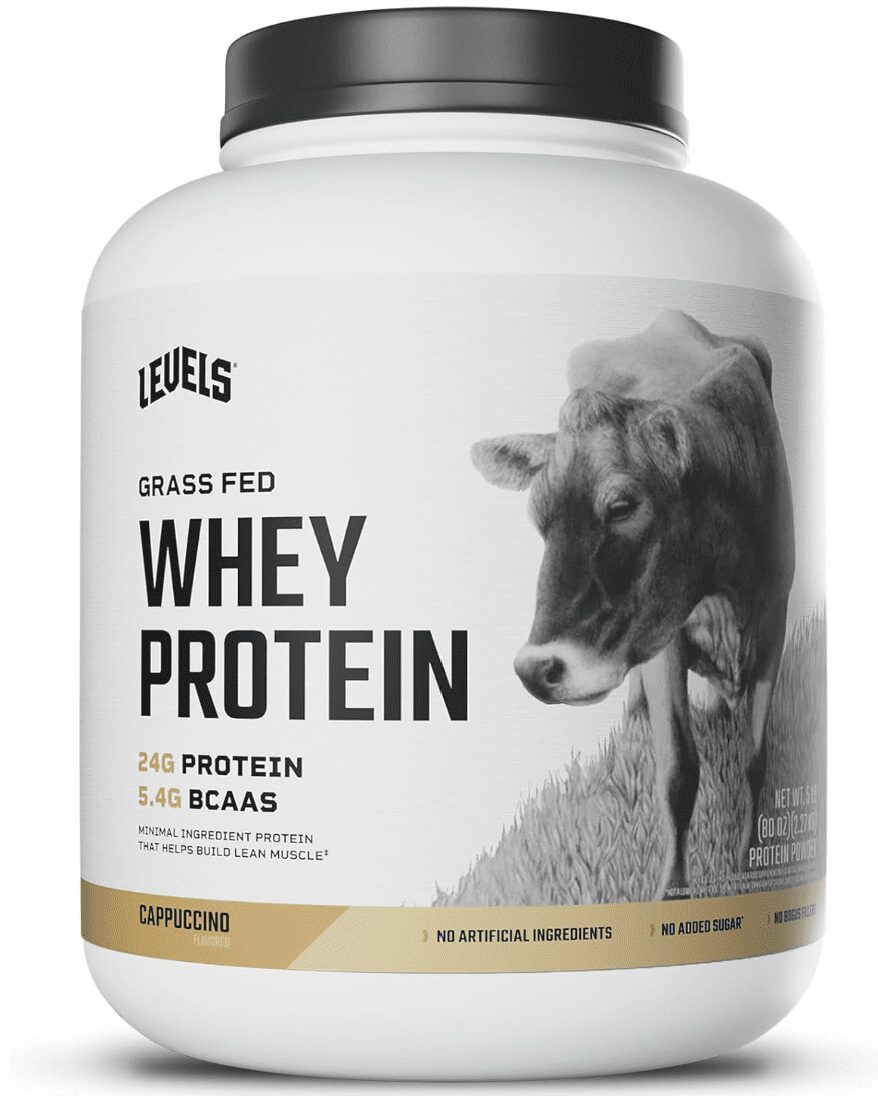
Levels Grass-Fed Whey Protein delivers 25g of protein per 33g scoop from grass-fed, pasture-raised dairy with a label that lists exactly what it needs to list and nothing else. The ingredient panel runs cold-processed whey protein concentrate, non-GMO sunflower lecithin, and natural flavors. No sucralose. No ace-K. No gums. No maltodextrin. The protein-by-weight ratio lands at roughly 76 percent. This is a concentrate, not an isolate. The cold-processing step is a manufacturing method listed on the product specifications. The cost per serving sits around $1.00 to $1.30. For a deeper breakdown of whey types across the category, see our best whey protein for easy digestion guide. For the isolate-only alternative, see our Transparent Labs Grass-Fed Whey Isolate review. For how whey fits into the broader history of supplementation, read bodybuilding nutrition evolution.
| Protein/Scoop | 25g (76% purity) |
| Source | Grass-fed, pasture-raised dairy |
| Sweetener | None (unflavored) or natural flavors |
| Cost/Serving | ~$1.00-$1.30 |
#2: Creatine Monohydrate — Best Performance Amplifier
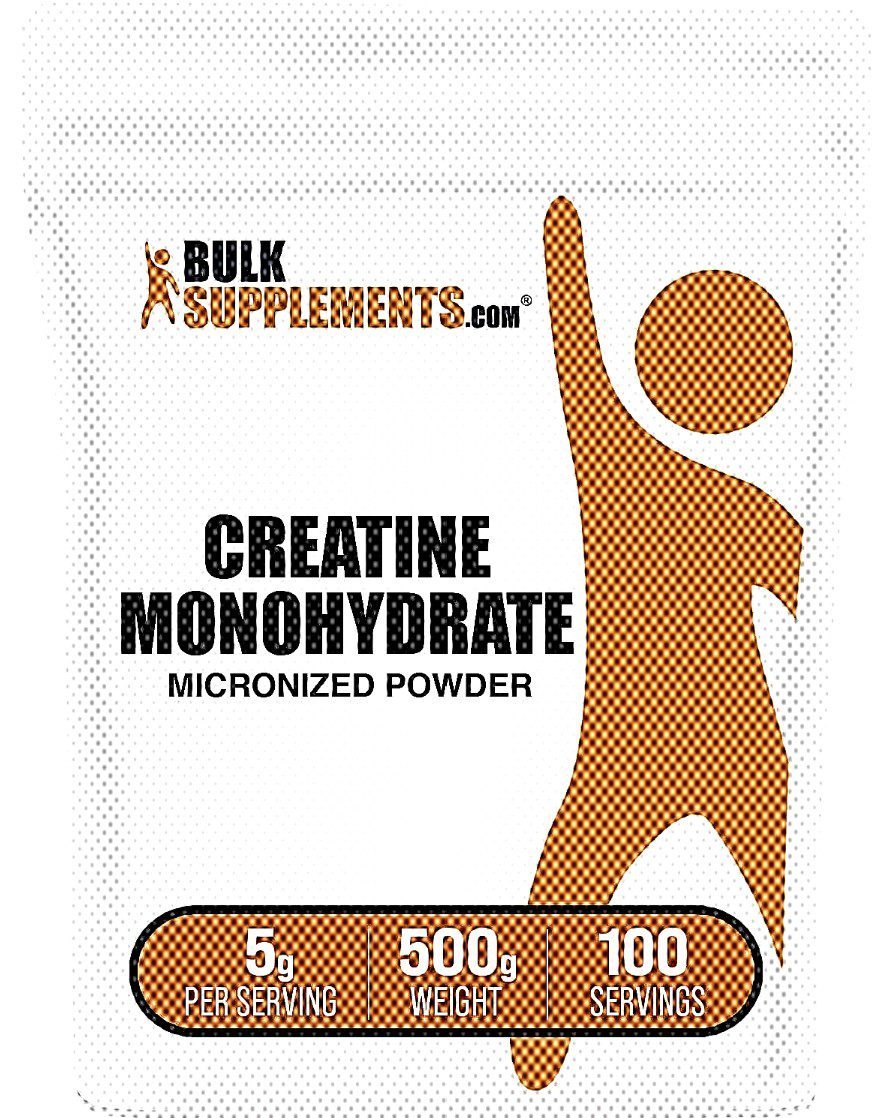
Bulk Supplements Creatine Monohydrate is a single-ingredient micronized powder that delivers 5g of creatine monohydrate per scoop with zero additives. The label lists exactly one ingredient: creatine monohydrate. No flavors. No sweeteners. No anti-caking agents beyond what micronization requires. The powder is micronized, which means the particle size is reduced for better suspension in water. This is not a proprietary blend. It is not a creatine HCL, creatine nitrate, or buffered creatine formula. It is the molecule creatine monohydrate in powdered form. The cost per 5g serving lands around $0.05 to $0.10. For the full category breakdown, see our creatine guide and our micronized creatine explained deep dive. For the best value options across the market, see top 5 creatine supplements for muscle gain.
| Dose/Serving | 5g |
| Ingredients | 1 (creatine monohydrate only) |
| Form | Micronized powder |
| Cost/Serving | ~$0.05-$0.10 |
#3: Beta-Alanine — Best Endurance Extender
Nutricost Beta-Alanine delivers 3g of beta-alanine per serving in a two-ingredient capsule (beta-alanine plus gelatin capsule) at a cost that undercuts nearly every competitor. The bottle contains beta-alanine. The capsule contains gelatin. That is the entire panel. No proprietary blends. No caffeine. No stimulants. No filler compounds. The 3g dose per serving is the amount printed on the label. The cost per serving is approximately $0.10 to $0.20, which makes it one of the most cost-effective beta-alanine options available. For the full comparison across beta-alanine brands, see our Nutricost Beta-Alanine review and our beta-alanine guide. For a sustained-release alternative, see Thorne Beta-Alanine SR.
| Dose/Serving | 3g |
| Ingredients | 2 (beta-alanine, gelatin capsule) |
| Testing | Third-party verified |
| Cost/Serving | ~$0.10-$0.20 |
#4: L-Citrulline Malate — Best Pre-Workout Pump Compound
Nutricost L-Citrulline Malate delivers 6g of citrulline malate per serving in a single-ingredient powder (citrulline malate only) at roughly $0.30 per serving. The label lists L-citrulline malate. That is the only active ingredient. No sweeteners. No flavors. No stimulants. No creatine. No beta-alanine. It is a standalone single-compound powder designed to stack cleanly with other supplements. The 6g dose per serving is the amount printed on the label. For the full ingredient breakdown, see our Nutricost L-Citrulline Malate review. For how this compound stacks against others in pre-workout formulas, see our best pre-workout categories guide.
| Dose/Serving | 6g (2:1 citrulline malate) |
| Ingredients | 1 (citrulline malate) |
| Form | Unflavored powder |
| Cost/Serving | ~$0.30 |
#5: ZMA (Zinc + Magnesium) — Best Sleep and Recovery Support
PrimaForce ZMA delivers 30mg of zinc (as zinc monomethionine and aspartate), 450mg of magnesium (as magnesium aspartate), and 10.5mg of vitamin B6 (as pyridoxine HCl) in a three-ingredient capsule. The label lists zinc, magnesium, and B6. No melatonin. No herbal blends. No proprietary sleep formulas. Just three micronutrients at fixed doses. The capsule is taken before bed per label instructions. The cost per serving runs approximately $0.15 to $0.25. For the full panel breakdown, see our PrimaForce ZMA review. For whether ZMA is worth adding to a stack, see our ZMA worth it guide.
| Active Ingredients | Zinc (30mg), Magnesium (450mg), Vitamin B6 (10.5mg) |
| Form | Capsules, pre-bed |
| Flavor/Additives | None |
| Cost/Serving | ~$0.15-$0.25 |
#6: Omega-3 (Fish Oil) — Best Daily Recovery and Joint Support
Carlson Fish Oil delivers 1,600mg of omega-3s per teaspoon with 800mg EPA and 500mg DHA in a triglyceride-form liquid with natural lemon flavor and vitamin E (mixed tocopherols) listed on the label. The ingredient panel lists Norwegian fish oil, natural lemon flavor, and mixed tocopherols. No soy. No artificial sweeteners. No gums. No fillers. The triglyceride form means the oil is in its natural molecular structure, not the ethyl ester form found in many cheaper fish oils. The bottle is dark glass. The cost per serving is approximately $0.40 to $0.60. For the full label breakdown, see our Carlson Fish Oil review. For how it stacks against other omega-3 sources, see our fish oil vs krill oil vs algae oil comparison and our best fish oil supplements guide.
| Total Omega-3/Serving | 1,600mg |
| EPA/DHA | 800mg EPA / 500mg DHA |
| Form | Triglyceride liquid |
| Cost/Serving | ~$0.40-$0.60 |
The Toolbox vs. The Single Wrench Analogy
Buying one supplement and expecting it to fill every gap is like trying to build a house with a single wrench. Whey protein is the framing hammer. Creatine monohydrate is the power drill. Beta-alanine is the extra battery pack. L-citrulline is the nail gun. ZMA is the shop vac that runs the night shift. Omega-3s are the oil can that keeps the whole operation moving. No single tool builds the house. A stack of six covers every function on the job site. Pick the tools that match the work you are actually doing.
Head-to-Head: All Six Supplements Side by Side
Each supplement has a different balance of dose per serving, ingredient count, stackability, and cost per effective serving. No single bottle sweeps every column.
| Supplement | Product | Dose/Serving | Ingredients | Cost | Label Timing |
|---|---|---|---|---|---|
| Whey Protein | Levels Grass-Fed Whey | 25g protein | 5-7 | ~$1.20 | Post-workout, between meals |
| Creatine Mono | Bulk Supplements | 5g | 1 | ~$0.08 | Daily, any time |
| Beta-Alanine | Nutricost | 3g | 2 | ~$0.15 | Pre-workout, daily |
| L-Citrulline | Nutricost | 6g | 1 | ~$0.30 | Pre-workout |
| ZMA | PrimaForce | Zn 30mg, Mg 450mg | 3 | ~$0.20 | Pre-bed, empty stomach |
| Omega-3 | Carlson Fish Oil | 1,600mg (800 EPA/500 DHA) | 3 | ~$0.50 | With a meal, daily |
Whey protein wins on the foundation column. Creatine wins on value-to-dose ratio. Beta-alanine wins on cost per gram. L-citrulline wins on single-ingredient stackability. ZMA wins on pre-bed mineral density. Omega-3s win on EPA/DHA concentration. A complete stack uses at least four of these six, each selected for a different function. For how these supplements evolved from the golden era to now, see our classic bodybuilding nutrition advice breakdown and old school vs modern bodybuilding diets.
How to Stack These Six Supplements
A pre-workout stack of beta-alanine and L-citrulline malate, a post-workout stack of whey protein and creatine monohydrate, and a pre-bed stack of ZMA with omega-3s taken at any meal covers the full training day. The timing is built around label instructions. Not around claims about what any compound does inside the body.
- Pre-Workout (per label, 20-30 min before): L-Citrulline Malate (6g) + Beta-Alanine (3g). Mix with water. No caffeine required unless you add it separately. These two compounds are commonly combined in pre-workout formulas. Here they are taken as standalone powders with zero overlapping ingredients. For a deeper dive on creatine and beta-alanine stacking, see our creatine beta-alanine stack guide.
- Post-Workout (per label, within 60 min after): Whey Protein (1 scoop, 25g protein) + Creatine Monohydrate (5g). Mix together in the same shaker. No ingredient overlap. The unflavored creatine dissolves cleanly in the flavored whey. For creatine timing specifics, see how long creatine takes to work.
- Pre-Bed (per label, 30-60 min before sleep): ZMA (3 capsules). Take on an empty stomach per label instructions. For the full ZMA breakdown, see our PrimaForce ZMA review.
- Any Meal (per label): Omega-3 (1 teaspoon Carlson Fish Oil). Take with food per label instructions. For the omega-3 deep dive, see omega-3 daily performance.
Supplements You Can Skip (And Why)
Three supplement categories consistently appear in muscle-building conversations despite label evidence that does not support their inclusion in a basic stack: BCAAs, tribulus-based blends, and standalone glutamine.
- BCAAs: If your whey protein label lists leucine, isoleucine, and valine on the amino acid panel, you are already consuming BCAAs. A standalone BCAA powder adds no additional ingredient that whole protein does not already supply at a higher total dose. The label on a whey tub already prints the amino acid profile. Save the money. See our BCAA vs EAA guide for the full breakdown.
- Tribulus-Based Blends: ZMA lists three minerals at fixed, published doses: zinc 30mg, magnesium 450mg, vitamin B6 10.5mg. Tribulus-based products list herbal blends, often with proprietary percentages. The ZMA label prints exact milligrams. The tribulus label prints “proprietary blend.” That is the label difference. Pick the bottle with printed doses.
- Standalone Glutamine: A single scoop of whey protein already contains multiple grams of glutamine, listed on the amino acid panel of the whey tub. A standalone glutamine powder adds no ingredient the whey does not already supply.
Which Supplements Match Your Goal
Training age, budget tolerance, and dietary gaps point different lifters toward different stack configurations.
Beginner Stack (3 Products)
- Whey Protein (post-workout)
- Creatine Monohydrate (5g daily)
- Omega-3s (with a meal)
- Total cost: ~$1.80/day
Intermediate Stack (5 Products)
- Everything in Beginner Stack
- + Beta-Alanine (3g pre-workout)
- + L-Citrulline Malate (6g pre-workout)
- Total cost: ~$2.25/day
Advanced Stack (All 6)
- Everything in Intermediate Stack
- + ZMA (pre-bed)
- Total cost: ~$2.45/day
Skip All Supplements If…
- You hit 1.6-2.2g of protein per kg of bodyweight from whole food daily
- Your training program has no progressive overload
- Your sleep is under six hours per night
- Supplements add to a program. They do not replace it.
Best Muscle Growth Supplements FAQ
- Which supplement is most important for muscle growth?
- Whey protein. It delivers a complete amino acid profile at 25g of protein per scoop with the fewest ingredients possible. Every other supplement on this list is optional. Protein is not. If you hit your daily protein target from whole food consistently, you can skip the whey. Most lifters cannot. See our best whey protein for easy digestion guide for the full category breakdown.
- Is creatine monohydrate really better than fancy creatine blends?
- On label evidence, yes. Creatine monohydrate lists one ingredient at 5g per serving. Buffered creatine, creatine HCL, and creatine nitrate blends list multiple compounds at lower per-serving doses, often with proprietary blend percentages hidden. The micronized monohydrate powder is the most transparent option. One ingredient. No secrets. See our micronized creatine explained guide.
- Do I need BCAAs if I already take whey protein?
- No. Whey protein labels list leucine, isoleucine, and valine in the amino acid profile printed on the tub. A standalone BCAA supplement adds no ingredient the whey does not already supply. It is a redundant purchase. See our BCAA vs EAA guide for the full comparison.
- Can I mix creatine and whey protein in the same shaker?
- Yes. Creatine monohydrate is an unflavored powder. Whey protein is a flavored powder. Mixing them in the same post-workout shaker creates no ingredient overlap. The creatine dissolves cleanly in the whey shake. See our creatine beta-alanine stack guide.
- Why take ZMA before bed instead of in the morning?
- The PrimaForce ZMA label instructs taking three capsules on an empty stomach 30-60 minutes before sleep. That is the timing printed on the bottle. See our PrimaForce ZMA review and ZMA worth it guide.
- Should I check with a professional before taking any of these supplements?
- Yes. Consult a qualified professional before starting any new supplement, particularly if you take medication, have a health condition, or are pregnant or nursing. Even a one-ingredient creatine powder is still a supplement.
Final Verdict
The six best supplements for muscle growth in 2026, ranked by label quality, are Levels Grass-Fed Whey Protein, Bulk Supplements Creatine Monohydrate, Nutricost Beta-Alanine, Nutricost L-Citrulline Malate, PrimaForce ZMA, and Carlson Fish Oil. Each owns a different column. Whey owns the protein foundation. Creatine owns the dose-per-dollar column. Beta-alanine owns cost per gram. L-citrulline owns single-ingredient stackability. ZMA owns pre-bed mineral density. Omega-3s own EPA/DHA concentration.
No single supplement builds muscle on its own. A three-product beginner stack (whey, creatine, omega-3s) covers the essentials at roughly $1.80 per day. A full six-product advanced stack covers every training support function at roughly $2.45 per day. The labels print the doses. The shaker is the delivery system. The gym is where the work happens.
Supplements are label-level tools. Whey protein lists amino acids. Creatine lists one molecule. Beta-alanine lists one amino acid. L-citrulline lists one compound. ZMA lists three minerals. Omega-3 lists two fatty acids. That is the entire stack. Six bottles. Six labels. No proprietary blends. No hidden doses. Pick the ones that fill the gaps in your nutrition and training. Take them consistently. The label tells you what is inside. The gym tells you if the program is working.
Verdict: Whey + Creatine + Omega-3s Are the Non-Negotiable Three
Three to six bottles. Labels you can read without a chemistry degree. Doses printed without asterisks. Take them daily. Train consistently. Supplements add to the work. They do not replace it.
Related Supplement and Training Guides
- Best Whey Protein for Easy Digestion
- Transparent Labs Grass-Fed Whey Review
- Creatine: Benefits, Dosage, and Safety
- Micronized Creatine Explained
- Top 5 Creatine Supplements for Muscle Gain
- Creatine Beta-Alanine Stack Guide
- Beta-Alanine Guide
- Nutricost Beta-Alanine Review
- Nutricost L-Citrulline Malate Review
- PrimaForce ZMA Review
- Is ZMA Worth It?
- Carlson Fish Oil Review
- Fish Oil vs Krill Oil vs Algae Oil
- Best Fish Oil Supplements
- BCAA vs EAA for Recovery
- Bodybuilding Nutrition Evolution
- Old School vs Modern Bodybuilding Diets
- Classic Bodybuilding Nutrition Advice