Post-workout muscle soreness is a hardware problem, not a software glitch. The right percussion massage gun, a cold plunge tub, a compression boot, and a whey protein isolate are tools that attack the physical aftermath of training, not the idea of it. Foam rolling alone will not save you. Ice alone will not save you. We stripped the recovery market down to what actually sits in your gym bag, on your floor, and in your shaker, and ranked the gear and nutrition that earn their square footage.
Overview: Recovery Is Hardware, Nutrition, and Time
Post-workout muscle soreness is not one problem with one fix. It is a tissue-level repair job that demands mechanical tools, nutritional inputs, and clock hours in roughly equal measure. The market sells you a single magic bullet: a gun, a supplement, a foam roller, an ice bath. The reality is that the lifter who recovers fastest is the one who stacks multiple modalities and commits to the unsexy stuff — sleep, protein timing, and hydration — before buying the expensive toys. This guide breaks down every category of recovery gear and nutrition on the shelf in 2026, ranked by what it actually delivers per dollar and per square foot. If you want the full inventory of muscle repair tools, our muscle recovery tools guide maps the entire floor.
The Fire Hose vs. The Bucket Brigade
Training is a fire. Your muscles are the building. A single foam roller is a bucket. A Theragun Pro, a whey isolate shake, eight hours of sleep, and a gallon of water is a fire hose connected to a hydrant. Both put water on the flames. One puts the fire out before the roof collapses. Stack the tools. Do not pick one and pray.
Recovery Hardware: Guns, Boots, Rollers, and Tubs
Percussion massage guns, compression boots, foam rollers, and cold plunge tubs are the four hardware categories that dominate the post-workout recovery market. Each attacks soreness through a different physical mechanism. None replaces the others. The best recovery setup runs at least two of these in rotation.
Percussion Massage Guns
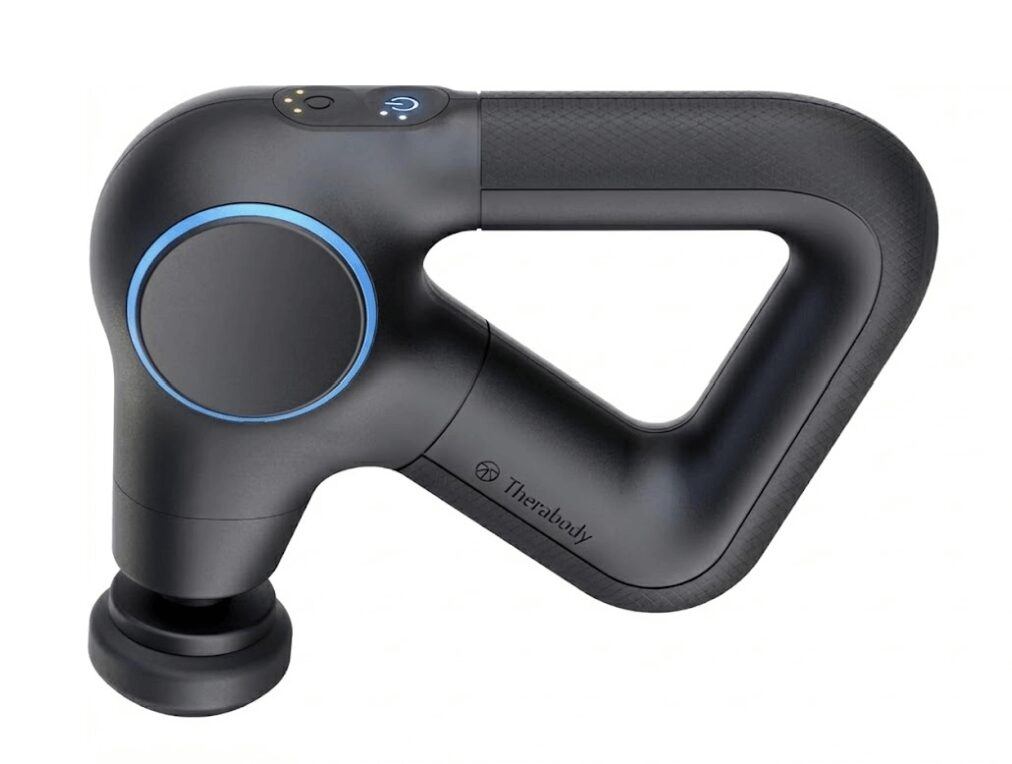
The Theragun Pro delivers 60 pounds of stall force at 2,400 percussions per minute through a brushless motor with a rotating arm that adjusts to four positions. This is the market leader. It is also roughly $599. The Opove M3 Pro 2 lands at roughly $130 with 40 pounds of stall force and a quieter motor. The Toloco sits around $80 with a basic amplitude and fewer attachments. The price ladder is straightforward: stall force, amplitude, noise level, and battery life drop as the price drops.
- Theragun Pro (6th Gen): 60 lbs stall force, 16mm amplitude, 2,400 ppm, OLED screen, rotating arm, 6 attachments, 300-minute battery. The gold standard. See our Theragun Pro full review.
- Opove M3 Pro 2: 40 lbs stall force, 12mm amplitude, 3,200 ppm, 5 attachments, quieter motor, ~roughly $130. The value pick. See our Opove M3 Pro 2 review.
- Toloco EM26: 25 lbs stall force, 10mm amplitude, 3,200 ppm, 6 attachments, ~roughly $80. The budget entry. See our Toloco massage gun review.
The Jackhammer vs. The Chisel
A Theragun Pro is a pneumatic jackhammer. It breaks concrete. An Opove M3 Pro 2 is a well-balanced chisel and mallet. It carves stone. A Toloco is a rubber mallet. It taps things into place. All three are hammers. Only one is designed for a demolition crew. Match the tool to the job. Match the price to the frequency of use.
Compression Boots
The Therabody JetBoots Prime use pneumatic compression across four overlapping chambers with three pressure levels and a wireless design that removes the hose-and-pump tether of older models. Compression boots are the most expensive recovery hardware category. They are also the most passive. You sit. They squeeze. No effort required.
- Therabody JetBoots Prime: Wireless, 4-chamber, 3 pressure levels, 120-minute battery. The premium pick. See our Therabody JetBoots Prime review.
- Quinear Compression Leg Massager: Corded, 3-chamber, 3 intensity modes, heat function. The budget alternative. See our Quinear compression review.
Foam Rollers and Manual Release
A high-density EVA foam roller with a textured surface grid costs $20 to $40 and does what a roughly $600 gun cannot: apply broad, sustained, body-weight-driven pressure across large muscle groups. This is not either/or. A foam roller and a massage gun serve different purposes. The gun targets knots. The roller blankets quads, hamstrings, and back. For targeted hip work, our best psoas release tools guide covers the smaller implements.
Cold Plunge Tubs and Heat Therapy
The Ice Barrel 500 is a rotomolded polyethylene tub that holds 105 gallons of water and stands 42 inches tall with a step-in design and no plumbing required. On the heat side, the SaunaBox XL is a portable infrared sauna tent that folds into a duffel bag and runs off a standard 110V outlet. Cold and heat are opposite ends of the same recovery dial. Neither is mandatory. Both have enthusiastic buyers.
- Ice Barrel 500: 105-gallon capacity, 42″ height, rotomolded construction, step-in access, no chiller included. See our Ice Barrel 500 review.
- SaunaBox XL: Portable infrared, 110V plug-in, folds into a duffel, heats to 140°F. See our SaunaBox XL review.
Recovery Nutrition: Protein, Omega-3s, and the Supplements That Earn Their Spot
Whey protein isolate, omega-3 fatty acids, creatine monohydrate, and collagen peptides are the four nutritional inputs that sit at the center of a post-workout recovery stack. Everything else is perimeter. The protein repairs. The omega-3s support the body’s post-training response. The creatine reloads the phosphocreatine system. The collagen targets connective tissue. Each has a label and a spec sheet. None requires faith.
Protein: The Non-Negotiable
A 28g scoop of whey isolate within the post-workout window delivers the essential amino acid load that muscle tissue demands after training. The format is preference. The dose is not. 25-40g of protein within two hours of training is the target. Fast-digesting whey isolate hits the bloodstream faster than casein or whole food. For the cleanest label on the shelf, see best whey protein for easy digestion. For the value play, Optimum Nutrition Gold Standard Whey delivers at half the price.
Omega-3s: The Recovery Amplifier
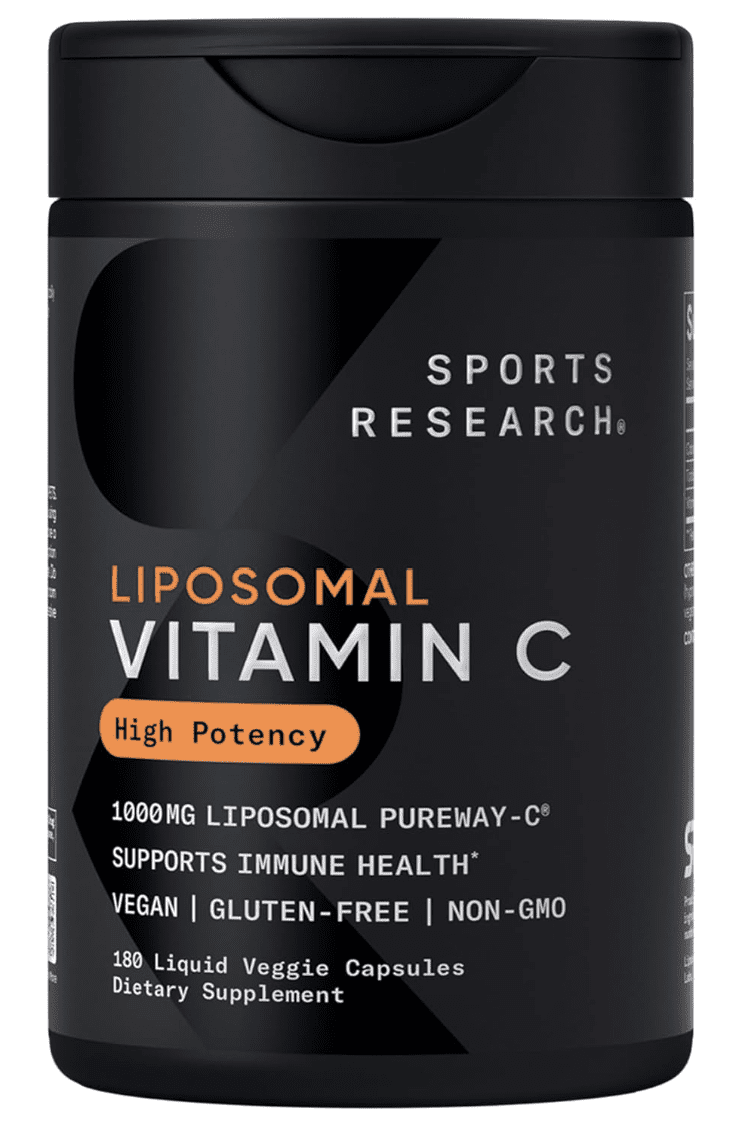
Carlson Fish Oil delivers 1,600mg of EPA and DHA per teaspoon from wild-caught Norwegian fish oil with a lemon flavor in a glass bottle with an oxygen-free headspace. Sports Research Omega-3 delivers 1,050mg of EPA and DHA per softgel from wild Alaskan pollock in a carrageenan-free softgel. Both are third-party tested. Both list exact EPA and DHA amounts. No proprietary blends.
- Carlson Liquid Fish Oil: 1,600mg EPA+DHA per teaspoon, lemon flavor, glass bottle. See our Carlson Fish Oil review.
- Sports Research Omega-3: 1,050mg EPA+DHA per softgel, Alaskan pollock, carrageenan-free. See our Sports Research Omega-3 review.
Creatine and Collagen: The Stack Add-Ons
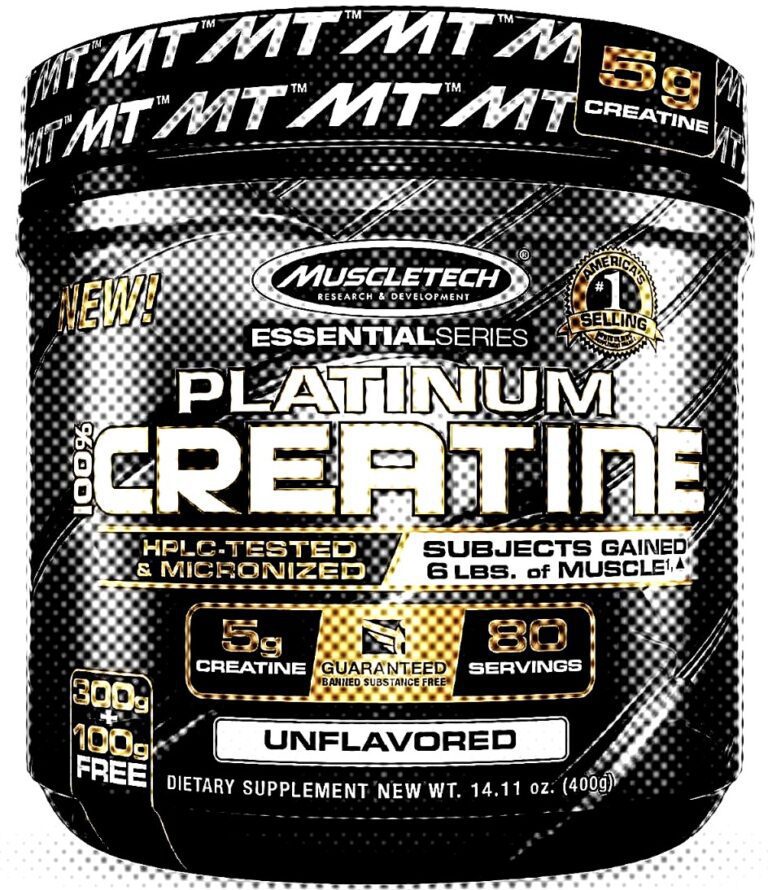
Creatine monohydrate at 5g daily saturates phosphocreatine stores and pulls water into muscle cells. It is the most researched, most cost-effective supplement in the recovery category. A tub of micronized monohydrate runs $0.08 per serving. For the full protocol, see our creatine loading guide. For how long saturation takes, see how long creatine takes to work.
Collagen peptides at 10-20g daily supply Type I and Type III collagen with high glycine and proline content. This targets connective tissue — tendons, ligaments, and joint capsules — not muscle fiber. It is a different target than whey. For the full breakdown of collagen options, see our best collagen supplements for lifters guide.
Joint-Specific Recovery: Cissus and UC-II
Cissus quadrangularis extract, standardized to 5% ketosterones, is a plant-derived joint support ingredient that fills the gap between protein and pain relief. PrimaForce Cissus delivers 800mg per capsule at a 5% ketosterone standardization. Nutricost Cissus delivers 1,200mg per serving at a different extract ratio. For the full comparison, see our PrimaForce Cissus review and Nutricost Cissus review. For the collagen alternative, UC-II undenatured type II collagen takes a different approach entirely.
Recovery Methods: The Trade-off Matrix
Every recovery tool and supplement trades cost, time commitment, and square footage for perceived relief. No single method sweeps every column.
High-Impact, Low-Cost
- Sleep (8 Hours): Zero dollars. Highest impact. Non-negotiable.
- Hydration (1 Gallon): Nearly free. Underrated. Water is the cheapest recovery supplement on earth.
- Foam Roller ($20-40): One-time purchase. Decades of use. Zero maintenance.
- Protein Powder ($0.90-$2.00/serving): The nutritional backbone. See best whey picks.
- Creatine Monohydrate ($0.08/serving): The cheapest supplement per gram of active in the industry.
High-Impact, High-Cost
- Percussion Gun ($80-$600): Stall force and amplitude scale with price. See Theragun Pro vs Toloco.
- Compression Boots ($100-$800): Passive recovery that requires sitting still. See JetBoots Prime.
- Cold Plunge ($1,000+): Rotomolded tub plus chiller. Permanent floor space. See Ice Barrel 500.
- Omega-3s ($0.30-$1.00/serving): Varies by EPA/DHA concentration. See Carlson vs Sports Research.
Who Each Recovery Tool Is For (and Not For)
Match the tool to your training volume, budget, floor space, and soreness tolerance. A powerlifter squatting 500 pounds needs different recovery than a three-day-a-week lifter on a linear progression.
Get a Massage Gun If…
- You train 4+ days per week with heavy compound lifts
- You have specific knot and trigger point pain, not general soreness
- You want targeted, on-demand percussion without a second person
- You are willing to spend $100-$600 for a brushless motor with real stall force
Skip the Massage Gun If…
- You train 2-3 days per week with moderate volume
- General soreness, not specific knots, is your complaint
- A foam roller already covers your needs for roughly $25
- You have an injury that needs a professional, not a power tool
Get Compression Boots If…
- You spend hours on your feet for work and then train legs
- You want passive recovery you can do while watching TV
- Leg-specific soreness and swelling are your primary complaints
- You have the floor space and the $200-$800 budget
Skip Compression Boots If…
- Your training is upper-body dominant
- You are not standing for long shifts outside the gym
- The budget is better allocated to protein, sleep, and a foam roller first
- You dislike sitting still for 20-30 minutes (the boots demand passivity)
Recovery Tool Comparison: The Hardware Spec Sheet (2026)
Each tool has a cost, a stall force or pressure rating, a power source, and a footprint. The spec sheet tells you more than the marketing copy.
| Product | Category | Key Spec | Price Range |
|---|---|---|---|
| Theragun Pro (6th Gen) | Percussion Gun | 60 lbs stall force, 16mm amplitude | $599 |
| Opove M3 Pro 2 | Percussion Gun | 40 lbs stall force, 12mm amplitude | ~$130 |
| Toloco EM26 | Percussion Gun | 25 lbs stall force, 10mm amplitude | ~$80 |
| Therabody JetBoots Prime | Compression Boots | Wireless, 4-chamber, 3 pressure levels | $799 |
| Quinear Leg Massager | Compression Boots | Corded, 3-chamber, heat function | ~$100 |
| Ice Barrel 500 | Cold Plunge | 105 gallons, rotomolded polyethylene | $1,199 |
| SaunaBox XL | Portable Sauna | Infrared, 110V, folds into duffel | ~$500 |
The Free Recovery Stack: Sleep, Water, and Food Timing
Eight hours of sleep, a gallon of water daily, and a 40g protein dose within two hours of training are the three recovery inputs that cost nearly nothing and outperform every gadget on the market. No percussion gun fixes a four-hour sleep night. No cold plunge compensates for chronic dehydration. No compression boot overrides a protein-deficient diet. The best recovery stack starts with the free stuff. The hardware is the amplifier. It is not the foundation.
- Sleep: 7-9 hours. Dark room. Cool temperature. Consistent bedtime. Zero dollars. The most potent recovery tool in existence.
- Water: 0.5-1 gallon daily. More on training days. More in summer. The cheapest supplement per unit of recovery impact.
- Protein Timing: 25-40g within 2 hours post-training. Whey isolate hits fastest. Whole food works. Consistency over perfection. See our BCAA vs EAA recovery guide for the amino acid breakdown.
The Race Car Analogy
You own a Formula 1 car. You bolt on a roughly $599 Theragun Pro and a roughly $799 JetBoots system. You fuel it with three hours of sleep and a gas station hot dog. The car will not finish the lap. The free stuff — sleep, water, protein — is the fuel, the tires, and the oil. The gadgets are the spoiler and the carbon fiber dash. Build the engine first. Bolt on the accessories second.
Post-Workout Recovery FAQ
- What is the single best recovery tool for muscle soreness?
- Sleep. Zero dollars. Highest impact. If you are sleeping less than seven hours, no percussion gun, compression boot, or cold plunge will close the gap. After sleep, a whey protein isolate within two hours of training is the next highest-impact, lowest-cost input. See our best whey picks.
- Do percussion massage guns actually work for soreness?
- A massage gun delivers mechanical percussion at a specific amplitude and stall force. The Theragun Pro delivers 60 lbs of stall force at 16mm amplitude. Toloco delivers 25 lbs at 10mm. The spec sheet tells you how hard and how deep the gun hits. The gun itself is a hardware tool. It applies physical force. What that force does depends on how you use it.
- How does cold plunging compare to compression boots?
- They are different categories. A cold plunge tub like the Ice Barrel 500 applies cold exposure across the entire body. Compression boots like the JetBoots Prime apply pneumatic pressure to the legs only. Cold is a systemic stimulus. Compression is a localized, mechanical one. They do not replace each other. They stack.
- What supplements should I take after a workout for soreness?
- The core four: whey protein isolate (25-40g), creatine monohydrate (5g daily), omega-3s (1,000-2,000mg EPA+DHA), and collagen peptides (10-20g) for connective tissue. Everything else is optional. See creatine beta-alanine stack for the pre-workout angle.
- How long should I wait to use a massage gun after training?
- There is no mandatory waiting period printed on the spec sheet. Most lifters use the gun immediately post-training or later that evening. The gun is a physical tool. Use it when soreness is present. Avoid bony prominences and areas with acute injury.
- Is a foam roller enough or do I need a massage gun?
- A high-density EVA foam roller at roughly $25 covers broad muscle groups with body-weight pressure. A massage gun at $100-$600 targets specific knots with motor-driven percussion. They complement each other. The roller is the blanket. The gun is the scalpel. Most lifters should own a roller before they buy a gun.
Final Verdict
Post-workout recovery is not a gadget problem. It is a stack problem. The optimal recovery stack runs in this order: eight hours of sleep, a gallon of water, a 28g whey isolate shake, 5g of creatine monohydrate, and a foam roller. That is the foundation. It costs roughly $1.50 per day including supplements and the one-time foam roller purchase. Everything after that — the roughly $599 Theragun Pro, the roughly $799 JetBoots Prime, the roughly $1,199 Ice Barrel 500 — is an amplifier. It makes a good recovery stack better. It does not make a bad recovery stack good.
For the lifter on a budget: Sleep, water, whey protein, creatine, and a foam roller. Total monthly cost: roughly $50-60. This stack alone outperforms any single $600 gadget without the foundation in place.
For the lifter with disposable income: Add a percussion massage gun. The Opove M3 Pro 2 at roughly $130 is the value sweet spot. The Theragun Pro at roughly $599 is the no-compromise pick. Add compression boots if leg training volume is high. Add a cold plunge if the budget and floor space allow. Stack the tools on top of the foundation. Never instead of it.
Recovery is not one product. It is not one magic supplement. It is sleep duration, protein timing, hydration volume, and the hardware you deploy on top. The lifter who recovers fastest is not the one with the most expensive gun. It is the one who stacks the free stuff first and spends money only on what amplifies an already-sound foundation. Build the engine. Bolt on the spoiler later.
Verdict: Stack the Free Stuff First, Then Buy Hardware
Sleep, water, whey protein, creatine, and a foam roller. $1.50/day. That is the recovery foundation. Massage guns, compression boots, and cold plunges amplify it. They do not replace it. Build the base. Add the toys later.
Related Recovery and Supplement Guides
- Muscle Recovery Tools: Complete Guide
- Theragun Pro (6th Gen) Review
- Opove M3 Pro 2 Massage Gun Review
- Toloco Massage Gun Review
- Therabody JetBoots Prime Review
- Quinear Compression Leg Massager Review
- Ice Barrel 500 Cold Plunge Review
- SaunaBox XL Portable Sauna Review
- Best Psoas Release Tools
- Best Whey Protein for Easy Digestion
- Optimum Nutrition Gold Standard Whey Review
- Carlson Fish Oil Review
- Sports Research Omega-3 Review
- Best Collagen Supplements for Lifters
- PrimaForce Cissus Review
- Nutricost Cissus Review
- UC-II Undenatured Type II Collagen Review
- Creatine Loading Guide
- How Long Creatine Takes to Work
- BCAA vs EAA for Recovery
- Creatine Beta-Alanine Stack Guide