Theragun PRO Gen 5 is a premium percussive therapy device engineered around a 16mm amplitude and an EQ150 brushless motor. Designed to withstand 60 pounds of stall force, it targets dense muscle tissue that frequently stalls lighter consumer models. This is our 2026 technical breakdown. We analyze the motor specifications, evaluate the mechanical stroke depth, and compare its performance metrics against the broader market. The ultimate question is whether its heavy-duty mechanics justify the steep price tag for the average user.
Price Disclaimer: Prices shown are approximate and may vary. Check current pricing and availability on Amazon.
Force, Stroke, and Motor: The Mechanical Truth
The 16mm amplitude is the defining characteristic that separates the Theragun PRO from standard vibratory massagers. Amplitude dictates stroke depth—how far the head travels before retracting. While many consumer devices hover around 10mm, the PRO’s 16mm stroke is engineered to provide deeper mechanical feedback to thick tissue groups like the hamstrings and the latissimus dorsi, aiming to temporarily alleviate localized tension.
The device features a 60-pound stall force rating. This means the motor is built to maintain its stroke depth even when absorbing heavy, user-applied pressure without choking out. For larger strength athletes who need to lean their body weight into the device to address dense tissue, this robust motor prevents the tool from stalling mid-session.
The Gen 5 introduces QuietForce Technology, which the manufacturer claims reduces acoustic output by 20% compared to previous iterations. Registering between 52 and 67 decibels, it is noticeably quieter, though still not silent. You control the 1,750 to 2,400 PPM percussion speed spectrum via a built-in OLED screen, which also displays a real-time force gauge to help users monitor the exact amount of mechanical pressure they are applying.
Pros & Cons: The Honest Breakdown
| The Advantages | The Limitations |
|---|---|
| Deep Amplitude: The 16mm stroke reaches dense muscle tissue that shallow consumer devices struggle to impact. | Diminishing Returns: A $99 generic Amazon massage gun achieves roughly 90% of the perceived recovery benefits for the average, casual user. |
| No-Stall Motor: 60 lbs of stall force prevents the motor from bogging down when heavy pressure is applied. | Ergonomic Weight: At 3.2 lbs, the heavy-duty motor makes it bulkier and heavier to hold during long sessions than lighter alternatives. |
| Biofeedback: The OLED force gauge provides helpful, real-time feedback on application pressure. | Acoustic Output: While quieter than older models, the 52-67 dB range is still louder than direct competitors utilizing Quiet Glide tech. |
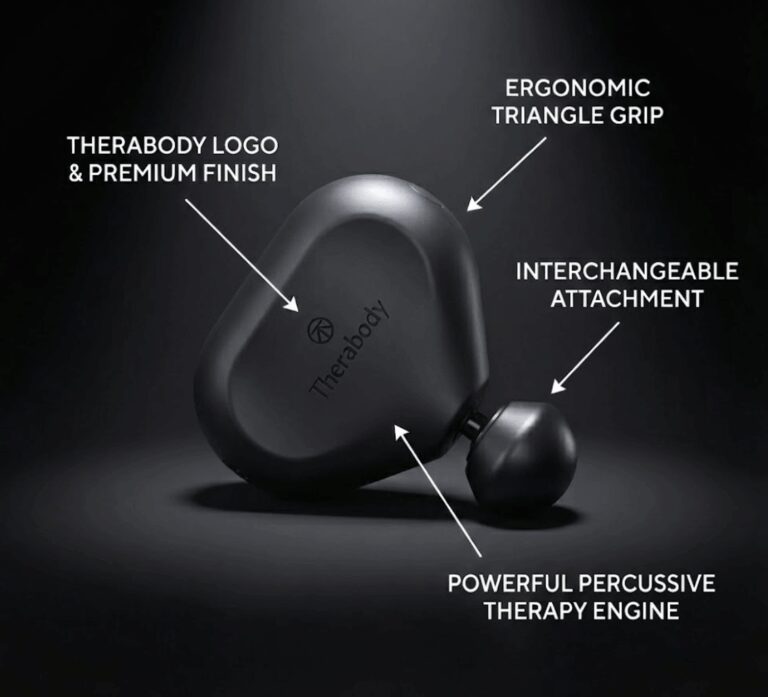
| Design: The triangular handle and adjustable arm assist users in reaching the posterior chain without a partner. | Over-Engineered: The 16mm amplitude can actually feel too aggressive or painful for lighter users with low muscle density. |
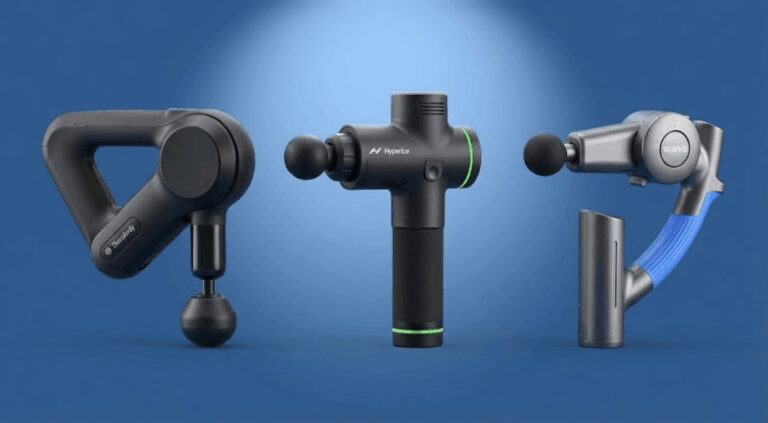
Market Contrast: Theragun PRO vs. Hypervolt 2 Pro
| Parameter | Theragun PRO Gen 5 | Hypervolt 2 Pro |
|---|---|---|
| Amplitude | 16mm | 14mm |
| Stall Force | 60 lbs | ~40 lbs (estimated) |
| Noise Profile | 52-67 dB | Quieter (Quiet Glide) |
| Price | Premium ($599 MSRP) | Mid-range ($349 MSRP) |
For the full head-to-head analysis, read our Theragun vs Hypervolt technical breakdown.
The Bottom Line
The Theragun PRO Gen 5 is an incredibly robust percussive therapy instrument, but it is built for a very specific demographic: athletes with high muscle density that routinely stall out cheaper, lighter devices. If you do not explicitly need the 16mm stroke depth and the 60-pound stall force to address deep tissue, you are overpaying for mechanical capacity you will never utilize.
16mm of Mechanical Force
The PRO is engineered for those who demand the deepest stroke on the consumer market. If that aligns with your needs, check the current hardware pricing below.