A bodybuilding diet for lean muscle is a structured eating protocol built on gram-per-pound protein targets, a caloric surplus held to 200-400 calories, and whole-food carb sources timed around training. It is built for lifters who want muscle accretion without the waistline expansion that comes with unfocused bulking. We broke down the macro framework, the food roster, the supplement stack, and how the old-school bulk compares to the modern lean-gain approach to see what actually holds up.
Overview: A Structured Eating Protocol for Lean Tissue Accrual
A bodybuilding diet for lean muscle supplies 0.8 to 1.2 grams of protein per pound of bodyweight, a 200 to 400 calorie daily surplus, and carbohydrate timing anchored to the training window. The framework is not complicated. Execution is. The diet runs on measured quantities, not hunger cues. It treats food as a construction material with a build sheet, not as entertainment. The old-school bulk — made famous by old-school bulking diets and Golden Era bodybuilders — threw calories at the wall and accepted fat gain as the cost of muscle. The modern lean-gain approach tightens the surplus window, cleans the food sources, and uses the scale and the mirror as dual feedback loops. For the full historical arc of how bodybuilding nutrition evolved from steak-and-eggs simplicity to macro-periodized precision, read our bodybuilding nutrition evolution timeline.
The Brick-by-Brick Analogy
The old-school bulk is a cement truck backing up to the foundation and dumping the entire load. Some lands on the slab. Most spills into the yard. A lean muscle diet is a bricklayer with a trowel and a level — each brick placed, each calorie accounted for, each macro measured. The cement truck builds a wider house. The bricklayer builds a taller one. Pick your contractor.
The Macro Framework: Gram Targets, Not Guesswork
A lean muscle diet runs on three numerical targets — protein in grams per pound, fat held at 20-30% of total calories, and carbohydrates filling the remainder of the surplus. The framework is arithmetic, not intuition. The variables are bodyweight, activity level, and rate of gain on the scale. Below are the starting points. Adjust every two weeks based on what the mirror and the scale report.
- Protein: 0.8 to 1.2 grams per pound of bodyweight. A 180-pound lifter targets 144 to 216 grams daily. Whole-food sources anchor the bulk of it. A whey protein isolate or concentrate fills the gaps. For a clean four-ingredient isolate, see our best whey protein for easy digestion guide. For the mass-market value option, Optimum Nutrition Gold Standard Whey delivers 24g per scoop at roughly $0.90 per serving — see the full breakdown in our Gold Standard Whey review.
- Fat: 20-30% of total daily calories. For a 3,000-calorie lean bulk, that is 67 to 100 grams of fat. Sources: whole eggs, avocado, olive oil, fatty fish, nuts. Fat supports hormonal function and provides a caloric density that makes hitting surplus targets possible without eating until you hate yourself. For a clean omega-3 source that fits the lean muscle framework, see our Carlson Fish Oil review.
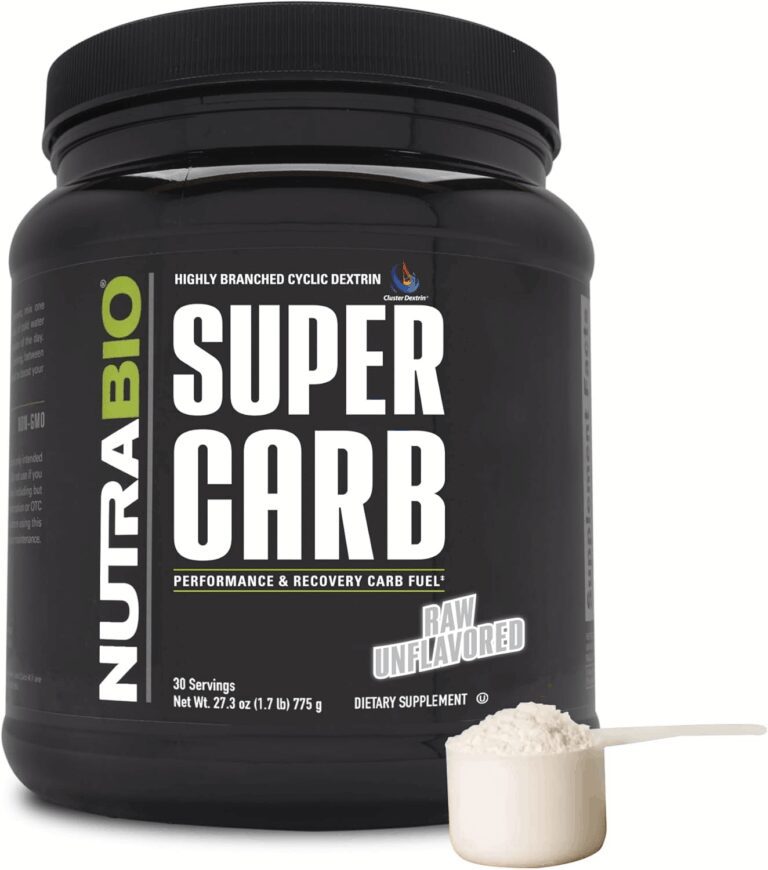
- Carbohydrates: The remainder after protein and fat are set. On a 3,000-calorie day with 200g protein (800 calories) and 80g fat (720 calories), carbohydrates fill 1,480 calories — roughly 370 grams. Timing matters. The bulk of carbs lands in the pre-workout and post-workout windows. Sources: white rice, jasmine rice, sweet potato, oats, cream of rice, and fruit. These are high-glycemic, low-fiber, and digest fast. For lifters who struggle with carb partitioning, see our breakdown of nutrient partitioning.
- The Surplus Ceiling: 200 to 400 calories above maintenance. Aggressive surpluses — 500, 700, 1,000 calories — accelerate fat gain without meaningfully accelerating muscle accrual. The lean muscle diet caps the surplus. Gains come slower on the scale. They come cleaner on the waistline. For lifters who want to shed fat first, see our lose belly fat guide and best protein for cutting phase.
“The difference between a bulk and a lean bulk is the slope of the weight-gain line on your spreadsheet. A bulk climbs at 1.5 to 2 pounds per week and accepts a 1-to-1 ratio of fat to muscle. A lean bulk climbs at 0.5 to 1 pound per week and aims for a 1-to-3 ratio. The food choices are similar. The portion sizes are not.”
— Charles Damiano, B.S. Clinical Nutrition
The Food Roster: What Goes on the Plate
A lean muscle diet pulls from a fixed roster of whole-food proteins, high-glycemic carbohydrate sources, and unsaturated fat sources repeated across five to six meals daily. Variety is not the goal. Consistency is. The roster below is not a list of suggestions. It is the starting pantry. Rotate within it. Do not improvise beyond it until you have eight weeks of scale data.
- Protein Sources: Chicken breast, 93/7 ground turkey, 96/4 ground beef, top sirloin, flank steak, whole eggs, egg whites, Greek yogurt (plain, full-fat or 2%), cottage cheese, wild-caught salmon, cod, tilapia, whey protein isolate, micellar casein. For slow-digesting nighttime protein, see our best micellar casein guide.
- Carbohydrate Sources: White rice, jasmine rice, basmati rice, cream of rice, rolled oats, sweet potato, white potato, sourdough bread, rice cakes, banana, pineapple, dates, raisins. These digest fast and sit light in the stomach when you are eating five meals a day and training hard.
- Fat Sources: Extra virgin olive oil, avocado, almond butter, cashews, walnuts, chia seeds, flax seeds, whole eggs, fatty fish. Fat is the lever that makes caloric surplus achievable without adding meal volume. A tablespoon of olive oil is 120 calories with zero stomach footprint.
- Vegetable Sources: Broccoli, asparagus, spinach, green beans, bell peppers, zucchini. These are fiber, micronutrient, and volume vehicles. They do not contribute meaningful calories. They contribute gut motility and micronutrient coverage.
- The Supplement Stack (Minimalist): Whey protein for post-workout amino acid delivery. Creatine monohydrate at 5g daily for phosphocreatine saturation — see our creatine beta-alanine stack guide. Omega-3 fish oil for EPA and DHA intake — see Carlson Fish Oil. Vitamin D3 at 2,000-5,000 IU, especially in low-sunlight months. That is the entire supplement list. Everything else is optional and secondary to the food on the plate.
Lean Muscle Diet Pros and Cons
The trade-off is predictable, low-fat tissue accrual and complete dietary control against relentless meal prep, social friction, and a slower scale climb that tests patience.
The Advantage (Pros)
- Predictable Tissue Accrual: A 200-400 calorie surplus with 0.8-1.2g/lb protein produces lean weight gain at a measurable, adjustable rate.
- Complete Dietary Control: Every gram is accounted for. Every meal is measured. There is no ambiguity about why the scale moved.
- Training-Performance Alignment: Carbs are timed to fuel training and replenish glycogen. Energy is highest when the barbell is loaded.
- Minimal Fat Gain: The surplus is small enough that fat accretion stays low. No post-bulk panic cut required.
- Reproducibility: The diet is a system. Systems can be repeated, adjusted, and handed to someone else. Intuitive eating cannot.
The Trade-off (Cons)
- Relentless Meal Prep: Five to six meals daily requires weekend batch cooking, a stack of containers, and a food scale that lives on your counter. For busy professionals, see best protein for busy professionals.
- Social Friction: Restaurants do not print macros on the menu. Eating out requires estimation, which introduces error into a system built on precision.
- Slow Scale Feedback: 0.5 to 1 pound per week feels glacial compared to the 2-pound-per-week bulk. Patience is a requirement, not a suggestion.
- Food Monotony: The food roster is narrow by design. The same chicken, the same rice, the same avocado, day after day. This is a feature of the system, not a bug, but it wears on some lifters faster than others.
The Spreadsheet vs. The Buffet Analogy
A lean muscle diet is a spreadsheet with every cell filled. An old-school bulk is an all-you-can-eat buffet with a plate the size of a trash can lid. The spreadsheet is boring and it works. The buffet is fun and it also works — but you pay for the fun in waistline inches. Only one of these systems produces predictable outputs. The other produces memories and a cut that lasts six months. Choose the tool that matches your timeline.
Who a Lean Muscle Diet Is For (and Not For)
Match the eating protocol to your patience threshold, lifestyle structure, and body-composition starting point. A lean muscle diet is not the right tool for every lifter.
Good Fit
- Lifters who want muscle gain with minimal fat accretion
- Anyone willing to weigh, measure, and log every meal
- Intermediate and advanced lifters who cannot add 2 pounds of muscle per month and need precision
- Physique-focused trainees who compete or track progress visually
- Former dirty-bulkers who want to rebuild without the post-bulk cut
- Lifters with the lifestyle structure to meal-prep on Sundays and pack a cooler daily
Not the Best Fit
- True beginners who can add muscle on nearly any calorie-sufficient diet
- High-metabolism hardgainers who need aggressive surpluses to move the scale (see old-school bulking diets)
- Anyone unwilling to own a food scale and use it three times daily
- Lifters whose job or travel schedule makes measured meal timing impossible (see protein for busy professionals)
- People who view food primarily as pleasure and secondarily as fuel
- Those with a history of disordered eating who may find macro tracking psychologically counterproductive
How Lean Muscle Diets Compare to Other Eating Protocols
Each dietary approach has a different balance of rate of gain, fat accretion risk, tracking burden, and food flexibility. No single protocol wins every column.
| Protocol | Notable Strength | Main Consideration |
|---|---|---|
| Lean Muscle Diet (200-400 Cal Surplus) | Minimal fat gain, full macro control, reproducible system | Slow scale feedback, relentless tracking, social friction |
| Old-School Bulk (500-1,000 Cal Surplus) | Fast scale movement, food flexibility, less tracking | Significant fat gain, requires a cut afterward. See old-school bulking |
| Carb Cycling | High days fuel training, low days manage fat gain | Complex to execute, requires day-by-day macro shifts. See carb cycling for men |
| Intermittent Fasting with Surplus | Simplified meal frequency, potential adherence benefits | Hard to cram 3,000+ clean calories into a 6-8 hour window |
| Intuitive Eating (“Eat Big, Lift Big”) | Zero tracking burden, maximum food freedom | No feedback loop. Scale moves but you do not know why. See old school vs modern diets |
For lifters who want to incorporate specific supplementation into the lean muscle framework, a creatine monohydrate at 5g daily is the most evidence-backed addition — see our creatine beta-alanine stack guide. For the BCAAs versus EAAs debate, see our BCAA vs EAA recovery breakdown. For hormone-supporting food strategies, see boost testosterone foods.
Execution: The Meal Timing and Prep System
Five to six meals spaced 2.5 to 3.5 hours apart with a post-workout window anchored by whey and a high-glycemic carb is the standard lean-muscle meal architecture. The frequency is not about “stoking the metabolic fire.” That is outdated language. The frequency is about distributing a large volume of clean food across a waking day without GI distress and without forcing 1,200-calorie meals that sit like a brick.
- Meal 1 (Breakfast, 7 AM): Whole eggs, egg whites, oatmeal, fruit. Protein + fat + fiber. Sets the blood-sugar baseline.
- Meal 2 (Mid-Morning, 10 AM): Chicken breast or Greek yogurt, rice or oats. Lighter, faster-digesting.
- Meal 3 (Pre-Workout, 1 PM): White rice or cream of rice, lean protein. Low-fat, low-fiber. Digests fast. Sits light during squats.
- Meal 4 (Post-Workout, 4 PM): Whey protein isolate (30-50g) + dextrose or a high-glycemic carb like white rice or Rice Krispies. This is the only meal where a liquid protein and a fast carb are the optimal play. For the cleanest isolate option, see our best whey for easy digestion guide.
- Meal 5 (Dinner, 7 PM): Lean red meat or salmon, sweet potato or white potato, vegetables, olive oil. The largest whole-food meal of the day.
- Meal 6 (Pre-Bed, 10 PM): Cottage cheese or micellar casein, almond butter. Slow-digesting protein for the overnight fast. See best micellar casein.
Sunday Meal Prep: The entire week’s food gets batch-cooked in a 3-4 hour window. Chicken breasts hit the oven or grill. Rice goes into the rice cooker. Sweet potatoes get roasted. Vegetables get steamed. Everything gets weighed into identical containers. The fridge becomes a vending machine of pre-portioned meals. The less decision-making you do when hungry, the more the diet holds together.
Bodybuilding Diet for Lean Muscle FAQ
- How much protein do I actually need per day for lean muscle gain?
- 0.8 to 1.2 grams per pound of bodyweight. A 180-pound lifter targets 144 to 216 grams daily. The lower end works for lifters eating a large caloric surplus with ample carbs. The higher end provides a safety margin for those in a tighter surplus or cutting. Whole food anchors the bulk. Whey isolate fills the gaps.
- How fast should the scale move on a lean bulk?
- 0.5 to 1 pound per week. Faster than that and you are accruing fat beyond the unavoidable minimum. Slower than 0.25 pounds per week and you are likely not in a surplus. The scale weight is a weekly average, not a daily reading. Daily fluctuations from water, glycogen, and gut content are noise. The trend line is the signal.
- Do I need supplements to build lean muscle on this diet?
- No. The diet itself — whole-food protein, timed carbohydrates, calorie surplus — does the heavy lifting. The minimalist supplement stack is whey protein for post-workout convenience, creatine monohydrate at 5g daily, omega-3 fish oil for EPA and DHA, and vitamin D3. Everything beyond these four is optional. See our creatine beta-alanine stack guide for the creatine piece.
- Can I build lean muscle on a plant-based diet?
- Yes, but the execution is harder. Plant proteins — pea, brown rice, soy, hemp — have lower leucine content per gram than whey or animal proteins. Hitting 0.8-1.2g/lb with plant sources requires more total protein grams and often a blend to round out the amino acid profile. For a clean plant-based option, see our Isopure Plant-Based Protein review.
- How does this compare to the old-school bodybuilding diet?
- The old-school approach prioritized calorie volume above all else. Steak, eggs, milk, potatoes, and whatever else fit on the plate. Protein was high by default because the food was whole and animal-based. The surplus was aggressive — 500 to 1,000 calories — and fat gain was accepted as the cost of muscle. The modern lean muscle diet tightens the surplus, cleans the sources, and tracks everything. For the full historical contrast, read old school vs modern bodybuilding diets and old-school bulking diets.
- What is the most important tool for this diet?
- A digital food scale. Not a supplement. Not a meal plan PDF. A scale. Without it, you are guessing. Guessing produces errors. Errors compound across weeks and turn a lean bulk into a maintenance phase or a fat-gain phase without you knowing which one you are in. A food scale costs $10 to $20. It is the cheapest insurance policy in bodybuilding.
Final Verdict
A bodybuilding diet for lean muscle is the most controlled, most reproducible eating protocol for adding muscle with minimal fat gain in 2026. It runs on a 200-400 calorie surplus, 0.8-1.2 grams of protein per pound of bodyweight, carb timing anchored to the training window, and five to six measured meals spaced across the day. The food roster is narrow. The tracking burden is high. The scale feedback is slow. The trade-off is predictable tissue accrual without the post-bulk panic cut.
The old-school bulk still works for hardgainers and beginners who need aggressive surpluses to move the needle. It is simpler, more food-flexible, and psychologically easier. It also comes with a fat-gain bill that eventually comes due. The modern lean muscle diet is for lifters who would rather pay in patience than in waistline inches.
The diet is a system. Systems produce outputs you can measure, adjust, and reproduce. Intuitive eating produces outputs you cannot explain. Pick the tool that matches your timeline, your tolerance for tracking, and your willingness to eat the same six meals on a loop until the spreadsheet says you are done.
Verdict: The Most Controllable Muscle-Building System
200-400 calorie surplus. 0.8-1.2g/lb protein. Five to six measured meals. A food scale, a spreadsheet, and patience. The lean muscle diet is not fast. It is predictable. If you want the scale to move without the waistline following, this is the blueprint.
Related Bodybuilding Diet and Supplement Guides
- Optimum Nutrition Gold Standard Whey Review
- Best Whey Protein for Easy Digestion
- Best Micellar Casein for Overnight Recovery
- Best Protein for Cutting Phase
- Best Protein for Busy Professionals
- Creatine Beta-Alanine Stack Guide
- BCAA vs EAA for Recovery
- Carb Cycling for Men
- Nutrient Partitioning Guide
- Whey Protein for Fat Loss
- Old-School Bulking Diets for Muscle Mass
- Old School vs Modern Bodybuilding Diets
- Bodybuilding Nutrition Evolution
- How to Lose Belly Fat
- Foods That Boost Testosterone
- Isopure Plant-Based Protein Review
- Nutribullet 600W Personal Blender Review
- Carlson Fish Oil Review