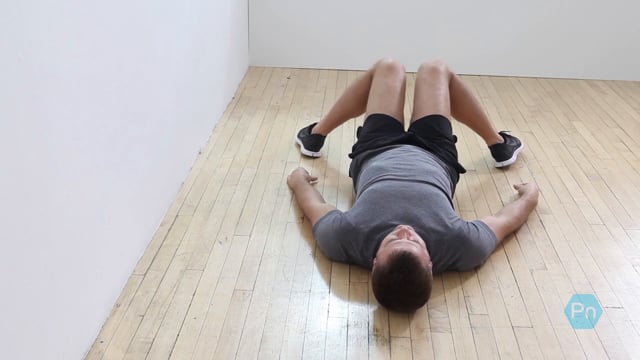
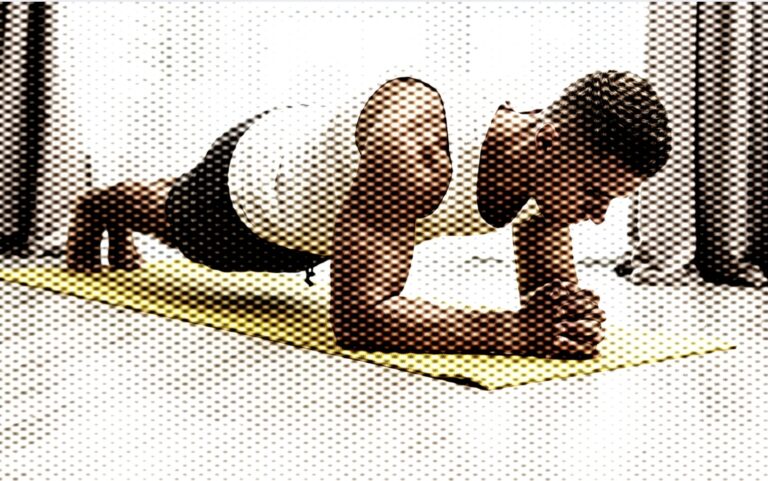
This category compiles articles dedicated to strengthening and sculpting the core, covering a wide range of exercises from foundational movements to advanced techniques. It addresses everything from achieving visible abs to building deep, functional core strength for improved athletic performance and stability.
Comprehensive Core Training
- Abdominal Exercises That Actually Work: Crush Your Core Like a Pro: A collection of highly effective abdominal exercises to build a strong and defined core.
- Core Exercises: Complete List: A comprehensive list detailing various core exercises.
- Core Exercises That Double as Full-Body Workouts: Discover core exercises that engage multiple muscle groups for a more efficient workout.
- Transform Your Core with These Functional Exercises!: Focuses on functional core exercises that improve overall movement and daily performance.
- What are some effective exercises to target my core and get those six-pack abs?: Provides specific exercises aimed at developing visible abdominal muscles.
- What Are the Best Exercises for Women to Tone Their Abs?: Tailored recommendations for women looking to tone their abdominal area.
Plank Variations & Stability
- Planks: The Ultimate Guide to Strengthening Your Core: A foundational guide to performing and progressing with standard planks.
- The Ultimate Guide to Plank Exercises for Strength and Flexibility: Expands on plank variations to enhance both core strength and flexibility.
- Can Planking Daily Improve Core Strength for Everyone?: Discusses the benefits and effectiveness of incorporating daily planking into your routine.
- Long Lever Planks: Unlock Total Core Strength: Introduces a more challenging plank variation for increased core engagement.
- Strengthen Your Core with Side Planks: Guidance on performing side planks to target the obliques and improve lateral core stability.
- Side Planks with Elevated Feet: A Comprehensive Guide: A more advanced side plank variation for increased challenge.
- Perfecting Your Single-Leg Plank Exercise: How to perform single-leg planks to enhance stability and unilateral strength.
- The Single-Arm Plank: A Core-Strengthening Powerhouse: Learn to perform single-arm planks for intense core activation and anti-rotational strength.
- How to Do Ring Planks: The Unseen Art of Forging a Steel-Spring Core: Advanced planking techniques using gymnastic rings for greater instability and muscle activation.
- How To Perform T-Pushups: A dynamic exercise that integrates a push-up with a rotational plank for core and upper body strength.
- Unlock the Power of the Plank: Unique Moves and Essential Tips: A collection of diverse plank exercises and expert advice to maximize core engagement.
Dynamic Core Movements
- Conquer Core and Cardio: How to Master the Mountain Climber: Learn how the mountain climber serves as both a core and cardiovascular exercise.
- Master the Elbow Plank Bodysaw: A Rare Gem for Core Domination: An advanced plank variation involving forward and backward motion for intense core work.
- Single-Leg Slideboard Bodysaw: Core Strength & Aesthetics: A challenging bodysaw variation using a slideboard and single-leg support for enhanced core stability and aesthetic development.
- Master the Slideboard Bodysaw Exercise: General instructions for performing the slideboard bodysaw to build a strong core.
- Turbocharge Your Core with Stir the Pot: An effective core exercise performed on a stability ball to improve anti-rotation and stability.
Ab Wheel & Reverse Crunches
- Master the Ab Wheel Iso: Unlocking Strength, Stability, and Savage Gains: Master the ab wheel rollout with an isometric hold for increased core strength and stability.
- How to Perform the Band-Resisted Ab Wheel Iso: Incorporating a resistance band to the ab wheel rollout for added challenge and core activation.
- Master the Band-Resisted Ab Wheel Iso: Core Strength Unleashed: Further guidance on utilizing band resistance with ab wheel exercises for explosive core power.
- Sculpt Your Abs with the Reverse Crunch: Learn to perform reverse crunches effectively for lower abdominal development.
Anti-Extension & Anti-Rotation
- Bird Dog Exercise: Build Ironclad Core Strength & Athletic Power (For Men Who Lift, Perform, Excel): A foundational exercise for core stability, coordination, and spinal health.
- How to Perform The Dead Bugs: Instructions for performing dead bugs, an effective exercise for anti-extension core control.
- Wall-Press for Abs: Sculpt Your Core with a Simple Move: A static exercise that engages the core by pressing against a wall.
- Hanging Unilateral Marches: Build Core Strength, Crush Imbalances: Develop core strength and address muscular imbalances through hanging unilateral marches.
- Core Strength Elevated: The Ultimate Guide to Hanging Workouts: A comprehensive guide to building core strength using hanging exercises.
- Conquer Core Mastery with the Dragon Flag: An advanced bodyweight exercise for extreme core strength and stability.
Targeting Lower Abs & Obliques
- Do Leg Raises Truly Enhance Abdominal Strength?: Explores the effectiveness of leg raises for developing abdominal strength.
- Supine Knee to Knee Pull-In: A Dynamic Core Exercise: A dynamic movement targeting the lower abs and hip flexors.