The Hyperice Normatec 3 isn’t just another recovery gadget—it’s a targeted circulatory system reboot for athletes who train hard enough to need clinical-grade muscle clearance. This is about going beyond soreness relief to measurable performance readiness.
This 2026 Buyer’s Guide breaks down the pulse technology, real-world recovery metrics, how it compares to massage guns, and whether it’s a justifiable tool in a serious athlete’s arsenal.
Disclaimer: You’re here to find a product that’ll get you results, and I’m here to help. Just a heads-up: As an Amazon Associate, I earn from qualifying purchases. If you buy through my links, I get a small commission at no added cost to you. It’s like I get a little something for doing the heavy lifting on research. Fair deal? Now, let’s get into the good stuff.
Understanding recovery tools? See our deep dive on the science behind massage guns to compare percussion vs. compression therapy.
Normatec 3 Overview & Key Specs
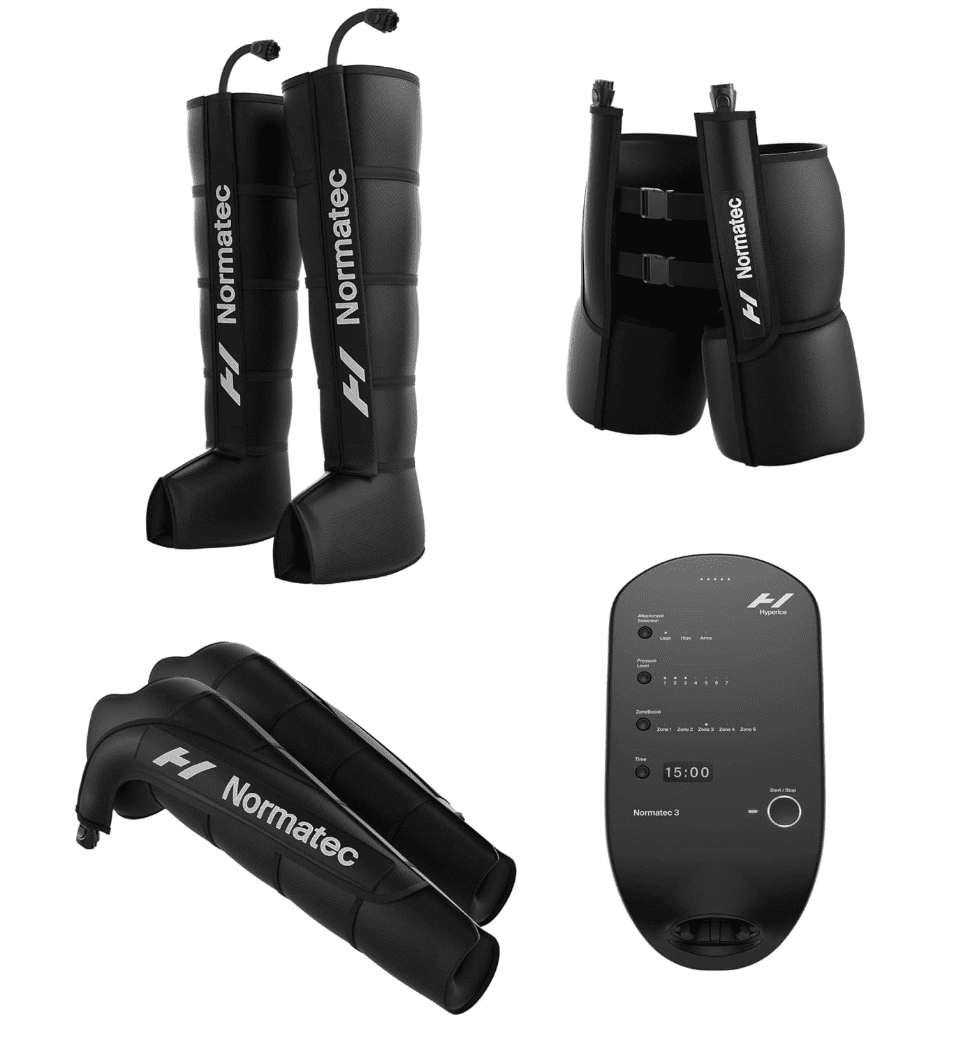
The Normatec 3 represents the evolution of pneumatic recovery from pro locker rooms to dedicated home use. It uses advanced pulse wave patterns—not just static compression—to mimic muscle pumps and enhance circulation, targeting metabolic waste removal and reducing perceived soreness.
- Technology: Patterned Pulse Technology (7 distinct compression profiles)
- Coverage: Full leg (hip to foot), arm (hand to shoulder), and hip attachments available.
- Pressure: Adjustable up to 110 mmHg (medical-grade range).
- Portability: All-in-one carry case design; battery lasts for 4+ 30-minute sessions.
- Connectivity: Bluetooth app control for custom programs and tracking.
- Warranty: 1-year comprehensive warranty.
Patterned Pulse Technology: How It Actually Works
This isn’t a simple inflate/deflate cycle. The system uses dynamic, distal-to-proximal compression waves.
The Science vs. The Marketing
- Sequential Pulse Waves: Compression starts at your feet/ankles and moves upward, actively pushing fluid toward your core—simulating your natural circulatory and lymphatic return.
- Variable Pressure Profiles: The 7 patterns range from gentle recovery to intense “heavy legs” relief, changing both pressure and rhythm.
- Medical-Grade Pressure: Up to 110 mmHg allows for deep tissue effect, comparable to some clinical pneumatic devices. This is key for athletes with significant muscle density.
“The Normatec’s advantage is systemic circulation. While a massage gun breaks up local tension, patterned compression addresses the fluid stagnation that causes overall fatigue and heaviness. It’s a different mechanism for a different aspect of recovery.”
— Eugene Thong, CSCS
Real-World Use, Timing & Measurable Benefits
How do you actually implement this, and what can you expect?
Optimal Use Cases & Timing
- Post-Training (Within 60 mins): Ideal for clearing metabolic byproducts after heavy strength sessions or high-volume conditioning from a Concept2 erg workout.
- Pre-Competition/Event: Light “wake-up” session to stimulate blood flow without nervous system fatigue.
- Travel Recovery: The portable case makes it premier for reducing edema and stiffness after long flights.
- Active Rest Days: 30-minute sessions to promote circulation without physical activity.
Tangible vs. Perceived Benefits
- Tangible: Reduced objective leg volume (measureable decrease in swelling), improved next-day range of motion.
- Perceived: Significant reduction in “heavy legs” feeling, lower subjective soreness scores (DOMS).
“From a nutritional recovery standpoint, enhancing circulation post-workout can theoretically improve the delivery of nutrients to muscles and the clearance of inflammatory markers. It’s a force multiplier for your post-training protocol.”
— Charles Damiano, B.S. Clinical Nutrition
Who the Normatec 3 Is For (And Not For)
The Normatec 3 Is Perfect For:
- High-Volume Athletes: Runners, cyclists, CrossFit athletes, and anyone whose training regularly induces significant leg fatigue and swelling.
- Strength Athletes Pushing Limits: Lifters utilizing high-frequency or high-volume squat/deadlift programming from their smart home gym.
- The Time-Efficient: People who can multi-task (work, read, watch film) during a 30-minute recovery session.
- Frequent Travelers: Those who need to combat flight-induced swelling and stiffness proactively.
The Normatec 3 Is NOT For:
- Casual Exercisers: If your workouts don’t regularly leave you with debilitating soreness or swelling, the ROI is low.
- Spot-Treatment Seekers: For targeted knot release, a quality massage gun is more effective and affordable.
- The Budget-Conscious: This is a premium investment in recovery optimization.
- Those With Certain Conditions: Contraindications include DVT, severe neuropathy, or active infections.
Potential Drawbacks (Read Before You Buy)
- Premium Price Point: Significant upfront cost for the base system; additional attachments (arms, hips) add substantially more.
- Passive Time Commitment: Requires 20-45 minutes of immobility, which some athletes find inefficient.
- Noise Level: The compressor is audible (like a quiet fridge), which can be distracting in quiet environments.
- Learning Curve: Finding the right pressure and pattern for your needs takes experimentation; too high can be uncomfortable.
“The biggest mistake is viewing this as a magic bullet. It’s a potent tool for circulatory recovery, but it doesn’t replace sleep, nutrition, or managing overall training load. It’s the finishing touch, not the foundation.”
— Eugene Thong, CSCS
Normatec 3 vs. Massage Gun vs. Compression Socks (2026 Comparison)
| Tool | Normatec 3 | Massage Gun | Compression Socks |
|---|---|---|---|
| Primary Action | Dynamic Systemic Compression | Local Percussion | Static Graduated Compression |
| Best For | Post-Training Fluid Clearance, Heavy Legs | Knot Release, Spot Treatment | Travel, During Activity Support |
| Time Investment | 20-45 min (Passive) | 5-15 min (Active) | Hours (Passive Wear) |
| Cost Level | High | Medium | Low |
“Invest in the tool that matches your primary recovery bottleneck. If it’s overall systemic fatigue and swelling, Normatec. If it’s specific muscular tightness, a massage gun. Many serious athletes eventually have both in their recovery toolkit.”
— Charles Damiano, B.S. Clinical Nutrition
Related Recovery & Performance Guides
- Massage Gun Benefits: The Science Behind Percussion Therapy
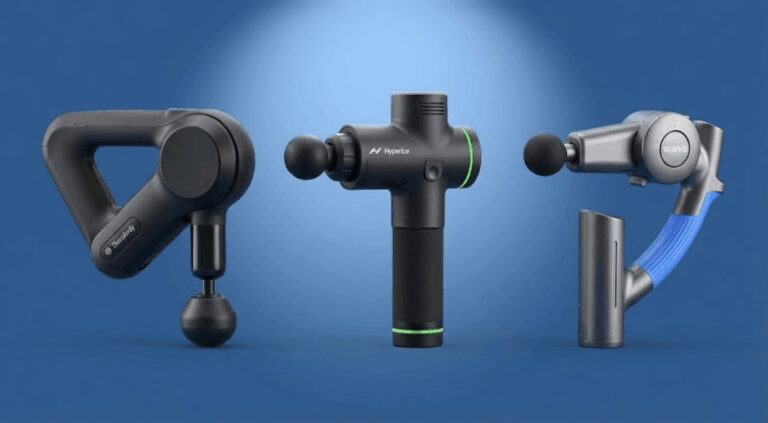
- Theragun vs Hypervolt vs Renpho: Massage Gun Showdown
- Hypervolt Go 2 Review: Portable Percussion Therapy
- The Complete Guide to Athletic Recovery
The Iron Lexicon: Recovery Tech Edition
- Patterned Pulse Technology
- Dynamic compression that moves in waves from distal to proximal extremities, mimicking the muscle pump to enhance circulatory and lymphatic return.
- Distal-to-Proximal Compression
- A compression sequence that begins at the farthest point from the body (feet/hands) and moves upward, effectively “milking” fluid back toward the core.
- mmHg (Millimeters of Mercury)
- The unit of pressure measurement; medical-grade compression devices typically operate between 30-120 mmHg for therapeutic effect.
- Passive Recovery
- A recovery modality that requires no active effort or energy expenditure from the athlete (e.g., compression boots, sleep) versus active recovery (e.g., light cardio).
- Peripheral Edema
- Swelling caused by fluid accumulation in the limbs, often due to intense exercise, injury, or travel, which dynamic compression aims to reduce.
- Lymphatic Return
- The process by which lymph fluid (containing waste products and immune cells) is moved back into circulatory system; enhanced by muscle movement and external compression.
- Contraindication
- A specific condition or factor that makes a particular treatment or device inadvisable (e.g., deep vein thrombosis is a contraindication for compression therapy).