The Dumbbell Step-Up is the definitive unilateral leg builder, designed to erase muscle imbalances and build a “quad sweep” that machines simply can’t replicate.
If you’re still relying on the leg press to build your foundation, you’re leaving 40% of your gains on the table. We’re breaking down the mechanics of the step-up to force your glutes and quads into absolute submission. This is functional power meets aesthetic perfection. Own the box or stay weak.
Disclaimer: Consult a physician or qualified trainer before starting any new exercise. This guide is for performance and aesthetic optimization and is for educational purposes only.
Dumbbell Step-Ups: Unilateral Power Engineering
The Dumbbell Step-Up is a compound movement where you propel your entire body weight onto a platform using a single leg. While the Barbell Back Squat is great for total load, the step-up exposes every weakness in your kinetic chain. It demands elite core stability and grip strength to keep the dumbbells steady as you drive toward the ceiling.
- Primary Muscles: Quads, Glutes, Hamstrings.
- Equipment Needed: Pair of Dumbbells, Sturdy Box or Bench.
- Skill Level: Intermediate. Requires balance and eccentric control.
- Key Purpose: Eradicate leg strength asymmetries and maximize glute-medius activation.
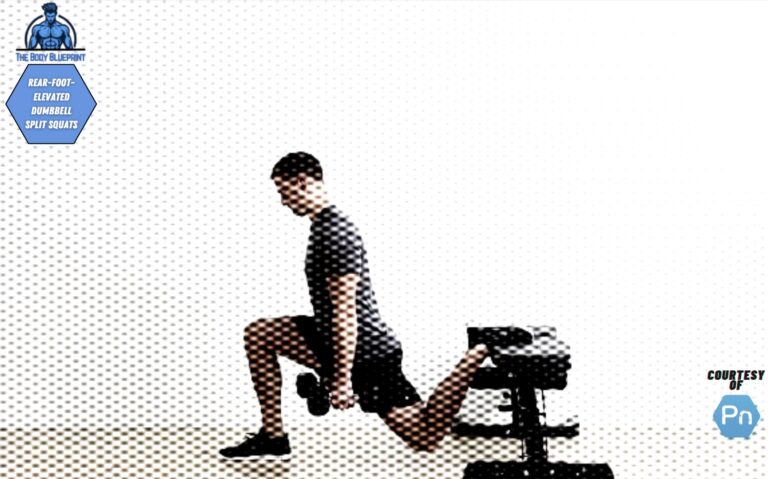
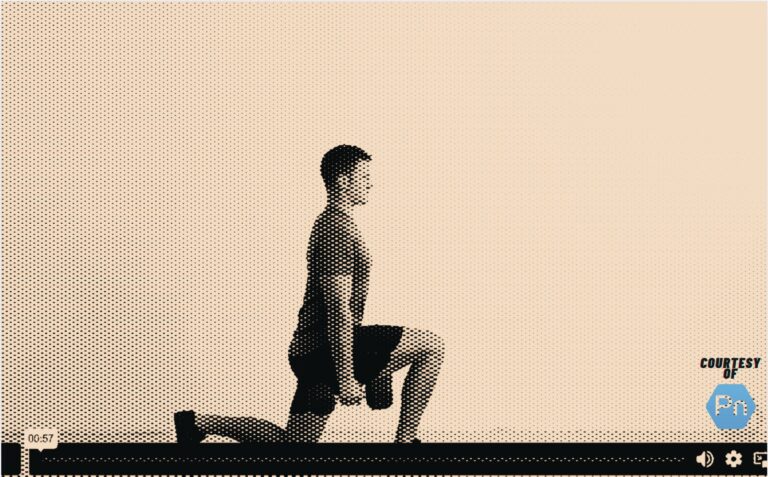
Dumbbell Step-Up instructional video. Watch the lead leg do 100% of the work.
Why Step-Ups are Non-Negotiable for Quad Sweep
Bilateral exercises allow your dominant side to hide your weaknesses. Step-ups offer no such mercy. If you want to optimize your fat loss while building muscle, the metabolic demand of high-rep step-ups is unparalleled.
- Functional Carryover: This is the ultimate “real world” strength move. It improves your deadlift lockout by building explosive hip extension.
- Glute Isolation: By leaning slightly forward, you place the glutes under a massive stretch, triggering deep fiber recruitment.
- Knee Health: It strengthens the stabilizers around the patella, making it a superior choice for long-term joint health.
- Grip Demands: Holding heavy bells for time builds the grip strength needed for elite-level pulling.
Step-By-Step Form: The 5-Point Box Blueprint
- The Setup: Stand in front of a box (mid-shin to knee height). Hold dumbbells at your sides. Prime your trunk with an Ab Wheel Iso before starting your sets.
- The Plant: Place your lead foot entirely on the box. Do not let the heel hang off. “Screw” your foot into the surface.
- The Drive: Lean slightly forward and drive through the mid-foot of the lead leg. Do not “hop” with the back foot.
- The Top: Stand tall on the box. Squeeze the glute of the working leg. Do not rest the trailing foot on the box if you want to maximize tension.
- The Descent: This is where the growth happens. Lower yourself over a 3-second count. Stay in control until your back foot touches the floor.
“The step-up is often ruined by the ‘cheat hop.’ If you’re pushing off the floor with your bottom calf, you aren’t training your quads—you’re just jumping. Keep the trailing foot’s toes pulled up to ensure the lead leg is doing 100% of the heavy lifting. This is how you build a bulletproof Front Squat.”
— Eugene Thong, CSCS
3 Common Mistakes That Kill Your Gains
If your form is trash, your results will be too. Fix these 2026 errors immediately.
1. The Back-Foot Spring
The Mistake: Using the trailing leg to bounce off the floor. The Fix: Keep the back ankle dorsiflexed (toes up). Focus on pulling yourself up with the lead leg rather than pushing with the back one.
2. Knee Valgus (The Cave-In)
The Mistake: Your lead knee diving inward during the drive. The Fix: Drive the knee outward over the pinky toe. If this is a struggle, spend time on Adductor Mobilization to clear hip restrictions.
3. The “Plopping” Descent
The Mistake: Gravity doing the work on the way down. The Fix: The eccentric phase is the primary driver of hypertrophy. Control the descent like you’re trying to land on an eggshell.
“From a metabolic health perspective, unilateral work like step-ups forces the heart to work harder to move blood to the working limb, boosting your cardio efficiency without a treadmill. To fuel this intensity, ensure your protein intake is optimized—I recommend a clean source like Momentous Grass-Fed Whey post-workout.”
— Charles Damiano, B.S. Clinical Nutrition
Programming For Hypertrophy and Strength
Treat step-ups as a primary accessory lift following your main squat or deadlift work.
- For Muscle Mass: 3 sets of 10-12 reps per leg. Focus on the 3-second descent. Use Creatine Monohydrate to maintain power throughout the set.
- For Power: 4 sets of 6 reps with heavier bells. Explode up, control down.
- The Finisher: Pair with a Walking Farmer’s Carry for total lower-body and grip annihilation.
Variations to Scale Difficulty
- To Regress: Use a lower box or perform a Bodyweight Step-Up until your balance is dialed in.
- To Progress: Move to a Cross-Over Step-Up to target the glutes from a different angle.
- For Absolute Strength: Try the Barbell Split Squat once you’ve mastered unilateral stability.
The Verdict
The Dumbbell Step-Up is a high-status movement that separates the serious lifters from the casuals. It builds a foundation of stability and quad density that is impossible to ignore. Grab the heavy bells, own the descent, and build the legs you deserve.
Dumbbell Step-Up FAQ
How high should the box be?
Start with a height where your thigh is parallel to the floor. Going too high often leads to lower back rounding and excessive “cheating” with the back leg.
Should I switch legs or do all reps on one side?
For hypertrophy, stay on one leg for the full set. This keeps the muscle under constant tension and maximizes the “pump.”
Is this better than lunges?
Not better, just different. Step-ups allow for a greater range of motion at the hip and typically place less shear stress on the back knee than Walking Lunges.