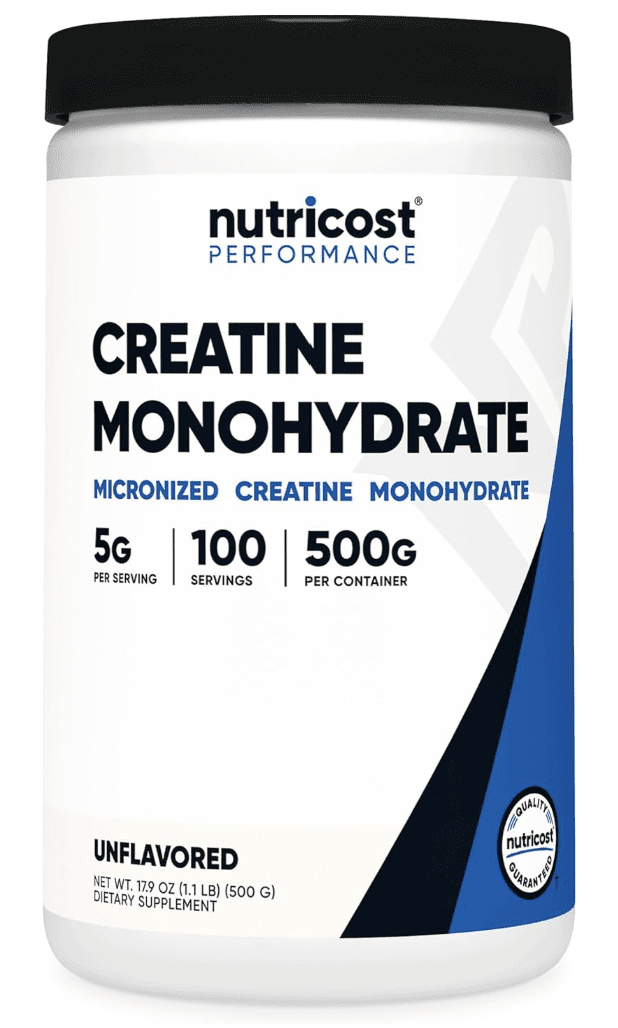
The Creatine Gummy vs. Powder debate isn’t about which one works—they both deliver creatine. It’s a clash of convenience versus cost, flavor science versus pure efficacy, and whether you’re willing to pay a premium to skip the shaker bottle.
This 2026 Breakdown cuts through the marketing to analyze absorption, cost-per-serving, ingredient lists, and who should actually consider trading their trusted powder for a chewable.
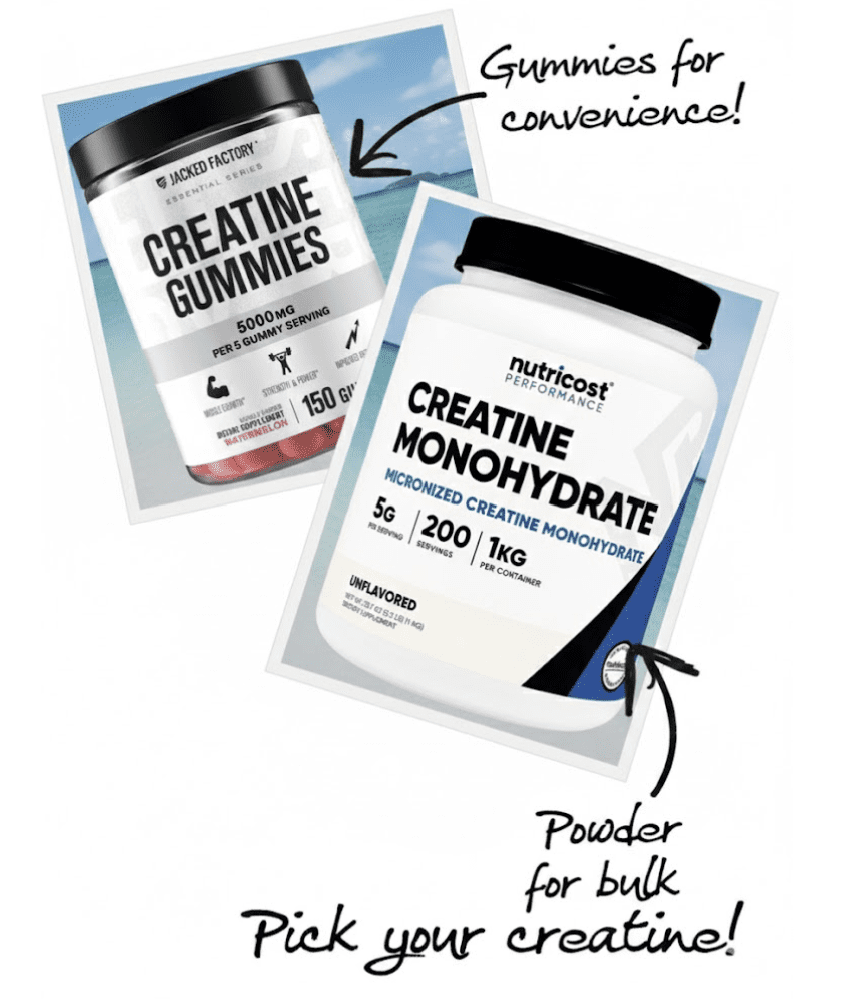
Disclaimer: You’re here to find a product that’ll get you results, and I’m here to help. Just a heads-up: As an Amazon Associate, I earn from qualifying purchases. If you buy through my links, I get a small commission at no added cost to you. It’s like I get a little something for doing the heavy lifting on research. Fair deal? Now, let’s get into the good stuff.
First, understand the baseline. For a complete primer on what creatine is and how it works, read our ultimate guide: Creatine: Benefits, Dosage, and Safety.
The Science: Do Gummies Absorb As Well As Powder?
The Short Answer: Yes, But Check the Form.
Creatine monohydrate is creatine monohydrate. Whether it’s suspended in a gummy or dissolved in water, the molecule that reaches your muscles is identical. The efficacy comes down to two factors:
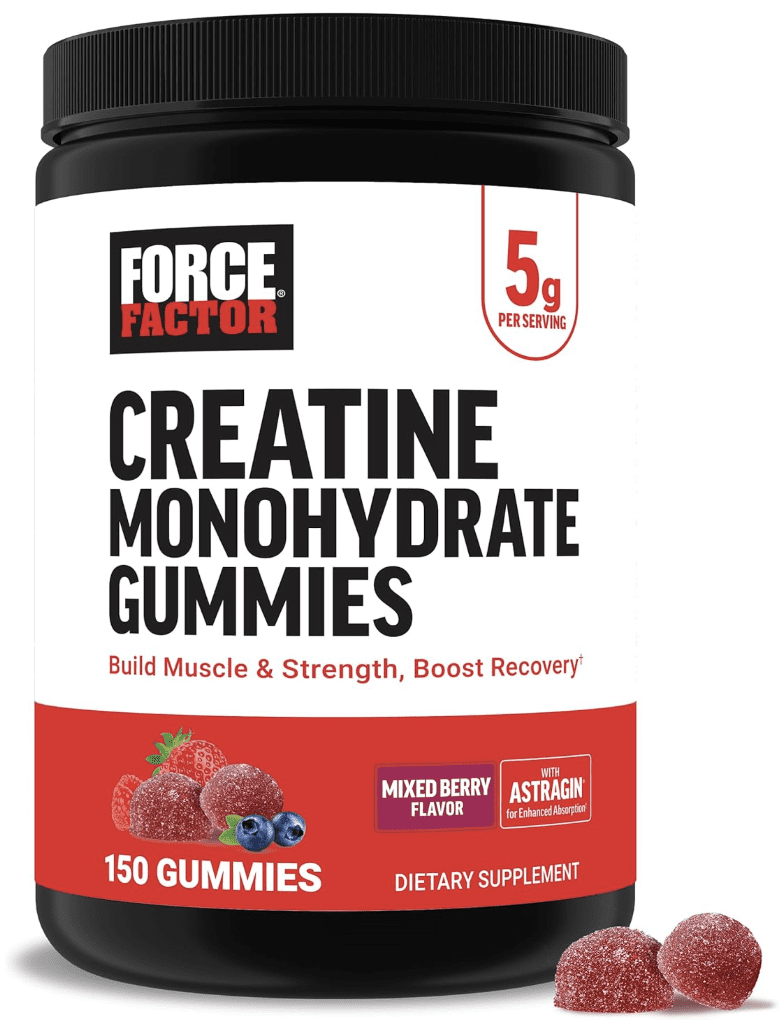
- Form Used: Most reputable gummies (like Force Factor & Jacked Factory) use Creatine Monohydrate, the same gold-standard form in powders. Avoid products using “Creatine HCL” or blends unless you know why you want them (we cover this in our creatine HMB review).
- Dosage Per Serving: This is the first trap. A standard powder scoop is 5g. Many gummies require 2-4 pieces to reach a 3-5g dose. Always check the label.
“The biochemistry doesn’t care if your creatine is chewable. If it’s creatine monohydrate and you’re taking a clinically effective dose (3-5g), it will saturate your muscle phosphocreatine stores. The debate is purely about delivery and economics.”
— Eugene Thong, CSCS
Cost-Per-Serving: The Brutal Math
This is where the rubber meets the road. Convenience has a price tag.
Powder: The Undisputed Value Champion
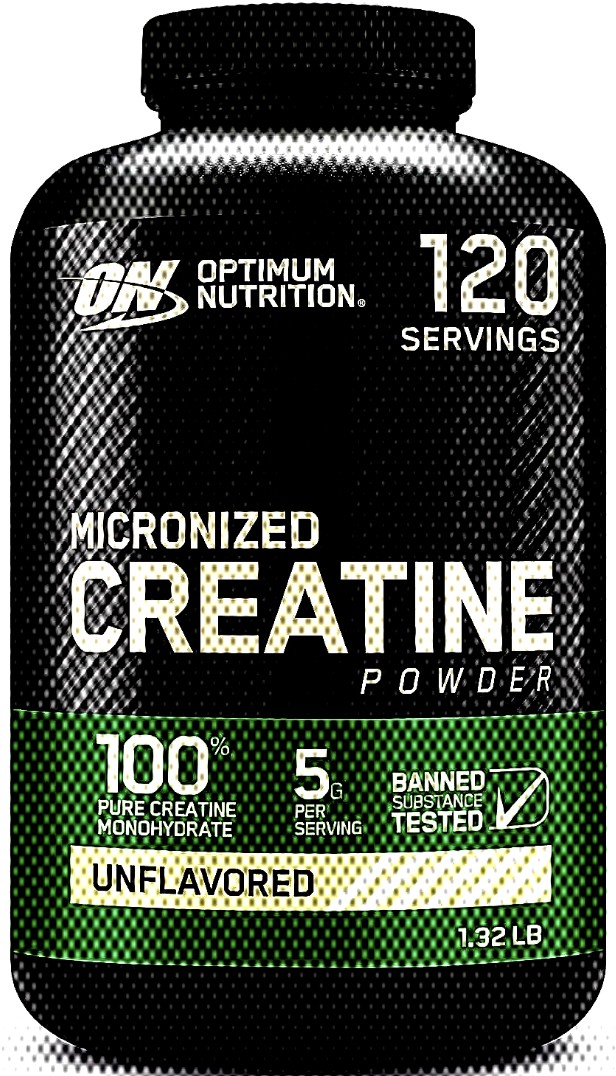
- Example: Optimum Nutrition Micronized Creatine (120 servings of 5g).
- Cost: ~$0.08 – $0.12 per 5g serving.
- Reality: This is impossible for gummies to beat. The production, flavoring, and packaging of a gummy is inherently more expensive.
Gummies: The Convenience Premium
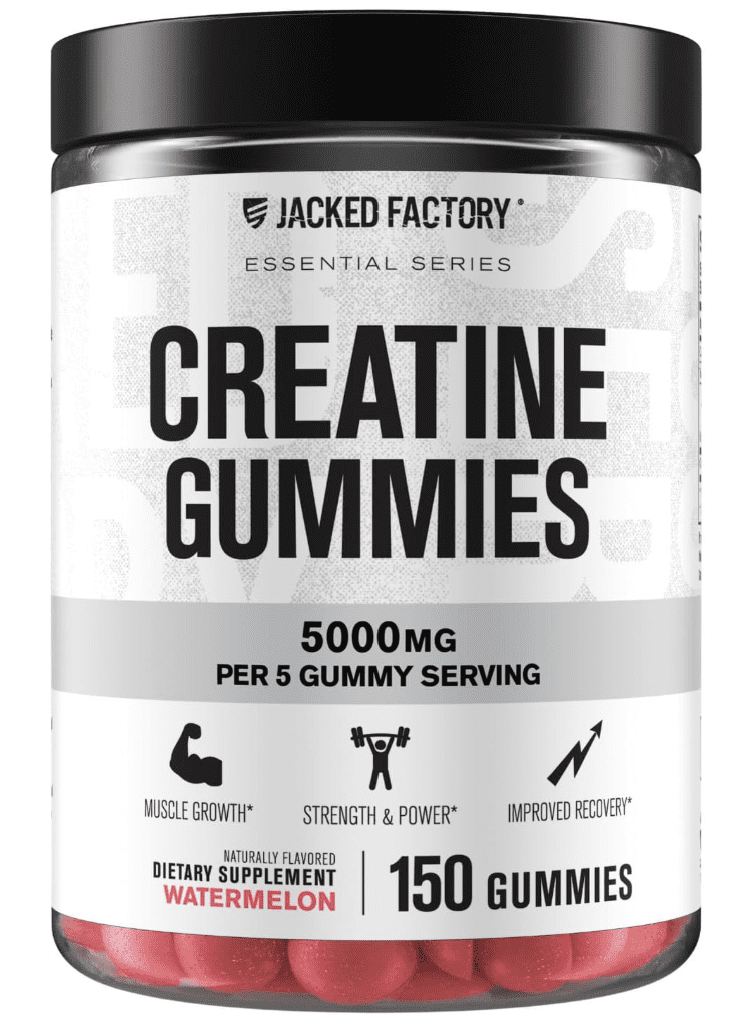
- Example: Jacked Factory Creatine Gummies (30 servings of ~3-5g).
- Cost: ~$0.50 – $1.00+ per equivalent 5g serving.
- Markup: You are paying 5x to 10x more per gram of creatine.
The Verdict: If your primary goal is the most cost-effective delivery of creatine, powder wins forever. For our full breakdown of top-value powders, see Top 5 Creatine Supplements for Muscle Gain.
Convenience, Taste & “The Friction Factor”
This is the battleground where gummies aim to win.
Gummy Advantages:
- No Mixing, No Clumping: Zero preparation. Take them anywhere, anytime—no water needed.
- Consistent, Palatable Taste: No gritty texture or “chemical” aftertaste that some powders have.
- Discreet & Travel-Friendly: Throw a pouch in your gym bag or suitcase without worrying about spills.
Powder Advantages & Workarounds:
- Dosing Flexibility: Easily adjust your dose for a loading phase or blend with other supplements.
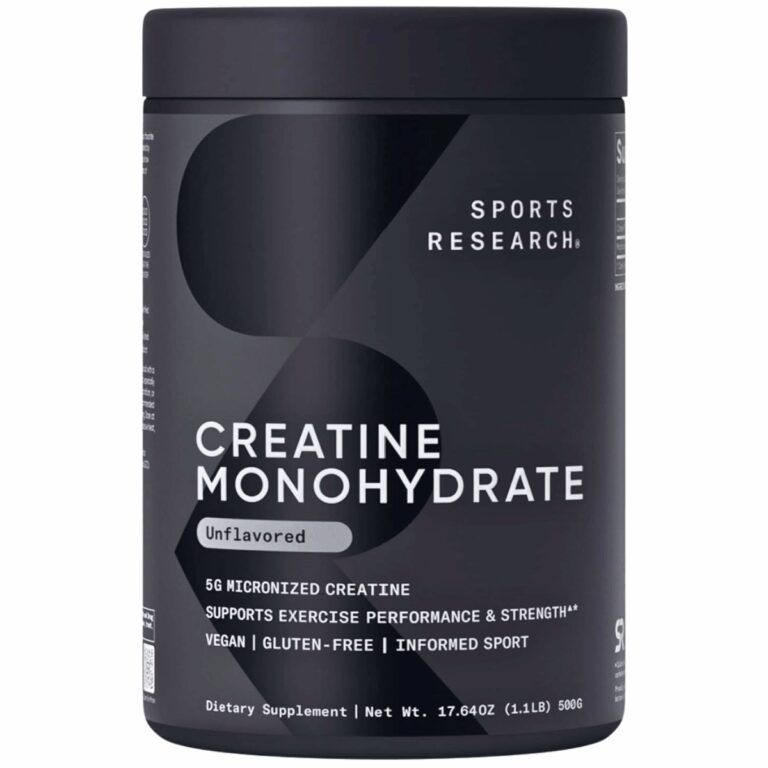
- Flavor Control: Mix with flavored BCAAs, pre-workout, or juice. A high-quality micronized creatine like Thorne or Sports Research mixes easily with minimal grit.
“The best supplement is the one you take consistently. If the minor friction of mixing a powder means you skip doses, the gummy’s higher cost becomes an investment in adherence. For others, the ritual of the shaker is part of the routine.”
— Charles Damiano, B.S. Clinical Nutrition
Who Should Choose Gummies vs. Powder
Choose Creatine GUMMIES If:
- You travel constantly and need TSA-friendly, spill-proof supplementation.
- You have a severe aversion to the taste/texture of unflavored powder, even when mixed.
- You value absolute convenience (e.g., keeping them on your desk) and are willing to pay a significant premium for it.
- You’re introducing creatine to a teenager or someone new to supplements where palatability is key to adherence.
Choose Creatine POWDER If:
- Your primary concern is cost-effectiveness and getting the most grams per dollar.
- You want dosing flexibility and the ability to combine it with other powders.
- You don’t mind the 30-second process of mixing a drink. (Pro-tip: the timing matters less than consistency).
- You prefer minimal, clean ingredient lists (powder is often just creatine + maybe an anti-caking agent).
2026 Product Comparison: Top Gummies vs. Powders
| Product | Form | Dose/Serving | Key Advantage | Est. Cost/Serving |
|---|---|---|---|---|
| Force Factor Creatine Gummies | Gummy | 5g Monohydrate | Full dose in one piece, great taste | ~$0.80 – $1.00 |
| Jacked Factory Creatine Gummies | Gummy | Varies (check label) | Portability, mixed fruit flavors | ~$0.50 – $0.75 |
| Thorne Research Creatine | Powder | 5g Monohydrate | Purity & solubility (micronized) | ~$0.25 – $0.35 |
| Optimum Nutrition Micronized | Powder | 5g Monohydrate | Best value, widely trusted | ~$0.08 – $0.12 |
| Sports Research Micronized | Powder | 5g Monohydrate | Excellent mixability, third-party tested | ~$0.15 – $0.20 |
For a deeper dive into specific powder head-to-heads, see our detailed Optimum Nutrition vs. MuscleTech comparison.
The Final Verdict
For 95% of lifters, creatine powder is the objectively superior choice. It’s vastly more economical, equally (if not more) effective, and offers flexibility. The “convenience” of a gummy rarely outweighs the 10x cost multiplier for most people.
However, gummies have a legitimate niche. They are the solution for extreme travel, severe taste aversion, or as a gateway for supplement newbies. If you fall into that niche and the cost is justified, choose a reputable brand that uses a full dose of creatine monohydrate.
Remember, consistency is everything. Whichever format you choose, stick with it daily to see real results and reap the full spectrum of creatine’s benefits.