Creatine for hardgainers isn’t about chasing marginal gains—it’s about weaponizing one of the few supplements that reliably forces muscle growth when genetics, appetite, and recovery are working against you. This is a strategic tool, not an option. This 2026 Buyer’s Guide cuts through the noise on loading phases, HCl vs monohydrate, timing, and dosing to show exactly how hardgainers can use creatine to build dense, measurable muscle mass.
Disclaimer: You’re here to find a product that’ll get you results, and I’m here to help. Just a heads-up: As an Amazon Associate, I earn from qualifying purchases. If you buy through my links, I get a small commission at no added cost to you. It’s like I get a little something for doing the heavy lifting on research. Fair deal? Now, let’s get into the good stuff.
Building a complete hardgainer stack? Pair creatine with a well-structured program from our mass building guides.
The Hardgainer Problem: Why You’re Not Gaining
Being a hardgainer isn’t an excuse—it’s a metabolic reality. You likely have a faster metabolism, poorer muscle protein synthesis response to training, and a body that’s quick to catabolize muscle under stress. Traditional “eat more” advice fails because your appetite and digestion can’t keep up.
- Fast Metabolism: Burns through calories and nutrients before they can be partitioned toward muscle growth.
- Poor Recovery Signaling: Training doesn’t trigger the same anabolic “build now” response as easier gainers.
- Neuromuscular Inefficiency: Struggle to recruit high-threshold muscle fibers during lifts, limiting growth stimulus.
Creatine addresses these issues at a cellular level. It’s not a magic pill, but it changes the physiological environment to favor muscle accretion.
“For hardgainers, nutrition is a battle of efficiency. Creatine improves cellular energy currency, meaning more of the protein and carbs you struggle to eat get directed toward building tissue instead of being wasted.”
— Charles Damiano, B.S. Clinical Nutrition
The Science: How Creatine Actually Works for Hardgainers
Forget “water weight.” The real mechanisms are what matter for the lifter who can’t gain.
1. Cellular ATP Recycling (The Performance Engine)
Creatine phosphate donates a phosphate group to ADP, rapidly regenerating ATP (your muscles’ immediate energy currency). This means:
- One More Rep: You complete that 5th rep instead of failing at the 4th.
- Higher Quality Sets: Every rep in your set is stronger, creating a more powerful growth stimulus.
- Better Neuromuscular Recruitment: Enhanced energy allows you to activate more muscle fibers, especially the Type II fibers responsible for size.
2. Cell Volumization (The Anabolic Signal)
Creatine pulls water into muscle cells, increasing cell volume. This isn’t just “bloat”—it’s a direct anabolic signal.
- Stretches the Cell Membrane: This mechanical stretch triggers mTOR pathways and DNA transcription for protein synthesis.
- Creates a “Fuller” Look: Muscle appears denser and more rounded, not puffy.
- Reduces Muscle Breakdown: A well-hydrated cell is more resistant to catabolic signals.
“The extra 5 lbs of force on the bar from creatine’s ATP effect compounds over weeks. That’s the difference between a stagnant bench press and one that moves up 10 lbs in a month. For hardgainers, that progression is everything.”
— Eugene Thong, CSCS
Top 5 Creatine for Hardgainers (2026 Reviews)
All creatine is not created equal. For hardgainers, purity, solubility, and stomach tolerance are critical. Here are the five best options, ranked by reliability and hardgainer-specific value.
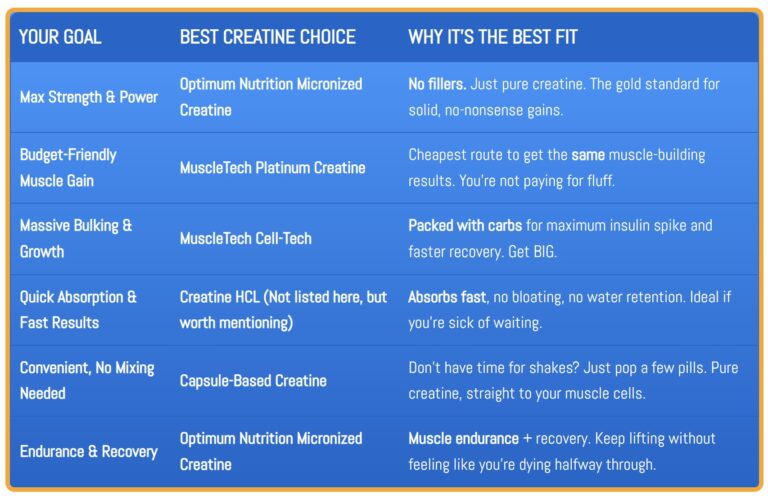
1. Optimum Nutrition Micronized Creatine Monohydrate
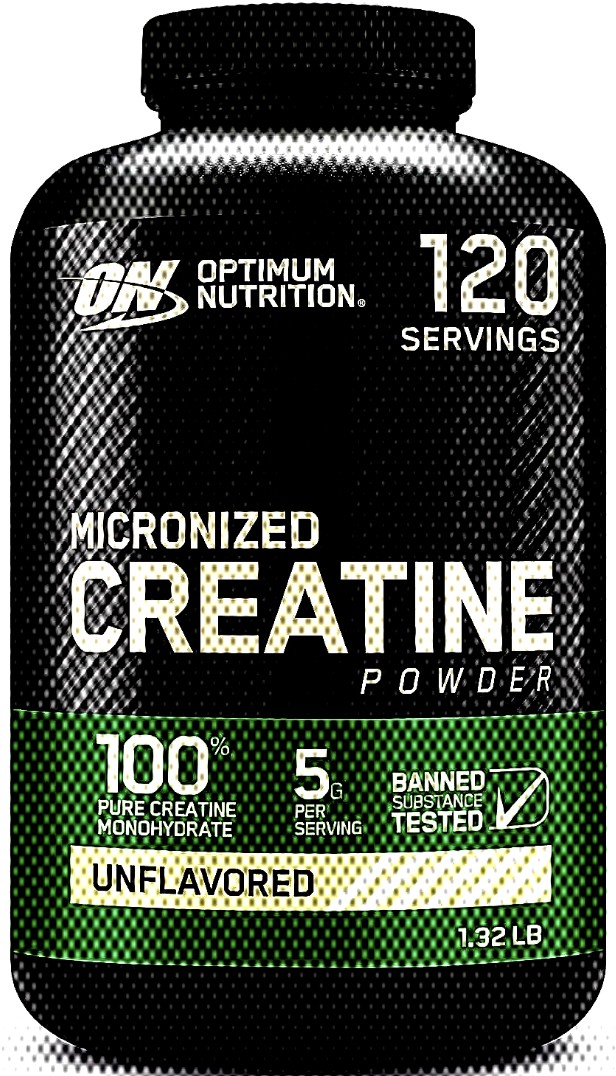
The Benchmark. This is the most researched form, micronized for better mixability and absorption.
- Pros: Creapure® sourced (German, ultra-pure), no fillers, dissolves easily, proven track record.
- Cons: Can still cause minor bloating in sensitive individuals.
- Best For: The hardgainer who wants no-nonsense, reliable results.
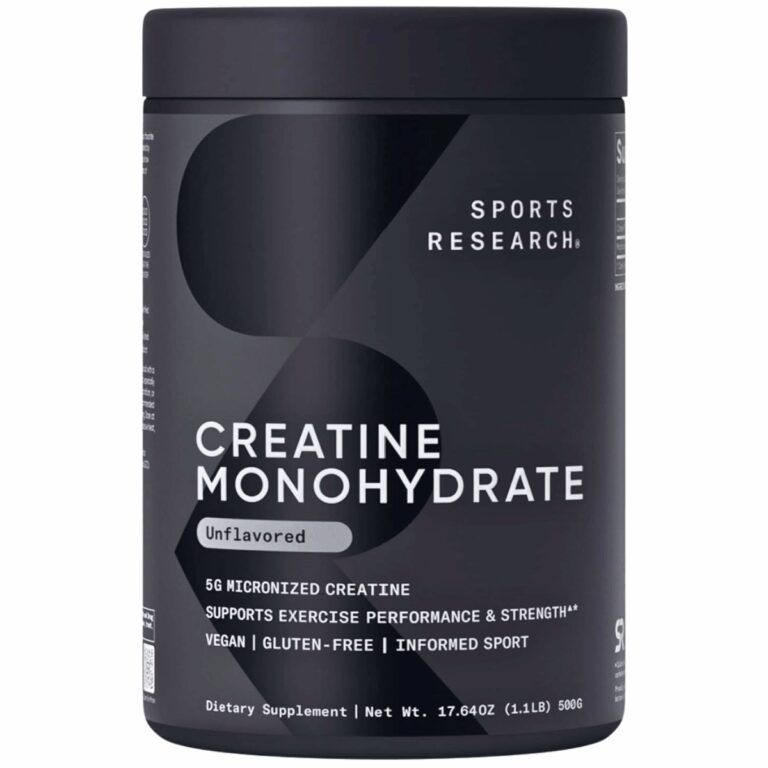
2. Sports Research Micronized Creatine Monohydrate

The Gut-Friendly Pick. Also uses Creapure® but is third-party tested and often better tolerated.
- Pros: Certified for sport (informed choice), often causes less digestive distress, mixes very well.
- Cons: Slightly more expensive per serving than ON.
- Best For: The hardgainer with a sensitive stomach who still wants monohydrate benefits.
3. Thorne Research Creatine
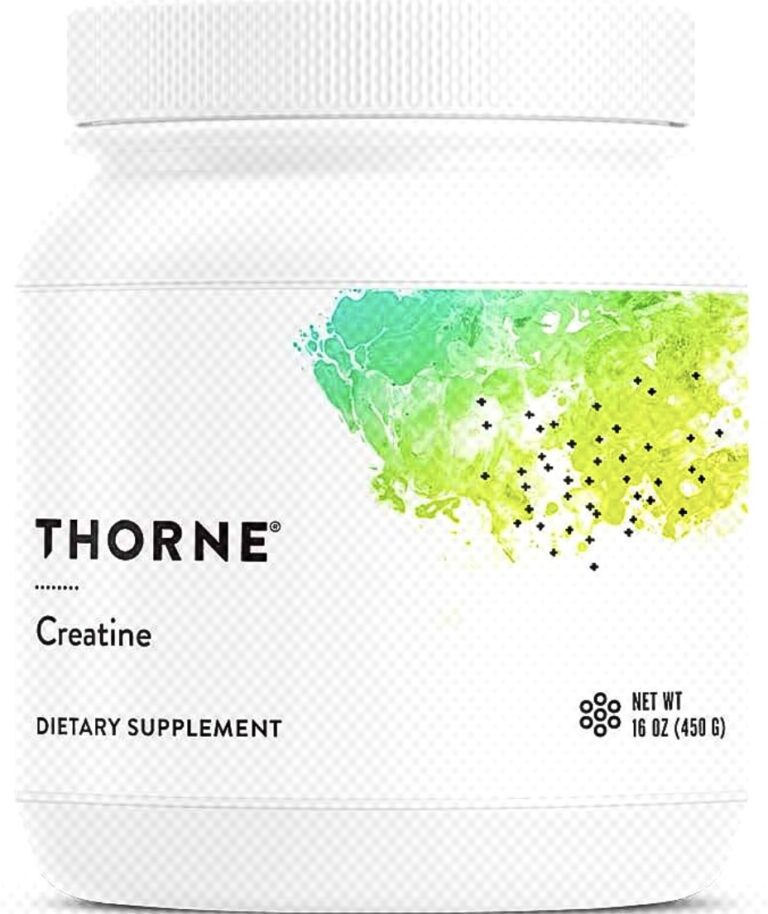
The Elite Purist’s Choice. Pharmaceutical-grade purity with extensive third-party testing.
- Pros: Unmatched purity guarantees (tested for heavy metals, toxins), trusted by medical professionals, ultra-fine powder.
- Cons: Significant price premium.
- Best For: The hardgainer who prioritizes absolute ingredient quality above all else, regardless of cost.
4. MuscleTech Platinum Creatine Monohydrate
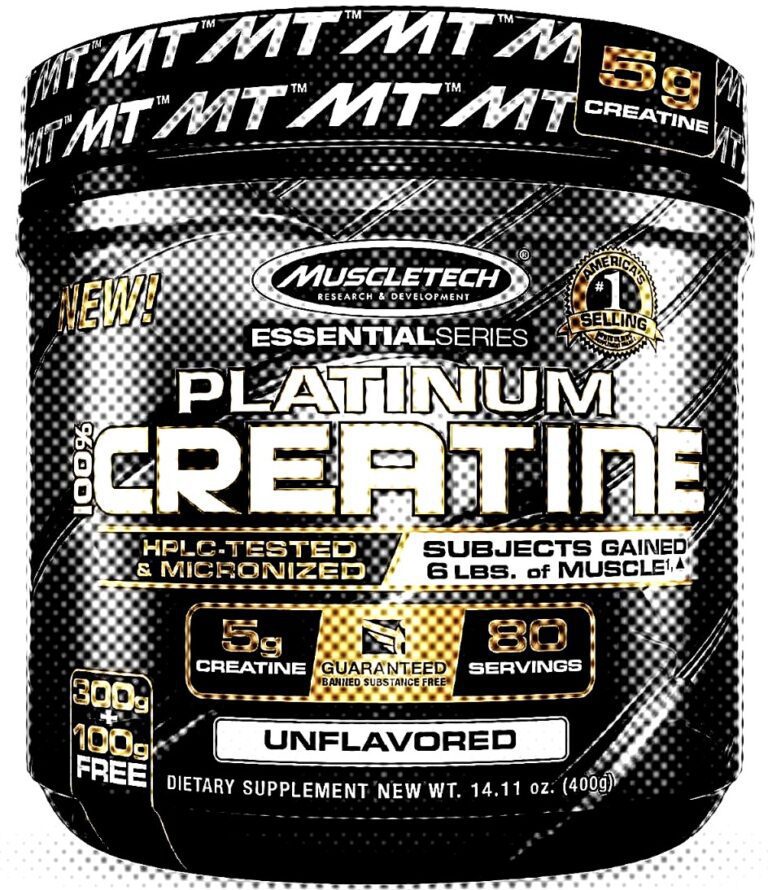
The High-Value Workhorse. Excellent purity at a very competitive price point.
- Pros: Great cost per serving, micronized, from a trusted legacy brand in sports nutrition.
- Cons: Some reports of it mixing slightly less completely than Creapure® brands.
- Best For: The budget-conscious hardgainer who still wants quality and plans to use creatine long-term.
5. Kaged Creatine HCL
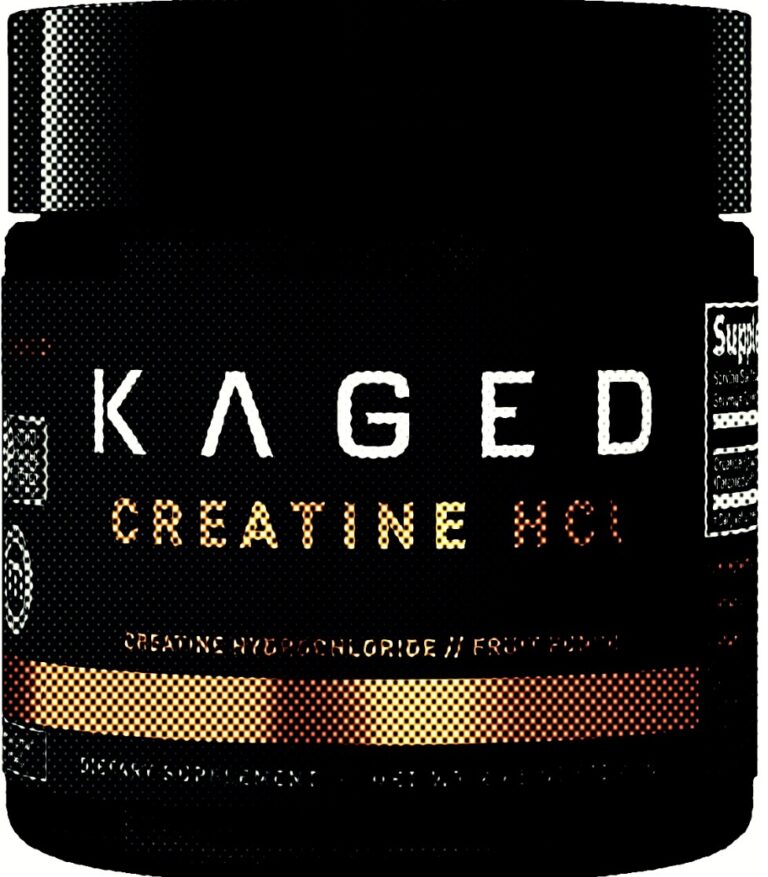
The Modern Alternative. Creatine Hydrochloride (HCL) is bound to hydrochloric acid for extreme solubility and absorption.
- Pros: Highly soluble (no grit), requires a smaller dose (1-2g vs 5g), zero bloating for most.
- Cons: More expensive per gram of creatine, less long-term research than monohydrate.
- Best For: The hardgainer who experiences significant bloating with monohydrate or wants maximum solubility.
The Hardgainer Creatine Protocol (2026 Update)
Dosage: Skip the Loading Phase
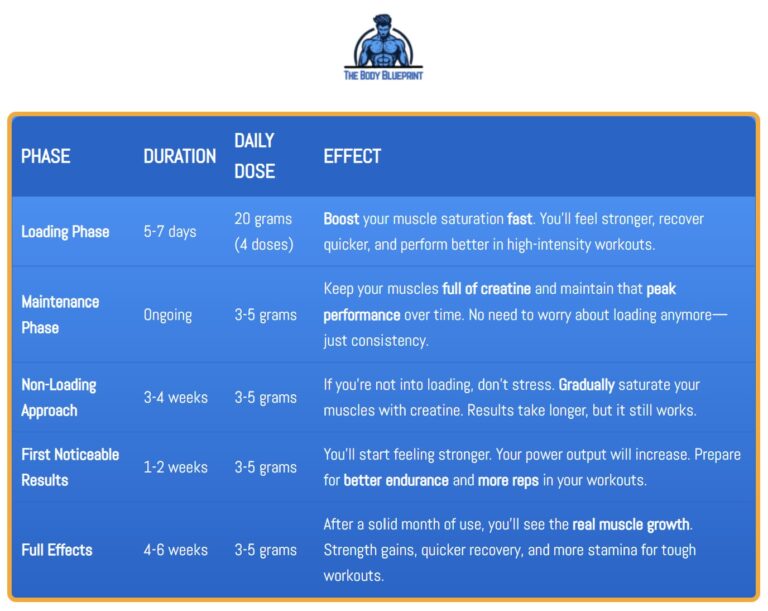
For hardgainers, consistency beats intensity. Loading (20g/day for 5-7 days) often causes digestive upset and is unnecessary.
- Standard Protocol: 5 grams (approx. 1 tsp) of monohydrate daily. For HCL, follow label instructions (typically 1.5-2g).
- Timing: Irrelevant for saturation. Take it whenever you’ll remember—with your post-workout protein shake is ideal for habit stacking.
Non-Negotiables for Results
- Pair with Carbohydrates: Take your creatine with a carb source (e.g., fruit juice, your post-workout shake with carbs). The insulin spike can enhance muscle uptake.
- Hydrate Aggressively: Drink 0.7-1 oz of water per pound of bodyweight daily. Creatine pulls water into muscles; you must provide it.
- Commit for 4 Weeks: Muscle creatine saturation and noticeable performance changes take 3-4 weeks of consistent use. This is a long-term play.
“The hardgainer who pairs 5g of creatine with 50g of carbs post-workout is creating a powerful anabolic environment. The carbs shuttle the creatine, spike insulin for nutrient partitioning, and replenish glycogen—hitting three growth levers at once.”
— Charles Damiano, B.S. Clinical Nutrition
Creatine Comparison: Monohydrate vs. HCL vs. Other Forms
| Form | Best For Hardgainers Who… | Dose | Bloating Risk | Cost/Month |
|---|---|---|---|---|
| Micronized Monohydrate | Want proven results, best value, and have average tolerance. | 5g | Low-Moderate | $ |
| Creatine HCL | Have sensitive stomachs, want max solubility, no bloating. | 1.5-2g | Very Low | $$$ |
| Creatine Ethyl Ester | Avoid. Poorly absorbed, less effective. Marketing over science. | – | – | – |
“If you’re a hardgainer, your margin for error is smaller. Don’t waste time on fad forms. Stick with micronized monohydrate or HCL if you’re sensitive. The goal is to get the molecule into your muscles, not debate the latest marketing label.”
— Eugene Thong, CSCS
Related Hardgainer & Supplement Guides
The Iron Lexicon: Creatine Edition
- Creatine Phosphate (CP)
- The stored form of creatine in muscle cells that rapidly regenerates ATP during high-intensity effort, allowing for greater training volume and force output.
- Cell Volumization
- The process where creatine draws water into muscle cells, increasing their size and triggering anabolic signaling pathways for growth and reduced breakdown.
- Micronized
- A manufacturing process that breaks creatine particles into smaller sizes, dramatically improving solubility, mixability, and absorption compared to standard powder.
- Creapure®
- A trademarked brand of creatine monohydrate manufactured in Germany, known for its exceptional 99.99% purity and consistent quality, used by many top supplement brands.
- Loading Phase
- A short-term protocol (5-7 days) of consuming 20-25g of creatine daily to rapidly saturate muscle stores. Often unnecessary and prone to causing digestive sides.
- Saturation
- The point at which muscle creatine stores are maximally full, typically achieved after 3-4 weeks of consistent 5g daily dosing, where performance benefits become most apparent.
- ATP (Adenosine Triphosphate)
- The primary energy currency of the cell. Creatine’s fundamental role is to rapidly recycle ADP back into ATP, sustaining high-intensity muscular contractions.