You cannot manage what you do not measure. Tracking muscle growth is not about vanity. It is about knowing whether your training, nutrition, and recovery are actually working. If you are not tracking, you are guessing. This guide strips away the guesswork and lays out the iron truth on how to measure progress—strength, size, composition, and performance. No fluff. Just the brutal reality of what moves the needle and what is just noise.
For Educational Purposes Only: The information provided is for informational and educational use. It is not intended as medical advice or a substitute for professional consultation. Always consult a qualified professional before beginning any new training or nutrition program. Results vary by individual.
Why Track Muscle Growth: The Brutal Truth
If you are not tracking, you are not training. You are exercising. Exercise is moving for the sake of moving. Training is a systematic process of applying stress, measuring the response, and adjusting the variables. The difference is results.
What tracking does:
- Reveals whether your programming is working
- Identifies plateaus before they become months of wasted time
- Provides objective feedback when the mirror lies
- Keeps you accountable to the process, not just the pump
What tracking does not do:
- Replace the actual hard work
- Give you credit for potential
- Make up for inconsistent effort
For the complete framework on building muscle, start with the build muscle guide. For foundational strength principles, see strength training.
“The gym is full of guys who swear they’re getting stronger. Then you ask them what they benched last month. Blank stare. If you don’t write it down, you’re lying to yourself. The logbook does not lie.”
— Charles Damiano, B.S. Clinical Nutrition
The Training Log: Your Most Important Tool
A training log is not optional. Pen and paper. A spreadsheet. A notes app. The format does not matter. What matters is that you record every working set.
What to log:
- Exercise name
- Weight used
- Reps performed
- Sets completed
- RPE or RIR (Rate of Perceived Exertion / Reps in Reserve)
- Notes on form, pain, or adjustments
Why RPE matters: Progressive overload is the driver of growth. But you cannot apply it if you do not know what you did last week. RPE tells you whether a set was easy, hard, or too hard. Aim for 1‑3 reps in reserve for most hypertrophy work.
For a detailed breakdown of how to structure your training, see gain size and strength fast and proven strategies for strength and mass.
Progressive Overload: The Language Your Muscles Understand
If you are not adding weight, reps, or volume over time, you are not growing. Progressive overload is the non‑negotiable mechanism of hypertrophy. Your logbook tells you whether you are applying it.
Methods of overload:
- Load: Add weight to the bar. The classic method. See progressive overload for arm growth.
- Volume: Add sets or reps at the same weight.
- Density: Do the same work in less time (shorter rest periods).
- Tempo: Slow the eccentric portion of the lift. See time under tension guide.
The compound lift non‑negotiables:
- Big 5 compound lifts—squat, deadlift, bench, overhead press, row—are your best indicators of systemic strength.
- Track these religiously. If they are moving up, you are growing.
- See compound exercises for mass and compound vs. isolation for mass.
🔬 The Volume Landmark Principle™
Your logbook reveals your volume landmarks. If your squat volume (sets × reps × weight) has not increased in 4‑6 weeks, you are not applying progressive overload. The solution is not a new program—it is more work, better nutrition, or more sleep. See volume vs. intensity for hypertrophy.
Body Measurements: What to Measure and Why
The scale is a liar. It does not distinguish between muscle, fat, and water. Tape measure and calipers are more honest.
Key measurement sites:
- Arms (flexed and relaxed): Track both. See arm workout for ectomorphs and arm growth hacks.
- Chest: Across the nipples, relaxed.
- Shoulders: Around the delts at their widest.
- Waist: At navel, relaxed. See body fat percentage guide.
- Hips/Glutes: Widest point.
- Thighs: Mid‑thigh, standing.
- Calves: Widest point.
How often: Every 2‑4 weeks. Same time of day. Same conditions. Progress photos in consistent lighting and poses are equally valuable.
For targeted measurement and development, see upper body pull exercises, best back and biceps workout, and triceps exercises.
Strength Standards: Where Do You Stand?
Strength is objective. Compare yourself to standards, not to Instagram.
Respectable strength targets (for a 180‑200 lb male):
- Squat: 1.5× bodyweight
- Deadlift: 2× bodyweight
- Bench Press: 1.25× bodyweight
- Overhead Press: 0.75× bodyweight
- Pull‑Ups: 10‑15 strict reps
Where these numbers come from:
- Golden Era standards were different—aesthetics over pure numbers.
- Arnold’s shock training built his foundation.
- Mentzer vs. Schwarzenegger shows different philosophies.
For a historical perspective on strength benchmarks, see classic bodybuilding icons comparison and Arnold’s 1970s training secrets. For tall lifters who face unique mechanical challenges, see tall lifters training guide.
Body Composition: Muscle vs. Fat
Weight gain is not muscle gain. Weight loss is not fat loss. Tracking body composition separates signal from noise.
Methods of tracking:
- Skinfold Calipers: Cheap, effective when done consistently. Track 3‑7 sites. See body fat percentage guide.
- Progress Photos: Front, side, back. Same lighting, same poses, same time of day.
- DEXA/Bod Pod: More precise but not necessary for most.
- Waist Measurement: The single most useful proxy for body fat changes.
Nutrition factors that impact composition:
- Carb cycling for lean muscle
- Shakes vs. whole food for muscle gains
- Protein timing for muscle growth
- Creatine for exercise performance
Performance Markers Beyond the Big Three
Strength is not the only metric. Work capacity, recovery, and movement quality matter.
Track these as well:
- Recovery speed: How sore are you 24‑48 hours post‑training? See DOMS explained.
- Work capacity: Can you do the same work with less rest? See high‑intensity training results.
- Movement quality: Can you hit positions without compensation? See deep squat breathing and PNF stretching guide.
- Grip strength: A proxy for overall neuromuscular health.
- Vertical jump: Power output. See high‑intensity explosive training.
Mobility benchmarks:
- Walking spiderman stretch for hip and thoracic mobility
- Walking knee to chest for hip flexion
- Standing thoracic extension with rotation
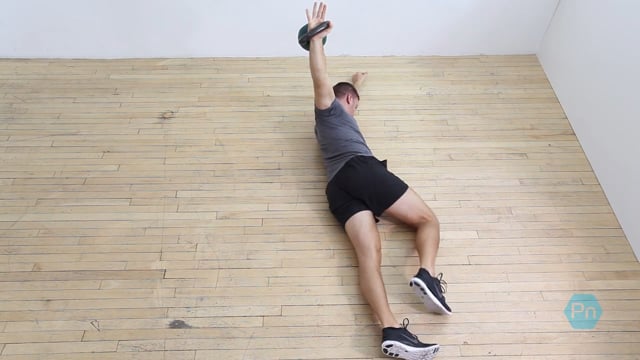
- Quadruped extension rotation
- Fetal position breathing for parasympathetic activation
Tracking Recovery: The Overlooked Variable
You do not grow in the gym. You grow while you rest. If you are tracking training but not recovery, you are missing half the equation.
Recovery metrics to log:
- Sleep duration and quality: 7‑9 hours is the target. See sleep optimization guide and best sleep supplements.
- Resting heart rate (morning): A rising RHR can indicate under‑recovery.
- Subjective energy: 1‑10 scale upon waking.
- Stress levels: See adaptogens for stress.
Recovery tools to incorporate:
- Percussion massage guns for soft tissue work. See JAWKU massage gun review.
- Best foam rollers and Tiger Tail massage stick
- Massage ice roller ball for cold therapy
- Prime Fitness cold massage roller ball
For structured recovery protocols, see active recovery guide and arm training recovery strategies.
Tracking Muscle Growth: The Raw Truth
A: Every 2‑4 weeks. Same time of day, same conditions. Arm measurements fluctuate with hydration and pump. Do not chase daily changes. See how to build big arms and science‑backed arm exercises.
A: Strength gains in the first few months are often neurological. Muscle size lags behind. If you are adding weight to the bar over 8‑12 weeks and eating enough, size will follow. See arm day vs. full body splits and arm training mistakes to avoid.
A: Track your main lifts (squat, deadlift, bench, row, press) every session. For accessory work, track the first set or note if you added weight. A full log is ideal, but consistency on compounds is non‑negotiable. See workout tracking guide.
A: Waist measurement and progress photos are your best friends. If your waist is growing faster than your arms and chest, you are gaining more fat than muscle. Keep the surplus modest (200‑500 kcal above maintenance). See body fat percentage guide and best time to eat for fat burning.
A: Beginners: 1‑2 lbs per month. Intermediates: 0.5‑1 lb per month. Advanced: 0.25‑0.5 lb per month. Anyone claiming faster is selling something or measuring water weight. See build muscle guide.
Final Verdict: Track or Stay Average
You now have the blueprint for tracking muscle growth. Training log, progressive overload, measurements, strength standards, body composition, recovery metrics—these are the dials you turn. The guys who make consistent progress over years are not the ones with better genetics. They are the ones who track, analyze, and adjust.
Buy into this system if: You are serious about making measurable progress. You understand that what gets measured gets managed.
Skip the tracking trap if: You prefer to guess, hope, and wonder why you look the same after a year of training.
For more resources on building a complete training approach, see home workout equipment reviews, nutrition hub, and performance hub. To understand the evolution of training principles, see evolution of bodybuilding nutrition, golden era gym culture, and Arnold’s 1970s diet.
The Bottom Line: Data Drives Progress.
Your logbook does not care about your excuses. It does not care about your potential. It records what you actually did. Use it. Respect it. And when you look back at 12 months of data, you will know exactly what worked and what did not. That is how you build a physique that lasts.
The Tracking Lexicon
- Progressive Overload
- The systematic increase of stress on the musculoskeletal system. The primary driver of muscle growth. Measured through load, volume, density, or tempo.
- RPE (Rate of Perceived Exertion)
- A 1‑10 scale rating how hard a set felt. 10 is maximal effort. 7‑8 is the hypertrophy sweet spot (1‑3 reps in reserve).
- Volume Load
- Total work performed: sets × reps × weight. A key metric for tracking training stress and progress.
- Time Under Tension (TUT)
- The duration a muscle is under load during a set. Manipulating tempo can increase TUT without adding weight.
- Body Fat Percentage
- The proportion of body weight that is fat mass. Measured via calipers, bioelectrical impedance, or DEXA. Used to gauge whether weight changes are muscle or fat.
- NEAT (Non-Exercise Activity Thermogenesis)
- Calories burned from all activity that is not sleeping, eating, or structured exercise. Walking, standing, fidgeting. A key variable in body composition.
- Catabolic State
- A metabolic state where tissue breakdown exceeds synthesis. Prolonged calorie deficits or inadequate sleep can shift the balance.