Quadruped extension‑rotation is not a warm‑up. It’s a diagnostic tool and a mobility drill rolled into one. Most guys have stiff thoracic spines and lazy glutes. This exercise exposes both. It forces rotation through the upper back while locking the hips. Skip it if you want to keep your lower back tight and your shoulders immobile. But if you actually care about moving better, lifting heavier, and keeping your spine healthy, this is non‑negotiable.
Video demonstration: Quadruped Extension‑Rotation
What Is Quadruped Extension‑Rotation?
This drill separates thoracic rotation from lumbar movement. You start on all fours. One hand goes behind your head. You rotate your upper back to open the chest toward the ceiling. The key? Your hips and lower spine stay locked in place. If your butt moves, you’re cheating.
It’s often called the “thread the needle” counter‑movement. But that version usually rotates downward. This one rotates upward, emphasizing thoracic extension and rotation simultaneously.
For a deeper dive into why thoracic mobility matters, see our thoracic mobilization guide. And if you’re serious about core stability that supports rotation, check core exercises that actually work.
“Quadruped extension‑rotation is the canary in the coal mine for thoracic stiffness. If you can’t do it without your hips swaying, your overhead pressing and squatting mechanics are compromised.”
Charles Damiano, B.S. Clinical Nutrition
How To Perform Quadruped Extension‑Rotation (Step‑by‑Step)
Set‑up matters more than reps. Follow this sequence:
- Start in a quadruped position. Hands under shoulders, knees under hips. Neutral spine. Do not let your back sag.
- Place one hand behind your head. Elbow flared out to the side. Keep the other hand firmly planted.
- Brace your core. Imagine someone is about to punch your stomach. This locks the hips and lower spine.
- Rotate your upper back. Drive the elbow toward the ceiling. Open your chest. Eyes follow the elbow.
- Pause at the top. Feel the stretch in your upper back and front of the shoulder. Do not rush.
- Return with control. Lower the elbow back to the start position. Reset before the next rep.
Breathing: Inhale at the bottom. Exhale as you rotate up. Breath control is a game‑changer for spinal mechanics. Our breathing guide explains why.
The Three Most Common (and Brutal) Mistakes
Most guys butcher this drill. Here’s where they fail.
| Mistake | Why It’s a Problem | Fix It |
|---|---|---|
| Hips Sway | Lower back takes over. You lose the thoracic isolation. | Squeeze glutes and brace abs like your life depends on it. |
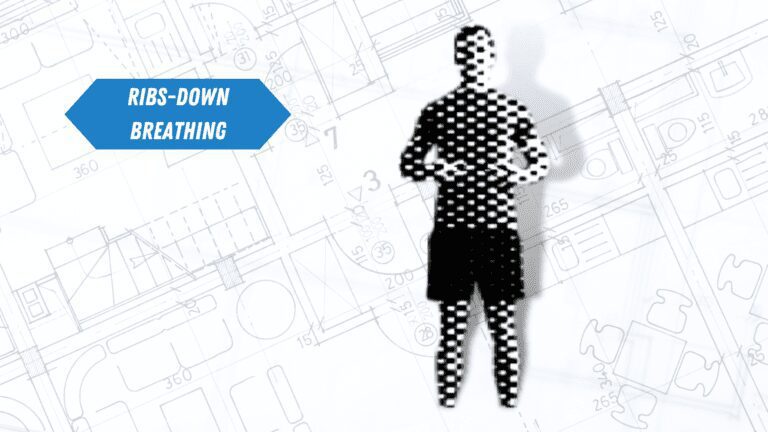
| Flaring Ribs | Puts lumbar spine into extension. Creates compression instead of rotation. | Pull your ribs down before rotating. Think “crunch” position. |
| Rushing the Rep | Uses momentum. You get zero mobility benefit. | Slow down. 3‑second up, pause, 3‑second down. Control is king. |
For more on keeping the lumbar spine safe during rotation drills, read lower back exercises for men.
Variations: Progress or Regress as Needed
Not everyone can nail the full version. Use these progressions.
Regression: Supported Hand Behind Head. Keep the hand gently touching your head instead of fully loaded. Reduces leverage and makes stability easier.
Progression 1: Add a Pause at End Range. Hold the rotated position for 3‑5 seconds. This builds end‑range control.
Progression 2: Extend the Top Arm. Instead of keeping elbow bent, reach the arm straight up toward the ceiling. Increases rotational demand.
Progression 3: Add a Light Dumbbell. Hold a 2‑5 lb plate or dumbbell behind the head. This is advanced. Do not attempt if your stability is shaky.
For similar rotational drills, check standing thoracic extension‑rotation and rocked‑back variation.
Programming: Where and When to Use It
This is not a main movement. It’s a primer and a mobility finisher.
- Warm‑up (before pressing or squatting): 6‑8 controlled reps per side. 1‑2 sets. Opens the upper back for better overhead position.
- Active recovery day: 2‑3 sets of 8‑10 reps per side. Slow tempo. Use it to grease the groove for thoracic rotation.
- Cool‑down: After heavy bench or overhead work. Helps restore resting length to the pecs and anterior shoulder.
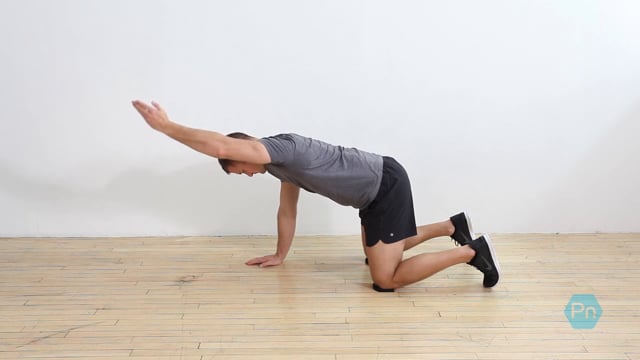
Pair it with bird dog for a complete core‑stability + mobility combo. For a full mobility routine structure, see our active recovery guide.
Quadruped Extension‑Rotation: The Raw Truth
A: Quality over quantity. 6‑10 controlled reps per side is plenty. If you can do 15 with perfect form, you’re either a mobility freak or you’re cheating. Go slower or add a pause.
A: No. If you feel it in the lumbar spine, your hips are moving or your ribs are flaring. Go back to the regression and focus on bracing. Persistent lower back pain means stop and see a professional.
A: Absolutely. Overhead pressing requires thoracic extension and rotation stability. A stiff upper back forces the lower back to compensate. This drill improves that mobility. For more, read our overhead squat guide which explains the same principles.
A: Likely impingement or poor scapular control. Keep the supporting hand active—push the floor away. If the working shoulder pinches, reduce range of motion. Check our rotator cuff recovery guide for shoulder health.
Final Verdict: A Non‑Negotiable Mobility Drill
Quadruped extension‑rotation is not sexy. It won’t build 20‑inch arms. But it will unlock the movement quality that lets you lift heavy without wrecking your spine. If you bench, press, squat, or do any sport that requires rotation, you need this.
Worth doing? Yes, if you value long‑term joint health and lifting longevity. It’s five minutes of work that pays dividends in shoulder mobility, thoracic flexibility, and core stability. Skip it if you’re cool with stiff upper backs and compensations that eventually become injuries.
For a complete mobility stack, combine this with pigeon stretch for hips, foam rolling for thoracic spine, and nervous system regulation drills.
The Bottom Line: Mobility Is Not Optional.
You can ignore thoracic rotation. You can keep pressing with a stiff back. But the bill comes due. Quadruped extension‑rotation is cheap insurance. Do it right. Do it consistently. Your shoulders and spine will thank you.
The Exercise Lexicon: Mobility Edition
- Thoracic Rotation
- The ability of the upper back (T‑spine) to rotate. Critical for overhead movement, throwing, and spinal health. Loss of T‑spine rotation forces the lumbar spine to compensate, often causing low back pain.
- Quadruped
- Any exercise performed on hands and knees. This position reduces gravitational load on the spine and allows for isolated movement of the torso while maintaining core stability.
- Extension‑Rotation
- A movement pattern combining spinal extension (arching) with rotation. In this drill, it targets the thoracic spine specifically while maintaining a neutral pelvis.
- Lumbar Lock
- The ability to keep the lower spine stable while the upper spine moves. Achieved through core bracing and glute activation. Essential for safe spinal movement.
- End‑Range Control
- The capacity to control movement at the extreme of your range of motion, not just passively reach it. This is what separates mobility from flexibility.