High protein foods are the non-negotiable architecture of muscle protein synthesis, metabolic health, and satiety.
This is the 2026 foundational guide to anabolic fueling. We’re cutting through the plant-vs-whey noise, the “anabolic window” myths, and the processed junk to deliver a raw database of the highest-yield protein sources on the planet. This is your master protocol for building a physique that lasts.
Disclaimer: Protein requirements vary based on age, activity level, and kidney health. Consult a healthcare provider before significantly increasing your intake. For the full technical breakdown, visit our main Protein Hub.
Defining High Protein: Bioavailability & Amino Acids
A food is “high protein” if it delivers a significant percentage of its calories from amino acids with high bioavailability. It’s not just about total grams; it’s about the amino acid profile. To build muscle, you need complete proteins containing all nine essential amino acids (EAAs), particularly Leucine. This is why the best protein for muscle growth usually starts with animal sources or carefully combined plants.
Animal-Based Powerhouses: The Gold Standard
Animal proteins are the most “anabolic” due to their high leucine content and superior digestibility. Whether you’re following a Golden Era diet or a modern Heavy Duty protocol, these are the pillars:
- Lean Poultry: Chicken and turkey breast remain the cleanest “protein-to-calorie” sources. Use a Ninja Foodi Grill to keep them from turning into cardboard.
- Red Meat: Beef provides high-quality protein plus zinc, B12, and creatine. See our Beef vs. Whey breakdown.
- Eggs & Dairy: Whole eggs are the biological reference point for protein quality. For liquid options, milk bulking has a legacy in bodybuilding for a reason.
- Egg Whites: Pure protein with zero fat. See our egg white protein reviews for convenient powder versions.
Plant-Based Proteins: The 2026 Evolution
Plant-based nutrition has moved past the “incomplete protein” scare tactics, but digestion remains the primary hurdle. If you’re skipping animal products, you need to account for fiber-to-protein ratios.
- Soy & Legumes: Tofu, tempeh, and lentils are the heavy hitters. Check our plant-based digestion guide to avoid the bloat.
- Modern Alternatives: We’ve seen a surge in high-quality plant protein isolates that mimic the amino profile of whey.
- The Verdict: Plant sources often require higher total intake to match the leucine trigger of animal sources. See the Whey vs. Plant battle.
Quick-Refuel: Shakes, Bars, and Supplements
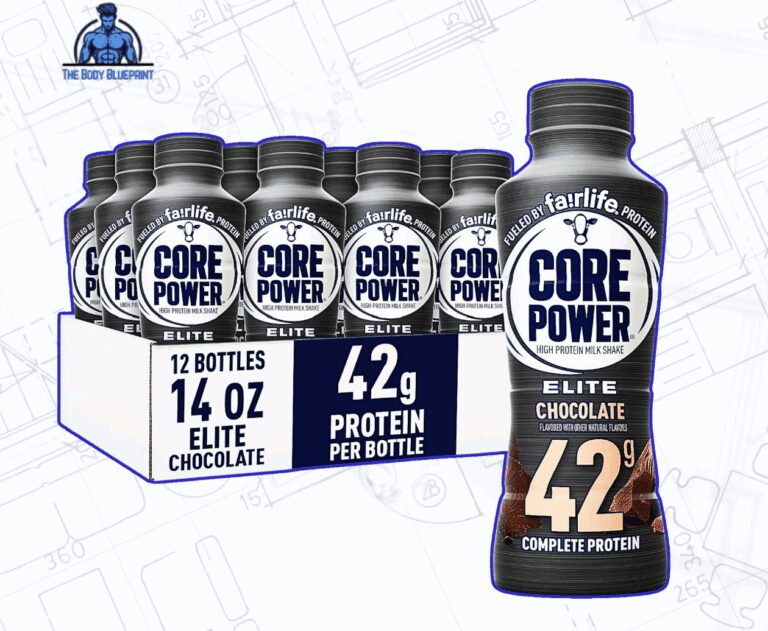
When whole food isn’t an option, supplements bridge the gap between “catabolic” and “gains.” But the market is flooded with garbage. Here is how to choose:
| Protein Source | Speed | Best Use Case | Top Recommendation |
|---|---|---|---|
| Whey Isolate | Rapid | Post-Workout | Hydrolyzed Whey |
| Casein | Slow | Bedtime / Fasting | Micellar Casein |
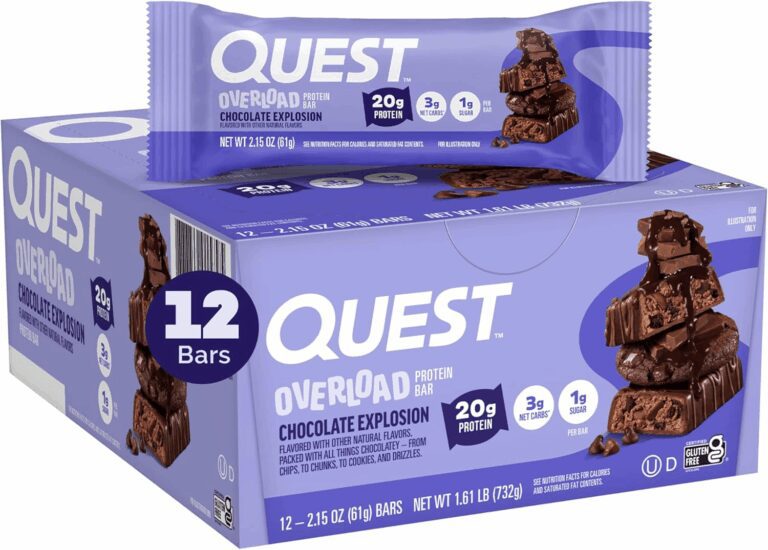
| Protein Bars | Moderate | Travel / On-the-go | David Bars |
For those with sensitivities, look for protein without artificial sweeteners or preservative-free powders.
Timing & Protocols: Solving the “Anabolic Window”
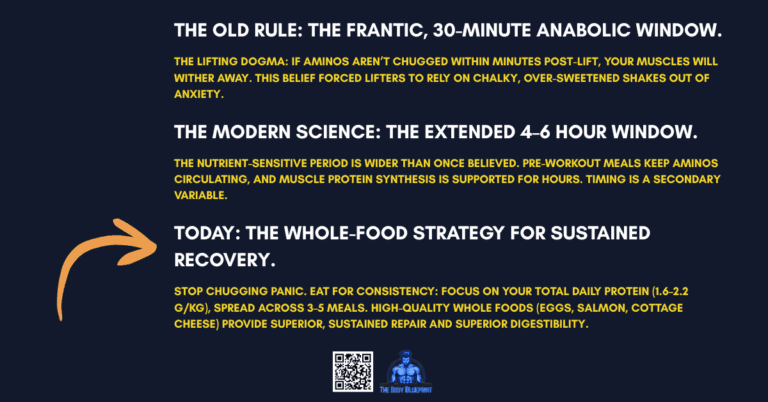
Protein timing matters, but not in the way the 1990s magazines told you. Total daily intake is king, but simplified protein timing can optimize the results.
- Post-Workout: Is whey protein post-workout worth it? Yes, specifically if you haven’t eaten for 3+ hours.
- The Myth: The Anabolic Window is more like a 4-6 hour barn door. Don’t panic if you don’t have a shake within 30 seconds of your last set.
- Fasting: Trying to get enough protein while fasting? You’ll need high-density sources like fast-digesting isolates during your window.
Logistics: Meal Prep & Equipment
High protein living fails without logistics. You cannot wing 200g of protein a day.
- Prep: Use college-style meal prep hacks to save time and money.
- Blending: A Nutribullet is a foundational tool for high-calorie bulking shakes.
- Portability: If you’re tired of clumpy powder, the Voltrx Vortex Shaker is the 2026 standard for smooth texture.
The Bottom Line: Don’t Under-Fuel Your Gains
Whether you’re choosing naked whey or a Ribeye steak, the goal is the same: hit your 0.8g–1g per pound of bodyweight. Stop overthinking the “perfect” source and start hitting your numbers.