The Labrada Lean Body Ready-to-Drink Chocolate Protein Shake packs 40 grams of whey-blend protein, zero sugar, and 22 vitamins and minerals into a 17-ounce shelf-stable bottle, sold in a 12-pack. Forty grams is not a protein shake. Forty grams is a liquid meal. The spec sheet reads like a meal replacement that refuses to call itself one.
Affiliate Disclosure: This article contains affiliate links. As an Amazon Associate, I earn from qualifying purchases at no extra cost to you. We analyze products based on published specifications, ingredients, and nutritional data, not marketing claims.
Health & Safety Disclaimer: Statements have not been evaluated by the FDA. This product is not intended to diagnose, treat, cure, or prevent any disease. Consult a qualified healthcare professional before use, especially if you have food allergies, are pregnant, nursing, or taking medication.

The Spec Sheet: 40 Grams Whey Blend, Zero Sugar, 22 Micronutrients
A 17-ounce shelf-stable RTD built on a whey protein concentrate and milk protein concentrate blend delivering 40 grams of protein, zero grams of sugar, 22 vitamins and minerals, and roughly 280 calories per bottle, sold in a 12-pack case.
- 40 Grams Protein Per Bottle: The protein load is the defining spec. Most RTD protein shakes deliver 20 to 30 grams. Forty grams pushes this product into meal replacement territory without the meal replacement label. The whey-to-milk-protein-concentrate ratio matters. Whey concentrate digests quickly, spiking amino acid levels within an hour. Milk protein concentrate extends the release window with its casein fraction. The blend creates a sustained amino acid curve that a pure whey RTD does not match.
- Zero Sugar, Sucralose-Sweetened: No cane sugar. No corn syrup. Sweetness comes from sucralose and acesulfame potassium. The zero-sugar spec keeps the carbohydrate count low, which is the point for anyone tracking macros. If you avoid sucralose, this product is not for you. If you care about the sugar number on the label more than the sweetener source, it fits.
- 22 Vitamins and Minerals: This is not a token micronutrient sprinkling. The vitamin and mineral panel covers A, C, D, E, K, the full B-complex, calcium, iron, magnesium, zinc, selenium, copper, manganese, chromium, and electrolytes. The dosing sits in the 20 to 35 percent DV range for most entries, comparable to a standard multivitamin. One bottle of Lean Body RTD provides roughly the same micronutrient coverage as a morning multivitamin tablet. That is either efficient or unnecessary, depending on whether you already take a separate multi.
- 17-Ounce Bottle, 12-Pack: The bottle is larger than the standard 11-to-14-ounce RTD format. More liquid. More protein. More satiety. A 12-pack is a two-week supply at one bottle per day, five to six days per week. Factor the case cost into your monthly supplement budget accordingly.
- Gluten-Free, Shelf-Stable: No refrigeration required. No gluten-containing ingredients. The tetra-pak or plastic bottle format sits on a shelf for months without degradation. Toss one in a gym bag, a desk drawer, or a car console. It is ready when you are. That is the entire value proposition of the RTD format.
A whey isolate shake hits fast and clears fast. A casein shake digests slow and lingers. The whey concentrate plus milk protein concentrate blend in Lean Body RTD splits the difference. Immediate amino acid spike from the whey fraction. Sustained release from the casein fraction. One bottle, two digestion curves.
Who It’s For
A 40-gram, zero-sugar, vitamin-fortified RTD solves a specific use case. Outside that lane, it is an expensive way to drink protein.
- The Meal-Skipper: Needs a grab-and-go option that covers protein, micronutrients, and calories in one bottle. This is not a between-meals protein supplement. It is the meal. Forty grams of protein plus 22 vitamins and minerals. You could genuinely replace lunch with this bottle and not create a nutritional deficit.
- The Post-Workout Commuter: Trains, showers, and drives directly to work. No time to mix powder. No time to eat. The post-workout protein window is not a window when you are stuck in traffic. One bottle in the gym bag. Drink it in the car. The post-workout nutrition problem is solved before you merge onto the highway.
- The Macro Tracker: Needs exactly 40 grams of protein, zero sugar, and a known calorie count in a format that requires no measuring, no mixing, and no cleanup. The nutrition facts panel is a solved equation. No scoop variance. No liquid estimation. The bottle delivers exactly what the label says.
- The Labrada Brand Loyalist: Has used Labrada Lean Body powder, trusts the brand’s formulation philosophy, and wants the RTD version for convenience. Same brand. Same protein philosophy. Different format.
Skip it if you are:
- Optimizing for cost per gram of protein: RTD shakes carry a convenience premium of roughly 50 to 100 percent per gram of protein compared to powder. Whey protein powder costs less per gram. It also requires a shaker bottle, water, and thirty seconds of shaking. You are paying for the format, not the protein. Know which one you are buying.
- Avoiding sucralose and artificial sweeteners: This product uses sucralose and ace-K for sweetness. If your supplement criteria rule out artificial sweeteners, look at stevia-sweetened RTDs or unflavored powder instead.
- Allergic to dairy or lactose intolerant: Whey concentrate and milk protein concentrate are dairy-derived ingredients. This product contains lactose, though the amount is reduced during processing. If whey causes digestive distress, an RTD format does not change the underlying protein source. It is still dairy. It will still trigger the same response.
- Needing fewer than 40 grams per serving: The bottle cannot be split. It is a single-serving container. If you want 20 grams of protein, drink half. But the bottle opens once and the remaining liquid needs refrigeration. The format assumes you want 40 grams in one sitting. If you do not, buy a smaller RTD.
Pros and Cons
Advantages
- 40g protein per bottle: Highest protein-per-bottle in the mainstream RTD category. Most competitors deliver 20 to 30 grams. This delivers 40.
- Whey + milk protein blend: Fast-digesting whey for immediate amino acid spike. Slow-digesting casein fraction for sustained release. Two protein curves in one bottle.
- 22 vitamins and minerals: Full micronutrient panel at meaningful doses. One bottle replaces a multivitamin tablet for the day.
- Zero sugar: No cane sugar. No corn syrup. No hidden carbohydrate spiking. The label delivers the macro profile it promises.
- 17-ounce bottle, 12-pack: Larger format than standard RTDs. More volume. More satiety. Shelf-stable. No refrigeration.
- Labrada brand heritage: Lee Labrada, IFBB Hall of Famer, has been formulating protein supplements since the 1990s. Not a startup. Not a trend-chaser. A legacy brand with decades of formulation history.
Trade-offs
- RTD convenience premium: Per-gram protein cost is higher than powder by a meaningful margin. You pay for the format. The format is the product.
- Sucralose and ace-K sweetened: Artificial sweeteners are dealbreakers for a subset of buyers. If you taste sucralose and recoil, this product is not for you.
- Not lactose-free: Whey concentrate and milk protein concentrate contain residual lactose. Dairy-sensitive stomachs should proceed with caution.
- Single-serving format, no half-measures: The bottle opens once. You cannot drink 20 grams and save the rest without refrigeration. Forty grams is the serving. No partial dosing.
- 280 calories per bottle: Not a low-calorie protein option. The calorie count reflects the protein load and the micronutrient fortification. The bottle is a meal component, not a zero-calorie protein hit.
The Field: How It Stacks Against Other High-Protein RTDs
| Product | Protein | Sugar | Calories | Core Edge |
|---|---|---|---|---|
| Labrada Lean Body RTD | 40g | 0g | 280 | Highest protein, 22 vitamins/minerals |
| Muscle Milk Pro RTD | 32g | 0g | 170 | Lower calorie, widely available |
| Premier Protein RTD | 30g | 1g | 160 | Lowest calorie, best price per bottle |
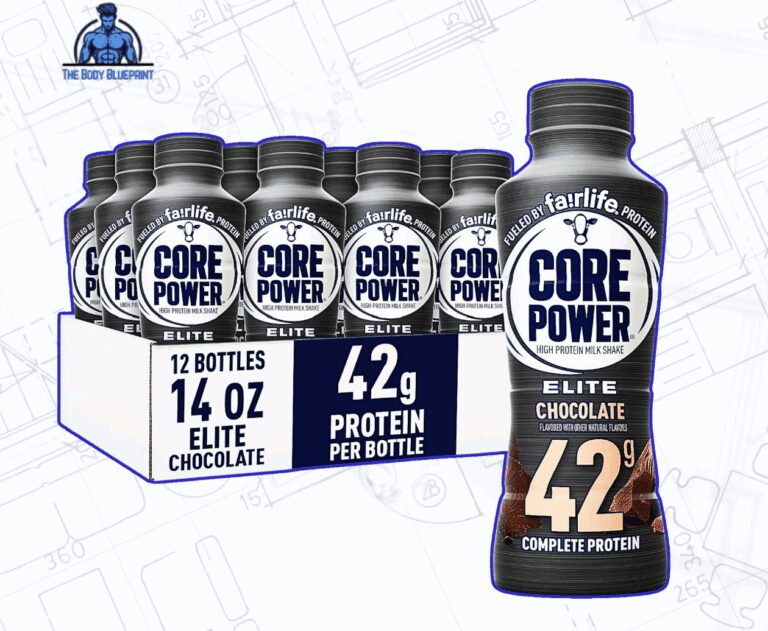
| Fairlife Core Power Elite | 42g | 7g | 230 | Highest protein overall, milk-based taste |
| Orgain Clean Protein RTD | 20g | 0g | 130 | Plant-based, USDA organic, clean label |
Fairlife Core Power Elite edges ahead on total protein at 42 grams with a better taste profile due to the ultra-filtered milk base, but carries 7 grams of sugar. Premier Protein wins on calorie efficiency and per-bottle cost. Muscle Milk Pro splits the middle on protein and calories. Orgain is the plant-based option for dairy-free buyers. Labrada Lean Body RTD wins on protein density plus micronutrient coverage. Forty grams of protein with a full multivitamin panel in one bottle. No other product in the category combines 40 grams of protein with 22 vitamins and minerals at meaningful doses. The micronutrient panel is the differentiating spec.
FAQ
- Can I use this as a full meal replacement?
- The 40 grams of protein and 22 vitamins and minerals at 280 calories put this product in the functional range of a meal replacement, though Labrada markets it as a protein shake. One bottle covers protein and micronutrient needs for a single meal. Add a piece of fruit or a handful of almonds if you need more satiety from fiber and healthy fat.
- Why a whey and milk protein blend instead of straight whey isolate?
- Whey isolate digests rapidly. Milk protein concentrate contains roughly 80 percent casein and 20 percent whey, extending the amino acid release over several hours. The blend provides both an immediate post-workout amino acid spike and a sustained release curve. Pure whey isolate hits and clears. The blend hits and lingers.
- Does it need to be refrigerated?
- No. The bottle is shelf-stable until opened. Store it at room temperature. Refrigerate after opening and consume within 24 hours. Perfect for gym bags, desk drawers, car consoles, and travel.
- How does the taste compare to other RTD shakes?
- The chocolate flavor is rich and milky, comparable to a thin chocolate milkshake. The sucralose sweetness is present but not cloying. Taste is subjective. The texture is smoother than plant-based RTDs and comparable to dairy-based competitors like Muscle Milk and Premier Protein.
Final Verdict: The RTD That Eats Like a Meal
Labrada Lean Body RTD isn’t the cheapest per gram—it’s built for those who need 40g of protein, zero sugar, and a full multivitamin panel in a single, no-prep bottle. Ideal for meal-skippers, post-workout commuters, and macro trackers who value precision over cost. If budget is your priority, buy powder and a shaker. The RTD premium is real, but this bottle justifies it with unmatched protein density and micronutrient coverage that no competitor matches.
40g Protein. 0g Sugar. 22 Vitamins & Minerals. One Bottle. No Mixing.
Labrada Lean Body Ready-to-Drink Protein Shake. The RTD that doubles as a multivitamin. Check the live 12-pack price below.
*Price, formulation, and ingredient lists subject to change. Verify on the live listing. Statements have not been evaluated by the FDA. This product is not intended to diagnose, treat, cure, or prevent any disease.
The Lexicon: RTD Edition
- Whey Protein Concentrate (WPC)
- A dairy protein fraction containing roughly 70 to 80 percent protein by weight with the remaining mass composed of lactose, milk fat, and minerals. Digests more slowly than whey isolate due to the higher lactose and fat content. Less processed than isolate. More bioactive compounds. Slightly slower digestion curve.
- Milk Protein Concentrate (MPC)
- A combined whey and casein protein in roughly the same 20:80 ratio found naturally in milk. The casein fraction coagulates in the stomach, creating a slow-release amino acid drip that can sustain muscle protein synthesis for several hours. Whey for the spike. Casein for the sustain. MPC delivers both in one ingredient.
- Ready-to-Drink (RTD)
- A pre-mixed, shelf-stable protein beverage sold in a sealed, single-serving container. The defining value proposition is zero preparation time and zero cleanup. The format is the product. You are buying convenience in a bottle. The protein inside is the same protein you could buy in powder form for less money.
- Sucralose
- An artificial zero-calorie sweetener approximately 600 times sweeter than sucrose, made by chlorinating sugar molecules. Heat-stable, shelf-stable, and widely used in RTD protein beverages. Zero calories. Zero sugar impact. Polarizing aftertaste. Either you tolerate it or you do not.
Keep Reading: Protein & Nutrition
- Best Protein Shakes — RTDs, powders, and meal replacements compared across every spec.
- Best Protein for Fast Recovery — when digestion speed matters and when it does not.
- Whey Protein vs. Other Sources — how dairy, plant, egg, and beef proteins compare.
- Post-Workout Protein Intake — how much, how fast, and what the research actually says.
- What to Eat After Workout Without Protein Shake — whole-food alternatives to the RTD format.