
Transparent Labs 100% Grass-Fed Whey Protein Isolate delivers a cold-processed, microfiltered whey isolate sweetened exclusively with stevia and monk fruit — zero sucralose, zero aspartame, zero acesulfame potassium. Most protein tubs are chemistry experiments with flavoring. This one is not. We analyzed the processing method, the sweetener profile, the third-party certification stack, and the cost-per-gram math to see if clean-label protein justifies the premium over artificially sweetened commodity blends.
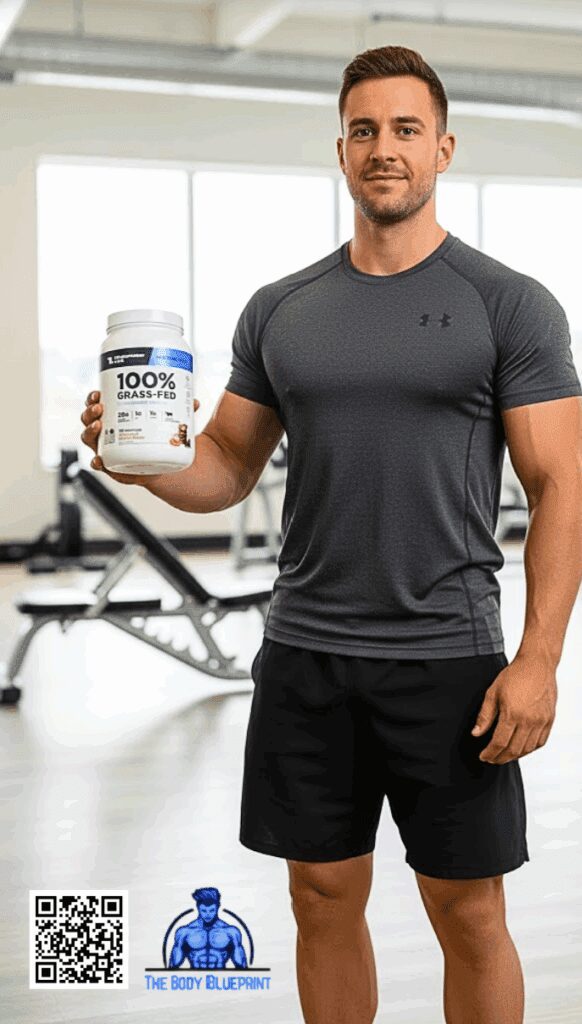
Processing & Sweetener Profile: Cold Microfiltration Meets Stevia-Monk Fruit Blend
Three processing decisions define Transparent Labs Grass-Fed Whey Isolate: cold cross-flow microfiltration, grass-fed bovine milk sourcing, and a stevia-monk fruit sweetener system that replaces sucralose, aspartame, and acesulfame potassium entirely. The cold cross-flow microfiltration — passing liquid whey through ceramic membranes at sub-denaturation temperatures (below 72°C) — preserves the native structure of beta-lactoglobulin, alpha-lactalbumin, and immunoglobulin fractions that heat-denatured whey destroys. The result is a whey protein isolate with a protein efficiency ratio that tests higher than concentrates and a biological value that rivals egg albumin. For a full comparison of protein sources and timing strategies, see our Best Whey Protein for Strength Gains and Nutrition Timing for Anabolism.
- Cold Cross-Flow Microfiltration: The whey passes through 0.1-micron ceramic membranes at temperatures that never exceed the beta-lactoglobulin denaturation threshold of 72°C. This retains the native protein conformation — the three-dimensional folded structure that determines how efficiently the protein is digested and absorbed. Denatured protein (from heat processing) aggregates in the stomach and passes through with lower nitrogen retention. Native protein achieves higher net protein utilization (NPU) per gram. The difference is measurable in nitrogen balance studies.
- Grass-Fed Bovine Milk Sourcing: The milk comes from cows with a pasture-based diet rather than confined animal feeding operations (CAFOs). Grass-fed whey has a higher concentration of conjugated linoleic acid (CLA, specifically the cis-9, trans-11 isomer) and butyrophilin — a bioactive phospholipid protein linked to immune modulation. Neither compound is present in significant quantities in grain-finished whey. The practical effect on body composition is marginal; the moral and environmental considerations are for the buyer to weigh.
- Stevia-Monk Fruit Sweetener System: The sweetener profile is a blend of rebaudioside A (the primary steviol glycoside from Stevia rebaudiana) and mogroside V (the primary sweetener from Siraitia grosvenorii, monk fruit). Both are non-nutritive sweeteners — they provide sweetness without caloric contribution — but unlike sucralose, they have zero documented effect on the gut microbiome composition in published human trials. This is the functional difference: sucralose alters Firmicutes/Bacteroidetes ratios in some populations. Stevia and monk fruit do not.
The cost-per-gram of protein from Transparent Labs runs approximately $0.08–$0.10 per gram of protein, versus $0.04–$0.06 for artificially sweetened concentrate blends. Double the price, but the delta buys: (1) native-conformation protein from cold microfiltration, (2) grass-fed CLA and butyrophilin content, (3) third-party NSF and Informed Choice certification, and (4) a sweetener system that does not alter gut microbiome ecology. Whether that 2x price is worth the metabolic and digestive peace of mind depends entirely on how your gut reacts to sucralose. If you can drink diet soda all day with zero bloating, the value proposition collapses. If artificial sweeteners trigger headaches, cramping, or dysbiosis, the premium is the cost of escaping that response.
“Think of protein powder sweeteners as the paint job on a used car. A sketchy lot sprays air freshener to hide the mildew. A reputable dealer shows you the full service history and lets the paint speak for itself. Sucralose in protein is the air freshener — a cover-up for low-quality concentrate that tastes like barn floor. Stevia-sweetened whey is the service history — the protein is clean enough to stand alone.”
— Charles Damiano, B.S. Clinical Nutrition
Selection Matrix: Who Actually Needs Natural Sweetener Whey Protein?
Cruise down the protein aisle and every tub screams “Great Taste!” The question is what creates that taste — high-quality isolate or chemical sweeteners masking low-quality concentrate. Transparent Labs solves one specific problem with one specific trade-off. Here is who pays the premium and who does not need to.
| Buy It If… | Skip It If… |
|---|---|
| You get headaches, bloating, or gut distress from sucralose/aspartame. | You consume artificial sweeteners daily with zero GI response. |
| You prioritize third-party testing (NSF, Informed Choice) over price. | Your budget prioritizes price per gram of protein over ingredient transparency. |
| You want cold-processed native whey, not heat-denatured commodity protein. | You believe all whey is functionally identical regardless of processing method. |
| You follow a clean-label diet and eliminate synthetic additives where possible. | You think “clean label” is marketing fluff with no metabolic relevance. |
The decision tree is short: if artificial sweeteners bother you, Transparent Labs is one of the few isolate options that eliminates them entirely while preserving native protein structure. If sweeteners do not bother you, the price premium is harder to justify — spend your protein budget on total grams instead. For the math on that trade-off, see our Best Whey Protein for Fat Loss and Nutrition Timing for Anabolism.
Sweetener Face-Off: Transparent Labs vs. the Field
Six differentiators separate Transparent Labs from the typical artificially sweetened protein: primary sweetener type, protein quality tier, digestive side effect profile, aftertaste profile, third-party certification status, and ingredient transparency level.
| Category | Transparent Labs | Typical Protein (Artificially Sweetened) |
|---|---|---|
| Primary Sweeteners | Stevia (Reb A), Monk Fruit (Mogroside V) — both plant-derived glycosides | Sucralose, acesulfame-K, aspartame — chlorinated sucrose or synthetic dipeptides |
| Protein Quality Tier | Cold microfiltration whey isolate — native protein conformation preserved, ~90% protein by weight | Ion-exchange or heat-denatured concentrate blends — denatured protein, ~50–80% protein by weight |
| Digestive Effect | Low incidence of GI distress. Steviol glycosides zero documented effect on Firmicutes/Bacteroidetes ratios | Bloating, cramping, and diarrhea reported. Sucralose alters gut microbiome composition in ~15–25% of users |
| Aftertaste | Clean, mild licorice note from stevia. No metallic residue | Metallic or chemical aftertaste from residual chlorinated compounds |
| Third-Party Testing | NSF Certified for Sport, Informed Choice verified — batch-level testing for heavy metals, banned substances | Rarely third-party tested. Relies on manufacturer self-disclosure |
| Cost Per Gram | ~$0.08–$0.10/g protein | ~$0.04–$0.06/g protein |
For more protein strategy resources, see our Whey Protein Isolate for Lean Muscle and Nutrition Timing for Anabolism.
Transparent Labs Pros and Cons: Native Whey Purity vs. Price Premium
The Advantage (Pros)
- Zero Artificial Sweeteners: No sucralose, aspartame, or acesulfame-K. The stevia-monk fruit blend has zero documented effect on gut microbiome composition.
- Cold Cross-Flow Microfiltration: Preserves native beta-lactoglobulin and alpha-lactalbumin conformation. Heat-denatured whey aggregates in the stomach; native whey achieves higher net protein utilization.
- NSF Certified for Sport: Batch-level third-party testing for heavy metals, residual solvents, and banned substances. This is the certification standard for competitive athletes subject to drug testing.
- Grass-Fed CLA & Butyrophilin Content: Pasture-based milk sourcing yields measurable conjugated linoleic acid (cis-9, trans-11) linked to immune modulation — present at negligible levels in grain-finished whey.
The Trade-off (Cons)
- 2x Cost Per Gram of Protein: ~$0.08–$0.10 versus ~$0.04–$0.06 for artificially sweetened concentrate blends. The premium is real and recurring.
- Lower Sweetness Intensity: The stevia-monk fruit blend produces a less aggressively sweet profile than sucralose-based competitors. Users accustomed to candy-sweet protein may find it underwhelming for the first tub.
- Stevia Licorice Aftertone: Rebaudioside A has a mild licorice-like finish that some users dislike. This is a subjective taste preference, not a quality issue.
- No Concentrate-Only Cost Option: Transparent Labs offers only isolate tier. If your budget forces concentrate, this brand cannot meet you there.
Protein Sweetener FAQ: Artificial vs. Natural
- Are artificial sweeteners in protein powder actually bad for you?
- For some people, yes. As Charles Damiano, B.S. Clinical Nutrition, explains: “While generally recognized as safe (GRAS) by the FDA in small amounts, many athletes report real side effects from artificial sweeteners — headaches, bloating, and digestive issues. More importantly, when a protein needs sucralose or aspartame to taste good, it often signals low-quality concentrate that tastes awful without chemical masking. The sweeteners are a red flag for what else the manufacturer is hiding.”
- What is the difference between stevia and artificial sweeteners chemically?
- Stevia (rebaudioside A) is a steviol glycoside extracted from the leaves of Stevia rebaudiana, a South American shrub used for centuries by the Guaraní people. Sucralose is a chlorinated sucrose molecule created by selectively replacing three hydroxyl groups with chlorine atoms. Aspartame is a synthetic dipeptide composed of aspartic acid and phenylalanine. Stevia is plant-derived. Sucralose and aspartame are chemically manufactured — a distinction with metabolic implications for how the body processes them.
- Will naturally sweetened whey protein taste good enough?
- The answer depends on protein quality. Cheap whey concentrate tastes bitter and musty — it needs heavy chemical sweetening to be palatable. High-quality cold-filtered whey isolate has a naturally clean, mild dairy flavor that pairs naturally with stevia and monk fruit. The sweetness is different — less intense, more nuanced — but most users adapt within 3–5 servings. The trade-off is between candy-bomb sweetness and a flavor profile that respects the ingredient quality.
- Is the price premium for natural sweeteners worth the cost?
- “Let’s do the math,” says Damiano. “Artificial sweeteners cost pennies per tub. High-quality stevia and monk fruit cost significantly more. When you factor in the higher-quality protein source — grass-fed isolate versus conventional concentrate — plus cold microfiltration, third-party NSF certification, and grass-fed CLA/butyrophilin content, the effective premium is narrower than it appears. You are paying for what is in the tub, not what the manufacturer saved by using chemical shortcuts.”
- Should I choose unflavored whey to avoid sweeteners entirely?
- Unflavored whey isolate gives you complete control — you add your own flavoring without any sweetener. The disadvantage is that pure unflavored whey has a mild dairy taste that some find flat. Transparent Labs offers both flavored (stevia-monk fruit) and unflavored (sweetener-free) options. Either choice avoids artificial sweeteners without compromising on protein quality.
Transparent Labs Grass-Fed Whey Verdict: The Clean-Isolate Standard for Gut-Sensitive Athletes
Transparent Labs 100% Grass-Fed Whey Protein Isolate is the gold standard for athletes who need a high-biological-value whey isolate that eliminates sucralose, aspartame, and acesulfame-K from their protein rotation. The cold cross-flow microfiltration preserves native protein conformation for superior net protein utilization. The stevia-monk fruit sweetener system avoids the gut microbiome disruption documented with chlorinated sweeteners. The NSF Certified for Sport badge provides batch-level third-party verification.
The ~$0.08–$0.10 per gram protein cost is the limiting factor. If artificial sweeteners do not bother you, you can achieve similar protein intake at half the cost with a commodity concentrate. But if your gut rebels against sucralose, if you compete in a tested sport requiring NSF certification, or if you prioritize clean-label sourcing for every gram of protein you consume, the premium is the price of entry. You cannot cold-filter a commodity concentrate. You cannot remove sucralose from a protein already tainted with it. The decision is binary — pay the premium or accept the trade-offs.
For a complete protein strategy, pair this with our Best Whey Protein for Strength Gains, our Whey Protein Isolate for Lean Muscle, and our Nutrition Timing for Anabolism.
Verdict: The Native Whey Standard for the Gut-Sensitive Athlete
If artificial sweeteners wreck your digestion or you need NSF-certified purity for drug-tested competition, Transparent Labs is the only isolate that checks both boxes without chemical shortcuts. The price premium is the cost of escaping the sucralose trap.
The Protein Sweetener Lexicon
- Cold Cross-Flow Microfiltration
- A filtration process passing liquid whey through 0.1-micron ceramic membranes at temperatures below 72°C to preserve native beta-lactoglobulin and alpha-lactalbumin structure. Prevents protein denaturation and aggregation, improving net protein utilization (NPU) per gram versus heat-denatured whey.
- Rebaudioside A (Steviol Glycoside)
- The primary sweet-tasting compound from Stevia rebaudiana leaves. A plant-derived, non-nutritive glycoside with zero documented effect on gut microbiome Firmicutes/Bacteroidetes ratios. 200–300x sweeter than sucrose by weight. Trace licorice-like aftertaste is the compound’s distinguishing flavor note.
- Mogroside V (Monk Fruit Glycoside)
- The primary sweet-tasting compound from Siraitia grosvenorii (monk fruit). A cucurbitane-type glycoside with no caloric contribution and no effect on insulin response. Typically paired with rebaudioside A to round out the sweetness profile and reduce the licorice aftertone.
- Sucralose (Trichlorosucrose)
- A chlorinated sucrose molecule where three hydroxyl groups are replaced with chlorine atoms. ~600x sweeter than sucrose by weight, zero caloric value. Documented effect on gut microbiome diversity in some populations — specifically, reduced Bacteroidetes-to-Firmicutes ratios that correlate with altered glucose metabolism in animal models. The human data is less conclusive but the potential mechanism is established.
- NSF Certified for Sport
- A third-party certification program by NSF International that tests every batch for over 270 substances including heavy metals, residual solvents, pesticides, and banned performance-enhancing drugs. The gold standard for drug-tested athletes. Requires manufacturer disclosure of all ingredients and ongoing batch-level verification.
- Conjugated Linoleic Acid (CLA, cis-9, trans-11)
- A naturally occurring fatty acid found in the milk fat of pasture-grazed cows at significantly higher concentrations than grain-finished cows. Grass-fed whey contains measurable CLA levels. Grain-fed whey contains negligible amounts. The practical physiological effect on body composition is debated; the sourcing ethics are not.
More resources:
- Best Whey Protein for Strength Gains
- Best Whey Protein for Fat Loss
- Whey Protein Isolate for Lean Muscle
- Nutrition Timing for Anabolism
- Creatine Monohydrate for Strength Training
- Magnesium Glycinate Benefits for Lifters
- Best Collagen Supplements Guide
- Thorne Basic Nutrients Multivitamin Review
- Build Muscle Guide