Fat loss isn’t complicated, but 90% of the advice out there is designed to sell you supplements, not results. This 2026 guide cuts through the noise and delivers the actual metabolic mechanics that matter. We’re breaking down energy balance, nutrient timing, resistance training’s role in metabolic rate, and the supplements that actually move the needle (and the ones that don’t). If you’re tired of spinning your wheels, this is your reset.
Disclaimer: This is general information, not medical advice. Always consult a qualified professional about your personal health needs. As an Amazon Associate, I earn from qualifying purchases at no extra cost to you. Fair deal? Let’s get into it.
FDA Disclaimer (The Fine Print That Keeps Us Legal): Buckle up, because the FDA wants us to be crystal clear: These statements haven’t been evaluated by the Food and Drug Administration. The supplements discussed aren’t intended to diagnose, treat, cure, or prevent any disease. Think of this as your performance roadmap, but your doctor is still the final authority on your personal chassis.
The Energy Equation: Calories Still Matter
Every fat loss conversation starts and ends here. Think of your body like a bank account. You can’t spend more than you deposit without pulling from savings. You can manipulate hormones, time your meals perfectly, and take every supplement on the market, but if you’re not in a caloric deficit, nothing happens. Period.
TDEE: Your Personal Energy Budget
Total Daily Energy Expenditure (TDEE) is the sum of:
- BMR (Basal Metabolic Rate): 60-75% of your burn. What it takes to keep you alive. The rent you pay just for existing.
- TEF (Thermic Effect of Food): 10%. The energy cost of digesting what you eat. Protein is the high-maintenance tenant, it costs the most to process.
- EAT (Exercise Activity Thermogenesis): Structured workouts. The gym sessions.
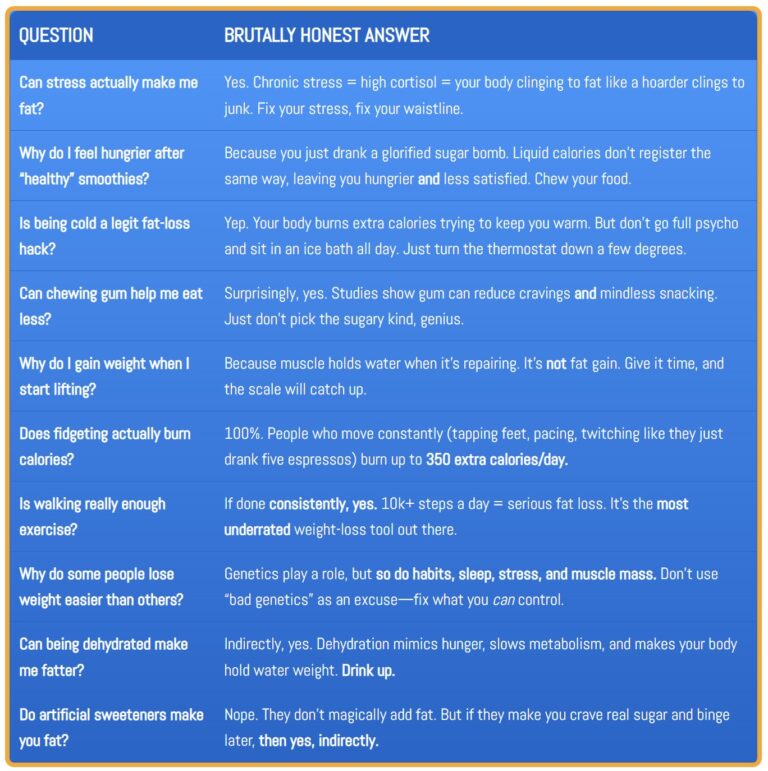
- NEAT (Non-Exercise Activity Thermogenesis): Everything else- walking, fidgeting, standing, pacing during phone calls. The lever most people leave on the floor. A walking pad or under-desk treadmill can double your NEAT without “trying.”
“Fat loss is a math problem with biological variables. You can’t out-supplement a bad diet, but you can use training and nutrition to tip the scales in your favor. The deficit is non-negotiable, it’s the gravity that keeps everything else in orbit.”
— Charles Damiano, B.S. Clinical Nutrition
Training for Metabolic Burn: Build the Engine
Cardio burns calories during the activity. Resistance training builds muscle, and muscle burns calories 24/7- it’s the gift that keeps giving. For sustainable fat loss, you need both, but the priorities are different.
The Resistance Training Anchor
Muscle is metabolically expensive tissue. Each pound of muscle burns roughly 6-10 calories per day just existing. More importantly, hard strength training creates EPOC (Excess Post-Exercise Oxygen Consumption)- your body keeps burning calories for hours after you leave the gym, like a car engine that stays warm after a long drive.
Full guide — The king of lower body mass builders.
Form breakdown — Hamstrings and glutes for days.
Technique guide — Upper body strength foundation.
How to do them — Core meets back in the best way.
Complete breakdown — Total body stability and control.
For home workouts, equipment matters. A quality exercise mat protects your floors and joints. If you’re building a home gym, consider the Speediance smart gym or functional trainers for space-efficient strength work.
Conditioning: The Accelerant
Cardio isn’t the enemy. Boring, steady-state cardio is. Better options:
- HIIT: Short bursts, max effort. Great for time efficiency. Think of it as sprinting up the stairs instead of walking.
- LISS: Low-intensity steady-state. Incline walks while watching something. The tortoise approach that actually wins races.
- Plyometrics: Explosive movements like burpees, medicine ball slams, and lateral bounds build power while burning calories.
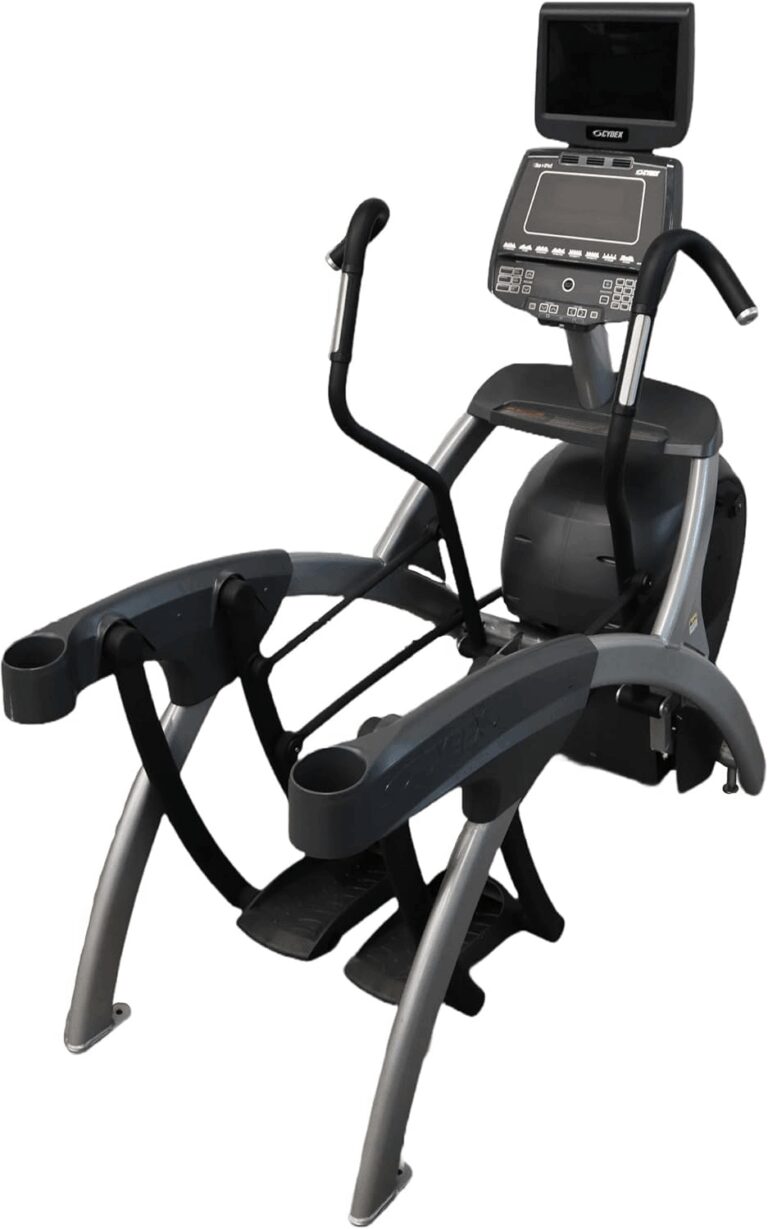
For conditioning equipment, a stationary bike or Hydrow rower can be game-changers.
“The goal isn’t just to burn calories during the workout, it’s to build a body that burns more calories at rest. That means prioritizing strength work and treating cardio as the supplement, not the main event. Think of muscle as your metabolic currency.”
— Eugene Thong, CSCS
Nutrition & Timing: Protein First, Everything Else Second
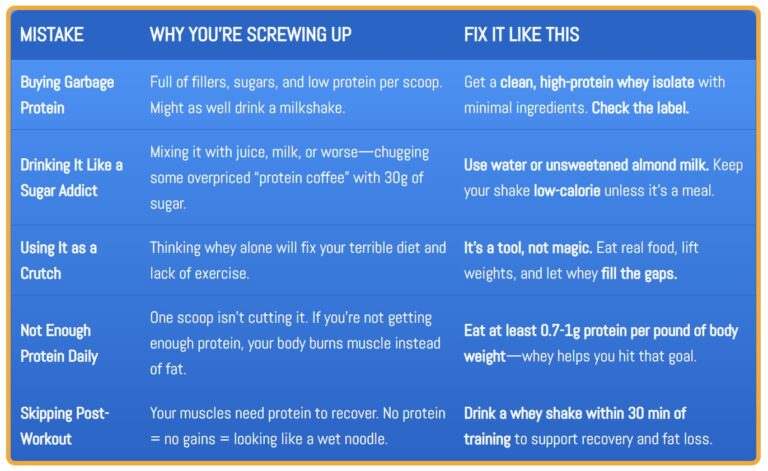
In a calorie deficit, protein is non-negotiable. It preserves muscle, increases satiety, and has the highest thermic effect of any macronutrient (it’s the only macro that costs you calories to digest).
Protein: The Fat Loss Macronutrient
Target 0.8-1g per pound of body weight. Sources matter less than hitting the number. Here’s your protein cheat sheet:
Micellar casein for overnight recovery
Clean dairy-free options
For convenience, Labrada Lean Body RTD and Fairlife shakes are solid on-the-go options. Quest bars and David protein bars work for snacks.
Meal Timing: Does It Matter?
For fat loss? Less than you think. Total calories and protein matter most. But strategic timing can help:
- Pre-workout: Small meal with protein and carbs. Something like Ninja Creami protein ice cream if you want something creative.
- Post-workout: Fast-digesting protein. Post-workout protein intake matters for recovery, it’s the window where your muscles are sponges.
- Before bed: Slow-digesting protein or collagen for overnight support while you sleep.
Hydration: The Forgotten Lever
Water is involved in every metabolic process. Dehydration = slower metabolism. Think of your body as a river, when the water level drops, everything slows down.
What Actually Works: Supplements That Move the Needle
Most fat loss supplements are garbage, they’re the infomercial ab rollers of the nutrition world. These aren’t.
The Foundation Stack
🥛 Protein Powder
Non-negotiable for hitting protein targets. See options above.
💪 Creatine
Creatine monohydrate supports strength, recovery, and muscle retention during cuts. Optimum vs. MuscleTech • Nutricost • Momentous chews • Jacked Factory
🐟 Omega-3s
Supports a healthy inflammatory response, joint mobility, and metabolic function. Best for joint health • Sports Research • Nordic Naturals algae
🧠 Magnesium
Supports sleep, recovery, and stress. Magnesium L-threonate crosses the blood-brain barrier.
The Performance Edge
Joint & Recovery Support
Gut Health & Digestion
NAD+ & Cellular Health
Sleep & Stress Management
Cortisol kills fat loss. Sleep is when you recover. Think of cortisol as the emergency brake on your metabolism; you want it off most of the time.
Normatec 3
Recovery Tracking
The Missing Link: Sleep & Stress
You can nail your diet and training, but if you’re sleep-deprived and stressed, fat loss stalls. Cortisol (stress hormone) promotes fat storage, particularly visceral belly fat. It’s like trying to drain a bathtub while the faucet is still running. Sleep is when your body repairs and regulates hormones.
Sleep Optimization
- 7-9 hours minimum. Think of it as your body’s nightly maintenance shift
- Dark, cool room (cave-like conditions)
- Consistent bedtime/wake time (your circadian rhythm runs on schedule)
- No screens 60 minutes before bed (blue light is the enemy of melatonin)
- Consider sleep supplements if needed
Stress Management
- Morning sunlight exposure (sets your internal clock)
- Breathwork: 90/90 balloon breathing and balloon breathing activate your parasympathetic nervous system (the “rest and digest” mode)
- Mobility work: Pigeon stretch, lat and triceps stretch, downward dog
- Walking: Lowers cortisol, increases NEAT. The cheapest stress relief available.
Fat Loss Workouts: The Exercise Library
Compound Lifts (The Foundation)
Accessory Movements (Fill the Gaps)
Core Work (Stability, Not Just Abs)
Glutes & Hips
Mobility & Warm-Ups
Final Verdict: The Fat Loss Hierarchy
| Tier | Components | The Analogy |
|---|---|---|
| Level 1 (Foundation) | Calorie deficit • Adequate protein • Resistance training • Sleep | The foundation of your house. Without it, nothing else stands. |
| Level 2 (Accelerants) | NEAT (walking) • Conditioning • Meal timing • Hydration | The turbocharger on your engine. Makes everything more efficient. |
| Level 3 (The 10%) | Targeted supplements • Advanced techniques • Recovery modalities | The custom paint job. Nice to have, but won’t make the car faster alone. |
The Bottom Line: Fat loss is simple but not easy. Nail the basics before chasing the shiny objects. If you’re consistent with the hierarchy above, results are inevitable. For structured plans, check our best workout routines for men, home workout routines, and beginner’s guide to resistance training.
Related Fat Loss Guides
- How to Get Abs: The Complete Guide
- Best Protein for Muscle Growth and Fat Loss
- Creatine Guide: Benefits, Timing, and Results
- High-Protein Foods List for Fat Loss
- Best Omega-3 for Joint Health
- Infrared Sauna Guide: Benefits for Fat Loss and Recovery
The Lexicon: Fat Loss Edition
- Caloric Deficit
- Consuming fewer calories than your body expends. The non-negotiable requirement for fat loss – gravity for your metabolism.
- TDEE (Total Daily Energy Expenditure)
- The total number of calories your body burns in a day, including BMR, TEF, EAT, and NEAT. Your metabolic budget.
- NEAT (Non-Exercise Activity Thermogenesis)
- The energy expended for everything that isn’t sleeping, eating, or sports-like exercise. Walking, fidgeting, standing. The stealth calorie burner.
- TEF (Thermic Effect of Food)
- The energy required to digest, absorb, and metabolize the food you eat. Protein has the highest TEF – it’s the only macro that makes you work for it.
- EPOC (Excess Post-Exercise Oxygen Consumption)
- The “afterburn” effect where your body continues burning calories at an elevated rate post-workout. The gift that keeps on giving.
- Muscle Protein Synthesis (MPS)
- The process of building new muscle tissue. Crucial for preserving muscle during a calorie deficit – your body’s construction crew.
- Cortisol
- The primary stress hormone. Chronically elevated cortisol can promote fat storage, particularly in the abdominal area. The emergency brake on your metabolism.