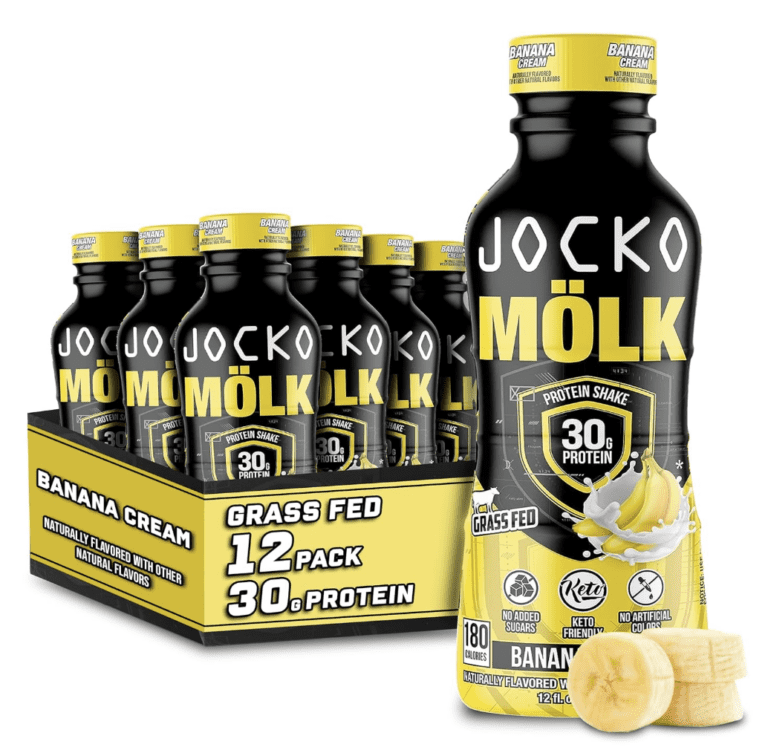
Best protein for muscle growth: whey isolate takes the overall crown, but the honest answer depends on timing, digestion speed, and tolerance. Protein quality is a function of biological value, amino acid profile, and digestibility, not label hype. Some sources flood your muscles with leucine in minutes; others drip-feed aminos all night. We ranked the proven sources by muscle-building efficiency and broke down when each one actually matters.
What Makes a Protein High Quality
Protein quality is not grams per serving; it is bioavailability, amino acid profile, and digestibility. Three numbers tell you more than any marketing label on the tub.
- Biological Value (BV): measures how efficiently your body retains and uses a protein. Higher BV means better muscle-building potential.
- Amino Acid Profile: complete proteins with all nine essential amino acids reign supreme, and leucine is the king of them all.
- Digestibility: some proteins break down fast and flood the muscles with aminos; others release slowly and steady. Both have a job.
“Think of protein quality like a construction crew. A top-tier crew builds muscle faster and stronger than a sloppy one.”
Eugene Thong, CSCS
The Protein Quality Ranking: The Best Sources for Muscle
The definitive ranking of protein sources by muscle-building efficiency, with the numbers that actually matter. No noise, no hype, just the data.
| Protein Source | Biological Value (BV) | Leucine (per 100g) | Digestibility |
|---|---|---|---|
| Whey Isolate | 159 | ~10g | Ultra-Fast |
| Egg Whites | 100 | ~8g | Fast |
| Grass-Fed Beef | 80 | ~7g | Moderate |
| Wild-Caught Salmon | 83 | ~6g | Moderate |
| Chicken Breast | 79 | ~6.5g | Moderate |
| Casein | 77 | ~8g | Slow |
| Greek Yogurt | 65 | ~5g | Moderate-Fast |
- Whey isolate is the undisputed champion: highest BV, fastest absorption, and leucine-rich. It sets the standard every other source is measured against.
- Egg whites are the near-perfect whole food: a complete amino profile with a BV of 100.
- Chicken and beef are the staples: great balance of quality, practicality, and satiety. They are the everyday workhorses.
- Casein shines overnight: slow digestion keeps amino levels steady while you sleep.
- Salmon and Greek yogurt are the honorable mentions: quality protein plus omega-3s and probiotics respectively.
The Hidden Nuances of Protein Timing & Pairing
Eating protein is step one; timing it is where most guys leave gains on the table. Two rules cover ninety percent of it.
- Post-workout protein: the anabolic window is real but exaggerated. The so-called 30-minute window is flexible, but a fast-digesting protein like whey right after training does maximize muscle repair. Pair it with carbs to drive nutrients into the muscles.
- Fast versus slow proteins: each has its shift. Fast sources (whey, egg whites) belong post-workout or in the morning. Slow sources (casein, meat) belong before bed or between meals to keep amino levels steady.
“Your muscles don’t care about the clock; they care about a constant supply of aminos.”
Charles Damiano, B.S. Clinical Nutrition
For the deeper breakdown of when and how to eat protein around training, see our protein timing guide. It is the same strategy, laid out meal by meal.
The complete protein playbook, from powders to whole foods to timing, lives in the protein hub.
Plant-Based Proteins: Can They Compete?
Plant proteins can build muscle, but they require strategy instead of substitution. Most are lower in biological value and incomplete on aminos, with two exceptions: soy and quinoa.
- Pea Protein (BV 65): solid leucine content and easy to digest; the base of most quality vegan blends.
- Soy Protein (BV 74): the rare complete plant protein, with an amino profile close to animal sources.
- Hemp Protein: lower biological value but rich in omega-3s and fiber, a fine support player.
- The fix: combine sources. Rice plus pea protein delivers a complete amino profile, and several studies confirm plant blends close the gap on muscle gain when total protein and leucine hit the threshold.
The Final Verdict: The Best Protein Strategy
Bottom line: prioritize high-BV proteins, time fast and slow sources wisely, and stop overthinking the rest. Four rules cover the whole game.
- Prioritize high-BV proteins: whey, eggs, chicken, and beef are the proven core.
- Time wisely: fast protein post-workout, slow protein before bed.
- Do not fear fats: fatty cuts of meat still deliver excellent protein quality.
- Vegans, combine sources: rice plus pea protein is a complete, muscle-building combo.
Verdict: Whey First, Eggs Second, Strategy Always
Stock the top-tier sources, time them right, and let the aminos do the work. The ranking is data; the discipline is yours.
Scientific Anchors:
- Roughly 2 to 3 grams of leucine per meal maximizes muscle protein synthesis (Norton et al., 2012).
- Whey digests rapidly and stimulates muscle protein synthesis faster than casein, while casein provides a slower, sustained amino acid release (Boirie et al., Proceedings of the National Academy of Sciences, 1997).
- Plant-based protein sources typically contain less leucine, which can be offset by blending sources to reach the anabolic threshold (van Vliet et al., Journal of Nutrition, 2015).
Protein FAQ: The Questions That Matter
How much protein do I need per day for muscle growth? Aim for 0.7 to 1 gram per pound of bodyweight (1.6 to 2.2 grams per kilogram), split across three to four meals so every meal hits the leucine threshold.
Is whey isolate worth the extra cost over concentrate? If you are lactose sensitive or want the fastest possible absorption, yes. Otherwise concentrate delivers essentially the same muscle-building results for less money. See our full whey concentrate vs. isolate breakdown.
Can plant protein build as much muscle as whey? Yes, when total daily protein and per-meal leucine hit the threshold. Blend rice and pea protein and the gap closes almost entirely.
When should I take protein for maximum growth? Total daily intake matters most. A fast source post-workout and a slow source before bed are optimizations, not requirements.
The Protein Lexicon: Terms That Matter
Biological Value (BV)
How efficiently the body retains and uses dietary protein. Higher is better for muscle building.
Leucine
The branched-chain amino acid that triggers muscle protein synthesis. The single most important amino for growth.
Essential Amino Acids
The nine amino acids the body cannot produce on its own. Complete proteins contain all nine.
Digestion Rate
How fast a protein breaks down into aminos. Fast for whey, slow for casein, and each has its ideal time of day.
Anabolic Window
The post-workout period where fast protein boosts repair. Real, but far more flexible than the fitness industry claims.