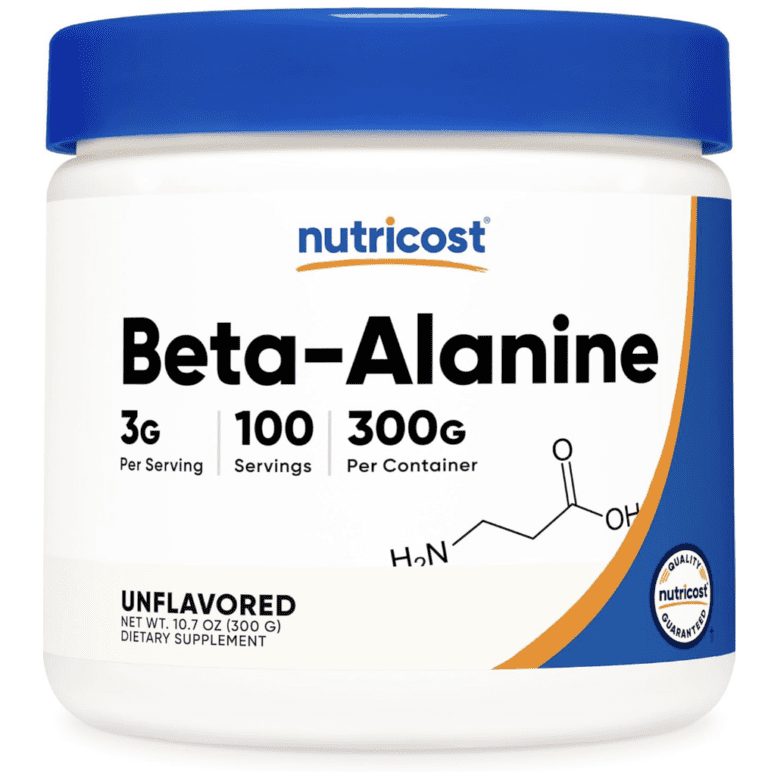
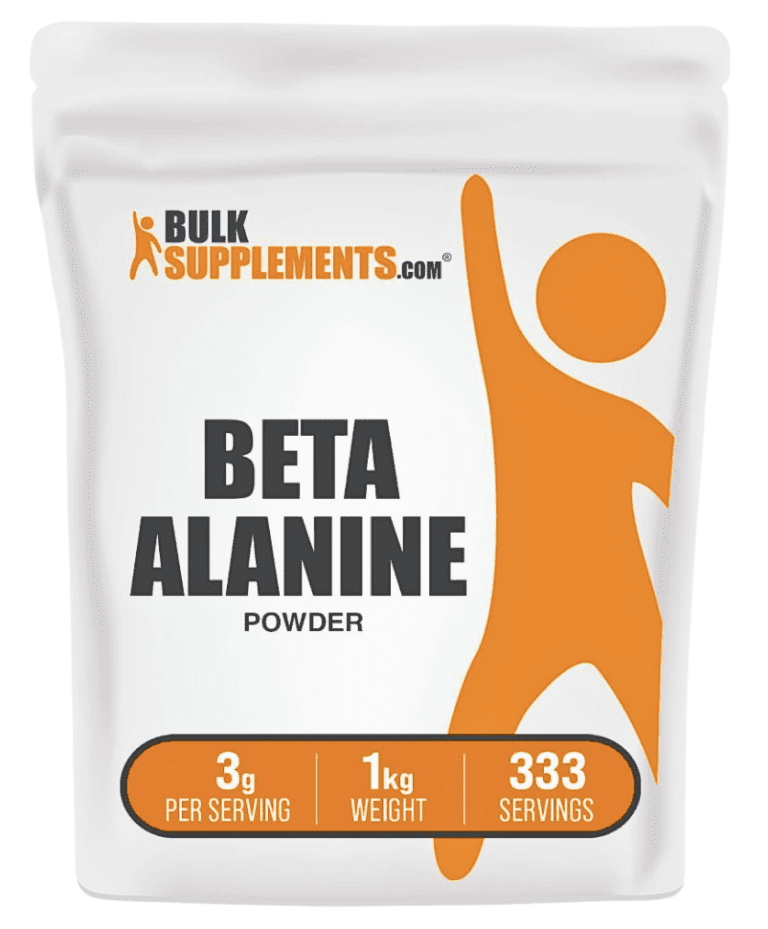
Beta-alanine and creatine are surgical tools for manipulating distinct energy systems within the muscle cell. While they are often grouped together in pre-workout formulas, they solve two entirely different mechanical problems. This 2026 analysis identifies the biological formulas behind these ingredients to determine if your supplement setup is your primary daily driver for performance.
Performance Disclosure: I earn from qualifying purchases as an Amazon Associate. This analysis is for educational purposes. We are analyzing the mechanical efficiency of ergogenic aids. These statements have not been evaluated by the FDA. Consult a professional before altering your structural baseline. Do not be a hero. Talk to a provider first.
Beta-Alanine vs. Creatine: The Mechanical Divide
The simplest way to define the divide is through the duration of effort. Creatine is the primary driver for explosive, short-duration force. Beta-alanine is the surgical tool for sustained, high-intensity intervals. If your training setup involves high-intensity failure sets or classic 90s mass monster volume, understanding these pathways is mandatory.
- Beta-alanine buffers the burn. It increases carnosine to neutralize hydrogen ions.
- Creatine drives the load. It saturates phosphocreatine stores to regenerate ATP.
Biological Mechanics: Carnosine vs. ATP
Success in 2026 performance nutrition requires mastering Metabolic Discipline. Beta-alanine shines in the 1 to 4 minute window. Creatine dominates the 1 to 30 second window. To maximize results, you must ensure your protein logistics are locked to support the increased training volume these supplements allow.
The Beta-Alanine Protocol
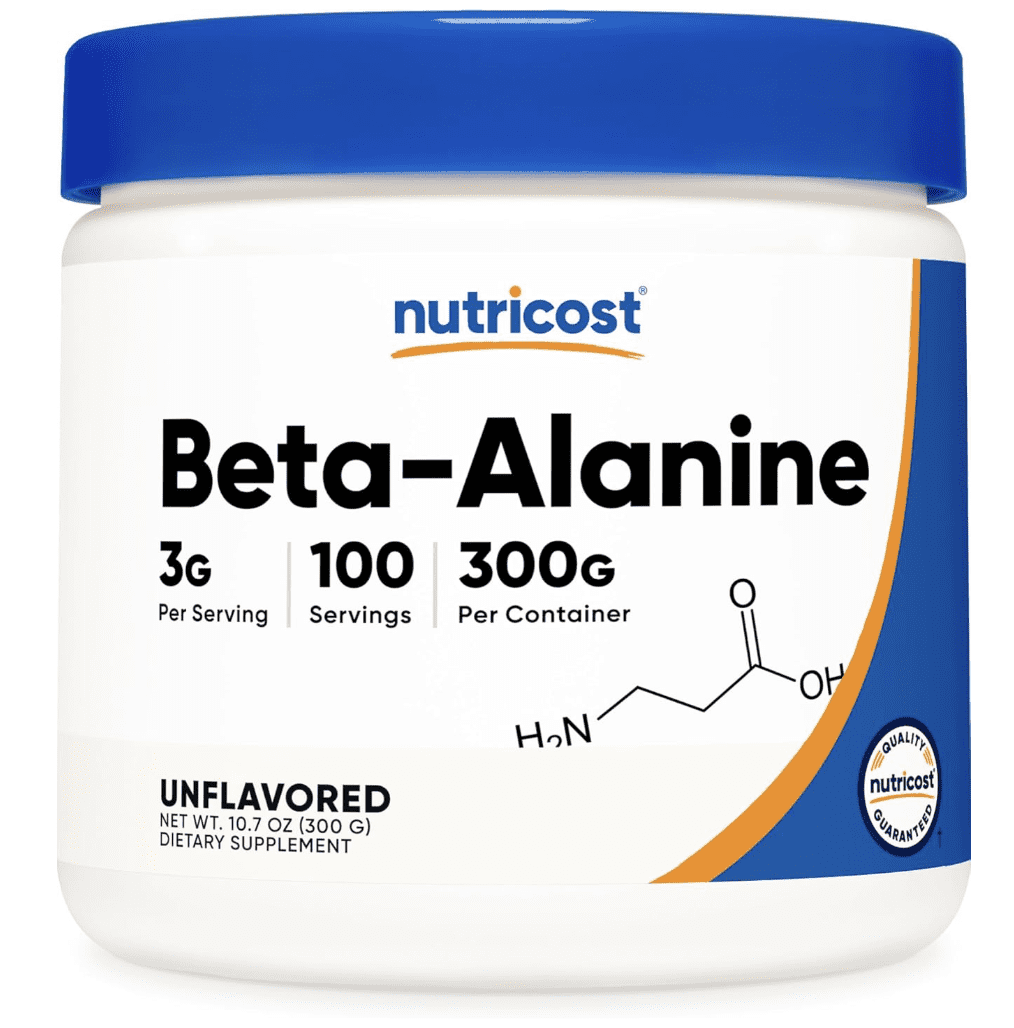
Beta-alanine increases muscle carnosine levels. This acts as a pH buffer during Sarcoplasmic Hypertrophy training. The result is more reps before failure. To minimize the paresthesia (tingling) sensation, utilize a sustained-release setup like Thorne SR or budget options like Nutricost.
The Creatine Protocol
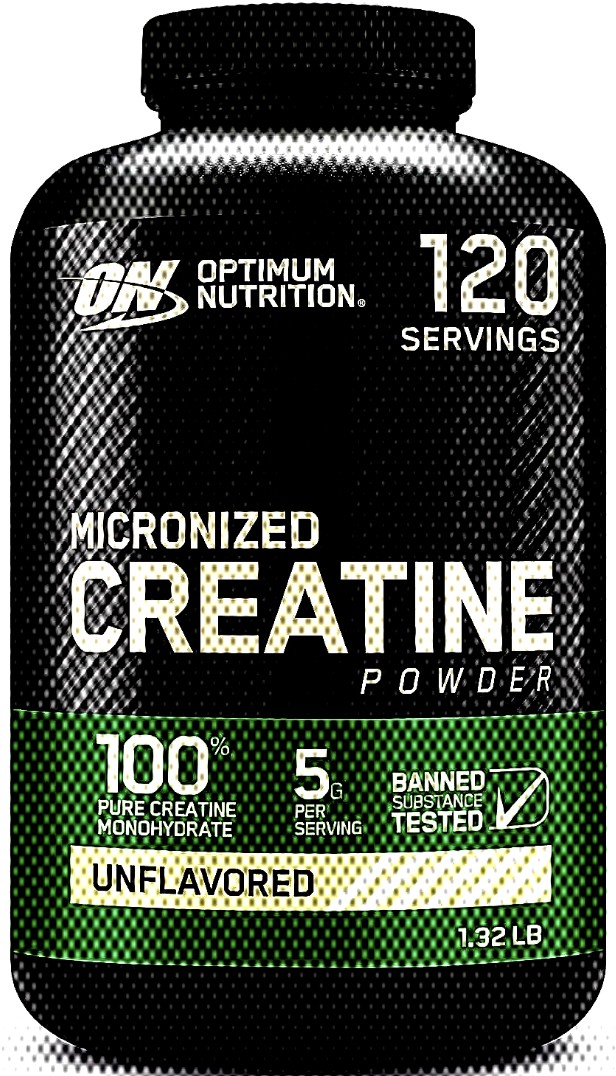
Creatine monohydrate remains the gold standard for increasing Mechanical Tension. By regenerating ATP, it allows for greater strength and power output. If you struggle with the creatine loading phase, follow our 2026 usage guidelines to ensure cellular saturation without GI distress.
Stacking Protocol: The Synergy Factor
Beta-alanine and creatine are not competitors. They are teammates. They operate on different energy systems. Stacking them creates a Systemic Anabolic Signal across a wider range of intensities. This is why they are the cornerstone of modern performance nutrition.
| Ingredient | Mechanical Focus | Training Style |
|---|---|---|
| Creatine | ATP Regeneration | Strength / Power |
| Beta-Alanine | Acidic Buffering | Endurance / Volume |
“Creatine builds the engine. Beta-alanine keeps the engine from overheating. If you are training for both strength and conditioning, the stack is your Biological Integrity insurance.”
— Eugene Thong, CSCS
Verdict: Secure Your Ergogenic Foundation
Beta-alanine and creatine are the two most proven ingredients for mass and power. Stop choosing. Stack both to maximize your Structural Baseline. Pair with a high-purity WPI for maximum recovery.
The Iron Lexicon: Supplement Edition
- Carnosine Buffering
- The process of neutralizing lactic acid buildup in the muscle. This is the primary function of beta-alanine.
- ATP Regeneration
- The recycling of cellular energy. Creatine facilitates this during high-load Mechanical Tension.
- Paresthesia
- The skin tingling sensation caused by acute beta-alanine intake. Managed via Sustained Release setups.
- Neurological Baseline
- The capacity of the nervous system to drive motor unit recruitment. Creatine helps maintain this baseline during heavy lifting.