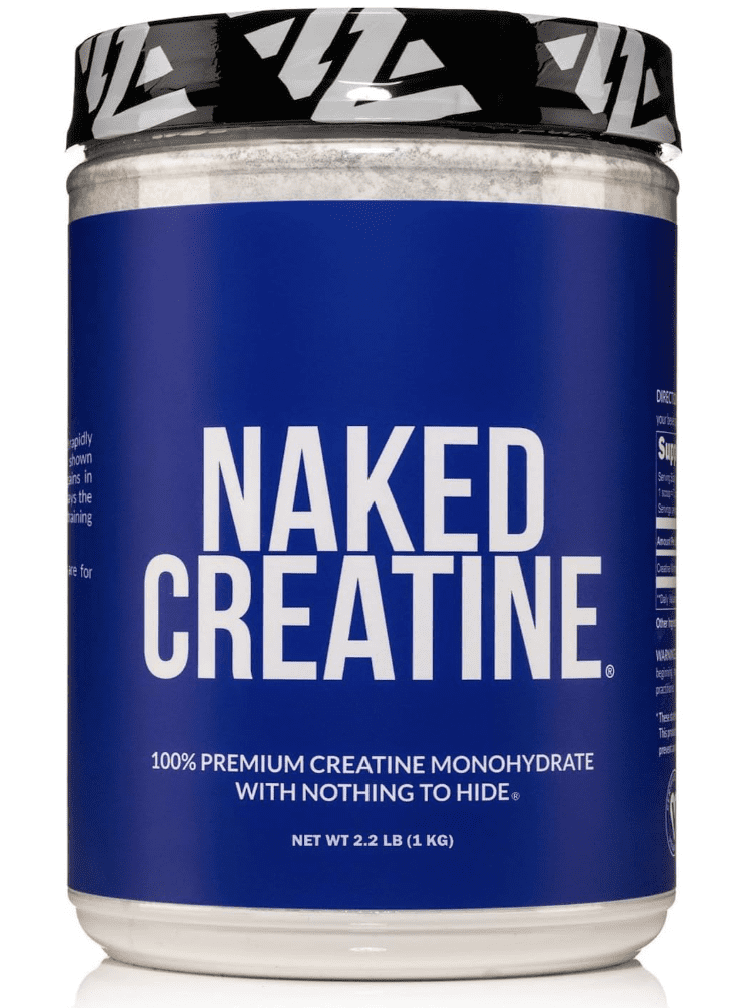
Creatine monohydrate isn’t a “supplement”—it’s the most researched performance molecule on the planet, proven to increase raw strength, improve muscle composition, and sharpen cognitive output. For men who train, it’s basic biochemistry. This 2026 Guide cuts through the marketing to cover mechanisms, dosing protocols, brand comparisons, and how to use creatine not as a shortcut, but as a foundational tool for long-term athletic performance.
Disclaimer: As an Amazon Associate, I earn from qualifying purchases — at no extra cost to you. It’s like I get a little something for doing the heavy lifting on research. Fair deal? Let’s get into it.
How Creatine Actually Works: More Than Just “Cell Volumization”
Creatine’s primary job is to recycle adenosine triphosphate (ATP), your body’s immediate energy currency. During high-intensity efforts like a heavy squat or sprint, creatine phosphate donates a phosphate molecule to ADP, rapidly regenerating ATP. This isn’t “magic”—it’s quantifiable cellular work.
Proven Benefits (Beyond the Bro-Science)
- Increased Strength & Power Output: The most consistent finding. Enables 1-2 more reps per set, driving progressive overload.
- Enhanced Muscle Recovery: Reduces muscle damage and inflammation post-training, letting you train hard more frequently.
- Cognitive & Mental Sharpness: Your brain uses ATP, too. Studied for reducing mental fatigue and supporting focus.
- Potential Long-Term Health Metrics: Emerging research on blood sugar management and bone health.
“Think of creatine as a battery buffer. It doesn’t increase your max capacity; it lets you recharge that final 10% faster between maximal efforts. That’s where reps are won and strength is built.”
— Charles Damiano, B.S. Clinical Nutrition
Optimal Dosing Protocol: Loading Phase Debunked
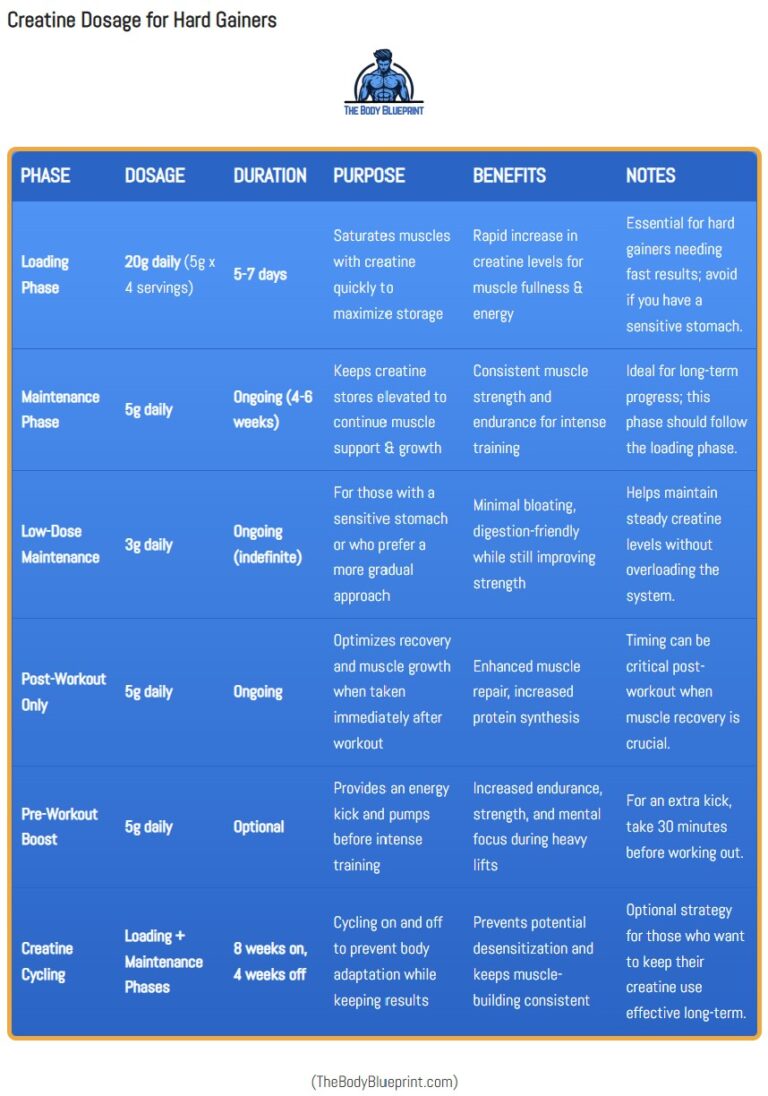
Forget the 20-gram per day “loading” myths. It’s unnecessary and can cause GI distress.
The Simple, Effective Protocol
- Standard Daily Dose: 3-5 grams of creatine monohydrate, daily.
- Timing: It doesn’t matter. Take it with your protein shake, pre-workout, or with dinner. Consistency is the only key.
- Hydration: This is critical. Creatine pulls water into muscle cells. Aim for at least 1 gallon of water daily. Pair it with a solid hydration-focused routine.
- No Cycling Needed: You don’t need to “cycle off.” It’s safe for long-term, continuous use.
Creatine Monohydrate vs. Everything Else: A Reality Check
Micronized Creatine Monohydrate (The Standard)
- What it is: Creatine monohydrate with smaller particle size for better mixability.
- Verdict: The gold standard. 99% of the research uses this form. It’s effective and cost-efficient.
Creatine HCl (Hydrochloride)
- What it is: Creatine bound to hydrochloride, claiming better solubility and absorption with smaller doses.
- Verdict: May cause less bloating for a sensitive few, but no conclusive evidence it’s *stronger* than monohydrate. You pay a premium for potential tolerability.
Other Forms (Ethyl Ester, Nitrate, etc.)
- Verdict: Marketing. They are often less stable in the body and lack the monumental evidence base of monohydrate. Spend your money on better equipment instead.
“The pursuit of a ‘better’ creatine is a distraction. After two decades in strength sports, I’ve seen zero evidence that anything outperforms simple, pure creatine monohydrate. Don’t complicate what works.”
— Eugene Thong, CSCS
Who Creatine Is For (And The Rare Exceptions)
Creatine Is Ideal For:
- Men focused on strength or hypertrophy: It directly supports the goal of lifting more weight for more reps.
- Athletes in sprint or power sports: Football, basketball, MMA—any sport requiring repeated bursts.
- Anyone seeking cognitive edge: Students, professionals, or those managing high-stress loads.
Consider Avoiding or Consult a Doctor If:
- You have pre-existing kidney disease. (For healthy individuals, creatine does not harm kidneys.)
- You are prone to severe dehydration and cannot commit to increased water intake.
- You have a known sensitivity that causes significant bloating or GI distress (try HCL first).
Myths & Real Drawbacks (The Unvarnished Truth)
- “Creatine causes hair loss.” Myth. This stems from a single, flawed study linking DHT (a hormone) to creatine. Overwhelming evidence does not support this.
- “It makes you hold water and look puffy.” Partially True. Water is pulled into muscle cells, which can increase scale weight and improve muscle fullness. Subcutaneous water (“bloat”) is minimal with proper hydration.
- The Real Drawback: It’s a long-game supplement. Effects build over 3-4 weeks. It’s not a pre-workout “kick.”
Top Creatine Brands Compared (2026)
| Brand & Product | Type | Key Feature | Best For |
|---|---|---|---|
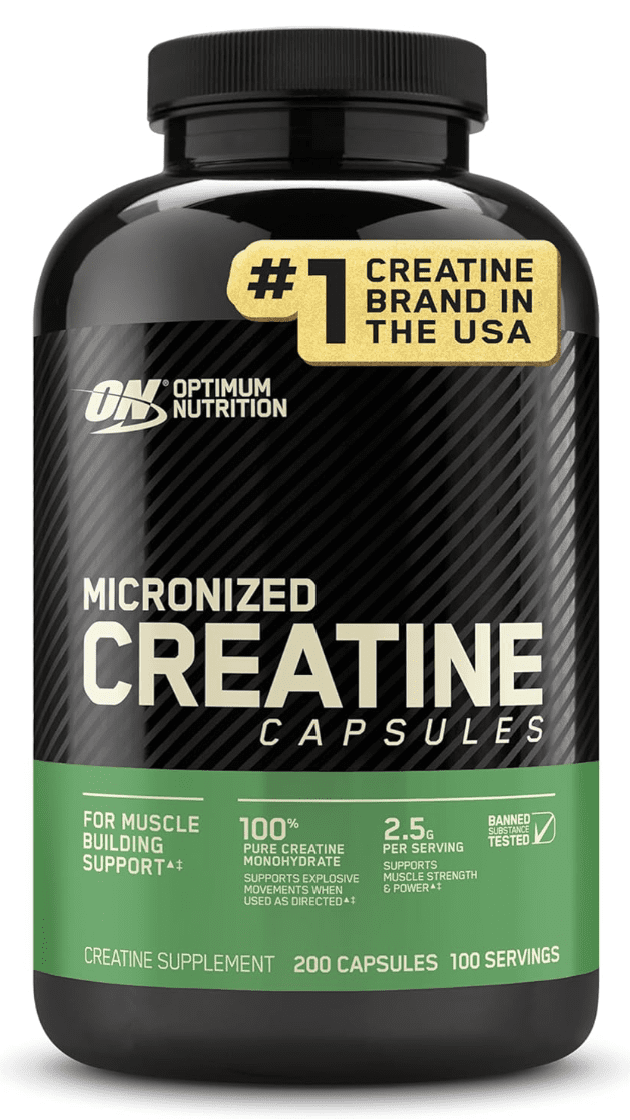
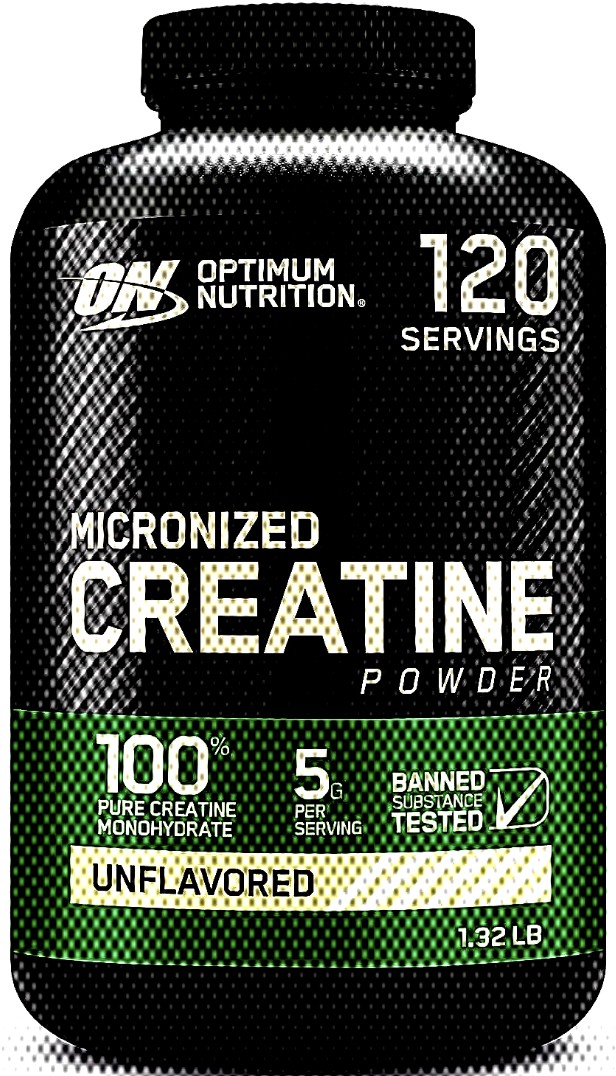
| Optimum Nutrition Micronized | Creatine Monohydrate | Industry standard, superb mixability, trusted brand. | Anyone wanting proven value. |
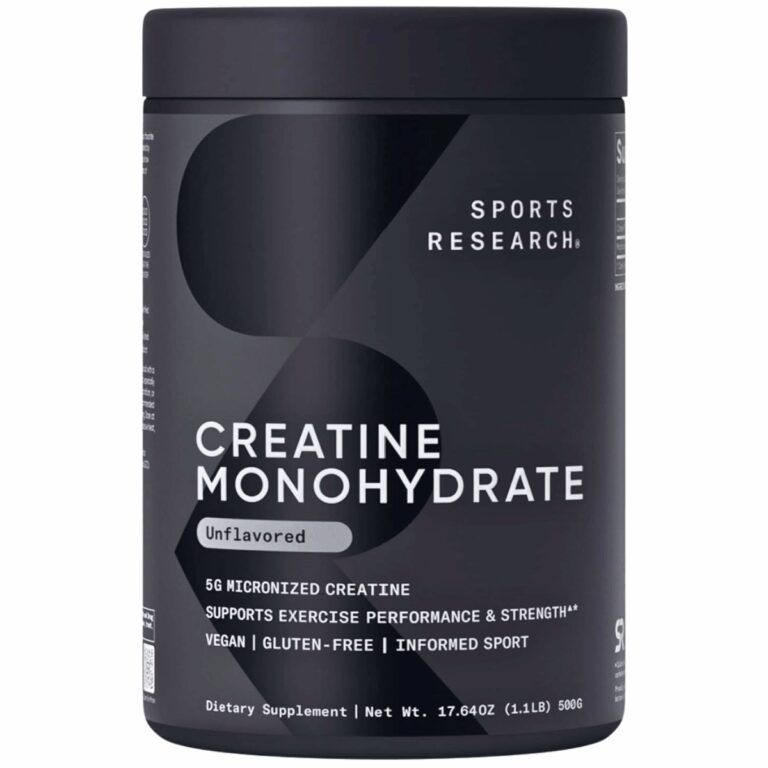
| Sports Research Micronized | Creatine Monohydrate | Non-GMO, sourced from Germany, often competitively priced. | The ingredient-conscious lifter. |
| Thorne Research Creatine | Creatine Monohydrate | Purity-focused, stringent 3rd-party testing (NSF Certified for Sport). | Elite athletes subject to drug testing. |
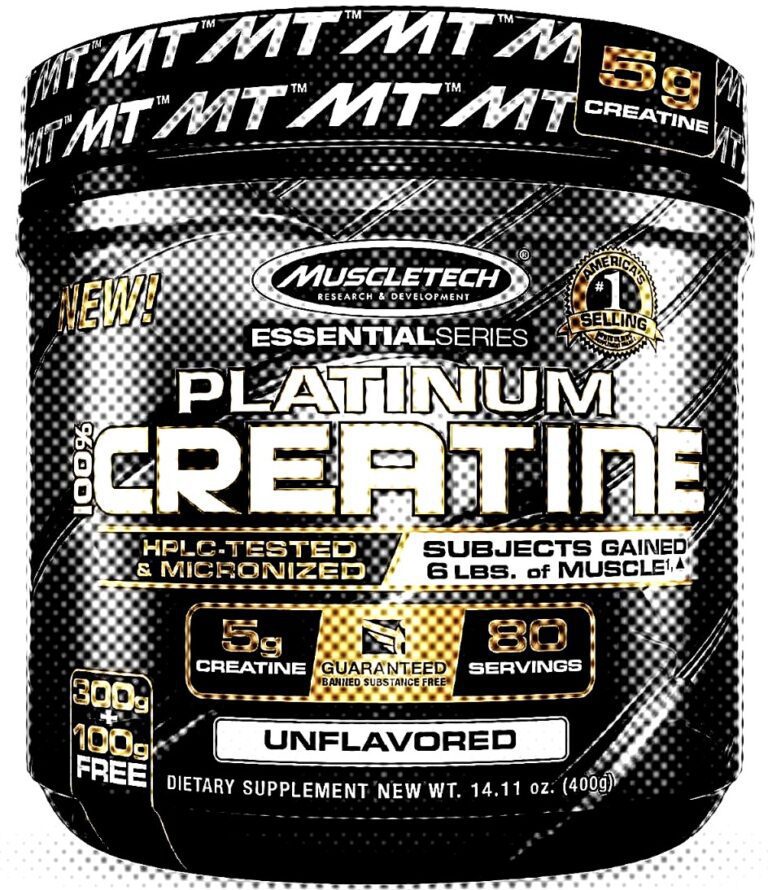
| MuscleTech Platinum | Creatine Monohydrate | Fine powder, often includes a scoop for accurate dosing. | Beginners who want convenience. |
| Kaged Muscle C-HCl | Creatine Hydrochloride | Highly soluble, smaller serving size (750mg), easy on stomach. | Those sensitive to monohydrate bloat. |
“The brand matters less than the form and consistency. Find a pure creatine monohydrate from a reputable supplier, take 5 grams daily with plenty of water, and channel your energy into your training instead of overthinking the label.”
— Charles Damiano, B.S. Clinical Nutrition
Related Performance Nutrition Guides
- Building Strength: Smart Gym vs. Supplements
- Sports Research Creatine Review
- Top 5 Creatine Supplements for Maximum Muscle Gains
The Iron Lexicon: Supplement Science Edition
- Adenosine Triphosphate (ATP)
- The primary energy currency of the cell. Creatine helps rapidly regenerate ATP during high-intensity, short-duration activity.
- Phosphocreatine (PCr) System
- The immediate energy system used for maximal efforts lasting ~10 seconds. Creatine supplementation directly boosts this system.
- Cell Volumization
- The process where creatine pulls water into muscle cells, increasing their volume. This is thought to be one mechanism behind its anabolic (muscle-building) signaling.
- Micronized
- A process that reduces particle size, improving the solubility and mixability of a powder like creatine monohydrate.
- Loading Phase
- An outdated protocol involving high-dose creatine (20g/day) for 5-7 days to “saturate” muscles faster. A standard 3-5g daily dose achieves the same saturation in 3-4 weeks with fewer side effects.
- Creatine Hydrochloride (HCL)
- Creatine bound to a hydrochloride molecule, claimed to have superior solubility and absorption, allowing for smaller doses. May benefit those with GI sensitivity to monohydrate.
- Third-Party Testing
- Independent laboratory verification (e.g., NSF, Informed-Sport) that a supplement contains what the label claims and is free from banned contaminants—crucial for competitive athletes.