
EPA potency, triglyceride-form (rTG) molecular structure, and IFOS 5-star certification separate a shelf-worthy omega-3 from a rancid bottle of burps. This 2026 guide stacks five top-selling fish oil and krill oil supplements side by side, comparing nothing but what’s on the label and inside the softgel. We ran the numbers on potency-per-penny, absorption form, freshness certs, and capsule bulk so you buy the right bottle the first time.
For the full primer on omega-3 supplement categories before you compare bottles, read: Omega-3 Supplement Guide for Athletes.
Label Literacy: What Actually Matters Inside A Softgel
EPA (Eicosapentaenoic Acid) and DHA (Docosahexaenoic Acid) are the only two numbers on the supplement facts panel that drive the price. Total fish oil milligrams per softgel is filler noise. Look past it. The combined EPA+DHA count is the metric that makes one bottle cost roughly $12 and another cost roughly $45.
- Triglyceride Form (rTG) is the re-esterified, molecularly distilled format used by Sports Research and Momentous. It mirrors the natural structure found in wild fish. Ethyl ester form is the cheaper, semi-synthetic alternative that dominates drugstore shelves. rTG commands the premium for a reason: fewer capsules to hit a target gram count.
- IFOS Certification (International Fish Oil Standards) is a third-party lab badge verifying oxidation level, heavy metal absence, and label-claim accuracy. A 5-star IFOS logo on the bottle means the oil inside was tested post-production for peroxide value and PCB content. No logo? You are trusting a manufacturer’s word. For a product that earned this badge, see our Sports Research Omega-3 review.
- Phospholipid-bound delivery, unique to krill oil, attaches EPA and DHA directly to phospholipid structures rather than triglyceride backbones. MegaRed and Bronson both use this format. The label tradeoff is consistent: lower EPA/DHA per softgel, higher per-gram cost, but a different absorption architecture that some users prefer. Read our Fish Oil vs Krill Oil breakdown for the full spec comparison.
- Astaxanthin is a carotenoid antioxidant native to krill that doubles as a natural preservative inside the softgel. Krill oil bottles list it. Fish oil bottles do not. It adds a red tint to the capsule and acts as an oxidation shield, which matters when a bottle sits open for 60 to 90 days.
“The fish vs. krill debate collapses once you read the supplement facts panel. The best omega-3 is the one whose EPA+DHA tally fits your budget and whose capsule count you will actually swallow every day. For most buyers, that is a potent rTG fish oil. If burps are the dealbreaker, switch to krill and accept the lower potency per softgel.”
— Eugene Thong, CSCS
2026 Product Breakdown: Five Omega-3s Stacked By Specs
Sports Research Triple Strength packs 830 mg of combined EPA+DHA per single softgel using rTG triglyceride form and carries the IFOS 5-star certification. One softgel. Nearly a gram of actives. The math on this bottle is the simplest in the category.

Sports Research Triple Strength Omega-3
- EPA+DHA per softgel: 830 mg (from 1,250 mg total fish oil).
- Molecular form: rTG (re-esterified triglyceride).
- Third-party cert: IFOS 5-star. Tested for peroxides, heavy metals, and PCB content.
- Source: Wild-caught Alaskan pollock.
- Capsule type: Bovine gelatin softgel. Not vegan.
- Cost context: Roughly $0.25 to $0.35 per softgel. Among the lowest cost-per-gram of EPA+DHA in the rTG category.
- Stack verdict: The value benchmark. Two softgels hit 1,660 mg EPA+DHA. For a deeper dive on purity testing, read our full Sports Research Omega-3 review.
Momentous Omega-3 pushes 1,100 mg of EPA+DHA per softgel in an ultra-refined rTG form, making it the highest-potency single-capsule option in this lineup. The brand positions itself as the athlete-specific supplier, with NSF Certified for Sport testing on select products and partnerships with professional teams. This bottle is the premium tier.

Momentous Omega-3 Fish Oil
- EPA+DHA per softgel: 1,100 mg (from 1,460 mg total fish oil).
- Molecular form: Ultra-refined rTG.
- Third-party cert: Batch-tested for purity. Not IFOS-certified at time of writing.
- Source: Wild-caught anchovy and sardine.
- Capsule type: Bovine gelatin softgel.
- Cost context: Roughly $0.50 to $0.70 per softgel. Highest cost-per-capsule in this roundup.
- Stack verdict: The biohacker pick. One capsule delivers what most bottles need two to match. See our Momentous Omega-3 triglyceride review for the full testing breakdown.
“Buying cheap fish oil is like buying sushi from a gas station. The price difference between a rancid ethyl ester bottle and an IFOS 5-star rTG softgel is maybe 40 cents a day. That 40 cents buys you oil that was molecularly distilled, third-party tested for peroxides, and sourced from a named fishery. The cheap bottle just says ‘fish oil’ and hopes you don’t read the back.”
— Charles Damiano, B.S. Clinical Nutrition
Carlson Fish Oil Liquid delivers 1,600 mg of EPA+DHA per teaspoon (5 mL) in a triglyceride-form liquid bottled in a 16.9 fl oz (500 mL) dark glass container. No softgels. No gelatin. A measured pour from a bottle that has been a category benchmark for decades.

Carlson Fish Oil, Liquid (16.9 fl oz)
- EPA+DHA per teaspoon: 1,600 mg (from 1,600 mg total fish oil per 5 mL serving).
- Molecular form: Triglyceride (natural, non-esterified).
- Third-party cert: IFOS and IGEN (non-GMO) certified. Freshness and purity batch-tested.
- Source: Wild-caught Norwegian fish (anchovy, sardine, mackerel).
- Bottle format: Dark amber glass. 100 servings per 500 mL bottle.
- Flavor system: Natural lemon flavor added. No artificial sweeteners.
- Cost context: Roughly $0.30 to $0.45 per 1,600 mg EPA+DHA serving. Extremely competitive on a per-milligram basis.
- Stack verdict: The liquid purist’s anchor. One teaspoon outguns most two-softgel servings. Our Carlson Fish Oil review covers the freshness testing in detail.
MegaRed Krill Oil 500 mg uses phospholipid-bound EPA and DHA paired with astaxanthin in a small, easy-to-swallow softgel. The potency-per-capsule is far lower than any fish oil on this list, which is the structural reality of krill oil. You are paying for the delivery mechanism, not the raw EPA+DHA tally.
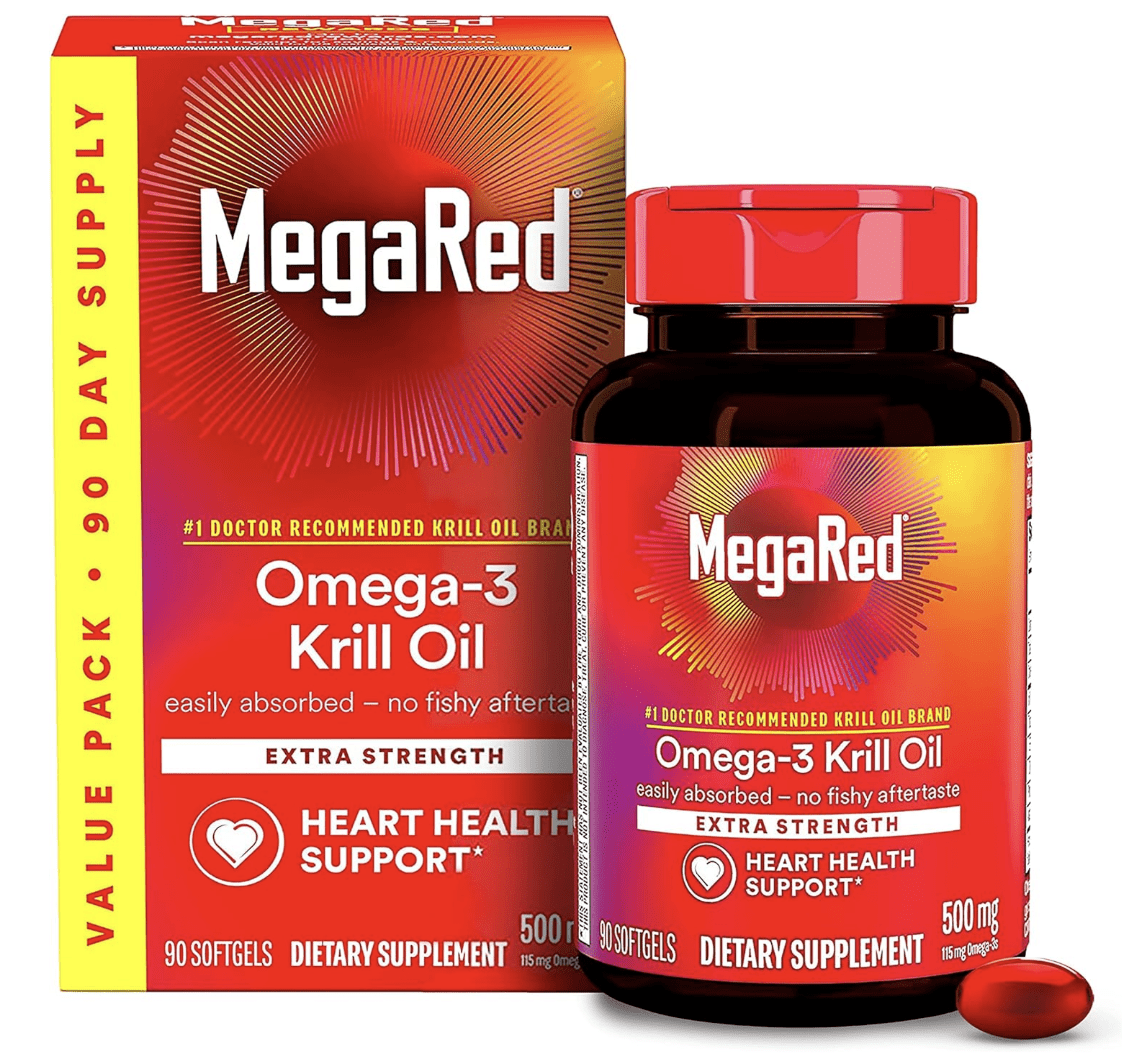
MegaRed Krill Oil 500 mg
- EPA+DHA per softgel: 110 mg (from 500 mg krill oil).
- Molecular form: Phospholipid-bound.
- Added antioxidant: Astaxanthin (amount not standardized on label).
- Source: Antarctic krill (Euphausia superba).
- Capsule type: Bovine gelatin softgel.
- Cost context: Roughly $0.25 to $0.40 per softgel. Very high cost-per-milligram of EPA+DHA relative to fish oil.
- Stack verdict: The burp-free option. If fish oil repeat is the dealbreaker, this is the fix. But you will need multiple capsules to match the EPA+DHA of a single rTG fish oil softgel. Read our MegaRed Krill Oil review for the full label breakdown.
Bronson Antarctic Krill Oil 1000 mg doubles the krill oil load per softgel versus standard phospholipid-bound competitors, yielding 230 mg of EPA+DHA plus astaxanthin. Same delivery architecture as MegaRed. Twice the raw material per capsule.
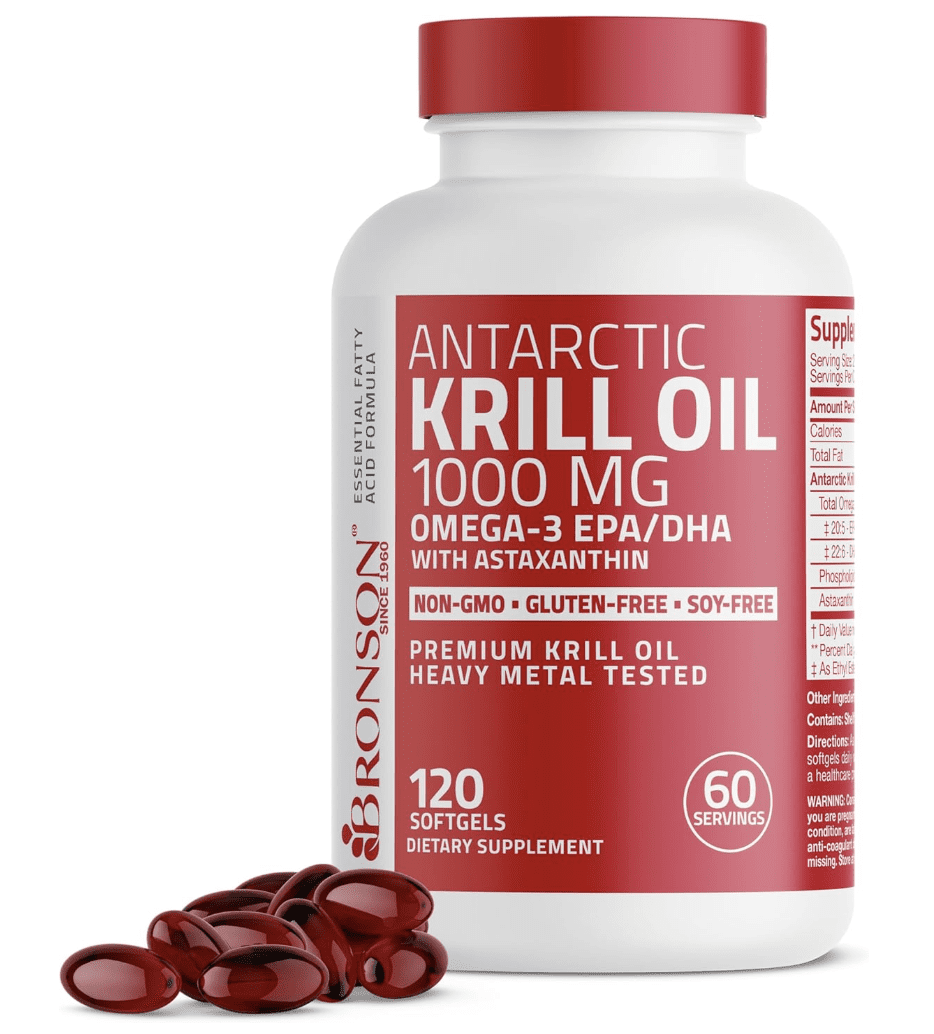
Bronson Antarctic Krill Oil 1000 mg
- EPA+DHA per softgel: 230 mg (from 1,000 mg krill oil).
- Molecular form: Phospholipid-bound.
- Added antioxidant: Astaxanthin (naturally occurring in krill).
- Source: Antarctic krill.
- Capsule type: Bovine gelatin softgel.
- Cost context: Mid-tier. Cheaper per-milligram of EPA+DHA than MegaRed due to the higher potency per softgel.
- Stack verdict: The krill oil efficiency play. More EPA+DHA per capsule than standard krill, without jumping to fish oil. A contender from our best krill oil roundup.
Who Buys Which Bottle: A Product-Preference Matrix
Sports Research Triple Strength fits the buyer who wants the highest IFOS 5-star certified EPA+DHA per dollar without swallowing a handful of capsules. It is the default recommendation. Two softgels per day. One purchase every two months. The math is boring and bulletproof.
Momentous Omega-3 targets the buyer who values single-capsule potency above all else and will pay the premium for ultra-refined rTG with an athlete-brand pedigree. One softgel delivers what competitors need two to match. The cost is the cost. If price-per-milligram is your primary filter, scroll back up to Sports Research.
Carlson Liquid serves the purist who hates swallowing capsules entirely and wants triglyceride-form dosing flexibility from a dark glass bottle with decades of batch-testing history. The teaspoon format is undefeated for dose tinkering. Downside: a bottle of liquid fish oil is not a gym bag item. This is a kitchen-counter staple.
MegaRed Krill Oil and Bronson Antarctic Krill both target the buyer whose primary friction point is fish oil aftertaste and repeat. Phospholipid-bound krill oil has a documented lower incidence of fish burps. You pay for that in potency. Bronson gives you more milligrams per softgel. MegaRed has the bigger brand footprint. Both come from Antarctic waters.
Skip these products entirely if you are vegan. Every bottle on this list uses bovine gelatin capsules and marine-sourced oil. For an algae-based alternative with a different EPA/DHA profile, read our Nordic Naturals Algae Omega review. For general nutrition context on how omega-3 sourcing fits into a broader plan, see: nutrient partitioning guide.
“The ethyl ester vs. triglyceride form gap is like the difference between a rusty bicycle chain and a ceramic-coated drivetrain. Both technically move the pedals. One transfers power efficiently. The other leaves rusty residue. rTG fish oil costs more to manufacture for a reason: molecular distillation and re-esterification are not cheap processes. The cheap bottle skipped those steps.”
— Charles Damiano, B.S. Clinical Nutrition
The Tradeoffs: What You Sacrifice With Each Format
rTG fish oil softgels from Sports Research and Momentous are the cost-efficiency champions with one persistent flaw: gelatin capsules that some throats despise. The softgels are large. Momentous especially. If you struggle with pill size, these two bottles will frustrate you daily. That friction kills adherence.
Carlson Liquid solves the capsule problem but introduces a spoon-and-measure ritual that softgel users never face. You pour. You measure. You refrigerate after opening. The lemon flavor masks the fish oil effectively, but you are still pouring oil into a spoon every single day. Travel is cumbersome. The glass bottle is heavy.
Krill oil softgels from MegaRed and Bronson are smaller, easier to swallow, and carry astaxanthin as a built-in antioxidant shield. The sacrifice is potency. To reach the EPA+DHA of one Sports Research softgel (830 mg), you would need roughly 4 MegaRed capsules or nearly 4 Bronson capsules. The cost multiplies fast. Krill is also a less abundant resource, which factors into long-term price stability.
Ethyl ester fish oil, the form found in most grocery-store bottles, is the format we excluded entirely from this list. It is cheaper to manufacture. It absorbs differently. It oxidizes faster. If a bottle does not specify “triglyceride” or “rTG” on the label, assume ethyl ester. For the full contrast between forms, our Carlson Fish Oil review details why form selection matters at the manufacturing level.
Oxidation risk is the silent variable in every bottle on the shelf — peroxide value and anisidine value are the two lab numbers that tell you if oil has gone rancid before you even twist the cap. IFOS 5-star certification tests for both. Non-certified bottles leave you guessing. A rancid oil smells faintly fishy in a bad way and tastes worse. For recovery tools beyond supplementation, see our guide to muscle recovery tools.
Fish Oil vs Krill Oil: 2026 Spec Comparison
| Feature | Fish Oil (rTG) | Krill Oil |
|---|---|---|
| EPA/DHA per softgel | 830 to 1,100 mg | 110 to 230 mg |
| Molecular delivery | Triglyceride (rTG) | Phospholipid-bound |
| Built-in antioxidant | Typically none | Astaxanthin (krill-native) |
| Cost per 1,000 mg EPA/DHA | Lower (~$0.30 to $0.60) | Higher (~$1.50 to $3.00+) |
| Capsule size | Large (1,200+ mg oil) | Smaller (500 to 1,000 mg oil) |
| Burp/aftertaste risk | Higher | Lower |
| Best fits | High-potency, value-per-milligram buyers | Burp-sensitive buyers, astaxanthin seekers |
For a deeper head-to-head on these two formats, read: Fish Oil vs Krill Oil: The Full Comparison.
Final Verdict: Sports Research for Value, Momentous for Potency, Carlson for Liquid Purists, Krill for Burp-Free
Five bottles. Four formats. One number that matters: EPA+DHA on the supplement facts panel. Pick your format. Read the label. Take it daily.
Related Supplement & Recovery Guides
- Sports Research Omega-3 Review: Full Testing Breakdown
- Carlson Fish Oil Review: Freshness and Purity Benchmarks
- Momentous Omega-3 Triglyceride Review
- MegaRed Krill Oil Review: Phospholipid Form Explained
- Best Krill Oil Roundup: Potency and Value Ranked
- Fish Oil vs Krill Oil: Format Comparison Guide
- Nordic Naturals Algae Omega Review (Vegan Option)
- Best Collagen Supplements for Lifters
- BCAA vs EAA: Recovery Worth It?
- Muscle Recovery Tools: The Complete Guide
- Nutrient Partitioning Guide for Athletes
The Iron Lexicon: Omega-3 Supplement Specs
- EPA (Eicosapentaenoic Acid)
- The long-chain omega-3 fatty acid that dominates the milligram count on high-potency fish oil labels. The primary driver of per-softgel cost. Listed on every supplement facts panel in milligrams.
- DHA (Docosahexaenoic Acid)
- The second long-chain omega-3 measured on every label. Typically paired with EPA in ratios ranging from 2:1 to 1:1 depending on the source fish and refinement process.
- rTG (Re-esterified Triglyceride)
- A manufacturing process where ethyl ester oil is converted back to its natural triglyceride backbone. Adds production cost. Removes ethanol from the molecule. Sports Research and Momentous both use this form.
- Phospholipid-Bound
- The delivery architecture specific to krill oil. EPA and DHA are attached to phospholipid molecules rather than triglycerides. MegaRed and Bronson both use this format. Naturally occurring in Antarctic krill, not synthetically produced.
- Astaxanthin
- A red carotenoid pigment native to krill. Acts as a natural antioxidant preservative inside the softgel. Listed on krill oil supplement facts panels. Absent from fish oil labels.
- IFOS (International Fish Oil Standards)
- A third-party testing program run by Nutrasource. Tests for peroxide value, anisidine value, total oxidation (TOTOX), heavy metals, PCBs, and dioxins. A 5-star rating is the maximum score. Sports Research and Carlson both hold it.
- Ethyl Ester
- The semi-synthetic, lower-cost molecular form found in most mass-market fish oil. Created during molecular distillation when ethanol is used to isolate EPA and DHA. Converted to rTG through an additional re-esterification step that budget brands skip.
- Peroxide Value
- A lab measurement of primary oxidation in fish oil. Higher numbers indicate the oil has begun to degrade. IFOS certification sets strict upper limits. Non-certified bottles do not disclose this number.