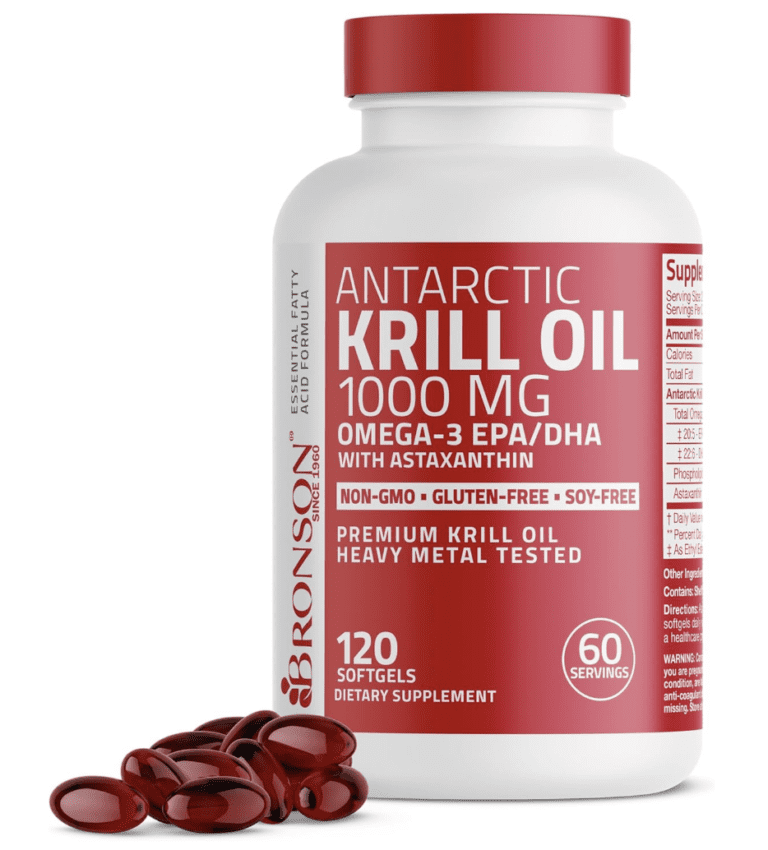
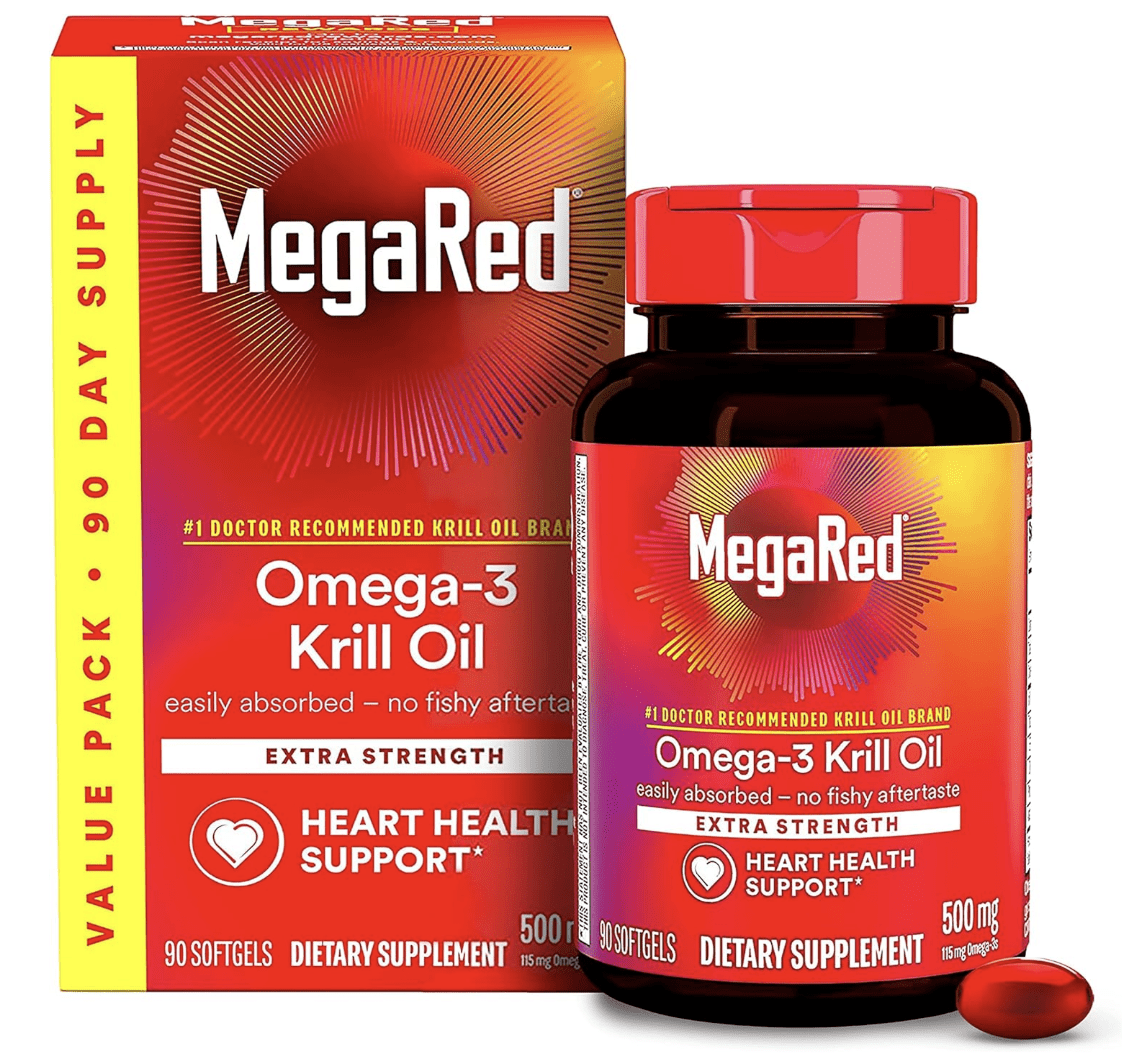
MegaRed Krill Oil packages Antarctic Euphausia superba extract in a phospholipid-form softgel with MSC certification and a Caplique® sealed capsule shell. This is a single-ingredient marine oil. No triglyceride fish oil. No algal alternative. We inspected the label, the sourcing documents, and the capsule technology to map exactly what separates this bottle from the next omega-3 on the shelf.
Health & Safety: Statements have not been evaluated by the FDA. These products are not intended to diagnose, treat, cure, or prevent any disease. Always consult a professional before starting any new supplement regimen. Price Disclaimer: Prices shown are approximate and may vary. Check current pricing and availability on Amazon.
Label Breakdown: Phospholipid Form, MSC Sourcing, Caplique® Shell
MegaRed Krill Oil lists Antarctic krill oil (Euphausia superba) as its sole active ingredient at 350mg per softgel. That is the entire Supplement Facts panel. No added fish oil. No synthetic astaxanthin spike. No proprietary blend. The capsule shell deploys Caplique® sealing technology, a Schiff-owned manufacturing process that encases the oil in a gelatin shell with a multi-layer seal.
- Active Ingredient: Krill oil (Euphausia superba), 350mg per softgel. Single-source marine extract.
- Omega-3 Form: Phospholipid-bound EPA and DHA. Distinct from the triglyceride form found in standard fish oil softgels.
- Co-occurring Compound: Astaxanthin, a carotenoid naturally present in Antarctic krill biomass. Not added as a separate ingredient.
- Capsule Technology: Caplique® multi-layer gelatin softgel. Sealed to reduce volatile compound release during shelf storage.
- Sourcing Certification: Marine Stewardship Council (MSC) certified. Audits harvest practices, bycatch limits, and biomass sustainability in the Southern Ocean.
- Manufacturer: Schiff Nutrition International. Produced in a GMP-compliant facility per 21 CFR Part 111.
- Allergen Profile: Contains krill (crustacean shellfish) and fish. Gelatin capsule (porcine or bovine). Not vegan. Contains soy (lecithin in some variants).
- Bottle Formats: 60-count, 120-count, and 130-count softgel bottles. Serving size is 1 softgel daily.
If you are comparing marine oil sources at the label level, see our fish oil vs. krill oil comparison for a side-by-side ingredient breakdown.
“Buying krill oil instead of standard fish oil is like choosing single-origin olive oil over a blended vegetable oil. Same category. Different raw material. Different lipid form on the label. Different price tier. Neither is wrong. They just occupy different shelves in the supplement aisle.”
— Charles Damiano, B.S. Clinical Nutrition
Selection Matrix: Who Buys Based on This Label?
MegaRed Krill Oil occupies a specific slot: the MSC-certified, single-ingredient, non-fish-oil marine phospholipid shelf. Match your buying criteria to the label attributes.
- The MSC Certification Buyer: You screen supplements for third-party sustainability certifications. The MSC blue fish label is printed on the box. MegaRed provides batch-level traceability to the Antarctic harvest zone.
- The Phospholipid-Form Seeker: You want a marine oil labeled “phospholipid” rather than “triglyceride” or “ethyl ester.” This is a chemical form distinction, not a potency claim. The bottle states it.
- The Single-Softgel Daily User: The serving size is one softgel per day. No multi-capsule protocol. For those who prefer minimal daily capsule count in their omega-3 stack.
- The Non-Fish-Oil Marine Buyer: You specifically want a krill-derived product, not anchovy, sardine, or mackerel oil. Raw material origin matters to your purchase decision.
- The Vegan Protocol User: Not for you. Contains krill (crustacean) and a gelatin softgel. See our algal oil guide for plant-based EPA/DHA alternatives.
- The High-Dose EPA/DHA Buyer: Wrong shelf. Concentrated fish oil softgels deliver more EPA/DHA per capsule. This is a 350mg krill oil softgel, not a compressed-dose omega-3 concentrate.
MegaRed Krill Oil Pros and Cons: Certification vs. Cost
The Advantage (Pros)
- MSC Certification: Third-party audited sustainability standard printed on the label. Batch traceable to Antarctic harvest coordinates.
- Single-Ingredient Panel: No filler oils, no synthetic additives. Krill oil is the only active listed on the Supplement Facts.
- Phospholipid Form: Chemically distinct from triglyceride fish oil on the market. A verifiable label differentiator.
- Caplique® Shell: Schiff’s proprietary multi-layer softgel sealing process. A manufacturing technology specification.
- Naturally Occurring Astaxanthin: Present in the krill biomass. Not an added synthetic carotenoid. Contributes to the deep red softgel color.
The Trade-off (Cons)
- Lower EPA/DHA Per Softgel: Standard krill oil carries fewer omega-3 milligrams per capsule than concentrated fish oil products. Check the Supplement Facts panel to compare mg totals.
- Premium Cost Per Bottle: Krill oil is more expensive to harvest and process than anchovy or sardine oil. The price-per-softgel is higher versus triglyceride fish oil equivalents.
- Not Vegan: Krill is an animal-derived ingredient. The softgel is gelatin. Not compatible with plant-based dietary protocols.
- Crustacean Allergen: Contains shellfish. Label carries a crustacean allergen warning.
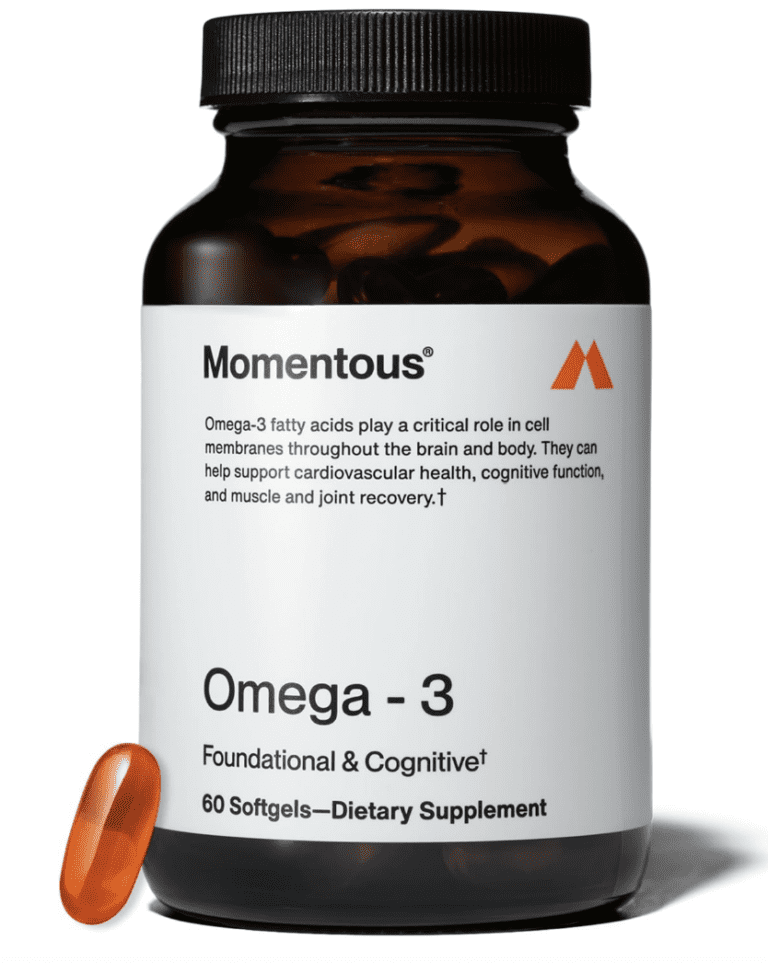
- No IFOS or NSF Certification: MSC covers sustainability, not finished-product purity testing. Competitors like Momentous Omega-3 carry NSF Certified for Sport labeling.
Market Contrast: MegaRed Krill vs. Fish Oil vs. Algal Oil
Three marine omega-3 categories sit on the shelf. Each has different raw materials, different lipid forms, and different certifications. The table below compares label-verifiable attributes only.
| Attribute | MegaRed Krill Oil | Standard Fish Oil (e.g. Carlson) | Algal Oil (Vegan) |
|---|---|---|---|
| Raw Material | Antarctic krill (Euphausia superba) | Anchovy, sardine, mackerel | Schizochytrium algae |
| Omega-3 Lipid Form | Phospholipid | Triglyceride | Triglyceride |
| Co-occurring Compound | Astaxanthin (naturally occurring) | Vitamin E (added as preservative) | None |
| Key Certification | MSC (sustainability) | IFOS (purity, some brands) | Vegan Society (some brands) |
| Serving Size | 1 softgel (350mg krill oil) | 1-2 softgels (varies by concentration) | 1-2 softgels (varies) |
| Vegan Compatible | No (krill + gelatin) | No (fish + gelatin, unless enteric) | Yes |
| Cost Per Bottle (Approx.) | $$$ (premium tier) | $ (economy tier) | $$ (mid-to-premium tier) |
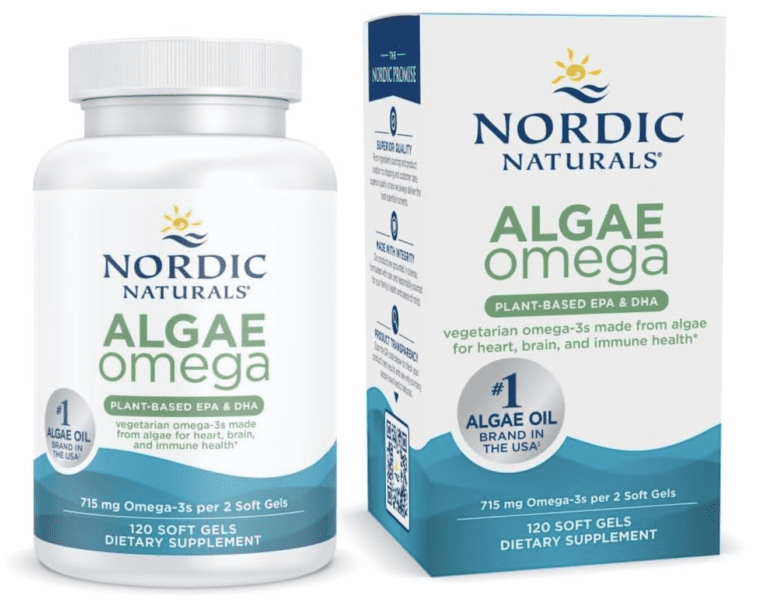
For a deeper side-by-side on fish oil extraction methods and triglyceride-form purity, read our Carlson fish oil review. If third-party athletic certifications are your priority, see how Sports Research Omega-3 positions against this field.
MegaRed Krill Oil FAQ: Label, Sourcing, and Manufacturing
- What does “phospholipid form” mean on the label?
- It describes the chemical structure of the omega-3 fatty acids in krill oil. EPA and DHA are bound to phospholipid molecules rather than triglycerides. This is a lipid chemistry classification, not a performance claim. Standard fish oil lists “triglyceride” or “ethyl ester” on its panel. Different molecular form. Different raw material.
- Is MSC certification a purity test?
- No. MSC (Marine Stewardship Council) audits fishing practices, bycatch management, and krill biomass sustainability in the Southern Ocean. It does not test for heavy metals, oxidation values, or PCB levels in the finished bottle. For purity testing, look for IFOS or NSF certifications on the label.
- What is Caplique® technology?
- A Schiff-owned manufacturing process that applies a multi-layer seal to the gelatin softgel. The seal is designed to reduce volatile compound release from the krill oil fill during shelf storage. It is a packaging and encapsulation specification.
- Does MegaRed contain fish, or just krill?
- The label lists krill (crustacean shellfish) and fish as ingredients. Some variants include fish oil in the blend. Read the specific Supplement Facts panel on your bottle. All variants carry a shellfish allergen warning.
- How does the EPA/DHA content compare to fish oil?
- Krill oil softgels typically list lower total EPA/DHA milligrams per capsule compared to concentrated fish oil products. This is a function of raw material composition, not manufacturing quality. Compare the Supplement Facts panels directly to see the per-serving omega-3 totals.
- Is MegaRed tested for contaminants?
- Schiff states that MegaRed products are manufactured in GMP-compliant facilities per 21 CFR Part 111. The brand removes salts and other impurities during extraction per its published processing documentation. No independent third-party purity certification (IFOS, NSF, USP) appears on the standard 350mg label.
MegaRed Krill Oil Verdict: The MSC-Certified Phospholipid Option
MegaRed Krill Oil earns its shelf position through MSC-certified Antarctic sourcing, a single-ingredient Supplement Facts panel, and the Caplique® capsule manufacturing process. It is a phospholipid-form marine oil from a brand with GMP manufacturing. It carries a sustainability certification that few fish oil competitors print on their label. The trade-offs are clear: lower EPA/DHA per softgel versus concentrated fish oil products, a premium price-per-bottle, and no finished-product purity certification beyond GMP compliance. It is not vegan. It is not the cheapest omega-3 per milligram. It occupies a specific, well-defined slot: the MSC-certified, krill-sourced, single-ingredient phospholipid softgel. If those label attributes match your buying criteria, this bottle fits.
Verdict: The MSC-Certified Krill Softgel
You have the label data. Single-ingredient krill oil. Phospholipid form. MSC certified. If those three attributes define what you are looking for, MegaRed delivers.
The Marine Oil Lexicon: Krill, Certifications & Capsule Tech
- Euphausia superba
- The taxonomic name for Antarctic krill, the crustacean species harvested for MegaRed krill oil. Sourced exclusively from the Southern Ocean (FAO Zone 48).
- Phospholipid-Bound Omega-3
- A lipid chemistry classification in which EPA and DHA fatty acids are attached to phospholipid molecules rather than triglycerides. Listed on Supplement Facts panels as a structural descriptor of the oil form.
- MSC (Marine Stewardship Council)
- A third-party fisheries certification standard. Audits harvest quotas, bycatch limits, ecosystem impact, and chain-of-custody traceability from catch to finished product. The MSC blue label appears on certified products.
- Caplique®
- A Schiff-owned softgel sealing process. Applies a multi-layer encapsulation barrier to the gelatin shell. A manufacturing specification, not an ingredient.
- Astaxanthin (Naturally Occurring)
- A carotenoid compound present in Antarctic krill biomass. Appears in the final oil as a co-extracted compound, not a separately added ingredient. Provides the characteristic deep red color of krill oil softgels.
- GMP (Good Manufacturing Practice)
- A federal manufacturing standard under 21 CFR Part 111. Mandates facility protocols for identity, purity, strength, and composition testing of dietary supplement batches. MegaRed is produced in a GMP-compliant facility per Schiff’s published documentation.
Related Omega-3 & Supplement Comparisons
- Fish Oil vs. Krill Oil: Raw Material, Form & Label Comparison
- Carlson Fish Oil Review: The IFOS-Certified Triglyceride Standard
- Momentous Omega-3: NSF-Certified Triglyceride Fish Oil
- Sports Research Omega-3: Third-Party Tested Fish Oil
- Algal Oil Guide: Vegan EPA/DHA from Schizochytrium Algae
- Best Omega-3 Supplements: Label-by-Label Comparison
- Best Krill Oil: Potency & Certification Rated