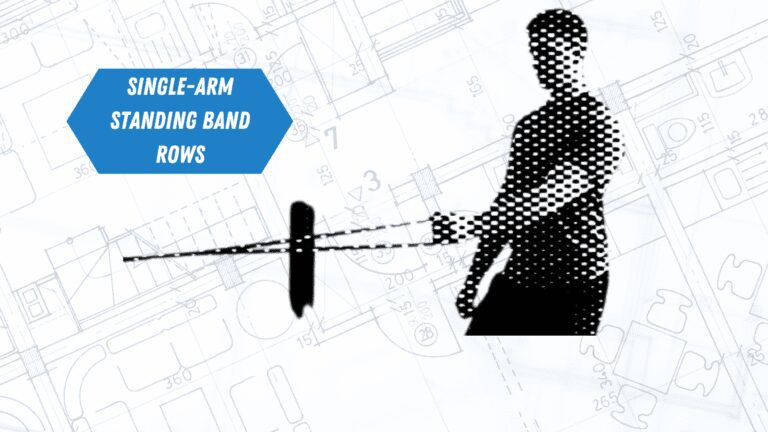
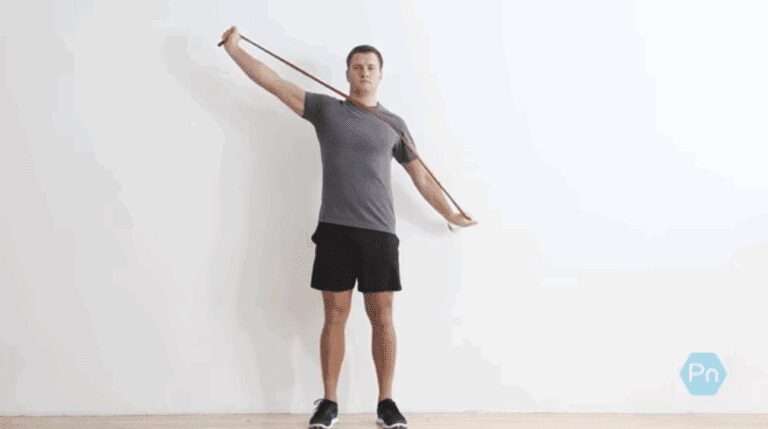
X-Band Box Walks are the definitive corrective exercise for isolating the gluteus medius and reinforcing lateral hip stability. Weak abductors are the primary cause of knee valgus and chronic lower back instability. This variation utilizes a crossed-band tension profile to maximize torque at the hip joint. By forcing the pelvis to remain level under lateral load, you build a “side-butt” capable of supporting heavy loads. If you want a lower body that doesn’t buckle under pressure, stop neglecting the frontal plane. Master the X-band, or stay structurally compromised.
What Is the X-Band Box Walk? (Lateral Integration)
The X-Band Box Walk is a superior muscle activation drill. Unlike standard mini-band walks around the ankles, the “X” configuration creates a longer lever arm, pulling the hips into internal rotation. Your job is to fight that pull.
The Goal: Force gluteal engagement and external rotation torque throughout the entire gait cycle.
The Synergy: This drill serves as the perfect primer for technical lifts like the dumbbell cross-over step-up or the single leg squat to box.
The Aesthetic: Golden Era icons like Franco Columbu possessed immense hip power; this is the modern technical equivalent to that raw strength.
Video: Proper X-Band alignment. Notice the “X” shape created by the band and the slight athletic hinge at the hips.
How to Perform the X-Band Walk (The Technical Protocol)
Setup: Step on a long resistance band with both feet hip-width apart. Cross the band in front of your shins to form an “X” and hold the handles at your hips.
The Execution:
- The Hinge: Dip into a quarter-squat position. Ensure your weight is in the mid-foot.
- The Step: Take a small, controlled step to the side. Do not lead with the foot; lead with the knee to engage the abductors.
- The Trail: Bring the trailing leg back to the starting hip-width position under control. Never let the band snap your leg back.
- The Posture: Keep your thoracic spine tall. If you feel your chest collapsing, use standing thoracic extension cues to reset.
If you lose your balance, you likely have poor foot tripod stability; use reach rock lift drills to ground your base.
The Lateral Anchor™ Framework
🔬 The Lateral Anchor™
Modern lifters are sagittal-plane dominant. We move forward and back, but we crumble side-to-side. By reinforcing the frontal plane, you improve your ability to handle the big 5 compound lifts without leaking power.
To maximize neuromuscular focus during these slow, isometric-dominant walks, consider using nootropics for enhanced mind-muscle connection. For recovery, ensure your electrolyte status is peaked with Nuun Sport to prevent lateral cramping.
Common Mistakes and Fixes
| Mistake | Why It’s Wrong | The Fix |
|---|---|---|
| Pelvic Shifting | The “waddle” takes tension off the glute medius. | Keep your hips level. Imagine your pelvis is a bowl of water—don’t spill it. |
| Toe Flare | Turning the toes out engages the hip flexors over the glutes. | Keep your feet perfectly parallel. If you can’t, regress to pull-back butt kicks to loosen the quads. |
Programming for Hip Dominance
- Warm-Up: 2 sets of 15 steps per side. This is essential before any back and biceps workout that includes deadlift variations.
- The Corrective Finisher: 3 sets of 20 yards. Pair this with hanging anti-lateral flexion to build a core that resists rotation.
- Supplementation: Support high-intensity tissue repair with amino acids and manage the DOMS with a vibrating foam roller.
Final Verdict: The Structural Necessity
X-Band Box Walks are the key to a bulletproof lower body. They bridge the gap between rehab and performance. Whether you’re following a training guide for tall lifters or a calisthenics challenge, lateral stability is the anchor of your strength.
Build Your Foundation.
Don’t let weak hips sabotage your big lifts. Activate the glutes and own the frontal plane today.