Single-Leg Squats to a Box are an elite unilateral strength movement designed to eliminate leg imbalances, skyrocket glute recruitment, and build bulletproof knee stability. Bilateral squats allow a dominant leg to hijack the lift. This variation leaves no room for shadows. By removing the safety net of the second leg, you force the central nervous system to master deceleration and pelvic alignment. If you want a lower body that is as functional as it is aesthetic, stop hiding behind the barbell.
What Is the Single-Leg Squat to Box? (The Unilateral Advantage)
The Single-Leg Squat to Box is the gateway to the Pistol Squat. It is a high-yield compound movement that targets the quads, glutes, and hamstrings while requiring extreme core stabilization. Unlike a standard squat, it eliminates the “spinal loading” issue, making it a favorite for those with back sensitivities who still want to drive muscle growth.
The box serves as both a target and a safety mechanism. It allows you to sit back into your hips correctly, preventing the knee-dominant shearing that often ruins unassisted single-leg attempts. This is about controlled descent—not just falling onto the bench.
Video: Proper Single-Leg Squat to Box form. Focus on the slow, eccentric tempo and vertical shin position.
How to Perform the Single-Leg Squat to Box (The Technical Protocol)
Setup: Stand in front of a box or bench that puts your hip crease just above your knee when sitting. Elevate one foot off the ground.
The Execution:
- The Reach: Extend your arms forward to act as a counterweight. Brace your abs like someone is about to punch you.
- The Descent: Hinge at the hips and lower yourself under total control. Avoid the “thud.” Lightly graze the box—do not fully sit and lose tension.
- The Drive: Keeping your foot flat and weight in the mid-foot/heel, press back to the start. Do not use your non-working leg for assistance.
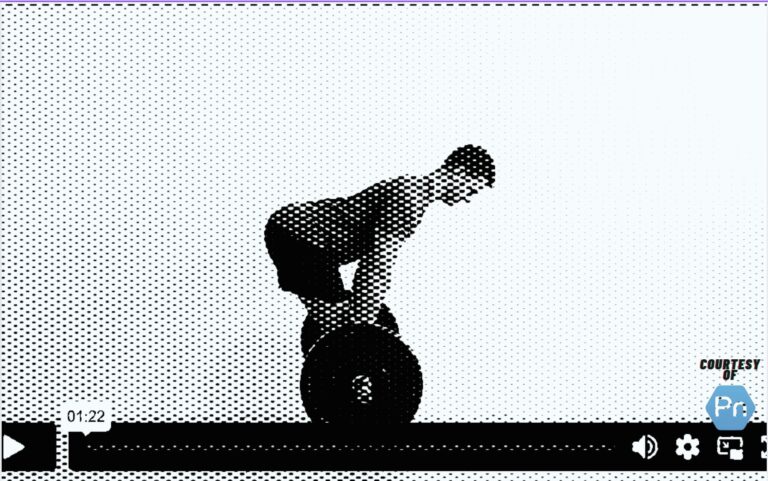
If you find your balance is the limiting factor, consider practicing single-leg deadlifts to build posterior chain stability.
The Zero-Compensations™ Framework
🔬 The Zero-Compensations™ Framework
Unilateral movements expose the lies your bilateral lifts tell you. When you perform a single-leg squat, you are forced to address lateral hip shift and internal knee rotation. This builds “real-world” strength that translates to sprinting and jumping.
To maximize the neurological drive, consider utilizing best nootropics for men for focus. For recovery, support your repair cycles with high-quality protein intake.
Common Mistakes and Fixes
| Mistake | Why It’s Wrong | The Fix |
|---|---|---|
| Rocking for Momentum | Turns a strength move into a momentum move. | Keep your torso vertical. Pause for 1 second on the box without shifting weight. |
| Heel Lifting | Destroys balance and shifts stress to the knee cap. | Improve your ankle mobility or use a slightly higher box. |
Programming for Unilateral Dominance
- For Strength: 3-5 sets of 5-8 reps per side. Focus on a 4-second eccentric (lowering) phase.
- For Mass: 3 sets of 12-15 reps. Keep rest periods under 60 seconds to drive metabolic stress.
- As a Warm-up: 2 sets of 10 bodyweight reps before moving to heavy barbell squats.
Single-Leg Squat to Box: Your FAQ
A: Start at a height that allows you to maintain a flat foot and neutral spine. As you improve, lower the box height.
A: Holding a light dumbbell (5-10 lbs) out in front acts as a counterweight and can actually make the balance easier.
Final Verdict: The Structural Anchor
The Single-Leg Squat to Box is the foundation of lower-body longevity. It builds a level of control and joint awareness that a squat rack cannot provide. Master the single leg, master the body.
Stop Guessing. Start Building.
True strength is the ability to control your own mass in space. Master it today.