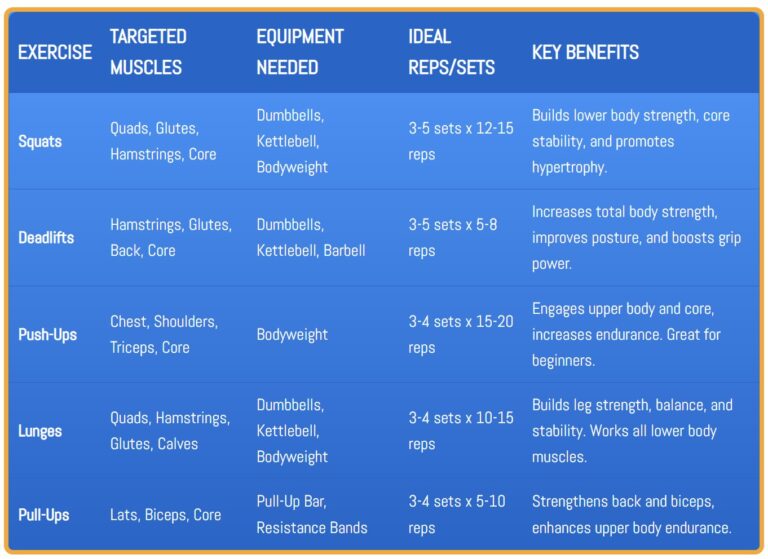
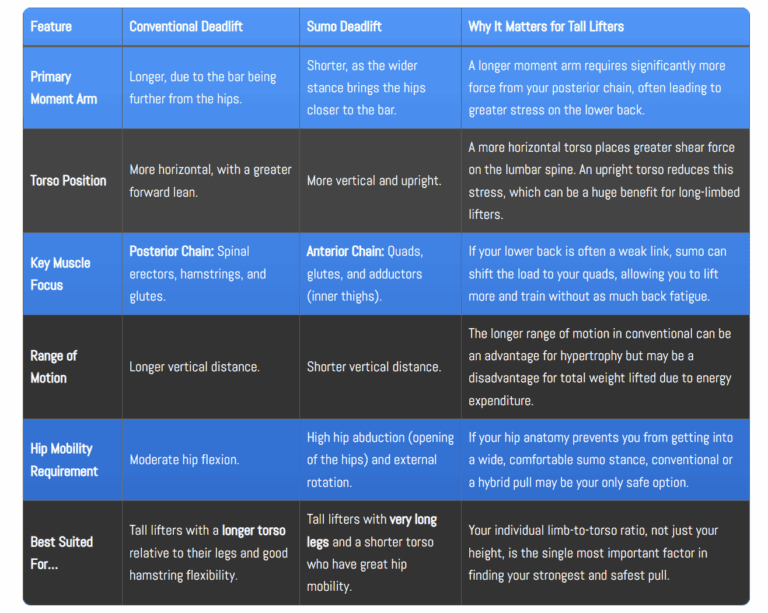
The main compound lifts are the foundation of any serious strength program. Squat, deadlift, bench press, overhead press, and barbell rows recruit multiple muscle groups, drive hormonal response, and build functional mass that isolation exercises can’t touch. This 2026 guide breaks down proper form, programming, and how to support your training with the right supplements to maximize results and recovery.
The Fine Print (Affiliate, Medical & FDA): You’re here to build strength and get results, and I’m here to help. As an Amazon Associate, I earn from qualifying purchases at no extra cost to you. Medical Disclaimer: This guide is for educational purposes and supports healthy training practices, but it is not medical advice. The statements regarding supplements have not been evaluated by the Food and Drug Administration. These products are not intended to diagnose, treat, cure, or prevent any disease. Always consult a qualified professional before starting any new training or supplement regimen.
The Barbell Back Squat: King of Leg Development
The barbell back squat is the most effective exercise for building total lower body strength and mass. It targets the quads, hamstrings, glutes, and core under a heavy load. Proper depth and bracing are non-negotiable.
- Primary muscles: Quadriceps, glutes, adductors, erector spinae
- Key form cues: Brace your core, break at hips and knees simultaneously, keep chest up, descend to parallel or below, drive through your heels.
- Programming: 3-5 sets of 5 reps for strength; 3-4 sets of 8-12 for hypertrophy.
If you’re new to squatting, check our complete squat guide and barbell back squat technique breakdown.
“The squat is like a bank vault: you need the right combination (form) to open it, and once you do, the gains are locked in. Miss a cue and the door slams shut on your knees.”
— Eugene Thong, CSCS
The Conventional Deadlift: Total Body Power
The conventional deadlift recruits more muscle mass than any other lift, building raw pulling strength and posterior chain density. It works the glutes, hamstrings, back, traps, and grip simultaneously.
- Primary muscles: Glutes, hamstrings, erector spinae, traps, forearms
- Key form cues: Set your back flat, pull the slack out of the bar, drive through your heels, keep the bar close to your body, lock out with glutes.
- Programming: 1-3 sets of 5 for strength; avoid going to failure regularly.
Master the technique with our barbell deadlift guide and Romanian deadlift variations.
“Deadlifting is like trying to close a car door with your entire body while someone’s pushing back from the other side. Every muscle has to fire in sequence or the door stays open.”
— Eugene Thong, CSCS
The Barbell Bench Press: Upper Body Strength Foundation
The barbell bench press is the cornerstone of upper body pressing strength, targeting the chest, shoulders, and triceps. It allows for progressive overload better than dumbbells and builds raw pushing power.
- Primary muscles: Pectoralis major, anterior deltoid, triceps
- Key form cues: Retract your scapulae, keep your feet planted, lower the bar to your sternum, drive through your heels and upper back.
- Programming: 3-5 sets of 5 for strength; 3-4 sets of 8-12 for hypertrophy.
Perfect your press with bench press technique and muscles worked guide.
“Bench pressing without leg drive is like trying to jump-start a car with your hands tied behind your back. The power comes from the ground up.”
— Eugene Thong, CSCS
The Standing Overhead Press: Raw Shoulder and Core Strength
The standing overhead press builds functional shoulder strength and forces your core to stabilize a heavy weight overhead. It’s the ultimate test of upper body pressing in a real-world movement pattern.
Think of overhead pressing like balancing a broomstick on your palm while a strong wind blows. Your core and glutes act as the guy wires keeping the tower upright. Without a braced core, the power leaks out before it reaches the bar.
- Primary muscles: Deltoids, triceps, upper chest, core stabilizers
- Key form cues: Brace your core, squeeze your glutes, press the bar in a straight line, keep your head neutral, lock out overhead.
- Programming: 3-5 sets of 5; it’s harder to progress than bench, so smaller jumps matter.
Nail the form with our standing barbell overhead press guide and seated dumbbell press variations.
The Barbell Row: Build a Thick, Powerful Back
The barbell row builds back thickness by loading the lats, traps, and rhomboids in a horizontal pulling pattern. It balances the pushing work and creates a strong, aesthetic physique.
Pulling a heavy barbell row is like trying to yank open a stubborn drawer while keeping your spine as rigid as a steel beam. The moment your lower back rounds to generate momentum, you lose the primary benefit of the lift and open yourself up to injury.
- Primary muscles: Latissimus dorsi, trapezius, rhomboids, rear delts, biceps
- Key form cues: Hinge at hips, keep your back flat, pull the bar to your lower chest, squeeze your shoulder blades at the top, control the negative.
- Programming: 3-5 sets of 5-8 reps; focus on strict form before adding weight.
Master the row with our bent over dumbbell row guide and chest supported row variations.
Supplements to Support Your Compound Lifts
Training heavy compounds demands nutritional support to fuel performance, aid recovery, and protect joints. Here’s how to stack smartly.
Protein: The Building Block
Protein provides the amino acids necessary for muscle repair and growth after heavy lifting. Aim for 1.6-2.2g per kg of body weight daily.
- Optimum Nutrition Gold Standard Whey — Fast-absorbing, well-tolerated, mixes easily.
- Transparent Labs Grass Fed Whey — Clean label, hormone-free, third-party tested.
- Legion Whey+ — No artificial ingredients, naturally sweetened.
For more options, see our best protein for muscle growth guide.
Creatine: Strength and Power
Creatine monohydrate is the most researched supplement for increasing strength and power in compound lifts. It helps regenerate ATP for those last few reps.
- Sports Research Creatine Monohydrate Powder — High purity, micronized, dissolves easily.
- Best creatine for men — Full comparison guide.
Learn about creatine timing and loading protocols.
Pre-Workout: Focus and Energy
A well-dosed pre-workout can improve focus and delay fatigue during heavy sets. Choose one with effective ingredients, not just caffeine.
- REDCON1 Total War — High stim, good pumps, solid formula.
- Transparent Labs Bulk — Fully disclosed doses, no proprietary blends.
- Cellucor C4 Original — Classic choice, moderate stim, great taste.
Compare options in our pre-workout reviews.
Fish Oil: Joint Support
Omega-3 fatty acids from fish oil support joint health and manage inflammation already within a normal range. Heavy compounds stress joints; fish oil helps maintain comfort.
- Nordic Naturals Ultimate Omega — High potency, great purity.
- Nature Made Fish Oil Softgels — Affordable, USP verified.
- OmegaVia Omega-3 — Concentrated, enteric-coated, no aftertaste.
Read our best omega-3 for joints guide.
Electrolytes: Hydration and Performance
Electrolytes maintain fluid balance and muscle function during intense training. Sweating during heavy compounds depletes them.
- Transparent Labs Hydrate — Clean formula, no sugar, effective electrolyte ratios.
- NUUN Sport and Pedialyte AdvancedCare+ for alternative options.
Beta-Alanine and BCAAs
Beta-alanine buffers acid in muscles, helping you push through high-rep compound sets. Beta-alanine is often stacked with creatine. BCAAs can support recovery, especially if you train fasted (BCAA supplements).
The Supplement Lexicon: Compound Lifts Edition
- Compound Lift
- A multi-joint exercise that engages multiple muscle groups and joints simultaneously, such as squat, deadlift, bench press, overhead press, and rows.
- Progressive Overload
- Gradually increasing the weight, reps, or volume over time to force the body to adapt and grow stronger.
- Intra-Workout Nutrition
- Nutrients consumed during training to sustain performance, often including BCAAs, electrolytes, or fast-digesting carbs.
- Post-Workout Window
- The period after training when muscle protein synthesis is elevated, making it an optimal time for protein and carbohydrate intake.
- Joint Health
- The maintenance of cartilage, ligaments, and tendons through proper loading, recovery, and nutritional support like omega-3s.
Related Strength and Supplement Guides
- Best Workout Routines for Men (2026)
- Best Creatine for Men: Powder vs. Capsules
- Best Protein for Muscle Growth: Whey, Casein, Plant
- Best Omega-3 Supplements for Joint Health
- How to Deadlift: Complete Technique Guide
- Bench Press Form: Tips for More Weight
- Goblet Squat: The Best Squat Variation for Beginners
- Home Workout Routines Without Equipment
- Best Smart Home Gyms for Small Spaces
Final Verdict: Stick to the Basics and Build Real Strength
The main compound lifts are not flashy, but they deliver results that isolation exercises never will. Master the squat, deadlift, bench, overhead press, and row. Progress them consistently. Support your training with quality nutrition and smart supplementation.
Don’t overcomplicate it. Lift heavy. Eat enough protein. Take creatine daily. Get your omega-3s. Stay hydrated. Recover. Repeat.
The bottom line: If you want to look like you lift and actually be strong, these five movements are your foundation. Build on them.