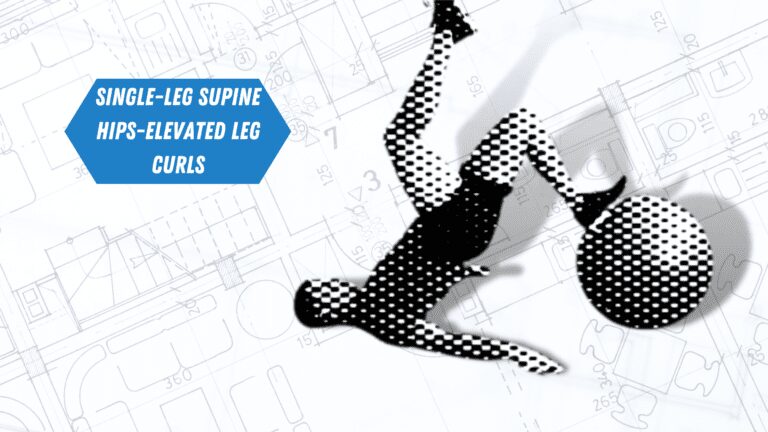
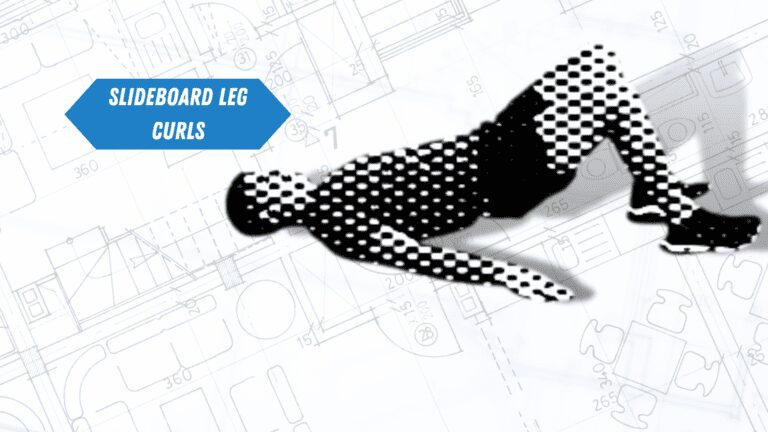
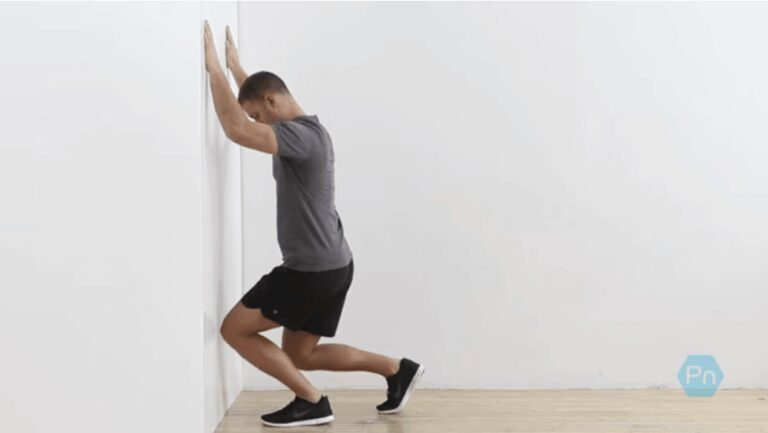
Single-Leg Bridges are a unilateral posterior chain exercise designed to isolate the gluteus maximus and stabilize the sacroiliac joint. For the 25-55 male demographic, sitting is the primary cause of “glute amnesia,” leading to a chassis that leaks power and causes back pain. We use this drill as a mechanical audit to fix your pelvis and reclaim the lean strength and Golden Era aesthetic you’re after.
⚠️ Technical Compliance
Disclaimer: Content provided by The Body Blueprint is for informational and educational purposes only. Consult with a qualified healthcare or industry professional before implementing new physical protocols, nutritional interventions, or technical strategies.
Affiliate Disclosure: As an Amazon Associate I earn from qualifying purchases.
Glute Isolation: Finding the Power Leaks
Unilateral hip extension exercises eliminate the ability of the dominant limb to compensate for a weak side. When you lift with both legs, your strong side hides your “lazy” side. Going single-leg exposes the truth about your posterior chain and prevents your lower back from taking over the work.
| Target Metric | Mechanical Benefit |
|---|---|
| Glute Isolation | Fixes the “glute amnesia” from desk work. |
| Hip Integrity | Supports explosive movements. |
| Core Sync | Links hips to ribs-down stability. |
Execution Protocol: The Technical Checklist
Proper bridge execution requires maintaining a neutral lumbar spine through co-contraction of the abdominals and the glutes. To build a bulletproof core, drive the floor away with these cues:
- ✅ Lock the Core: Flatten your back against the floor via a full exhale.
- ✅ Kill the Arch: Hug your non-working knee to your chest to lock your spine.
- ✅ Heel Drive: Push through the center of your foot, not your toes.
- ✅ Static Hold: Pause for 2 seconds at the top to fix “torque leaks.”
If your hamstrings cramp, your glutes are stalling out. Use a massage roller ball on your hip flexors first to clear the line. Support this tension with creatine and HBCD carb timing to keep the high-torque engine fueled.
Pelvic Stability: Controlling the Chassis
Pelvic stability is defined as the ability to maintain a level pelvic position against asymmetrical loading or gravitational pull. If your hips “dip” when you lift, you will fail advanced moves like single-leg squats to box. Supplement with NAD+ to keep the nervous system sharp enough to catch these micro-dips.
“Executing a squat with weak glutes is like racing a truck with a snapped leaf spring. You’re going to smell rubber before you hit top speed.” — Eugene Thong, CSCS
Lexicon of Training: Terms to Master
Glute Amnesia: When your brain stops using your butt muscles correctly due to sitting.
Posterior Chain: The “rear-wheel drive” system of your body (glutes, hamstrings, back).
Neural Drive: The strength and speed of the brain-to-muscle electrical signal.
HBCD: Highly Branched Cyclic Dextrin, the high-octane fuel for muscle recovery.
Fix Your Foundation.
Stop letting weak glutes sabotage your progress. Master the bridge and reclaim your integrity.