
Three adaptogens, three different compound classes, three different standardization scales. Korean Red Ginseng is standardized to ginsenosides. Ashwagandha is standardized to withanolides. Rhodiola is standardized to Rosavins and Salidrosides. Same category name on the shelf, three completely different label chemistries underneath it. We broke down what each standardization actually declares and how the three labels compare on dose and format.

Quick Spec Overview: Three Standardization Scales
“Adaptogen” is the umbrella marketing term. The compound class each product is standardized to is the actual differentiator.
- Korean Red Ginseng: Standardized to ginsenosides, commonly a minimum 5% on higher-transparency listings.
- Ashwagandha: Standardized to withanolides, with different extract brands (KSM-66, Shoden) declaring different percentages.
- Rhodiola: Standardized to Rosavins and Salidrosides, most commonly at the 3%/1% clinically referenced ratio.
Korean Red Ginseng: The Ginsenoside Standard

- Declared Ingredient: Panax ginseng root extract.
- Standardization: Minimum 5% ginsenosides (verify current SKU).
- Format: Vegan capsule, 120-count listings common.
Ashwagandha: The Withanolide Standard
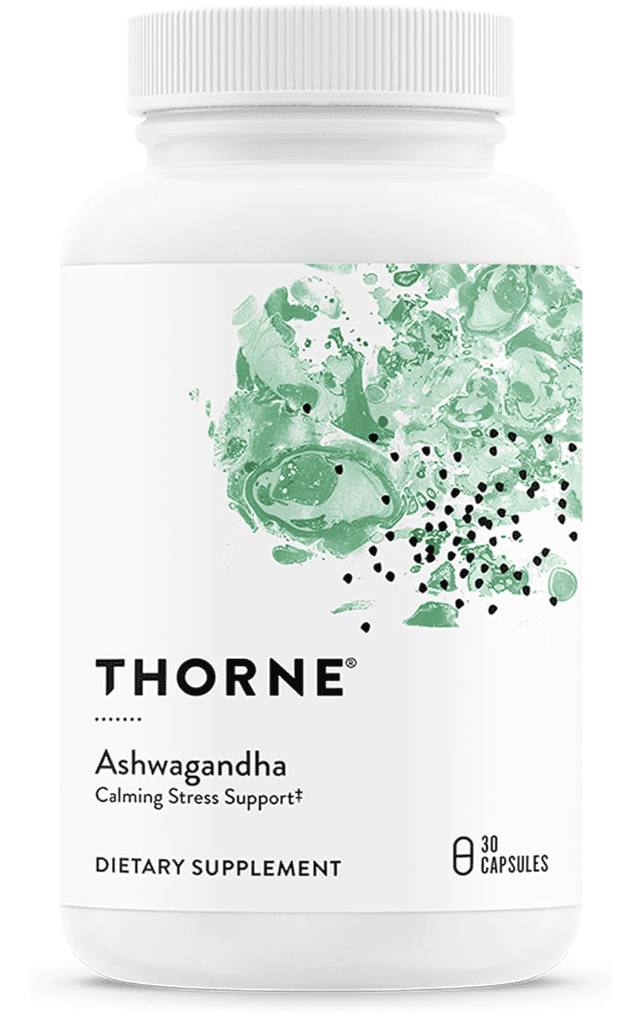
- Declared Ingredient: Shoden ashwagandha extract (leaf and root).
- Standardization: 35% withanolide glycosides.
- Format: 120mg per capsule, 30 capsules per bottle.
Rhodiola: The Rosavin/Salidroside Standard
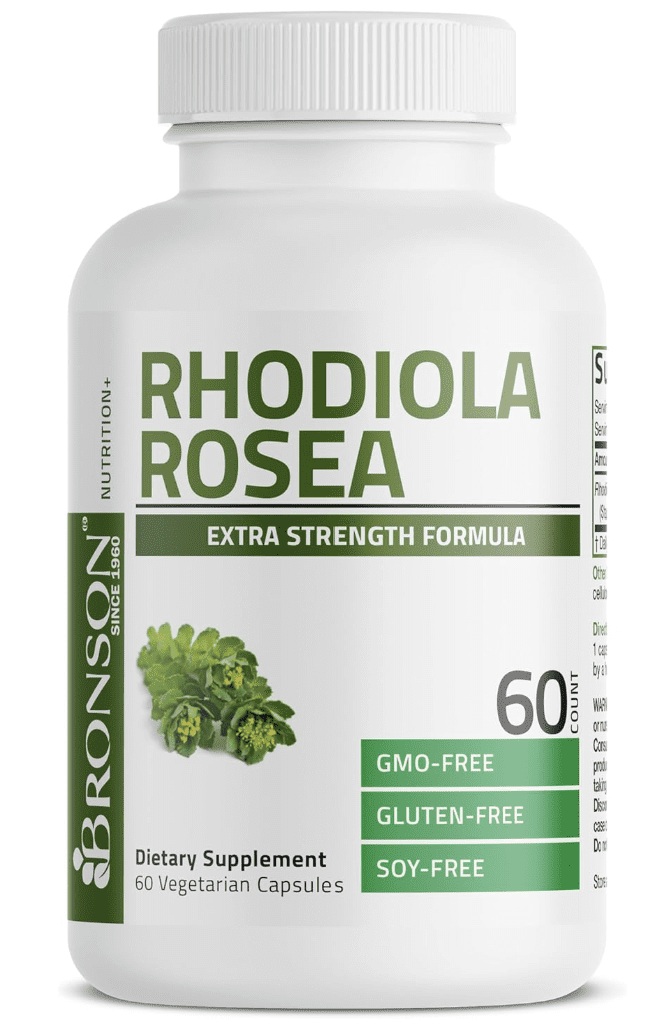
- Declared Ingredient: Rhodiola rosea root extract.
- Standardization: 3% Rosavins, 1% Salidrosides.
- Format: 1,000mg per 2-capsule serving.
For the full spec breakdown, see our Bronson Rhodiola Rosea review.
“Three products, three compound classes, three different percentage scales. You can’t compare a 5% ginsenoside claim against a 35% withanolide claim like they’re the same number on different labels, they’re measuring entirely different molecules.”
— Eugene Thong, CSCS
Spec Comparison: Ginseng vs. Ashwagandha vs. Rhodiola
| Adaptogen | Standardized Compound | Declared Percentage | Serving Format |
|---|---|---|---|
| Korean Red Ginseng | Ginsenosides | Min. 5% (varies by SKU) | ~1,000-1,200mg/serving |
| Ashwagandha (Thorne Shoden) | Withanolide glycosides | 35% | 120mg/capsule |
| Rhodiola (Bronson) | Rosavins + Salidrosides (2 compounds) | 3% / 1% | 1,000mg/2-capsule serving |
“Ashwagandha specifically has a trap in it: two branded extracts, KSM-66 and Shoden, run completely different math. A high percentage on a low milligram dose and a low percentage on a high milligram dose can land at a similar total compound weight. Read both numbers, not just the bigger-looking one.”
— Charles Damiano, B.S. Clinical Nutrition
Adaptogen Standardization Spec FAQ
- Are ginsenosides, withanolides, and Rosavins the same type of compound?
- No. Each is a distinct compound class specific to its own plant. A percentage declared for one is not directly comparable to a percentage declared for another; they’re measuring different molecules entirely.
- What’s the difference between KSM-66 and Shoden ashwagandha extracts?
- They’re two different branded, standardized ashwagandha extracts. KSM-66 commonly declares around 5% withanolides at a higher per-serving weight (300-600mg). Shoden declares a higher percentage, 35% withanolides, at a much lower weight (120mg). Both are legitimate standardization formats using different math.
- Why does Rhodiola declare two compound percentages instead of one?
- Rhodiola’s clinically referenced standardization format covers both Rosavins and Salidrosides simultaneously, unlike ginseng or ashwagandha, which are each standardized to a single compound class.
- Which of the three has the highest standardization percentage?
- Among the specific products compared here, Thorne’s Shoden ashwagandha carries the highest single-compound percentage at 35% withanolides, though it’s declared on a much smaller per-capsule weight than the other two.
Final Verdict: Read the Compound, Not Just the Number
These three products aren’t ranked against each other on a single scale, because they’re not standardized to the same compound. Ginseng’s percentage measures ginsenosides. Ashwagandha’s measures withanolides. Rhodiola’s measures two compounds at once. Comparing a “35%” claim against a “5%” claim without checking what each percentage refers to tells you nothing useful.
Check the declared compound class first, then the percentage, then the total milligram weight per serving. Those three numbers together are what actually let you compare two adaptogen labels, whether they’re the same plant or three different ones.
Related Adaptogen Spec Guides
- Bronson Rhodiola Rosea: Full Spec Review
- Non-Caffeine Supplements: How to Read the Label
- Nootropics Guide
- Omega-3 Guide
- Mushroom Supplements Guide
The Adaptogen Standardization Lexicon
- Ginsenosides
- The declared compound class specific to Panax ginseng, most commonly standardized to a minimum 5% on transparent labels.
- Withanolides
- The declared compound class specific to ashwagandha (Withania somnifera). Different branded extracts declare different percentages at different total weights.
- Rosavins / Salidrosides
- The two declared compound classes specific to Rhodiola rosea, commonly standardized together at a 3%/1% ratio.
- Branded Extract
- A trademarked, standardized ingredient form, like KSM-66 or Shoden, each with its own declared compound percentage and per-serving weight.
Bottom Line: Ginseng, ashwagandha, and Rhodiola all get filed under “adaptogen,” but each one runs its own standardization math on its own compound class. Read the declared compound, the percentage, and the total milligram weight before comparing any two labels, same plant or different.
