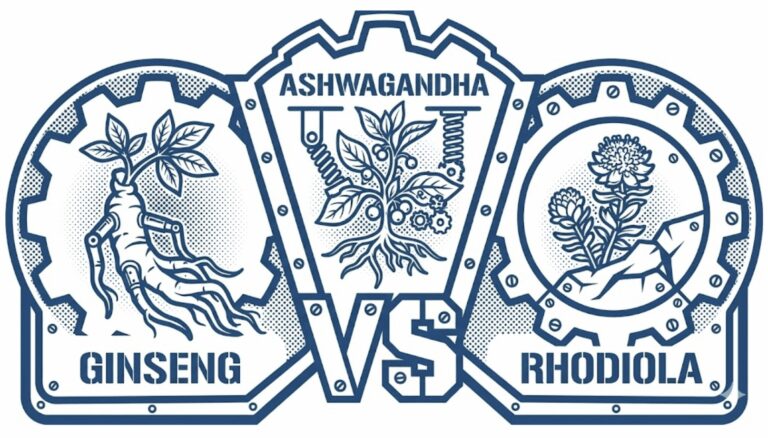
“Adaptogen” is a marketing category, not a regulated label term. No agency defines what qualifies, no standard applies across brands. What actually separates one adaptogen product from another is printed on the supplement facts panel: the declared compound class, the standardization percentage, and the total serving weight. We broke down how to read that panel across the three most common adaptogens on the shelf.

What “Adaptogen” Actually Means as a Label Term
“Adaptogen” describes a category of traditionally used botanicals, not a regulated ingredient standard. Any brand can print the word on a label. What can’t be printed loosely is the standardization claim underneath it: a specific compound class, at a specific declared percentage, at a specific total weight. That’s the part of the label worth reading.
- Category Name: “Adaptogen” itself carries no FDA-defined threshold.
- The Actual Spec: Declared compound class, percentage, and total milligram weight per serving.
Reading the Label: Three Different Compound Classes
The three most common adaptogens sold today are standardized to three completely different compound classes. A percentage on one label is not comparable to a percentage on another unless they’re measuring the same compound.
- Korean Red Ginseng: Standardized to ginsenosides.
- Ashwagandha: Standardized to withanolides, with different branded extracts (KSM-66, Shoden) declaring different percentages at different weights.
- Rhodiola: Standardized to Rosavins and Salidrosides together, a two-compound format unique to this plant.
For the full percentage-versus-weight math trap in ashwagandha specifically, see our Shoden vs. KSM-66 vs. Rhodiola spec breakdown.
“Adaptogen is the word on the front of the box. It tells you nothing about dose or purity. The compound class and the percentage on the back panel are the only numbers that actually let you compare two products.”
— Eugene Thong, CSCS
Common Types: Declared Specs

- Standardization: Min. 5% ginsenosides (verify current SKU).
- Format: Vegan capsule, commonly 120-count.
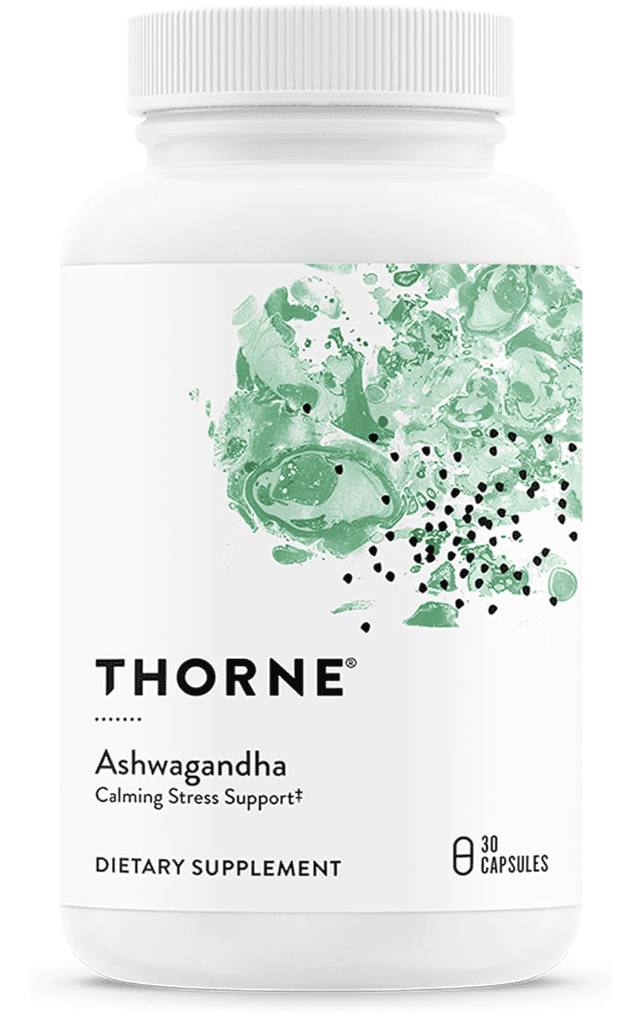
- Standardization: 35% withanolide glycosides.
- Format: 120mg per capsule, 30 capsules per bottle.
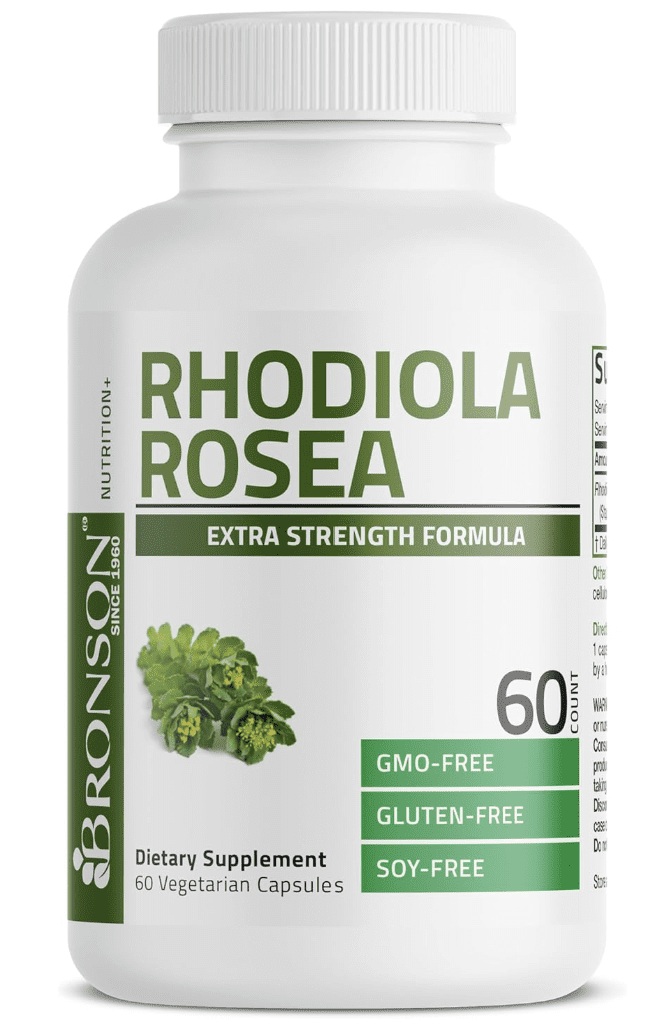
- Standardization: 3% Rosavins, 1% Salidrosides.
- Format: 1,000mg per 2-capsule serving.
See our full Bronson Rhodiola Rosea spec review.
Selection Matrix: Which Label to Check
- The Ginsenoside Reader: You want a declared percentage against Panax ginseng root extract specifically.
- The Withanolide Reader: You want ashwagandha, and you’ll compare percentage against total weight before deciding between extract brands.
- The Two-Compound Reader: You want Rhodiola’s dual Rosavin/Salidroside standardization, the only one of the three measuring two compounds at once.
- The Category-First Buyer: If you’re comparing across all three plants, remember the percentages aren’t on a shared scale; compound class comes before percentage in any real comparison.
“Three plants, three compound classes, one shared category name on the front of the box. Read past the word ‘adaptogen’ straight to the standardization line before you compare anything.”
— Charles Damiano, B.S. Clinical Nutrition
Adaptogen Spec FAQ
- Is “adaptogen” a regulated label term?
- No. It’s a marketing category describing traditionally used botanicals. No agency defines a required standardization threshold for using the word.
- Can I compare standardization percentages across different adaptogens?
- Only if they’re standardized to the same compound. Ginseng’s ginsenoside percentage, ashwagandha’s withanolide percentage, and Rhodiola’s Rosavin/Salidroside percentages are measuring three different compound classes and aren’t directly comparable.
- What’s the difference between a standardized and unstandardized adaptogen label?
- A standardized label declares a specific compound percentage. An unstandardized label states only a total plant-weight figure with no compound breakdown.
- Why does Rhodiola declare two compound percentages?
- Its clinically referenced standardization format covers Rosavins and Salidrosides simultaneously, unlike ginseng or ashwagandha, each standardized to one compound class.
Related Spec Guides
- Bronson Rhodiola Rosea: Full Spec Review
- Korean Red Ginseng vs. Ashwagandha vs. Rhodiola
- Shoden vs. KSM-66 vs. Rhodiola
- Non-Caffeine Supplements: How to Read the Label
- Nootropics Guide
- Omega-3 Guide
The Adaptogen Spec Lexicon
- Adaptogen
- A marketing category, not a regulated ingredient standard, describing traditionally used botanicals.
- Standardized Extract
- An extract declaring a minimum compound percentage, as opposed to a total plant-weight figure with no compound breakdown.
- Ginsenosides / Withanolides / Rosavins & Salidrosides
- Three distinct compound classes, each specific to its own plant, none directly comparable to another by percentage alone.
- Total Compound Weight
- The declared percentage multiplied by total serving weight, the calculation needed to compare two differently formatted standardized extracts.
Bottom Line: “Adaptogen” is a category name, not a spec. The compound class, the declared percentage, and the total serving weight are the three numbers that actually tell you what’s in the bottle. Read those before comparing any two labels.