
Two branded ashwagandha extracts run completely different math on the same compound class. Shoden declares a high percentage on a small milligram weight. KSM-66 declares a lower percentage on a much larger weight. Rhodiola standardizes to an entirely different compound pair. We broke down the actual numbers behind each label, including where the “bigger percentage” framing can mislead you if you don’t also check the total weight.

Quick Spec Overview: Percentage vs. Total Weight
A high standardization percentage on a small serving can deliver less total compound weight than a lower percentage on a larger serving. That math is the entire spec story behind Shoden and KSM-66, two branded ashwagandha extracts standardized to the same compound class, withanolides, at very different numbers.
- Shoden: Higher declared percentage (35% withanolides), lower per-capsule weight (120mg).
- KSM-66: Lower declared percentage (commonly ~5% withanolides), higher per-serving weight (300-600mg on most listings).
- Rhodiola: A different plant entirely, standardized to Rosavins and Salidrosides, not withanolides at all.
Shoden Ashwagandha: High Percentage, Small Weight
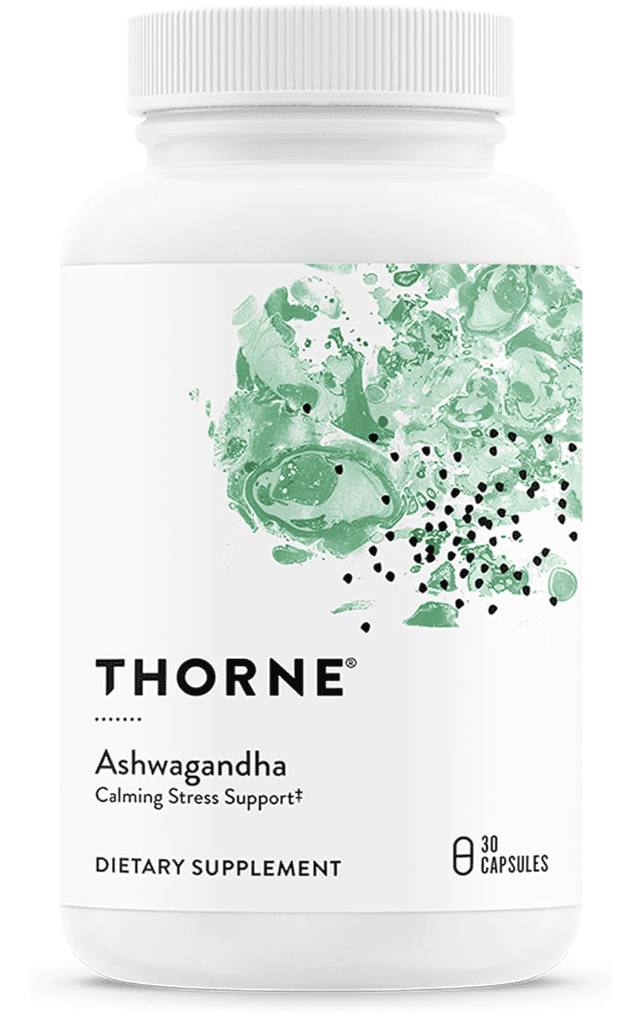
- Declared Ingredient: Shoden ashwagandha extract (leaf and root).
- Standardization: 35% withanolide glycosides.
- Format: 120mg per capsule, 30 capsules per bottle.
KSM-66 Ashwagandha: Lower Percentage, Larger Weight
KSM-66 is a root-only ashwagandha extract commonly declaring around 5% withanolides at a serving weight in the 300-600mg range, depending on brand and SKU. That percentage reads lower than Shoden’s 35% at a glance, but the larger total serving weight means the two are not directly comparable by percentage alone.
- Declared Ingredient: KSM-66 ashwagandha extract (root only).
- Standardization: Commonly ~5% withanolides (verify current SKU).
- Format: Typically 300-600mg per serving, varies by brand.
“Thirty-five percent looks like it wins against five percent until you check the weight underneath both numbers. Percentage times total milligrams is the only math that actually tells you total compound delivered, not the percentage sitting alone on the front label.”
— Eugene Thong, CSCS
Rhodiola (3%/1%): A Different Plant, A Different Standard
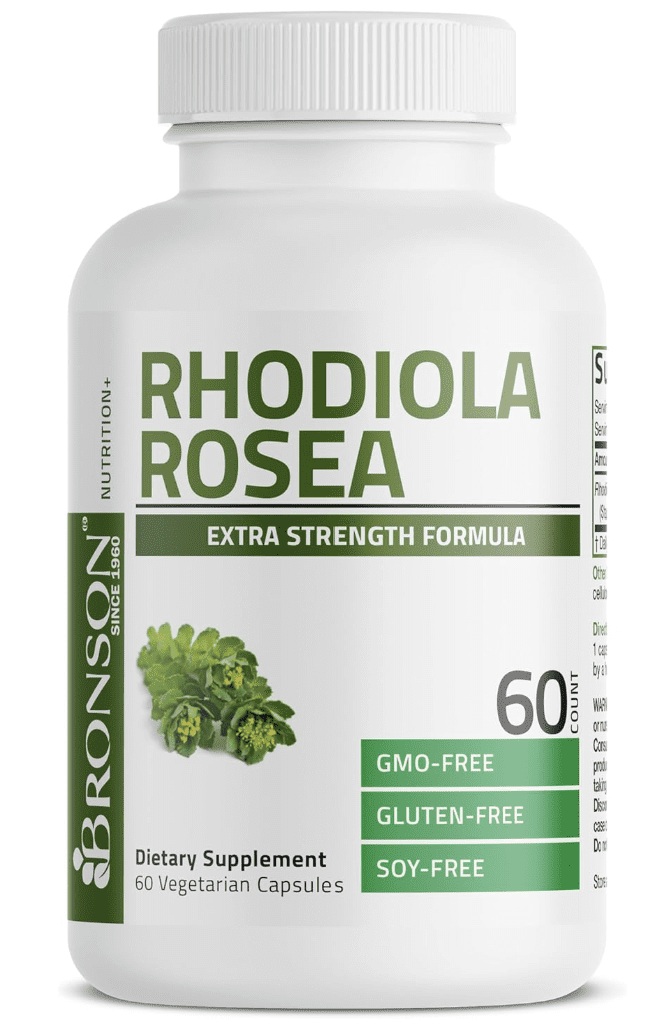
- Declared Ingredient: Rhodiola rosea root extract.
- Standardization: 3% Rosavins, 1% Salidrosides.
- Format: 1,000mg per 2-capsule serving.
See the full breakdown in our Bronson Rhodiola Rosea spec review.
Spec Comparison: Shoden vs. KSM-66 vs. Rhodiola
| Extract | Compound Class | Declared Percentage | Serving Weight |
|---|---|---|---|
| Shoden | Withanolide glycosides | 35% (highest) | 120mg (smallest) |
| KSM-66 | Withanolides | ~5% | 300-600mg (largest) |
| Rhodiola (Bronson) | Rosavins + Salidrosides | 3% / 1% | 1,000mg/2-capsule serving |
“Rhodiola doesn’t even belong on the same percentage axis as the two ashwagandha extracts. Different plant, different compound pair entirely. Put it in the same comparison table by all means, just don’t compare its 3% against their 35% like it’s the same measurement.”
— Charles Damiano, B.S. Clinical Nutrition
Shoden vs. KSM-66 vs. Rhodiola Spec FAQ
- Which has the higher withanolide percentage, Shoden or KSM-66?
- Shoden, at 35% versus KSM-66’s commonly declared ~5%. Shoden’s total serving weight (120mg) is much smaller than KSM-66’s (300-600mg), so the percentage alone doesn’t tell you the full compound picture.
- Can I compare Rhodiola’s percentage directly against Shoden or KSM-66’s?
- No. Rhodiola is standardized to Rosavins and Salidrosides, an entirely different compound class from the withanolides that both ashwagandha extracts are measured against. The percentages aren’t on the same scale.
- Why does KSM-66 use a lower percentage than Shoden?
- They’re different branded extraction processes from different parts of the plant, KSM-66 from the root only, Shoden from leaf and root together, each declaring its own standardization format at its own total weight.
- How much Rhodiola root extract is in the Bronson listing?
- 1,000mg per 2-capsule serving, standardized to 3% Rosavins and 1% Salidrosides.
Final Verdict: Percentage Times Weight, Not Percentage Alone
Shoden’s 35% looks like the strongest number on the shelf until you multiply it against its 120mg serving. KSM-66’s lower percentage on a much larger serving can land at a comparable or higher total compound delivery, depending on the exact SKU. Rhodiola isn’t part of that math at all, since it’s standardized to different compounds on a different plant.
Read all three numbers together before you buy: the compound class, the declared percentage, and the total serving weight. Any one number alone is an incomplete comparison.
Related Adaptogen Spec Guides
- Bronson Rhodiola Rosea: Full Spec Review
- Korean Red Ginseng vs. Ashwagandha vs. Rhodiola
- Non-Caffeine Supplements: How to Read the Label
The Extract Math Lexicon
- Withanolide Glycosides
- The declared compound class specific to ashwagandha, measured differently by each branded extract.
- Shoden
- A branded ashwagandha extract from leaf and root, standardized to 35% withanolide glycosides at a 120mg serving.
- KSM-66
- A branded, root-only ashwagandha extract commonly standardized to approximately 5% withanolides at a larger serving weight.
- Total Compound Weight
- The declared percentage multiplied by total serving weight, the calculation needed to compare two differently formatted standardized extracts.
Bottom Line: A bigger percentage on a smaller serving and a smaller percentage on a bigger serving can land at a similar total compound weight. Do the multiplication before you decide one label beats the other, and remember Rhodiola isn’t measured on the same compound scale as either ashwagandha extract to begin with.
