Creatine doesn’t work on motivation or hope—it works on a cellular clock. If you’re taking it and wondering when the scale or the pump will finally show up, you’re asking the wrong question. The real question is: when do your muscle cells become saturated enough to change performance?
This 2026 guide breaks down the loading phase, the maintenance timeline, the difference between feeling it and seeing it, and how to know if your creatine is actually working.
Disclaimer: As an Amazon Associate, I earn from qualifying purchases — at no extra cost to you. It’s like I get a little something for doing the heavy lifting on research. Fair deal? Let’s get into it.
First, know what you’re taking. For a deep dive on the supplement itself, read our comprehensive guide on Creatine: Benefits, Mechanism, and Research.
How Long Does Creatine Take to Work? The Cellular Clock
Creatine’s timeline isn’t mystery—it’s muscle pharmacokinetics. Here’s what the research says you can realistically expect, phase by phase.
- Days 1-7 (Loading Phase): Muscle creatine stores increase by 20-40%. You may feel an initial performance boost in later sets by day 5-7.
- Weeks 2-4 (Saturation & Adaptation): Muscles reach full saturation. This is where consistent strength gains, improved recovery between sets, and visible fullness (“the pump”) become noticeable.
- Month 2+ (Accumulated Benefits): The real magic—sustained higher training volume leads to measurable muscle growth. The scale might move (due to water retention initially, then lean mass).
The Short Answer: You can feel a difference in the gym in 5-7 days with a loading phase, or in 3-4 weeks without loading. You’ll see noticeable changes in muscle fullness and potentially scale weight in 2-4 weeks. Measurable strength and muscle gains solidify in 8-12 weeks of consistent use paired with training.
“People expect creatine to work like caffeine—a acute effect in 30 minutes. It’s not a stimulant. It’s a cellular battery recharge. You’re not ‘feeling’ the creatine; you’re feeling your muscles not fatiguing as fast. That takes days to weeks to manifest.”
— Charles Damiano, B.S. Clinical Nutrition
The Loading Phase: Shortcut or Stomach Ache?
The standard protocol is 20-25 grams split into 4-5 doses daily for 5-7 days, followed by 3-5 grams daily for maintenance.
The Pros of Loading
- Faster Saturation: Reach maximal muscle creatine levels in ~1 week instead of ~4 weeks.
- Quicker Feedback: You’ll notice the performance benefits sooner, which can be psychologically motivating.
The Cons of Loading
- GI Distress: High doses can cause bloating, cramping, or diarrhea in some people.
- Water Weight Spike: The rapid intracellular water retention can lead to a sudden 2-5 lb scale increase, which can be demotivating if you don’t understand it’s not fat.
Verdict: If you’re impatient and have a tough stomach, load. If you’re prone to bloating or don’t mind waiting, skip it and just take 5 grams daily from the start. The end result after one month is identical. For a detailed protocol, see our Complete Guide to Creatine Loading.
Signs Your Creatine Is Actually Working (Beyond the Scale)
Don’t just stare at the scale. These are the real-world indicators:
- The “One More Rep” Phenomenon: The most common sign. You complete that final rep on sets 3 and 4 where you usually fail.
- Faster Inter-Set Recovery: Your heart rate and breath return to normal quicker; you feel ready for the next set sooner.
- Improved Muscle Fullness (“The Pump”): Muscles look and feel fuller, tighter, and more vascular, especially post-workout. This is the intracellular water retention working for you.
- Sustained Power in Later Sets: Your power output on jumps, throws, or sprint intervals doesn’t drop off as dramatically.
What It Does NOT Feel Like: It is not a stimulant. You will not feel “energized” or “jittery.” The effect is subtle but powerful—it’s the removal of fatigue, not the addition of energy.
“The best way to track creatine is not by how you feel when you start your workout, but by how you feel at the end of it. Are you completing your planned volume with less perceived effort? That’s creatine working. It’s an endurance supplement for your ATP system.”
— Eugene Thong, CSCS
4 Factors That Speed Up or Slow Down Results
- Training Consistency & Intensity: Creatine is a performance multiplier. If your training is inconsistent, the multiplier has nothing to work on. No supplement replaces effort.
- Diet (Especially Carbohydrates): Consuming creatine with a carb- and protein-rich meal can increase muscle uptake by up to 60% due to the insulin response. For optimal timing strategies, see our Creatine Timing Guide.
- Muscle Mass & Baseline Levels: Larger individuals and those with low baseline creatine (like vegetarians) may notice effects more dramatically and quickly.
- Product Quality & Purity: Not all powders are created equal. Look for Creapure® or USP-verified monohydrate for guaranteed purity and dosing. This is why brands like Transparent Labs prioritize sourcing.
Top Creatine Picks: Which One Gets to Work Fastest?
All creatine monohydrate saturates muscles at the same rate. The difference is in purity, mixability, and stomach tolerance. Here are the top-tier options.
| Product | Key Feature | Best For | Time to Efficacy |
|---|---|---|---|
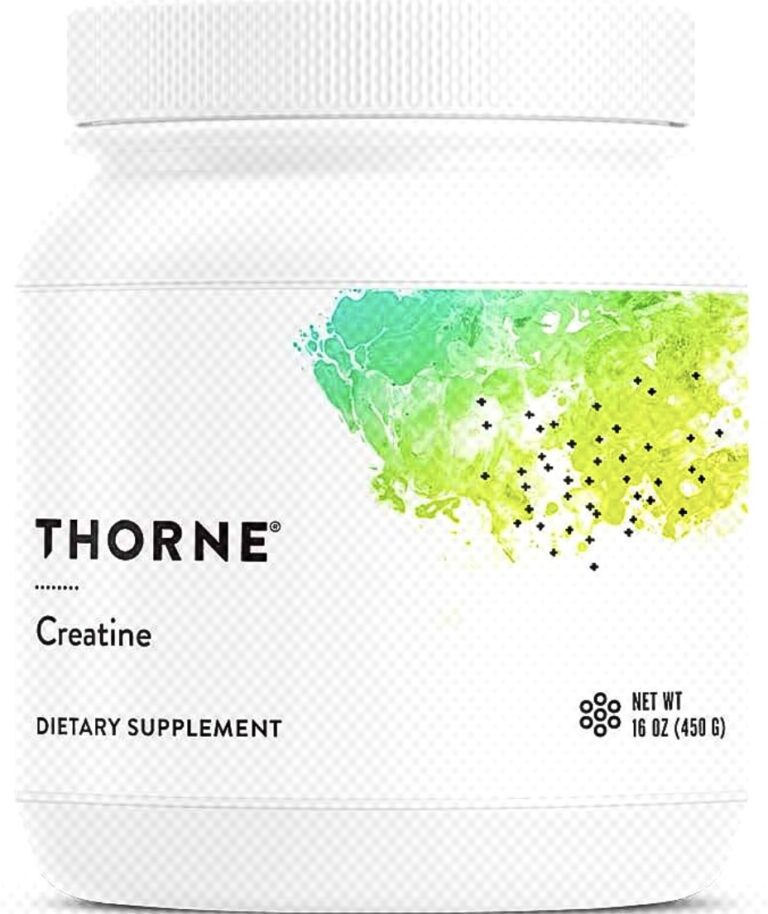
| Thorne Research | Pharmaceutical-grade purity | The purist / sensitive stomachs | Standard (Quality ensures no delays) |
| Optimum Nutrition Micronized | Fine powder, mixes easily | Reliable value & mixability | Standard |
| Sports Research Micronized | Certified vegan & Creapure® | Vegetarians / label-conscious | Standard |
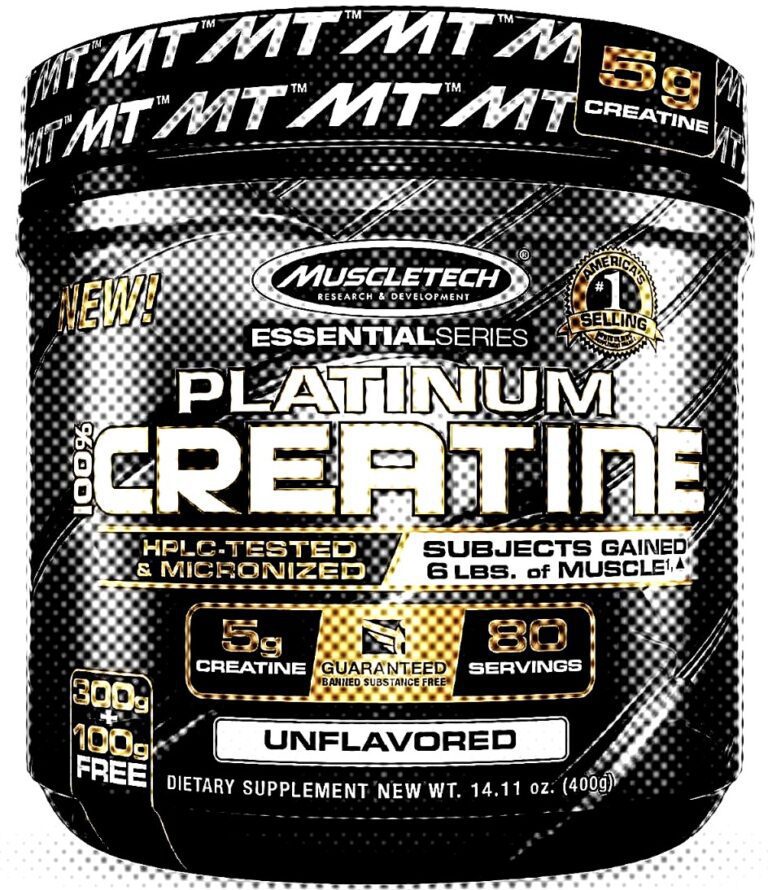
| MuscleTech Platinum | Widely available, trusted brand | First-time users | Standard |
| Kaged Creatine HCL | Creatine Hydrochloride (more soluble) | Those who experience bloating with monohydrate | *May absorb slightly faster, but saturation timeline similar |
For a broader breakdown of the market, see our ranked list of the Top 5 Creatine Supplements for Muscle Gain or our specific Optimum Nutrition vs. MuscleTech creatine comparison.
“Don’t overcomplicate it. Find a pure monohydrate from a brand you trust, take 5 grams daily with a meal, and be patient for 3-4 weeks. The quest for a ‘faster’ creatine often leads to paying more for the same result.”
— Charles Damiano, B.S. Clinical Nutrition
Related Creatine & Supplement Guides
- Best Creatine for Men: A 2026 Evidence-Based Guide
- Creatine Timing Guide: When to Take It for Best Results
- Creatine Loading Phase: A Step-by-Step Protocol
- ON vs. MuscleTech Creatine: Detailed Breakdown
- Transparent Labs Creatine HMB Review: Stacked Formula Analysis
The Iron Lexicon: Creatine Edition
- Creatine Saturation
- The point at which muscle creatine stores are maximized (increased by 20-40%). This is the prerequisite for full performance and volumetric effects.
- Loading Phase
- A short-term protocol (5-7 days) of high-dose creatine intake (20-25g/day) designed to rapidly achieve muscle saturation.
- Intracellular Water Retention
- The drawing of water into muscle cells by creatine, leading to increased muscle fullness, a sharper appearance, and initial scale weight increase.
- ATP-PCr System
- The primary energy system for short, high-intensity efforts (≤10 seconds). Creatine phosphate (PCr) is a key fuel source, which creatine supplementation directly replenishes.
- Creapure®
- A trademarked brand of creatine monohydrate manufactured in Germany, known for its exceptionally high purity (>99.9%) and quality assurance.
- Micronized Creatine
- Creatine monohydrate processed into smaller particles for improved dissolution in liquid and potentially better absorption.
- Creatine Hydrochloride (HCL)
- A form of creatine bound to hydrochloric acid, touted for high solubility and potentially reduced bloating, though it requires a smaller dose (∼2g) due to higher molecular weight of creatine.