The Rear-Foot-Elevated (RFE) Goblet Split Squat is a unilateral lower-body exercise that prioritizes knee stability and extreme quad recruitment. By elevating the trailing leg, we remove the “assistance” of the back limb, forcing the front leg to handle 90% of the load. This is a mechanical audit of your pelvic stability and is essential for reclaiming the lean strength and explosive power required for 2026 performance standards.
⚠️ Technical Compliance
Disclaimer: Content provided by The Body Blueprint is for informational and educational purposes only. Consult with a qualified healthcare or industry professional before implementing new physical protocols, nutritional interventions, or technical strategies.
Affiliate Disclosure: As an Amazon Associate I earn from qualifying purchases.
Technical Setup: Calibrating the Stance
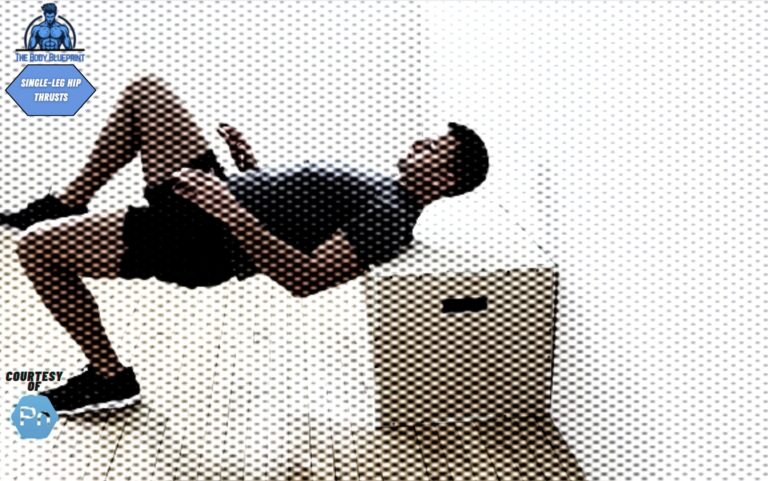
Proper RFE setup requires the front foot to be positioned far enough forward to allow for vertical shin tracking under load. If your foot is too close to the bench, you will experience excessive patellofemoral torque (knee pain). Use a ribs-down exhale to set your core before grabbing the dumbbell. If you struggle with balance, strengthen your ground-anchors with single-leg bridges to improve proprioception.
Execution Cues: High-Torque Performance
The “Goblet” hold creates a front-loading effect that demands reactive core stability to prevent forward trunk lean. This mirrors the requirements of agility and speed drills. Drive through the center of your front foot, keeping the gluteus medius engaged to prevent knee valgus (caving in). Support this intense neural drive by ensuring your creatine timing is optimized post-session to refill the phosphagen system.
| Mechanical Check | Engineering Correction |
|---|---|
| Knee Stability | Engage glutes; avoid internal rotation. |
| Core Integrity | Maintain ribs-down positioning. |
| Deceleration | 3-second eccentric (down) phase. |
Quad Isolation: Building the Foundation
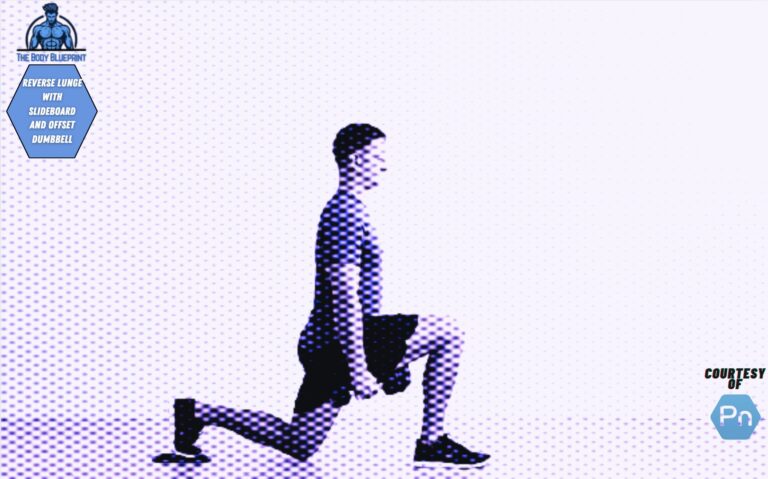
Unilateral loading is the most effective way to address side-to-side strength imbalances. In the Engineering Dept, we see the RFE split squat as a way to “patch” power leaks. If your left leg is 15% weaker than your right, your total chassis is compromised. Supplement this growth with HBCD carb timing to drive nutrients into the muscle and prevent intra-workout stalling. If you’re a hard gainer, this exercise is the cornerstone of building lower-body mass that lasts.
“Training both legs at once hides the truth. If you want a Golden Era aesthetic, you need the symmetry that only unilateral audits can provide.” — Eugene Thong, CSCS
Lexicon of the Chassis: Lower Body Edition
Unilateral Loading: Training one limb independently to fix asymmetries.
Proprioception: Your brain’s awareness of where your body is in space—enhanced by nootropics.
Eccentric Control: The “braking” phase of the lift, vital for long-term recovery.
Patellar Tracking: The movement of the kneecap—often optimized by using a massage roller ball on the lateral quad.
Engineer a Better Engine.
Stop hiding your weaknesses in a barbell squat. Master the RFE split squat and rebuild your foundation from the ground up.