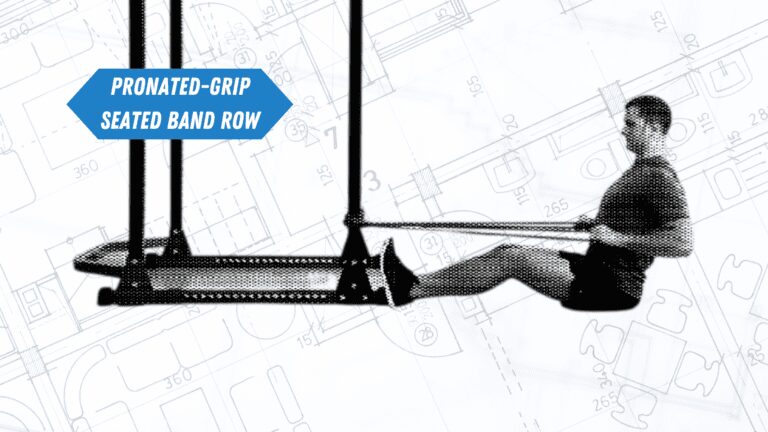
Exercise is not complicated. But it is precise. The difference between moving weight and building a stronger, more capable body is understanding what you are doing and why. This guide strips away the noise and lays out the iron truths on strength, cardio, mobility, and everything in between. Whether you are a beginner or a seasoned lifter, this is your blueprint. No fluff. Just the brutal facts on how to train, recover, and get results that last.
For Educational Purposes Only: The information provided is for informational and educational use. It is not a substitute for professional consultation. Always consult a qualified professional before beginning any new training or nutrition program. Results vary by individual.
Core Concept: What Exercise Actually Is
Exercise is planned, structured, repetitive movement with a goal. That goal can be strength, endurance, muscle size, mobility, or simply feeling less beat up at the end of the day.
Definition
Exercise is a subset of physical activity. It is intentional and purposeful. Walking to your car is activity. Walking with a weighted vest for 30 minutes with a target heart rate is exercise.
Purpose of Exercise
The purpose varies by individual, but the common threads are:
– Improved work capacity
– Increased strength and resilience
– Better body composition
– Enhanced movement quality
– Mental clarity and stress reduction
Exercise vs Physical Activity
Physical activity is any movement that expends energy. Exercise is a structured subset. You can be active without exercising. But for measurable progress in strength, muscle, or endurance, structured training wins. See how to stay motivated with exercise.
Exercise for Men’s Fitness & Performance
Men’s training often focuses on strength, muscle, and functional capacity. But the principles apply across the board: consistency, progressive overload, and recovery. For a deep dive, explore the ultimate guide to building muscle and strength training fundamentals.
“Exercise is the most effective tool for building physical capability, but only if you treat it as a skill to be learned, not a punishment to be endured. Show up with intention or don’t bother showing up.”
Charles Damiano, B.S. Clinical Nutrition
Major Exercise Categories
No single type of exercise does everything. A well‑rounded program pulls from multiple categories based on your goals.
| Category | Primary Focus | Key Methods | Examples |
|---|---|---|---|
| Strength Training | Force production, muscle mass | Progressive overload, compound lifts | Deadlift, squat, bench press |
| Cardiovascular Training | Endurance, work capacity | LISS, HIIT, steady state | Hill sprints, rowing, cycling |
| Mobility & Flexibility | Range of motion, joint health | Dynamic stretching, static stretching, drills | Hip flexor stretch, thoracic mobility |
| Power & Speed | Explosiveness, rate of force development | Plyometrics, Olympic lifts, sprinting | Explosive pushups, plyometrics |
| Functional Training | Real‑world movement patterns | Carries, hinges, rotations | Farmer’s carry, Turkish get‑up |
| Conditioning & Metabolic Training | Energy system development, fat loss support | Circuits, EMOM, complexes | Metabolic igniter, circuit training |
| Balance & Stability | Proprioception, injury resilience | Single‑leg work, unstable surface training | Single‑leg bridge, stability drills |
Strength Training
Strength training is the foundation for most men’s fitness goals. It builds muscle, increases bone density, and improves metabolic health. But execution matters more than intention.
Compound Movements
Exercises that recruit multiple joints and muscle groups. These give the most return on investment. Key examples: deadlift, squat, bench press, overhead press, and row variations. See our compound exercises for mass guide.
Isolation Movements
Single‑joint exercises that target specific muscles. Use them to address weak points, add volume, or pre‑hab. Examples: barbell curl, triceps extension, leg curl.
Free Weights
Barbells, dumbbells, kettlebells. Unstable, requiring more stabilizer engagement. Ideal for strength and mass. Check dumbbell exercises and barbell exercises.
Machines
Guided movement paths, safer for maximal effort. Good for adding volume without taxing stabilizers. See cable chest workouts and back row equipment.
Bodyweight Training
No equipment required, scalable for all levels. Foundation for pull‑ups, pushups, squat variations. Explore the bodyweight exercise library.
Progressive Overload
You must increase demands over time. This is the non‑negotiable driver of strength and muscle. Learn the progressive overload principles.
Training Splits
How you organize your training week. Options: full body, upper/lower, push/pull/legs, or body‑part split. See full body vs split routines for comparison.
Cardiovascular Exercise
Cardio builds endurance, work capacity, and supports recovery. It is not the enemy of strength; it is a tool. Use it wisely.
Steady‑State Cardio
Sustained effort at a consistent pace. Builds aerobic base. Includes running, rowing, cycling. Learn beginner cardio guidelines.
High‑Intensity Interval Training (HIIT)
Short bursts of max effort followed by recovery. Time‑efficient and improves anaerobic capacity. See HIIT fundamentals and history of HIIT.
Low‑Intensity Steady State (LISS)
Conversational pace, longer duration. Excellent for active recovery and building an aerobic foundation. Combine with bodyweight cardio combos.
Zone 2 Training
Training at 60‑70% of max heart rate. Optimizes mitochondrial function and fat utilization. Often performed on rower or bike.
Sprint Work
Maximal or near‑maximal efforts, short duration. Develops power and fast‑twitch fibers. See cardio exercise benefits.
Modalities
- Running: High‑impact, builds bone density. Check cross‑training shoes.
- Cycling: Low‑impact, leg development. See best stationary bikes.
- Rowing: Full‑body, low‑impact. Read Hydrow Origin review.
- Swimming: Full‑body, zero impact. Excellent for joint health.
- Stair Climbing: High calorie burn, lower body strength. Check compact cardio machines.
Mobility & Flexibility Exercise
Mobility is the ability to move through a range of motion with control. Flexibility is passive range. Both matter for injury prevention and performance.
Dynamic Stretching
Movement‑based stretching used in warm‑ups. Prepares tissues for activity. Examples: walking spiderman, inchworm.
Static Stretching
Holding a stretch for 15‑60 seconds. Best post‑workout or on recovery days. See static stretching guide and PNF stretching.
Joint Mobility Drills
Specific movements to maintain or improve joint function. Critical for shoulders, hips, and ankles. See hip flexor mobilization, thoracic mobility, ankle mobility drills.
Yoga‑Based Mobility
Combines strength, flexibility, and breath. See yoga for lifters and downward dog stretch.
Thoracic Mobility
Essential for overhead movement, shoulder health. See standing thoracic rotation, quadruped extension rotation.
Hip & Ankle Mobility
Key for squat depth and injury prevention. See hip flexor stretch, ankle rocking.
Power & Speed Exercise
Power is strength expressed quickly. Training it improves athleticism and neuromuscular efficiency.
Plyometrics
Jump training, explosive movements. See plyometrics explained and plyometric patterns.
Olympic Lifts
Snatch, clean & jerk. The ultimate power development tools. Learn origins of Olympic lifting.
Medicine Ball Throws
Explosive rotational and overhead movements. See medicine ball slams.
Sprinting
Maximal speed development. See hill sprints and sprint programming.
Jump Training
Box jumps, broad jumps, vertical leaps. See RFEs jumps guide.
Agility Drills
Change of direction, footwork. See agility exercises and parkour for agility.
Functional Training
Training that translates to real‑world movement. Focuses on patterns, not muscles.
Movement Patterns
- Squat: goblet squat, split squat
- Hinge: RDL, kettlebell swing
- Push: bench press, overhead press
- Pull: pull‑up, row
- Carry: farmer’s carry, waiter’s carry
- Rotate: Pallof press, woodchopper
Kettlebell Training
Ballistic, hinge‑dominant, great for conditioning. See kettlebell benefits, kettlebell arm bar, and kettlebell exercise library.
Sandbag Training
Odd object loading, unpredictable. See sandbag training guide.
Sled Work
Push, pull, drag. Low‑impact, high output. See sled push guide.
TRX & Suspension Training
Bodyweight leverage, core demand. See TRX core guide and TRX vs free weights.
Conditioning & Metabolic Training
Metabolic conditioning builds work capacity and energy system efficiency.
Circuit Training
Multiple exercises performed back‑to‑back with minimal rest. See circuit training guide and bodyweight circuits.
Cross‑Training
Blending modalities for overall fitness. See cross‑training guide.
EMOM (Every Minute on the Minute)
Start a set at the top of each minute, rest remaining time. Great for pacing and intensity management.
AMRAP (As Many Rounds as Possible)
Fixed time, max output. Builds mental toughness and work capacity.
Complexes
Series of movements performed with the same weight without rest. See barbell complexes.
Battle Ropes
Upper body conditioning, grip, explosive work. See battle ropes guide.
Sled Pushes
Low‑impact, high‑output, joint‑friendly. See sled push guide.
Exercise Programming & Structure
Programming is the architecture of your training. Without it, you are just working out, not training.
Frequency
How often you train. For strength, 2‑4 days per week is typical. For conditioning, 2‑5 sessions. See cardio frequency for fat loss.
Intensity
How hard you train relative to your max. Measured as percentage of 1‑RM, RPE, or heart rate.
Volume
Total work: sets × reps × load. There is a dose‑response relationship. See volume vs intensity.
Rest Intervals
Time between sets. Strength: 2‑5 min. Hypertrophy: 1‑2 min. Conditioning: 30‑60 sec.
Periodization
Planned variation over time. Prevents plateaus and manages fatigue. See periodization guide and periodization training.
Progression Models
- Load progression: Add weight when rep targets are met.
- Volume progression: Add sets or reps before increasing weight.
- Density progression: Do same work in less time.
Recovery Integration
Recovery is when adaptation happens. See active recovery guide, deload guide, and sleep optimization.
Exercise: The Raw Truth
A: It depends on your goals. For general fitness, 3‑5 days per week mixing strength and cardio works. For strength specialization, 3‑4 days. For weight loss, 4‑6 days with a mix of modalities. Consistency beats intensity. See why most men’s workouts fail.
A: No. For strength, leave 1‑3 reps in reserve. For hypertrophy, occasional failure on the last set is fine. Constant failure fries your CNS and increases injury risk. Learn progressive overload principles.
A: Exercise increases caloric expenditure, but nutrition drives fat loss. You cannot out‑train a bad diet. See weight loss without cardio and calorie guide.
A: Dynamic stretching pre‑workout. Static stretching post‑workout or on recovery days. See dynamic stretching guide and static stretching guide.
A: Signs include persistent fatigue, strength plateaus or declines, poor sleep, irritability, and loss of motivation. If you experience these, take a deload week. See deload guide and active recovery guide.
Final Verdict: Training Over Exercise
There is a difference between exercising and training. Exercising is moving. Training is moving with a plan, a target, and a way to measure progress. This guide gave you the framework. Now you must execute.
Buy into this approach if: You are ready to treat your training as a skill, track your progress, and commit to consistent, structured work.
Skip the “random workouts” mindset if: You prefer hopping on machines without a plan and wonder why results never come.
For deeper dives into specific areas, explore our exercise library, strength training hub, and cardio hub. To build a complete plan, start with workout routines for hypertrophy and the complete muscle building guide.
The Bottom Line: Intent > Activity.
Your body adapts to what you do consistently. If you train with intention, track your numbers, and prioritize recovery, you will outgrow the guys who just “go through the motions.” The information is here. The work is yours.
The Exercise Lexicon
- Progressive Overload
- The systematic increase of stress on the musculoskeletal system over time. The primary driver of strength and hypertrophy.
- Volume Load
- Total work performed: sets × reps × weight. A key metric for tracking progress.
- Rate of Perceived Exertion (RPE)
- A scale (1‑10) rating how hard a set felt. Used to autoregulate training intensity.
- Time Under Tension (TUT)
- The duration a muscle is under load during a set. A variable manipulated for hypertrophy.
- Valsalva Maneuver
- Holding your breath and bracing your core to create intra‑abdominal pressure and stabilize the spine during heavy lifts.
- NEAT (Non‑Exercise Activity Thermogenesis)
- Calories burned from all activity that is not sleeping, eating, or structured exercise. Walking, standing, fidgeting. Often the biggest variable in total daily energy expenditure.
- Metabolic Conditioning (MetCon)
- Training that combines strength and cardio elements to improve energy system efficiency. Often uses compound movements with short rest periods.
- Dynamic Correspondence
- The principle that an exercise should mimic the movement patterns, contraction types, and force development of the target activity. Important in sports performance.