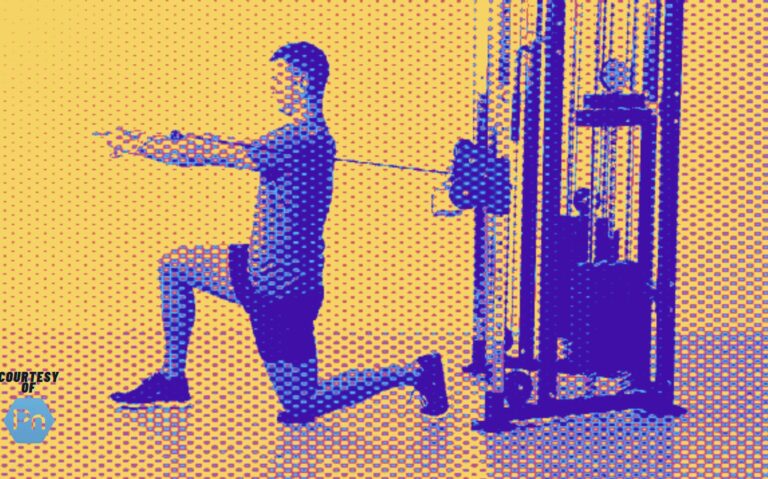
Enhancing your balance and stability requires more than just building large muscle groups. Balance and stability drills target the smaller stabilizing muscles, improving coordination and preventing injuries. These exercises are key to developing core strength, enhancing posture, and refining motor control. Below, we explore the benefits, methods, and complementary training techniques for better stability.
Key Benefits of Balance and Stability Drills
| Benefit | Description |
|---|---|
| Stronger Stabilizing Muscles | Targets small muscles in ankles, knees, and hips. |
| Improves Postural Control | Aligns the body to prevent slouching or imbalance. |
| Injury Prevention | Reduces the risk of sprains and strains. |
| Enhanced Coordination | Improves mind-muscle connection and movement control. |
| Better Athletic Performance | Boosts speed, agility, and reaction time. |
Here you can also explore dynamic movement patterns.
Best Exercises for Balance and Stability
| Exercise | Primary Muscles Targeted | Equipment Needed |
|---|---|---|
| Single-Leg Deadlift | Hamstrings, glutes, stabilizers in the foot | Dumbbell (optional) |
| BOSU Ball Squats | Quads, core, ankle stabilizers | BOSU or balance board |
| Plank with Arm Lift | Core, shoulders, lower back | None |
| Lateral Bounds | Glutes, calves, hip stabilizers | None |
| Heel-to-Toe Walk | Ankles, feet, lower legs | None |
Key Elements of an Effective Stability Routine
| Element | Purpose |
|---|---|
| Core Activation | Strengthens abs and back to enhance control. |
| Unilateral Training | Works one side at a time to correct imbalances. |
| Proprioceptive Work | Improves spatial awareness and joint position. |
| Dynamic Movements | Challenges balance under shifting conditions. |
Balance Drills vs. Strength Training
| Balance Drills | Traditional Strength Training |
|---|---|
| Focuses on small stabilizing muscles | Targets larger primary muscle groups |
| Involves dynamic, multi-planar movements | Uses linear, repetitive exercises |
| Improves coordination and mobility | Builds muscle mass and power |
| Low resistance with higher body control | Heavy loads to increase strength gains |
How to Incorporate Stability Drills into Your Routine
- Warm-up with Core Exercises: Engage your core through planks or bridges.
- Start with Bodyweight Movements: Master bodyweight drills before adding weights.
- Use Unstable Surfaces: Train on BOSU balls, wobble boards, or foam pads.
- Gradually Increase Difficulty: Add weights or move faster to challenge stability.
- End with Stretching: Improve flexibility and prevent muscle stiffness post-workout.
Complementary Training for Better Stability
| Training Method | Benefits |
|---|---|
| Yoga and Pilates | Builds core strength and flexibility |
| Resistance Bands | Activates smaller muscles through tension work |
| Plyometric Exercises | Boosts power and reactive control |
| Functional Training | Enhances everyday movement patterns |
Common Challenges and Solutions
| Challenge | Solution |
|---|---|
| Wobbling during exercises | Focus on a fixed point to improve balance. |
| Uneven strength on both sides | Include unilateral exercises to correct imbalances. |
| Plateau in stability progress | Incorporate new drills or increase intensity. |
| Weak core engagement | Practice deep core activation with planks or dead bugs. |
Sample Balance and Stability Routine
| Exercise | Sets | Reps/Time |
|---|---|---|
| Single-Leg Deadlift | 3 | 8 per leg |
| BOSU Ball Squats | 3 | 12 |
| Plank with Arm Lift | 3 | 30 seconds |
| Lateral Bounds | 3 | 15 per side |
| Heel-to-Toe Walk | 2 | 20 steps |
Who Should Do Balance and Stability Drills?
- Athletes: Improve performance in dynamic sports like basketball or soccer.
- Seniors: Reduce the risk of falls and maintain mobility.
- Rehab Patients: Regain motor control after injuries or surgeries.
- Fitness Enthusiasts: Enhance functional movement for everyday activities.
Q&A: Mastering Balance and Stability Drills
Q1: How often should I do balance and stability drills?
A1: Aim to incorporate these drills 2-3 times per week. Consistency is key, but balance exercises are low-impact, so they can complement strength training or cardio routines without risking overtraining.
Q2: Can balance drills improve sports performance?
A2: Absolutely. Athletes benefit from improved proprioception (awareness of body position), quicker reflexes, and better coordination. For sports like basketball, tennis, or skiing, these drills enhance agility and reduce the likelihood of injuries.
Q3: Are balance and stability drills suitable for beginners?
A3: Yes, beginners should start with simple bodyweight exercises like single-leg stands or heel-to-toe walks. As your coordination improves, you can progress to more challenging movements using wobble boards or BOSU balls.
Q4: Can stability exercises prevent injuries?
A4: Yes, they strengthen small stabilizing muscles in the knees, hips, ankles, and core, which are often prone to injury. By increasing stability, these drills reduce stress on joints during dynamic activities, preventing sprains and strains.
Q5: How do core muscles relate to balance training?
A5: Core strength is essential for balance. The core acts as a stabilizer, helping the body maintain alignment and control during movement. Exercises like planks with arm lifts or side planks are great for engaging the core while challenging balance.
Q6: Can older adults benefit from these drills?
A6: Yes, seniors can improve their balance and mobility, reducing the risk of falls. Low-impact drills, such as chair-assisted single-leg stands or stability ball exercises, are ideal for building confidence and muscle control in older adults.
Q7: How do I progress when exercises become too easy?
A7: Increase difficulty by:
- Adding weights: Use dumbbells during movements like single-leg deadlifts.
- Using unstable surfaces: Try BOSU squats or perform planks on a wobble board.
- Increasing speed: Incorporate quicker, more explosive drills like lateral bounds.
Q8: Can these drills help with posture correction?
A8: Yes, balance exercises enhance postural alignment by strengthening muscles that support the spine. Single-leg exercises and core drills build stability and promote better body awareness, which translates into improved posture.
Q9: How long does it take to see results?
A9: With regular practice (2-3 times per week), most people notice improvements within 4-6 weeks. You’ll experience enhanced stability, better coordination, and stronger muscles around your joints over time.
Q10: What equipment is helpful for balance drills?
A10: While many exercises require no equipment, the following tools can boost your progress:
- BOSU ball: Adds an unstable surface for squats and planks.
- Wobble board: Perfect for improving ankle and core stability.
- Resistance bands: Engage stabilizing muscles during movement.
- Dumbbells: Add resistance to exercises like single-leg deadlifts.
Q11: Can children and teenagers benefit from stability drills?
A11: Yes, young athletes can enhance coordination and agility with these exercises. Activities like balance beam walks or lateral bounds help improve reflexes and prevent injuries during sports.
Q12: What’s the difference between static and dynamic balance drills?
A12:
- Static balance drills: Involve holding a position without movement, such as a single-leg stand.
- Dynamic balance drills: Involve movement through space, such as lateral bounds or walking lunges, which train the body to stay controlled during activity.
This Q&A section covers everything from frequency and progressions to the benefits of balance and stability drills for athletes, seniors, and beginners. Incorporating these exercises into your fitness routine will not only strengthen small stabilizing muscles but also improve overall movement efficiency, making it a vital component of long-term health and performance.