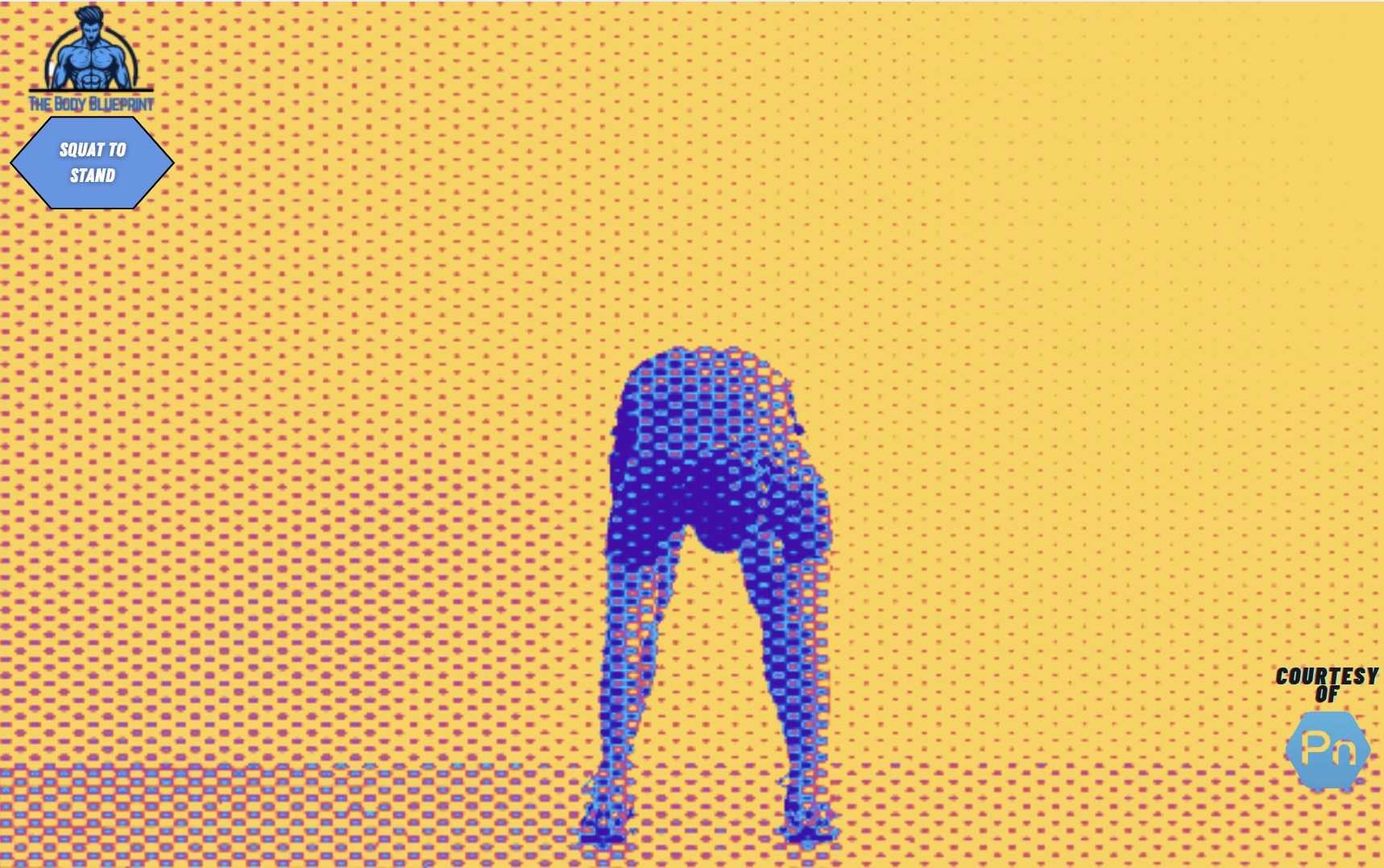
The Squat to Stand is the single most effective dynamic warm-up for unlocking hip depth and hamstring flexibility before leg day. If you struggle to hit “below parallel” without your lower back rounding, this movement is your mechanical fix.
Most guys approach mobility like a chore—doing static stretches that put them to sleep. This is a mistake. The Squat to Stand is dynamic; it actively pumps synovial fluid into the hip capsule while forcing the hamstrings to lengthen under tension. It is the WD-40 for your lower body. If you want to stop squatting high and start moving like an athlete, you need to grease the groove.
Important: Do not force depth. If your lower back rounds aggressively (butt wink) at the bottom, stop just before that point. Mobility is earned, not forced.
Why Squat to Stand Beats Static Stretching
Static stretching before lifting actually reduces power output, but dynamic movements like the Squat to Stand prepare the nervous system for load. This exercise targets the “triple flexion” of the ankle, knee, and hip simultaneously.
If you are suffering from severe DOMS (Delayed Onset Muscle Soreness), this gentle motion flushes out waste products better than sitting on the couch.
The Benefits at a Glance
| Advantage | The Payoff |
|---|---|
| Hamstring Length | The “stand” phase actively lengthens the posterior chain. |
| Hip Opening | The “squat” phase uses your elbows to pry the knees open, stretching the adductors. |
| Thoracic Extension | Forces the chest up at the bottom, fighting the “desk hunch” posture. |
Squat to Stand Technique Guide
You are not doing yoga; you are performing a mechanical tune-up. Move with intention. Do not just flop up and down.
Step-by-Step Execution
- The Setup: Stand with feet shoulder-width apart. Toes slightly out.
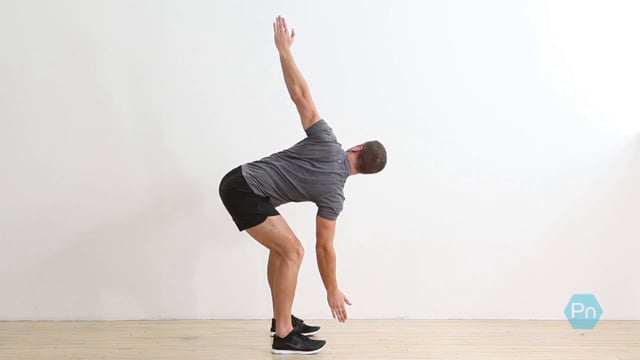
- The Fold: Hinge at the hips and grab your toes (or ankles). Keep legs as straight as possible. Feel the hamstring stretch.
- The Drop: Pull your butt down to your heels. Keep holding your toes.
- The Pry: At the bottom, use your elbows to push your knees out. Lift your chest proud. “Show your logo to the wall.”
- The Return: Keep holding your toes and drive your hips back up to the ceiling. Straighten the legs again.
“Don’t let your heels pop up. If they do, widen your stance. You need a solid tripod foot to translate this mobility into a real squat.”
— Eugene Thong, CSCS
Common Mistakes That Ruin Mobility
If you round your back like a scared cat, you aren’t mobilizing your hips; you’re just flexing your spine.
- The Turtle Shell: Rounding the upper back at the bottom. Fix: Extend your thoracic spine. Chest up.
- Heel Lift: Weight shifting to toes. Fix: Sit back. If needed, hold onto a rack for counterbalance.
- Speed: Bouncing through reps. Fix: Spend 3 seconds in the bottom “prying” phase.
Programming & Optimization
This is a warm-up staple that belongs in every single lower body session. It prepares the tissue for war.
Sample Protocol
| Goal | Sets/Reps | Timing |
|---|---|---|
| Prep | 2 x 10 reps | Before Barbell Squats. |
| Desk Relief | 1 x 8 reps | Every 2 hours of sitting. |
Performance Stack
Mobility work is the foundation, but fueling the workout that follows is critical.
- Tissue Prep: If your fascia is glued shut, use a Hypervolt Go 2 before you stretch to break up adhesions.
- Intra-Workout: Once you are mobile and lifting, use Highly Branched Cyclic Dextrin to sustain energy without bloating.
- Endurance: If you are doing high-rep squats after this, Beta-Alanine helps buffer the burn.
Tech Alternative
Smart gyms are integrating mobility assessments directly into their programming. If you want a machine that tells you exactly how tight you are, read our comparison of Speediance vs Tonal vs Vitruvian or check out the best smart home gyms.
The Verdict
The Squat to Stand is non-negotiable. It opens the hips, lengthens the hamstrings, and preps the spine for loading. Do it daily, do it correctly, and watch your squat depth improve instantly.