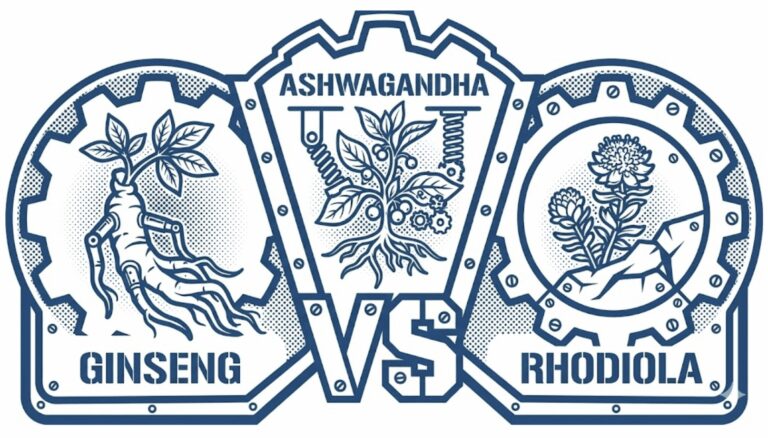
This guide helps you identify the signs you need an adaptogen and how to choose the right one. You’re not “stressed.” You’re mismanaging your chemistry. Adaptogens aren’t wellness herbs—they’re targeted tools that rewire your stress response.

Disclaimer: You’re here to find a product that’ll get you results, and I’m here to help. Just a heads-up: As an Amazon Associate, I earn from qualifying purchases. If you buy through my links, I get a small commission at no added cost to you. It’s like I get a little something for doing the heavy lifting on research. Fair deal? Now, let’s get into the good stuff.
First, understand the battlefield. Read What Are Adaptogens? to know how these tools work.
Sign 1: The 3 PM Crash (When Your Brain Runs Out of Gas)
The Pattern: You start the day strong. By mid-afternoon, a thick mental fog rolls in. Tasks that required 10 minutes now take an hour. You’re not physically tired—your cognitive fuel tanks are empty.
The Chemistry: Your neurotransmitters (dopamine, norepinephrine) are depleted, and cortisol—which should provide clean energy—is now spiking and crashing chaotically, creating inflammation instead of focus.
The Adaptogen: RHODIOLA ROSEA
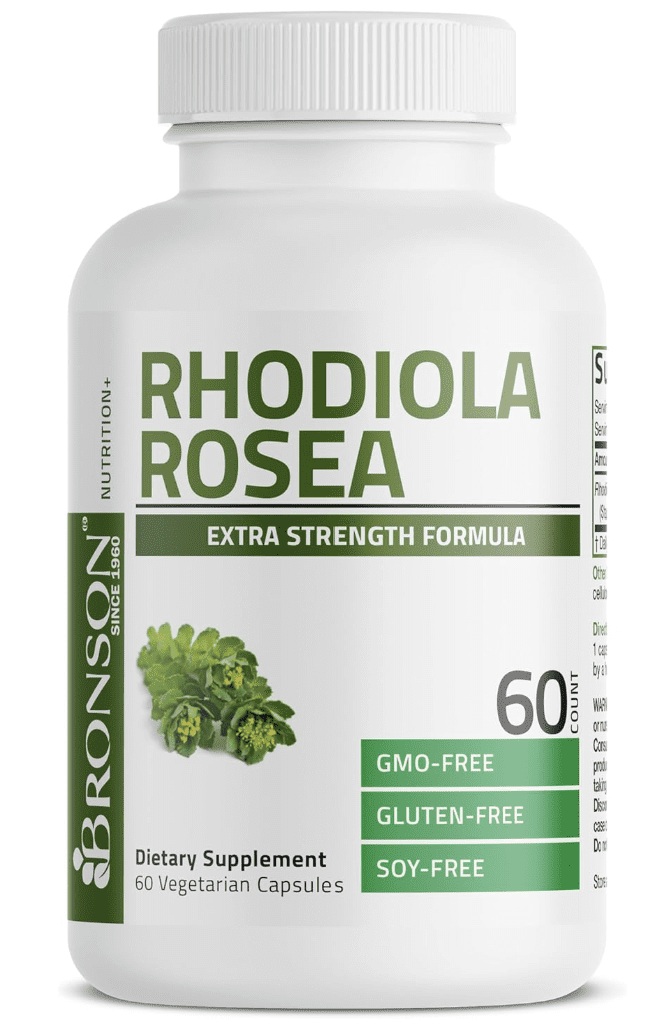
- Why It Fits: Rhodiola is a cortisol modulator and MAO inhibitor. It helps normalize the stress hormone curve, preventing the crash, and slows the breakdown of those key motivating neurotransmitters, keeping your mental engine running smoothly.
- Protocol: 250-500mg of a 3% Rosavins/1% Salidrosides standardized extract first thing in the morning. This isn’t a stimulant—it’s system regulation.
Sign 2: Caffeine Doesn’t Work Anymore (Or Makes You Anxious)
The Pattern: Your fourth cup of coffee just makes you jittery, not focused. You’re tired but wired. The molecule that used to unlock productivity now just amplifies background anxiety.
The Chemistry: Your adenosine receptors are desensitized, and your adrenal glands are fatigued from over-signaling. You’re pouring gas on a sputtering engine instead of fixing the spark plugs.
The Adaptogen: KOREAN RED GINSENG (Panax Ginseng)

- Why It Fits: Ginseng is an adrenal adaptogen and cognitive potentiator. It doesn’t stimulate directly like caffeine. It improves the efficiency of cellular energy (ATP) production and supports adrenal function, giving you sustainable energy without the crash or jitters. It can even smooth out caffeine’s effects.
- Protocol: 200-400mg of a standardized extract (look for Ginsenosides content). Use it as a caffeine replacement or companion. See our deep dive on a top-tier Korean Ginseng.
Sign 3: You Can’t “Turn Off” (Brain Won’t Shut Up at Night)
The Pattern: You’re exhausted, but the moment your head hits the pillow, your mind races. Replaying conversations, planning tomorrow, general existential dread. Physical fatigue, mental overdrive.
The Chemistry: Your nervous system is stuck in “sympathetic overdrive.” Your GABA (the brain’s main calming neurotransmitter) is low, and cortisol is elevated when it should be plunging to allow sleep.
The Adaptogen: ASHWAGANDHA (Specifically KSM-66 or Sensoril)
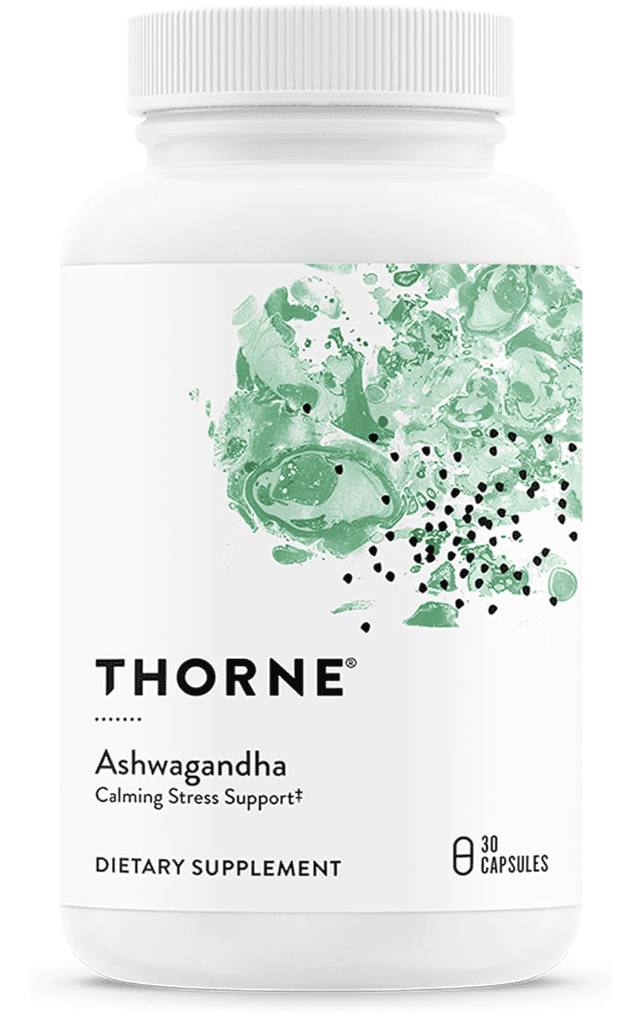
- Why It Fits: Ashwagandha is a powerful GABA-mimetic and cortisol reducer. It directly promotes a shift into the parasympathetic (“rest and digest”) state. It’s for winding down, not gearing up.
- Protocol: 300-600mg of a KSM-66 or Sensoril extract, taken 60-90 minutes before bed. Do not take this in the morning. Pair it with a comprehensive sleep optimization protocol for maximum effect.
“These signs are diagnostic of HPA-axis dysfunction at different stages. The 3 PM crash points to dysregulated cortisol rhythm. Caffeine anxiety suggests receptor desensitization and adrenal strain. Nighttime rumination is a classic sign of failed parasympathetic engagement. Correctly matching the adaptogen to the symptom pattern is clinical-grade stress management.”
— Eugene Thong, CSCS
Sign 4: Everything is Annoying (Low Frustration Tolerance)
The Pattern: Minor inconveniences trigger disproportionate anger. Your partner’s chewing, slow internet, a missed email—things that you’d normally shrug off now feel like personal attacks. You’re emotionally reactive.
The Chemistry: Chronically high cortisol and inflammation are directly impairing your prefrontal cortex—the part of your brain responsible for emotional regulation and rational decision-making. You’re limbic-system dominant.
The Adaptogen: HOLY BASIL (Tulsi)
- Why It Fits: Holy Basil is revered as an “adaptogenic anti-inflammatory.” It helps lower physiological inflammation and cortisol, which in turn can cool down the emotional fire. It promotes a sense of calm, balanced mood without sedation.
- Protocol: 500mg extract, 1-2 times daily. Think of it as a chill pill for your inflamed nervous system. This works well alongside broader nervous system training.
Sign 5: You Get Sick Constantly (Or Can’t Shake a Cold)
The Pattern: Every cold going around the office finds you. You get sick, it lingers for weeks, you get better for a few days, then the cycle repeats. Your immune system is failing its basic duties.
The Chemistry: Chronic stress suppresses the immune system by keeping cortisol elevated long-term. Cortisol initially suppresses inflammation, but chronic elevation exhausts the immune response, leaving you vulnerable to every pathogen.
The Adaptogen: ASTRAGALUS
- Why It Fits: Astragalus is an immune-modulating adaptogen. Unlike others that primarily target the HPA axis, Astragalus directly supports immune cell function (like T-cells and macrophages). It’s used to prevent illness and shorten duration.
- Protocol: 500-1000mg daily during high-stress periods or cold/flu season. It’s a preventative, not an acute cold remedy. Combine with foundational health practices like contrast therapy for resilience.
Adaptogen Quick-Diagnosis Table: Match Your Symptom to Your Solution
| Your Primary Sign | Core Problem | Best Adaptogen Match | Key Action | When to Take |
|---|---|---|---|---|
| 3 PM Mental Crash | Neurotransmitter depletion, cortisol dysregulation | Rhodiola Rosea | Cortisol modulation, MAO inhibition | Morning |
| Caffeine Doesn’t Work | Adrenal fatigue, receptor desensitization | Korean Red Ginseng | Adrenal support, ATP efficiency | Morning or Early Afternoon |
| Can’t Turn Off at Night | Sympathetic overdrive, low GABA | Ashwagandha (KSM-66) | GABA enhancement, cortisol reduction | Evening (Before Bed) |
| Everything is Annoying | High inflammation, impaired PFC function | Holy Basil (Tulsi) | Anti-inflammatory, cortisol balancing | Anytime, 1-2x daily |
| Get Sick Constantly | Immune suppression from chronic stress | Astragalus | Immune cell modulation | Daily for prevention |
“Viewing these signs through a metabolic lens is key. Chronic stress is a nutrient drain, particularly of B vitamins, magnesium, and vitamin C, which are cofactors for energy production and immune function. An adaptogen is a powerful corrective tool, but it works best when paired with a nutrient-dense diet that replenishes what stress has depleted.”
— Charles Damiano, B.S. Clinical Nutrition
Next Steps: Protocol & Stacking
Choosing the right one is half the battle. Now, execute properly.
- Cycle Your Adaptogen: Avoid tolerance. Follow an 8-week cycling protocol.
- Compare Before You Commit: Still unsure? See the direct head-to-head comparison of Ginseng, Ashwagandha, and Rhodiola.
- Build a Full Stack: For comprehensive mental energy beyond adaptogens, explore our guide on the best supplements for mental energy.
Related Resilience & Performance Guides
- Korean Red Ginseng vs. Ashwagandha vs. Rhodiola
- How to Cycle Adaptogens
- Nervous System Regulation Guide
- Best Rhodiola Rosea Supplements 2026
- Sleep Optimization Guide
The Iron Lexicon: Adaptogen Diagnosis Edition
- HPA-Axis Dysfunction
- Disruption of the hypothalamic-pituitary-adrenal axis, your central stress response system. The root cause of all five signs, manifesting differently based on the type of dysregulation (rhythm, sensitivity, etc.).
- Cortisol Curve
- The ideal 24-hour pattern of cortisol: high upon waking, gradually declining throughout the day, low at night. Sign 1 (3 PM crash) is a classic sign of a dysfunctional, flattened, or inverted curve.
- Sympathetic Overdrive
- A state where the “fight or flight” (sympathetic) nervous system is chronically activated and fails to disengage, preventing entry into the restorative “rest and digest” (parasympathetic) state. The core of Sign 3.
- GABAergic Activity
- Relating to the neurotransmitter GABA (gamma-aminobutyric acid), the brain’s primary inhibitory chemical that promotes calm. Low GABAergic activity is linked to anxiety, insomnia, and an inability to relax.
- Immunomodulation
- The process of modifying or regulating one or more immune functions. Adaptogens like Astragalus don’t just “boost” immunity; they intelligently modulate it to respond appropriately to threats.
- Limbic vs. Prefrontal Dominance
- Under chronic stress, emotional, reactive brain regions (limbic system) override the rational, regulatory prefrontal cortex. This shift explains the irrational irritability in Sign 4.
Bottom Line: Your stress symptoms are a diagnostic report. They tell you exactly which system is failing. Popping a random “calming” herb is medical malpractice on yourself. Match the sign to the solution—Rhodiola for mental stamina, Ginseng for adrenal fatigue, Ashwagandha for the shutdown sequence, Holy Basil for inflammatory irritability, Astragalus for immune holes.