The promise of magnetic adjustable dumbbells sounds like marketing hype. Silent. Instant changes. No parts to break. But after plastic gears in dial systems fail, the question shifts from features to longevity. Is the magnetic mechanism a gimmick or the real solution? This deep‑dive focuses on engineering, durability, and real‑world wear of the Snode AD80. It answers whether magnetic dumbbells are a wise investment or just a clever repackaging of old problems.
Medical Disclaimer: This guide is for educational purposes. The statements regarding any supplements have not been evaluated by the Food and Drug Administration. These products are not intended to diagnose, treat, cure, or prevent any disease. Always consult a qualified professional before starting a new regimen.
For a complete overview of specs and comparisons, see our full Snode AD80 Buyer’s Guide. For broader home gym insights, check our best home gym for apartments and where to splurge vs. save.
The Achilles’ Heel of Adjustable Dumbbells: Why Dial Systems Fail
To understand why magnetic might be worth it, you need to know why traditional adjustables break. It is not “if.” It is “when.”
- Plastic Gear Stripping: The threaded dial turns a selector gear. Plastic‑on‑plastic. Over time, cross‑threading or forced turns strip the teeth. You are left stuck at one weight.
- Pin Mechanism Wear: Traditional pin systems use a thin metal pin. It aligns with holes in weight plates. Bent pins or misalignment cause frustrating jams and eventual failure.
- Dirt and Grime Invasion: Exposed mechanisms attract chalk, dust, and sweat. Grit acts as an abrasive. It accelerates wear on moving parts.
The result? A $500+ paperweight after 18‑24 months of serious use. Magnetic systems, in theory, attack all three of these failure points.
For more on equipment durability, see our max output home gym guide and home gym gear hub.
“Most adjustable dumbbell failures are mechanical fatigue failures. A part that moves and bears load thousands of times eventually gives out. The engineering goal of a magnetic system is to eliminate the high‑wear moving part altogether.”
Eugene Thong, CSCS
The Snode AD80 Magnetic Mechanism: How It Works (And Where It Could Fail)
Sealed System, No Gears
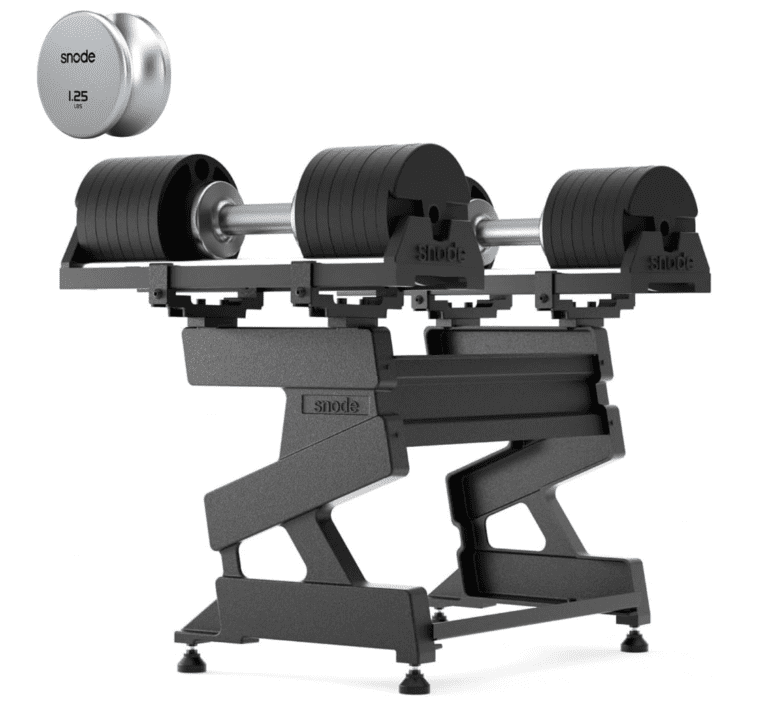
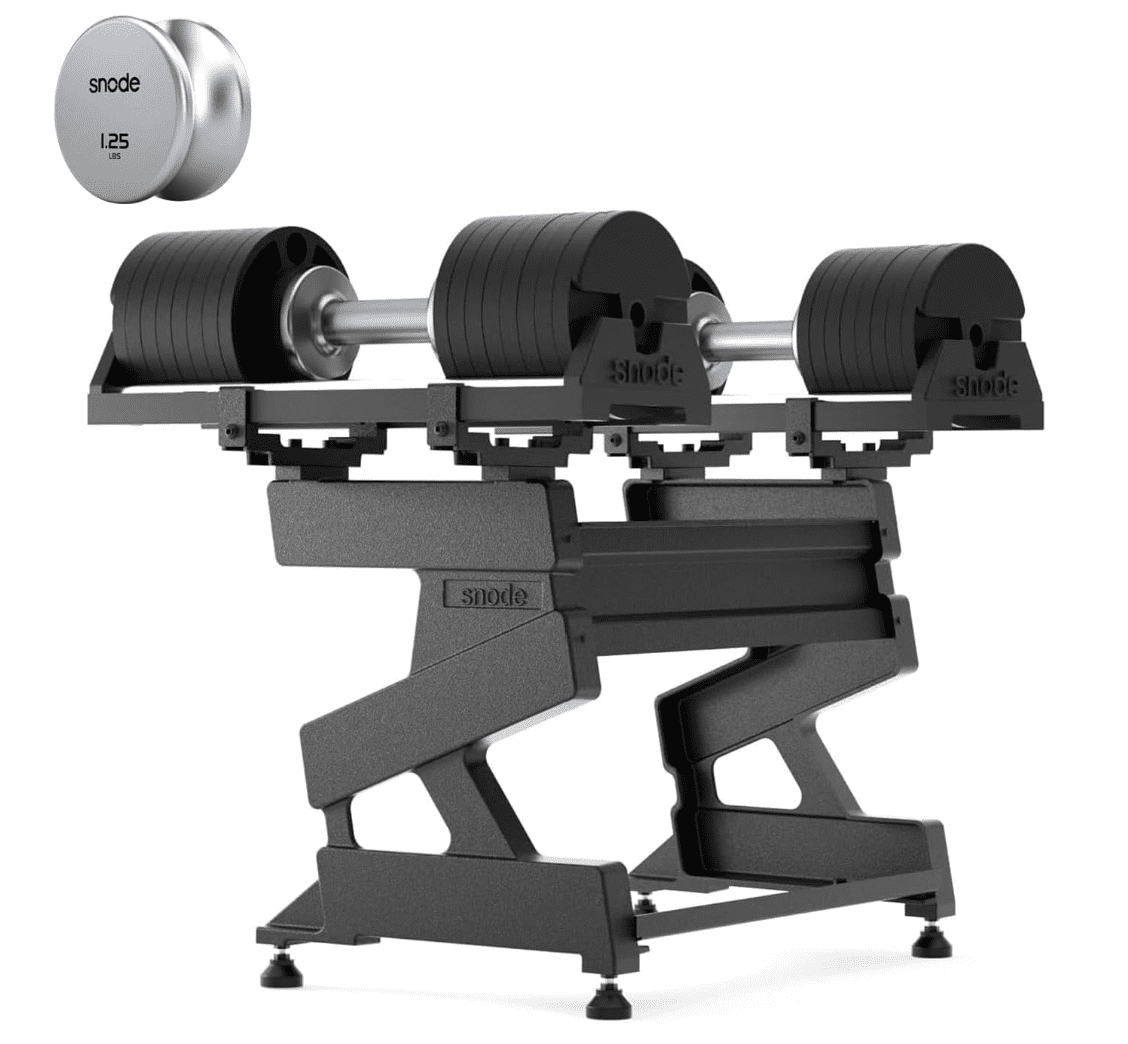
Inside the Snode AD80 selector dial, there are no interlocking gears. Instead, a powerful neodymium magnet sits on a rotating carousel. Turning the dial slides this magnet past a series of fixed steel slots embedded in the weight plates.
- Engagement: The magnet snaps powerfully against the chosen steel slot. It creates a direct, rigid connection. You feel a solid, positive click.
- Disengagement: Rotating the dial pulls the magnet away. It breaks the bond. The force required is the “stiffness” you feel when new.
Durability Advantages
- No Physical Wear Points: Magnet‑to‑steel contact does not grind or strip. Theoretically, it can last indefinitely without degradation.
- Sealed Unit: The mechanism is encased. It blocks chalk and dust—the killers of exposed dials.
- Forgiving Alignment: The magnetic pull has “seek.” It is less prone to jamming from slight misalignment compared to a physical pin.
The Potential New Failure Points
No system is perfect. The risks shift from mechanical wear to:
- Magnet Demagnetization: Extremely rare with modern neodymium magnets. Intense, repeated shock or extreme heat could, in theory, weaken the magnetic field over decades.
- Selector Dial Spindle Wear: The spindle the dial rotates on could develop play over tens of thousands of cycles. It might affect alignment.
For a direct comparison with other premium adjustables, see our Snode AD80 vs. Nuobell 80lb comparison and Nuobell vs. Powerblock breakdown.
Real‑World Stress Test: How the Snode AD80 Holds Up to Daily Abuse
Theory is one thing. Here is what matters in a home gym.
The “Superset Torture Test”
Rapid‑fire weight changes. 25s to 50s to 80s for dropsets. The magnetic system’s speed and silence are a genuine advantage. No fumbling. No loud clicks between exhausting sets.
High‑Impact Movements
Controlled‑but‑forceful movements like dumbbell cleans or renegade rows. The rectangular plate design and solid lock of the magnet prevent internal rattling or shift mid‑movement.
The 6‑Month “Break‑In” Report
The initial stiffness in the dial disappears after a few weeks of regular use. The action becomes smooth but retains its positive click. No degradation in the secure feel of the weight lock‑up. That is the most critical sign of durability.
For more on training with adjustable dumbbells, see our upper body kettlebell workout and effective muscle‑building exercises.
“Durability is not just about the product lasting. It is about the consistency of your training not being interrupted. Equipment failure is a major demotivator. A design that eliminates common failure points directly supports long‑term adherence.”
Charles Damiano, B.S. Clinical Nutrition
The Verdict: Are Magnetic Dumbbells Like the Snode AD80 Worth It?
Yes, if your priority is long‑term durability and seamless use. The premium is an investment in reducing friction and eliminating a known point of failure.
Worth It For:
- The Lifter Who Wants “Buy It For Life”: The magnetic mechanism is the most durable adjustment system currently on the market.
- The Home Gym User Who Values Silence: The difference is profound compared to clanking dials, especially in shared living spaces.
- Anyone Who Has Broken a Dial System Before: This is the engineering solution to that frustration.
Not Worth It For:
- The Extreme Budget Buyer: You pay for advanced engineering. More traditional adjustable options exist at lower price points.
- The Occasional User: If you use dumbbells once a week, a simpler, less expensive system will likely last for years anyway.
For a deeper look at long‑term equipment value, see our are magnetic dumbbells worth it? and best adjustable dumbbells for small spaces.
If Not Magnetic: The Durability Hierarchy of Adjustable Dumbbells
If you are skeptical, here is how other systems stack up for longevity.
- Magnetic Selector (Snode AD80): Highest potential longevity. Failure points are theoretical, not proven.
- Interlocking Cam System (Nuobell): Very durable metal‑on‑metal construction. Still has moving, interlocking parts that could wear over a much longer period. See our Nuobell adjustable dumbbells review.
- Traditional Dial/Gear (Bowflex, Pepin): Proven high rate of mechanical failure (plastic gears) under frequent, heavy use. The known weak link.
- Pin System (Ironmaster, older models): Very durable if maintained. Slower to adjust. Pins can bend with misuse. See our best home gym equipment guide for more.
The Snode’s 5‑year warranty on the magnetic mechanism is a strong signal of confidence. Most dial systems offer 1‑2 years on the mechanism. That tells you everything.
For more equipment durability insights, see our Hulkfit Pro Series review and Major Fitness Drone2 review.
“You are not just buying weight. You are buying a mechanism. Investing in the most durable mechanism available is the smartest long‑term play for a home gym foundation. The Snode’s magnetic system currently holds that title.”
Eugene Thong, CSCS
Related Durability & Investment Guides
- Snode AD80 Full Buyer’s Guide: Specs, Comparison & Review
- Best Smart Home Gyms: Investing in All‑in‑One Solutions
- Hulkfit Pro Series Review: Durability of a Budget Power Rack
- Major Fitness Drone2: Build Quality of a Compact Functional Trainer
- Snode AD80 Cost Analysis: Is the Premium Worth It?
The Iron Lexicon: Mechanism Durability
- Mechanical Fatigue Failure
- The weakening and eventual breaking of a material caused by repeated cyclic loading and unloading. It is the primary cause of plastic gear failure in dial dumbbells.
- Neodymium Magnet
- A type of rare‑earth magnet made from neodymium, iron, and boron. It creates the strongest permanent magnetic field available. Used in the Snode mechanism for reliable, long‑term engagement.
- Selector Spindle
- The central axle or shaft on which a weight selector dial rotates. Wear or play in the spindle can lead to misalignment and engagement issues over time.
- Positive Click Engagement
- A tangible and often audible confirmation that a weight selector has fully and correctly locked into place. Crucial for safety and user confidence.
- Sealed Mechanism
- An enclosed system designed to prevent contaminants like dust, chalk, and moisture from entering and degrading internal working parts.
- Warranty as Confidence Metric
- The length and coverage of a product’s warranty, especially on core mechanisms, often directly reflect the manufacturer’s belief in its long‑term durability.