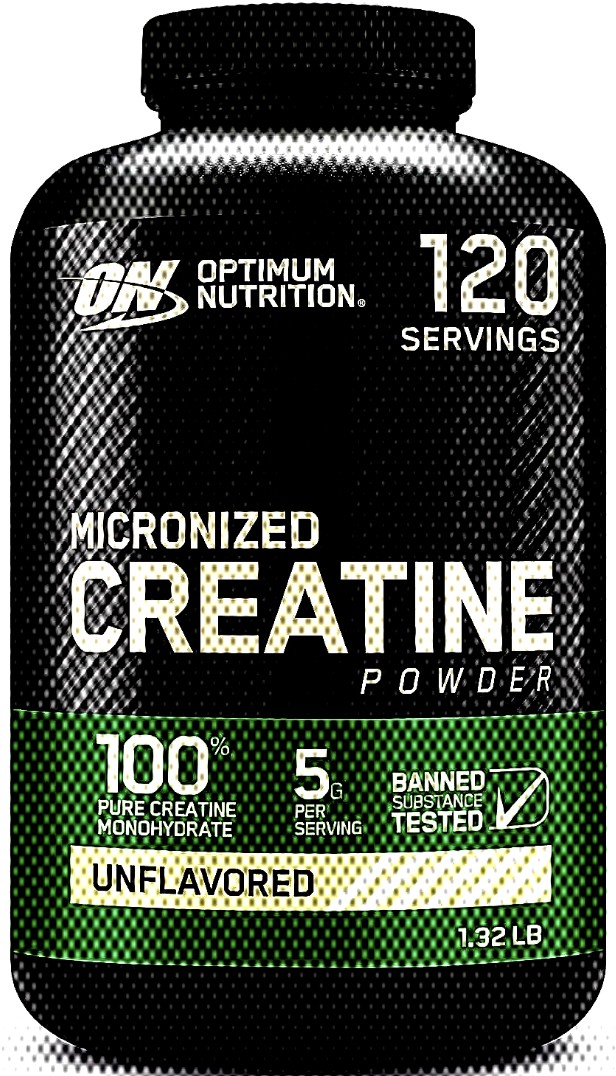
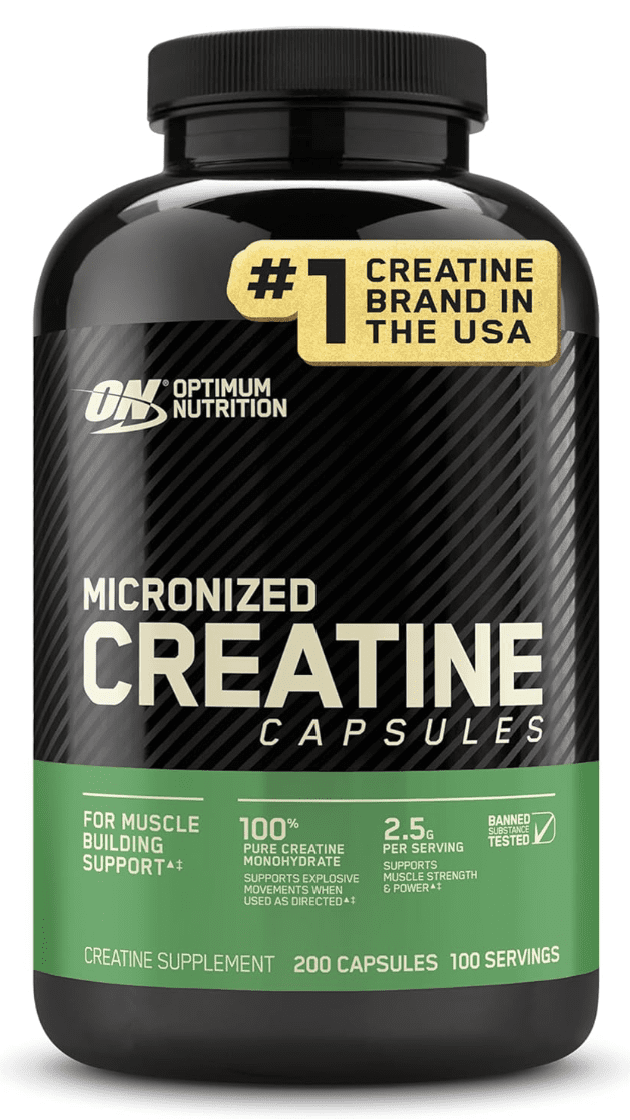
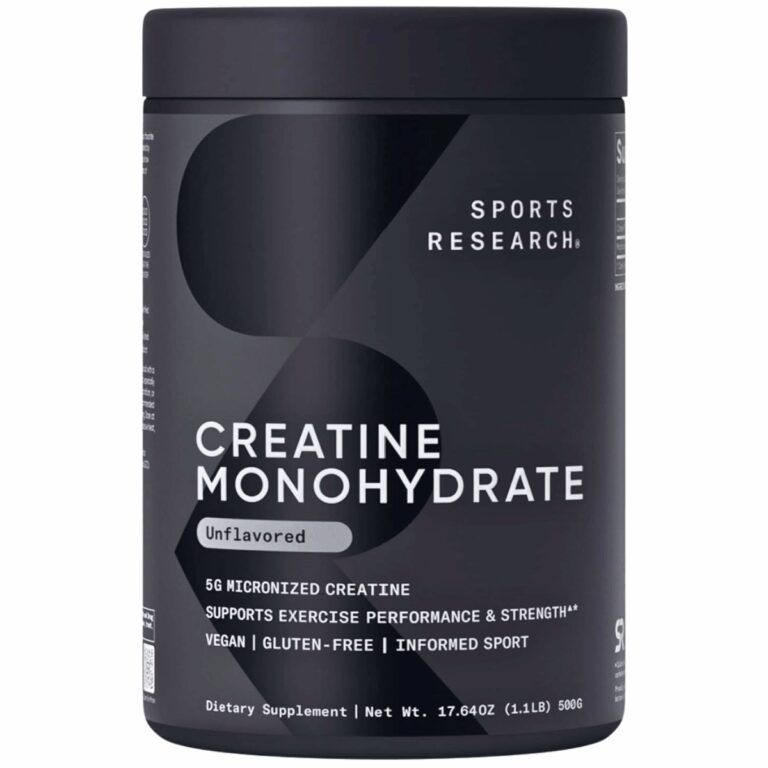
Micronized creatine monohydrate is not a new molecule. It is not a proprietary formula. It is the same creatine backed by hundreds of peer-reviewed studies — processed into finer particles for cleaner mixing, faster uptake, and fewer GI complaints. This is our 2026 breakdown of what micronization actually changes, what it does not, and whether the modest price premium over standard creatine is justified.
Medical Disclaimer: Not FDA evaluated. Not intended to treat, cure, or prevent disease. Consult a physician before use.
Micronized Creatine: What Actually Changes?
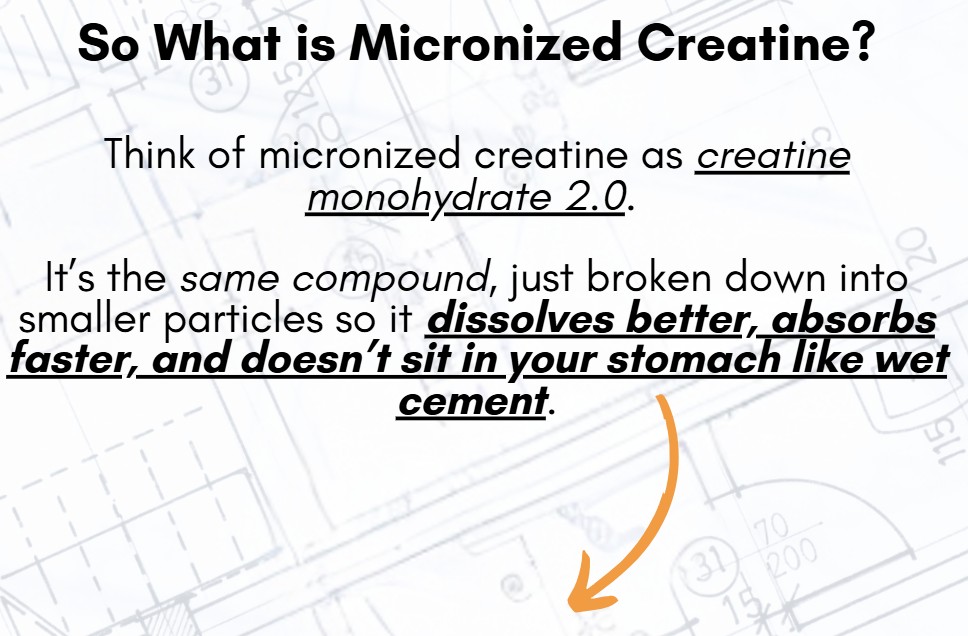
Micronized creatine is standard creatine monohydrate that has been mechanically milled into particles approximately 20 times smaller than the conventional form. The underlying molecule is chemically identical. The physiological mechanism is identical. What changes is everything about the user experience: mixability, digestion, and absorption speed.
Here is the head-to-head breakdown:
| Feature | Micronized Creatine | Standard Creatine Monohydrate |
|---|---|---|
| Particle Size | ~20x smaller. Superior surface area for dissolution. | Larger particles. Less soluble in cold liquids. |
| Mixability | Dissolves cleanly. No grit. No residue at the bottom. | Clumps in cold water. Gritty texture common. |
| Absorption Rate | Faster GI transit. More surface area = quicker uptake. | Slower dissolution can delay absorption onset. |
| GI Tolerance | Significantly reduced bloating and cramping reports. | Higher incidence of GI discomfort, especially during loading. |
| Efficacy | Identical end-result. Same phosphocreatine saturation. | Identical end-result. Gets there slightly slower. |
| Best For | Anyone prioritizing daily compliance and digestive comfort. | Budget-conscious users comfortable with texture. |
Why It Works: The Core Benefits
The benefits of micronized creatine are the benefits of creatine monohydrate — delivered more efficiently. Creatine’s mechanism is not complicated. It increases your intramuscular stores of phosphocreatine, the rapid-energy substrate your body draws on during high-intensity, anaerobic effort. More phosphocreatine means more available ATP. More ATP means more power output, more reps completed, and faster recovery between sets.
Here is what that translates to in practice:
- Increased Strength and Power Output: This is the most replicated finding in sports nutrition research. Daily creatine supplementation consistently increases maximal force production during resistance training. The effect is measurable within 3 to 4 weeks of consistent use.
- Lean Muscle Mass Accumulation: Creatine supports greater increases in lean body weight compared to training alone. Some of this is intracellular water drawn into muscle tissue. The rest is earned through enhanced training capacity over time.
- Faster Recovery Between Sessions: Creatine reduces markers of muscle cell damage post-training. Less damage means faster readiness for the next session. More productive frequency compounds over weeks and months.
- Cognitive Energy Support: The brain consumes roughly 20% of your body’s total daily energy. Emerging research indicates elevated phosphocreatine availability supports cognitive processing speed and reduces mental fatigue under stress. Creatine is not just a muscle supplement.
- Cleaner Daily Experience: This is micronization’s specific contribution. No grit in your shaker. No bloating. No reason to skip a day because the texture is unpleasant. Daily compliance is the entire game with creatine. Micronization removes every friction point that gets in the way of it.
Pro-Tip: Creatine does not produce an acute, feel-it-now effect. It is not a stimulant. It works by keeping your phosphocreatine reservoir full at all times. The benefits are cumulative and entirely dependent on daily consistency. Miss days regularly and you drain the reservoir. That is the only way this supplement fails.
How to Take It for Maximum Results
The protocol is simpler than most people think. Here is the complete breakdown:
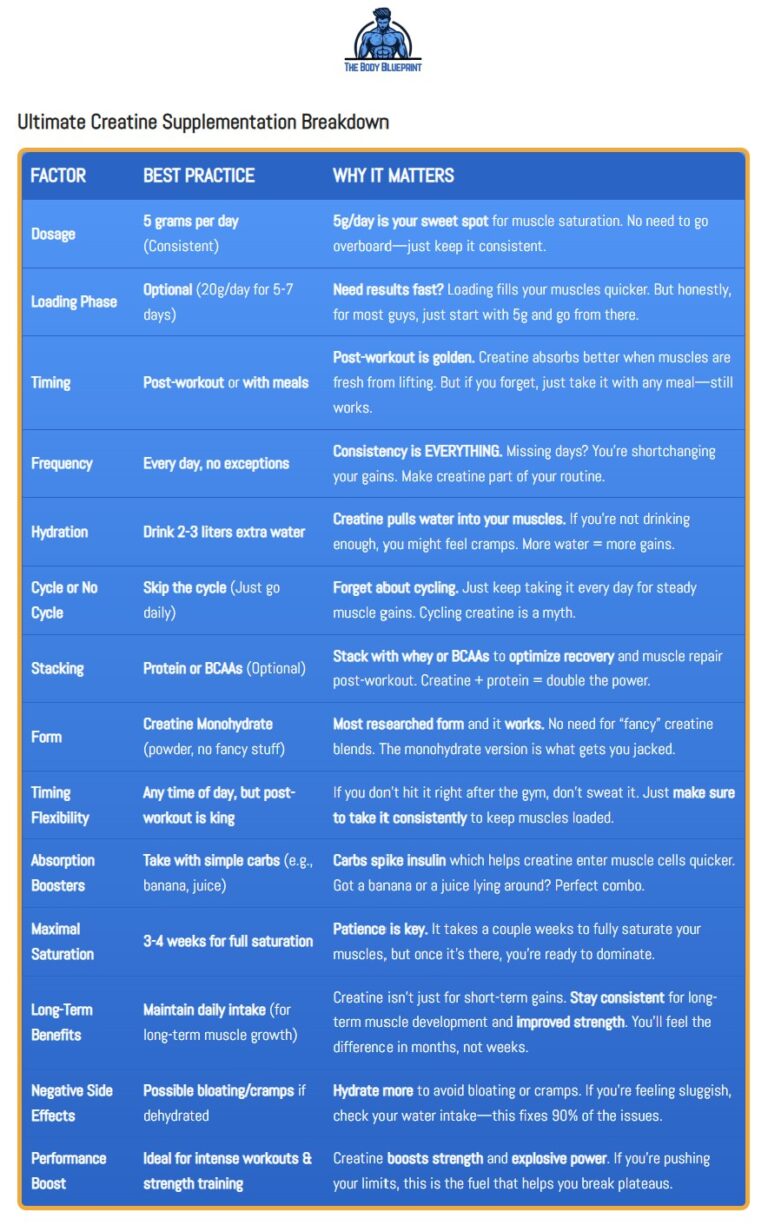
- Loading Phase (Optional): 20g per day, split into 4 to 5 doses, for 5 to 7 days. This saturates your muscle stores rapidly. You will reach full saturation in roughly one week. Loading is not mandatory. It is a timeline preference, not an efficacy requirement.
- Standard Daily Protocol: 5g per day, every day, with no loading phase. You reach the same maximal phosphocreatine saturation in 3 to 4 weeks. The end result is identical. The pace is slower.
- Timing: Post-workout is the research-preferred window. Muscles are primed and insulin sensitivity is elevated. On rest days, take it with a meal. If consistency is your challenge, pick one fixed daily time and use it. Consistent timing beats optimal timing every time.
- Mixing: Add your 5g scoop to water, juice, or any protein shake. Micronized creatine dissolves completely in cold liquid. No stirring required. No residue. Stack it directly into your post-workout shake and move on.
- Hydration: Creatine draws water into muscle cells. Increase your daily water intake to at least 3 liters. This is not optional. It supports the mechanism and prevents the mild cramping some users experience.
Micronized Creatine vs. Other Forms
The supplement industry has produced several creatine variants, each marketed as a meaningful upgrade over monohydrate. The research tells a different story. Here is the honest comparison:
| Form | Research Base | 2026 Verdict |
|---|---|---|
| Micronized Creatine Monohydrate | Hundreds of human trials. Decades of data. | The gold standard. Best mixability, best tolerance, identical efficacy to standard monohydrate. |
| Standard Creatine Monohydrate | Same extensive research base. | Equally effective. Slightly worse texture and GI tolerance. The budget-appropriate choice. |
| Creatine HCL | Limited human trials. Mostly marketing. | Dissolves well. No proven performance advantage over monohydrate. Significantly higher cost per gram. |
| Creatine Ethyl Ester (CEE) | Head-to-head trials show it underperforms. | Avoid. Direct comparisons show lower muscle creatine retention than standard monohydrate. |
| Buffered Creatine (Kre-Alkalyn) | Independent trials show no advantage. | Marketed aggressively. No research advantage. Premium price with no premium outcome. |
The conclusion the research keeps arriving at is the same one it arrived at 30 years ago. Creatine monohydrate — and by extension, its micronized form — is the most effective, most studied, and most cost-efficient creatine on the market. Every alternative carries a higher price tag and a thinner evidence base.
FAQ: The Questions That Actually Matter
Is micronized creatine better than regular creatine?
At the molecular level, they are identical. Micronization improves mixability, absorption speed, and GI tolerance. It does not change the end result. If texture or bloating has derailed your compliance in the past, micronized is the clear upgrade.
Does creatine cause bloating?
Standard creatine can cause transient water retention and GI discomfort, particularly during a loading phase. Micronized creatine reduces this significantly due to faster dissolution and improved GI transit. Adequate hydration eliminates most complaints.
Should I take it on rest days?
Yes. This is non-negotiable. Creatine works by maintaining full phosphocreatine saturation at all times. Skipping rest days slowly drains your stores and undermines the protocol. 5g daily. Every day. No exceptions.
Can I stack it with protein?
Yes, and this is the most practical delivery method. Add your 5g scoop directly to your post-workout protein shake. The insulin response from protein and carbohydrates enhances creatine uptake into muscle tissue.
Is it safe long-term?
Creatine monohydrate has been evaluated in long-term studies up to several years in healthy adults with no adverse effects on kidney, liver, or cardiovascular function at the standard 5g daily dose. If you have a pre-existing renal condition, consult your physician first. For healthy individuals, the safety profile is one of the strongest in sports nutrition.
Does it damage your kidneys?
No. This myth persists because creatine metabolism produces creatinine, a standard kidney function marker. Elevated creatinine from creatine supplementation does not indicate kidney damage. It is a predictable metabolic byproduct. Studies in healthy adults consistently show no renal harm at standard doses.
The Bottom Line
Micronized creatine monohydrate is the correct form of the most proven supplement in existence. It does not add new benefits. It removes every barrier to consistent daily use. No grit. No bloating. No reason to skip. And daily compliance is the entire mechanism by which creatine works.
The protocol is simple. 5 grams per day. Every day. Mixed into anything. Give it 3 to 4 weeks to reach full saturation. Then train hard and let the phosphocreatine reservoir do its job.
Verdict: Hundreds of Studies. One Clear Winner.
Pure micronized creatine monohydrate. No fillers. No grit. No guesswork. The baseline every serious training stack should be built on.
*Prices subject to change. Verified 2026 technical review.