Fairlife protein shakes are the disruptors of the RTD (Ready-to-Drink) market, leveraging ultra-filtration to deliver high protein with zero lactose. This is the 2026 technical deep dive. We’re cutting through the “chocolate milk” nostalgia to analyze the filtration technology, the sweetener profiles, and the anabolic utility of the Core Power vs. Nutrition Plan lines. This is the breakdown you need before you clear out the shelves at Costco.
Disclaimer: You’re here to find a product that’ll get you results, and I’m here to help. Just a heads-up: As an Amazon Associate, I earn from qualifying purchases. If you buy through my links, I get a small commission at no added cost to you. It’s like I get a little something for doing the heavy lifting on research. Fair deal? Now, let’s get into the good stuff.
Important: These statements have not been evaluated by the FDA. This information is for educational purposes and is not intended to diagnose, treat, cure, or prevent any disease. Fairlife is a dairy-based product. While lactose-free, it is not vegan. This review is based on label analysis, filtration science, and comparative testing. For more on high-yield sources, see our Protein Sources Hub.
Ultra-Filtration: Why Fairlife Isn’t Just Milk
Fairlife uses a patented cold-filtration process to physically separate milk into its five core components: water, butterfat, protein, vitamins/minerals, and lactose. By recombining them in specific ratios—and discarding the lactose—they create a high-density protein liquid that maintains the mouthfeel of real dairy. This is a massive leap in the evolution of protein shakes.
Unlike standard whole food dairy, you’re getting 50% more protein and 50% less sugar. It’s the biohacker’s version of the legacy bodybuilding milk diet.
The 2026 Lineup: Core Power vs. Nutrition Plan
Choosing the right Fairlife bottle depends on your metabolic goals: are you fueling a workout or managing a deficit?
- Core Power (26g): The entry-level recovery drink. Balanced for general athletics.
- Core Power Elite (42g): The heavy hitter. Designed for high-intensity recovery. Check our Core Power Elite Review.
- Fairlife Nutrition Plan (30g): The “lifestyle” bottle. Lower calorie, shelf-stable, and usually found in bulk.
Nutrition Stats & Ingredients
Fairlife delivers a complete amino acid profile because it is derived from cow’s milk (casein and whey).
| Product | Protein | Calories | Sugar | 2026 Verdict |
|---|---|---|---|---|
| Nutrition Plan | 30g | 150 | 2g | Best for cutting phases. |
| Core Power Elite | 42g | 230 | 8g | Peak post-workout nutrition. |
The Sweetener Profile: Sucralose & Acesulfame Potassium
To hit these numbers, Fairlife uses a blend of stevia and artificial sweeteners. If you are avoiding “the blue stuff,” see our guide on protein without sucralose. However, for most, the taste-to-macro trade-off is the best in the industry.
RTD Showdown: Fairlife vs. The Field
How does it stack up against the titans of the “grab-and-go” world?
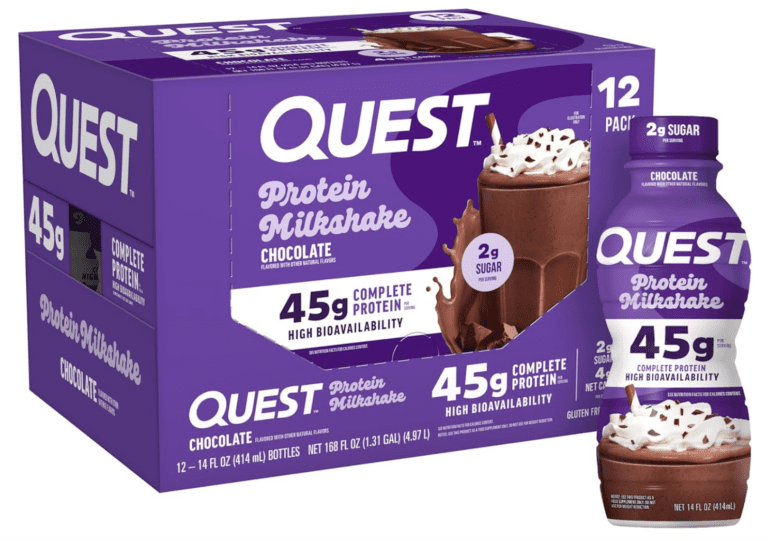
- Vs. Quest: Quest is thicker and uses different fibers. See Quest RTD Review.
- Vs. Labrada: Labrada offers a more “milkshake” texture but often with higher calories. See Labrada Review.
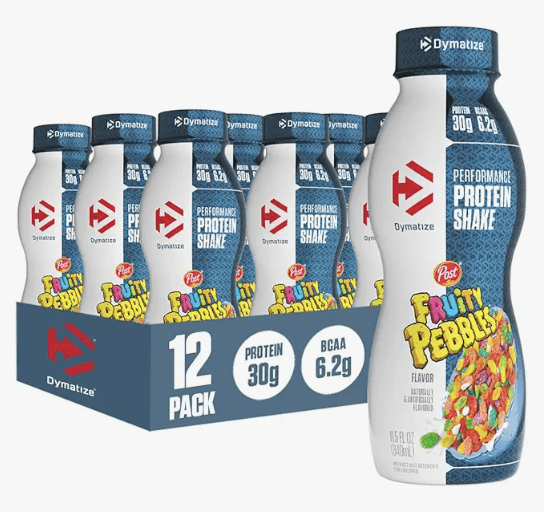
- Vs. Dymatize: Dymatize RTDs are elite for flavor but often pricier. See Dymatize RTD Review.
- Vs. Protein Water: If you want zero creaminess, you’re looking for Protein2o.
Anabolic Utility: Timing & Tactics
Fairlife is the ultimate tool for simplified protein timing.
- The Fasting Break: If you struggle to get enough protein while fasting, a Nutrition Plan shake is a 150-calorie cheat code.
- Post-Workout: The combination of whey and casein in milk makes it a fast-and-slow digesting hybrid. Perfect for sustained protein synthesis.
- Meal Logistics: It’s the king of college muscle meal prep because it’s shelf-stable (until opened).
The Bottom Line: The RTD King
Fairlife Protein Shakes are the gold standard for taste-to-macro efficiency in 2026. If you can find them in stock, buy them. They are the easiest way to hit your protein goals without the “chalky” supplement aftertaste.