
Adaptogens are botanicals traditionally used to help the body respond to stress, stay balanced, and maintain steady energy throughout the day.
They’re not stimulants, not sedatives — just tools that help your system handle life’s load a little more efficiently.

Disclaimer: This article provides general information only and isn’t medical advice. Always talk with a qualified professional about your personal health needs. As an Amazon Associate, I earn from qualifying purchases. If you buy through my links, I get a small commission at no added cost to you. It’s like I get a little something for doing the heavy lifting on research. Fair deal? Let’s get into it.
What Are Adaptogens?
Adaptogens are a category of herbs and botanicals traditionally used to support the body’s ability to respond to physical, mental, and environmental stressors. They’re often described as “balancing” — not pushing you up or down, but helping you stay steady when life gets chaotic.
They’ve been used for centuries in various traditional systems, and today they’re popular among athletes, high‑performers, and anyone who wants more resilience in their daily routine.
For more tools that support stress regulation, see our Nervous System Regulation Guide.
How Adaptogens Work (In Practical Terms)
Adaptogens are often talked about as “stress support” tools. In real‑world use, people describe them as helping with:
- Staying level‑headed during long workdays
- Maintaining steady energy without the spikes and crashes
- Feeling more resilient during busy or demanding periods
- Supporting recovery after training or intense workloads
They’re not stimulants, and they’re not relaxants — they’re more like “stress moderators.”
For recovery‑focused tools, explore our Sauna & Heat‑Shock Protein Guide.
Why People Use Adaptogens
People reach for adaptogens because they want:
- More consistent energy throughout the day
- Better stress tolerance during demanding periods
- Improved focus without stimulants
- Support for recovery after training
- A calmer evening routine without feeling sedated
They’re especially popular among lifters, entrepreneurs, shift workers, and anyone who wants to stay sharp without relying on caffeine.
For more performance‑focused tools, see our Cold Exposure Guide.
Common Types of Adaptogens
Here are three of the most widely used adaptogens today — each with its own “feel” and use case.

Korean Red Ginseng is often chosen by people who want a more energized, “up‑regulating” adaptogen. It’s traditionally used for vitality, stamina, and general resilience.
- Feel: More alert, more drive
- Best for: Mornings, long workdays, training days
Pairs well with Nootropics and Omega‑3s.
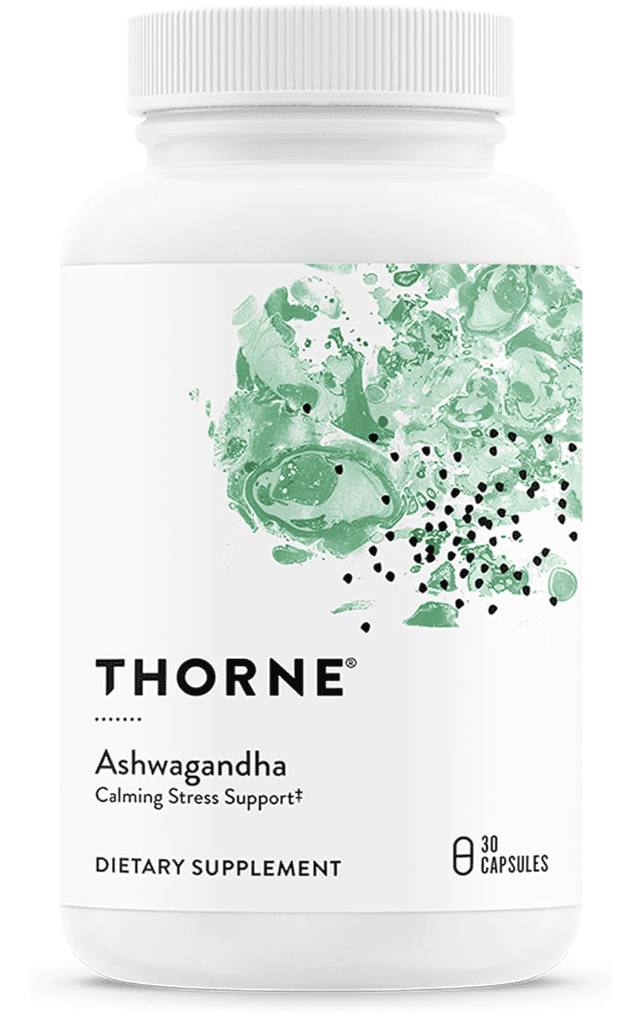
Ashwagandha is often chosen by people who want a more calming, grounding adaptogen — something that helps them unwind after long days or intense workloads.
- Feel: More relaxed, smoother evenings
- Best for: Night routines, stressful periods
Pairs well with our Sleep Optimization Guide.
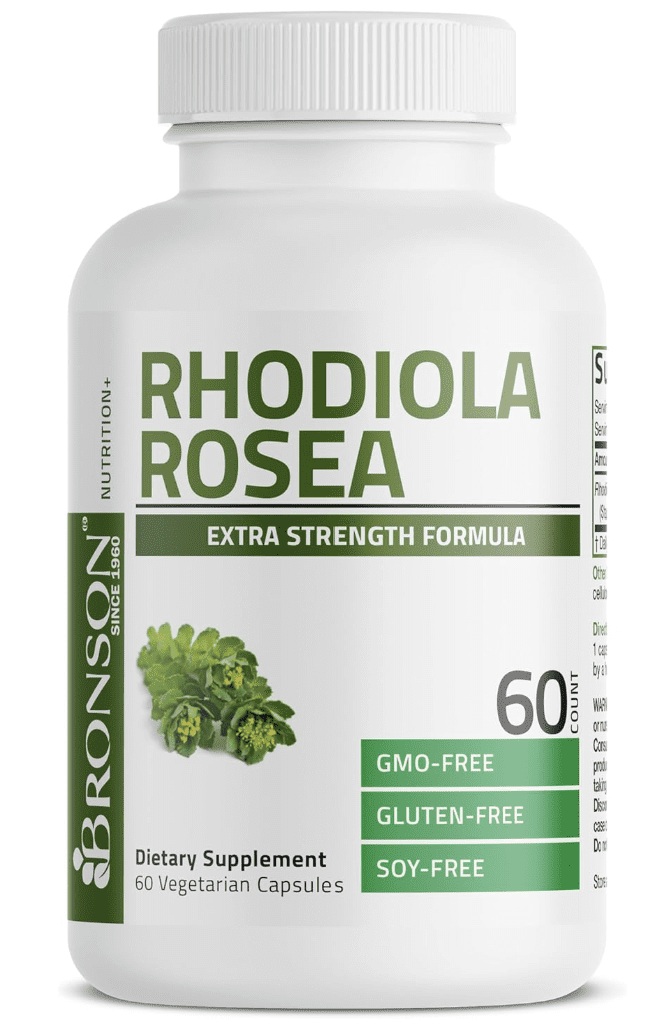
Rhodiola Rosea is often chosen by people who want balanced energy — not wired, not sedated — just steady focus and endurance throughout the day.
- Feel: Smooth focus, better pacing
- Best for: Workdays, endurance training
Pairs well with Mushroom Supplements and Nootropics.
How to Choose the Right Adaptogen
Choosing an adaptogen comes down to how you want to feel:
Choose Korean Red Ginseng if you want:
- More drive and alertness
- A morning‑friendly option
Choose Ashwagandha if you want:
- More calm and relaxation
- A smoother evening routine
Choose Rhodiola if you want:
- Steady focus without jitters
- Better pacing through long days
For a full recovery stack, explore our Sauna + Cold Plunge Contrast Guide.
The Iron Lexicon: Adaptogen Edition
- Adaptogen
- A botanical traditionally used to support the body’s response to stress.
- Up‑Regulating
- A supplement that feels more energizing or activating.
- Down‑Regulating
- A supplement that feels more calming or grounding.
- Steady Focus
- A balanced, non‑jittery sense of mental clarity.
- Recovery Stack
- A combination of tools that support training, stress resilience, and sleep.
Bottom Line: Adaptogens aren’t stimulants or sedatives — they’re balancing tools. Whether you want more drive, more calm, or more steady focus, there’s an adaptogen that fits the way you want to feel throughout the day.
